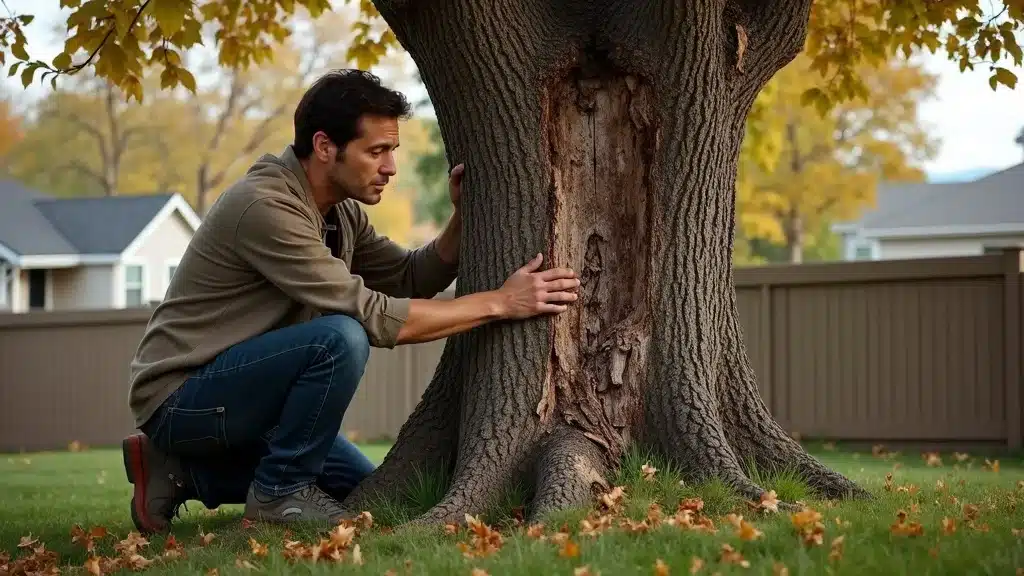
Did you know nearly 65% of hazardous trees in Denver neighborhoods show warning signs months before failure, yet most homeowners don’t notice until it’s too late? Early recognition of tree problems isn’t just a benefit—it’s a necessity for property safety, city compliance, and maintaining Denver’s beloved urban canopy. In this guide, I’ll reveal the overlooked indicators that signal when to remove a tree from your Denver property, provide practical arborist insights, and empower you to keep your landscape safe all year long.
A Surprising Fact: Most Denver Homeowners Miss These Tree Removal Warning Signs
If you think tree removal is only for dead or obviously falling trees, think again. Many Denver homeowners overlook subtle but crucial red flags that indicate a tree may be hazardous. These warning signs often appear gradually—like cracks in the trunk, roots surfacing after a tough winter snow, or a barely noticeable tilt. Knowing when to remove a tree from your Denver property can be the difference between preventing an emergency tree situation and facing costly property damage or even risk to life. With Denver’s climate swings, from heavy wet snows to gusty spring winds, even healthy-looking trees can develop structural problems that homeowners miss.
Arming yourself with expert knowledge puts you in control of your landscape’s safety. This article serves as an essential resource for both new property owners and longtime Denver residents, helping you spot the most common—and most dangerously overlooked—indications a tree needs quick attention. Whether you’re concerned about a leaning trunk after winter tree events or seeing suspicious branches near power lines, we’ll help you make confident, informed decisions with help from local tree removal services and certified arborists.
What You’ll Learn About When to Remove a Tree from Your Denver Property
- Essential reasons for tree removal in Denver
- How to identify hazardous trees requiring removal services
- Understanding professional tree removal services and permits
- Expert tips for safe and legal tree removal in Denver
Understanding When to Remove a Tree from Your Denver Property
The decision of when to remove a tree from your Denver property often comes down to a mix of health, safety, and regulatory factors. With our city’s variable seasons, winter snow, and the growing demands on urban space, trees that are left unchecked can quietly transform from neighborhood assets into significant risks. Recognizing the early signs of trouble—such as decayed trunks, leaning that wasn’t present last year, or branches tangled in power lines—ensures problems don’t go from inconvenient to catastrophic.
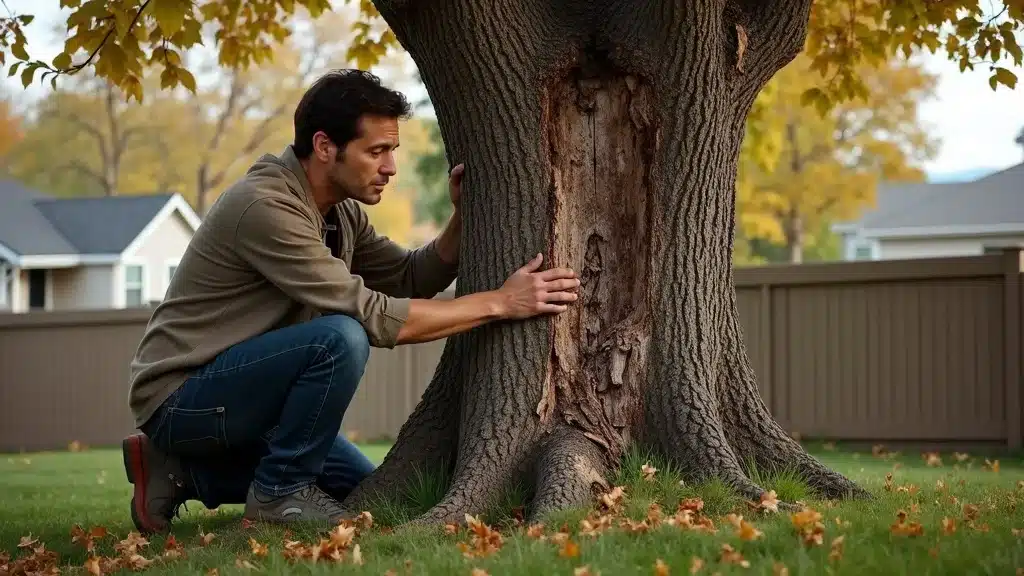
Denver’s commitment to preserving its urban forestry means that every removal (whether for safety or redevelopment) needs to follow city protocols and sometimes requires permits, especially for street trees or protected species. But before paperwork or saws come into play, homeowners must know what to look for. Healthy trees contribute to cooling shade, increased property values, and even emotional wellbeing, so tree care isn’t just upkeep—it’s stewardship. Below, you’ll find a visual reference for recognizing the subtle (and not-so-subtle) cues that it’s time to consult tree removal services in Denver or a certified arborist for a professional opinion.
Key Signs Your Tree Needs Removal from Your Denver Property
- Visible root damage or uprooting: Exposed, broken, or heaving roots, often after tough winters or saturated spring soils, are a direct invitation for instability. If your tree’s base looks disturbed or is lifting sidewalks or lawn, it’s often time to act fast with a tree service specialist.
- Severe trunk decay, cracks, or splits: Deep fissures, pockets of rot, or obvious decay around the trunk signal internal weakness. Even if some foliage remains, serious trunk problems threaten a tree’s structural integrity and may require prompt removal services in Denver to avoid collapse.
- Dead or hanging branches near power lines: Large limbs resting on or hovering dangerously close to power lines—especially after a winter snow or windstorm—are urgent red flags. Regular visual inspection post-storm can catch these hazards early, keeping both property and people safe.
- Unstable leaning or structure post-winter tree events: A gradual or sudden lean, especially when paired with root exposure or trunk cracks, means the tree’s anchoring system is compromised. Leaning trees, especially older ones, are more likely to come down in high winds or storms, so professional assessment is key.
“When in doubt, always consult a professional tree service before acting—removal can be dangerous and requires expertise.”
| Condition | Best Action | Need for Professional Tree Service | Permit Needed? |
|---|---|---|---|
| Dead, Leaning, or Severely Decayed Tree | Removal | Yes (tree removal services recommended) | Usually (especially for street/protected species) |
| Minor Broken Branches | Tree Care / Pruning | Maybe (for large limbs or near power lines) | No (unless affecting public property) |
| Visible Root Damage | Assessment & Likely Removal | Yes (certified arborist) | Sometimes (location dependent) |
| Mild Trunk Wounds | Monitoring & Tree Care | No (unless symptoms worsen) | No |
Tree Removal in Denver: Why Professional Tree Removal Services Matter
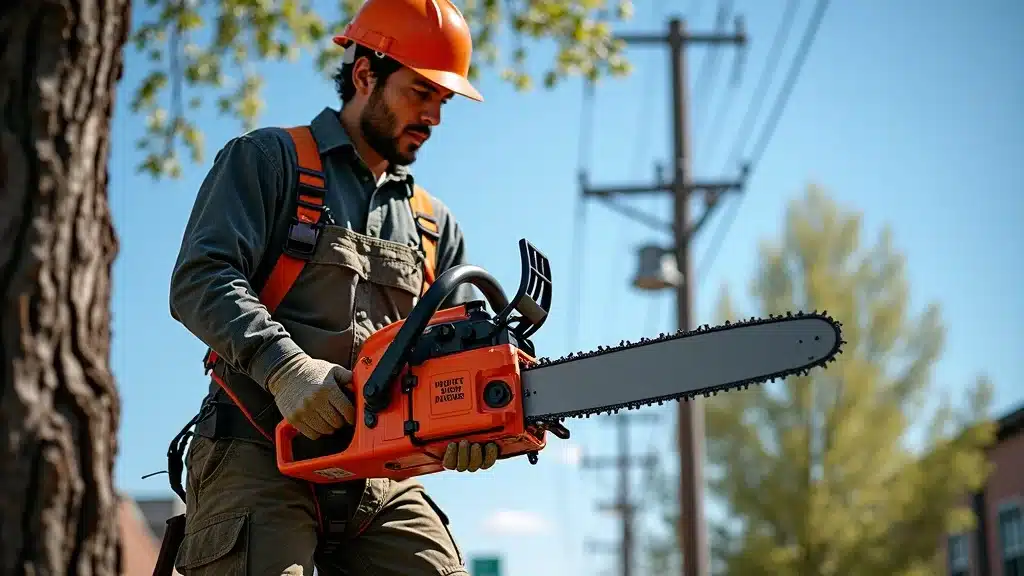
While it may seem tempting to tackle tree removal on your own, especially if the tree doesn’t look too large, doing so—especially in Denver’s urban setting—can result in serious consequences. Experienced removal services in Denver are trained to handle dangers that often aren’t obvious from ground level. Trees engaged with power lines, situated near homes or vital city infrastructure, or presenting internal decay represent real hazards not only to property but to life. Even the most experienced DIYer may lack the equipment or technical skill to dismantle a hazardous tree safely and legally.
Beyond immediate hazards, there are important legal and city compliance responsibilities, with permits required for many types of tree removal in Denver. Failing to secure the right paperwork, especially for protected or street trees, can result in hefty fines and city code violations. For the safety of your neighbor’s property, your structures, and most importantly yourself, working with a certified arborist or credible tree removal service in Denver ensures all aspects—assessment, safe takedown, cleanup, and disposal—are handled professionally and in accordance with Denver codes.
Dangers of DIY Tree Removal in Denver CO
- Risks to property and power lines: Attempting removal without understanding tree weight distribution or proximity to power lines often leads to fallen limbs damaging houses, vehicles, fencing, or utility infrastructure. Insurance claims for such accidents can be denied if unlicensed work was performed.
- Personal injury hazards: Working at height, handling chainsaws, or controlling heavy tree sections puts DIYers at real risk of injury or worse. Homeowners’ insurance may not cover self-inflicted damage—especially if a tree falls unexpectedly or hits a power line.
- Legal implications of improper tree removal services: Denver enforces strict codes for tree removal, especially near city streets or for heritage/protected species. Fines and mandatory repairs for unpermitted, improper removals can far outweigh the cost of a professional tree service, making “going it alone” a risky proposition.
Benefits of Hiring a Certified Arborist for Tree Removal Services
- Assessment of emergency tree situations: Certified arborists can quickly determine whether a damaged tree represents an immediate hazard (such as after a winter tree event) and develop a safe, step-by-step removal plan tailored to your property.
- Expertise in handling hazardous trees near power lines: Removal services in Denver employ team members with experience working near utility lines, using specialized techniques to keep properties safe and maintain city infrastructure.
- Comprehensive removal services in Denver: permits, cleanup, disposal: Reputable tree removal services include handling permit applications, safe on-site removal, and thorough post-job cleanup/disposal work, leaving your landscape neat, safe, and code-compliant.
People Also Ask: Common Questions About When to Remove a Tree from Your Denver Property
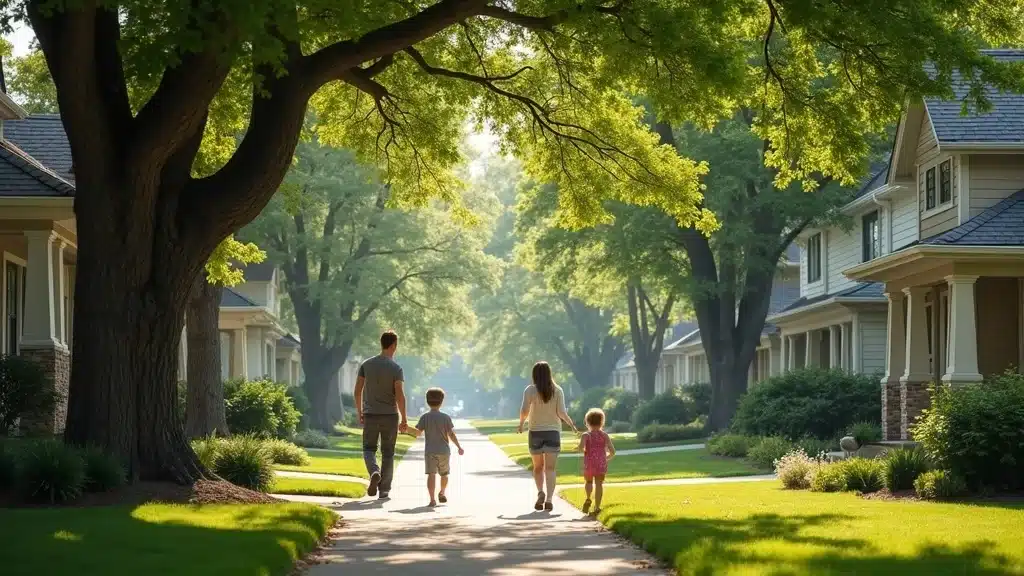
What is the 3 30 300 rule for trees?
Answer: The 3 30 300 rule is an urban forestry guideline: every home should see at least 3 trees, have 30% tree canopy cover in their neighborhood, and live within 300 meters of a green space. While beneficial, Denver properties sometimes need tree removal to maintain safety and compliance with this rule.
Do you need a permit to cut down a tree in Denver?
Answer: Yes, Denver often requires permits, especially when tree removal involves street trees or protected species. Always check with local Denver CO agencies or certified tree removal services in Denver before proceeding.
What is the 123 rule of pruning?
Answer: The 123 rule suggests pruning up to 1/3 of the canopy, during the tree’s dormant season, for trees older than 3 years. Trees not adhering to proper structure may require removal services instead.
At what point should a tree be removed?
Answer: Remove a tree when it poses a risk to property, is extensively diseased or dead, is entangled with power lines, or undermines safety—consult a professional tree service to confirm.
Important Considerations for Tree Removal Services in Denver
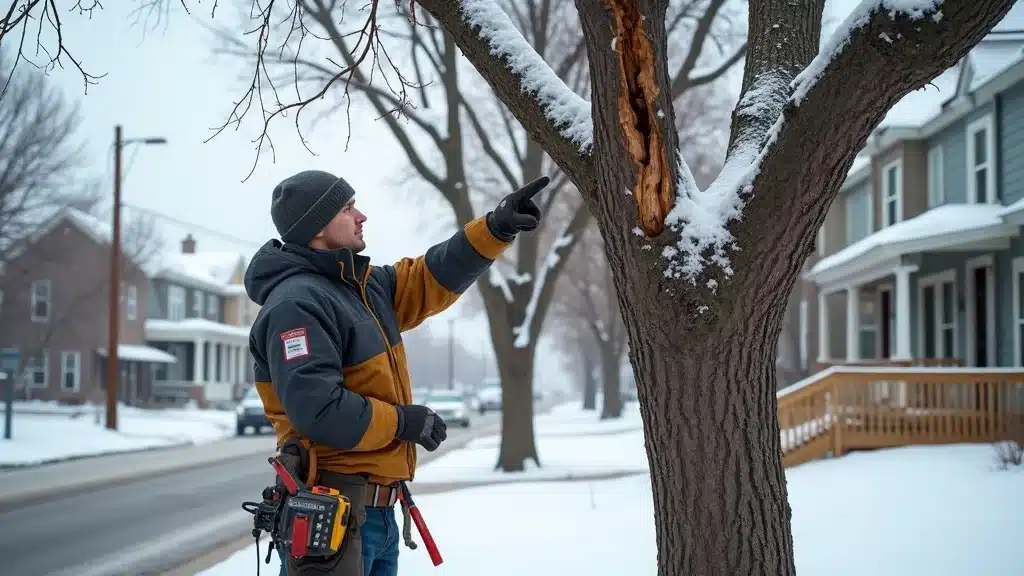
Denver homeowners must factor in unique regional challenges—from frozen roots during winter tree events to the risk of power lines entanglement. Assessing your tree’s proximity to city infrastructure reduces community risk and city liability, ensuring that no removal is taken lightly. Collaborating with local removal services in Denver guarantees not only compliance with current codes but also that every aspect, from permit acquisition to safe work practices, is handled efficiently.
Post-storm assessments should always address winter tree damage, including split limbs and ice fractures. Even minor injuries can compromise long-term health and stability, so consult trusted tree services in Denver for ongoing care. Permits are advised for removal projects, especially if street trees or city-maintained trees are involved. This cooperation sustains both legal compliance and Denver’s cherished canopy for generations to come.
- Assess proximity to power lines and city infrastructure
- Winter tree damage assessment post-storm
- Collaborating with Denver removal services for permits and compliance
“Every tree removal should be a balance between protecting your property and enhancing Denver’s urban canopy.”
Tips for Preventing Emergency Tree Removal Situations
- Schedule regular tree service and tree care with a Denver CO arborist
- Monitor tree health after winter tree events or storms
- Address small removal services before trees become hazardous
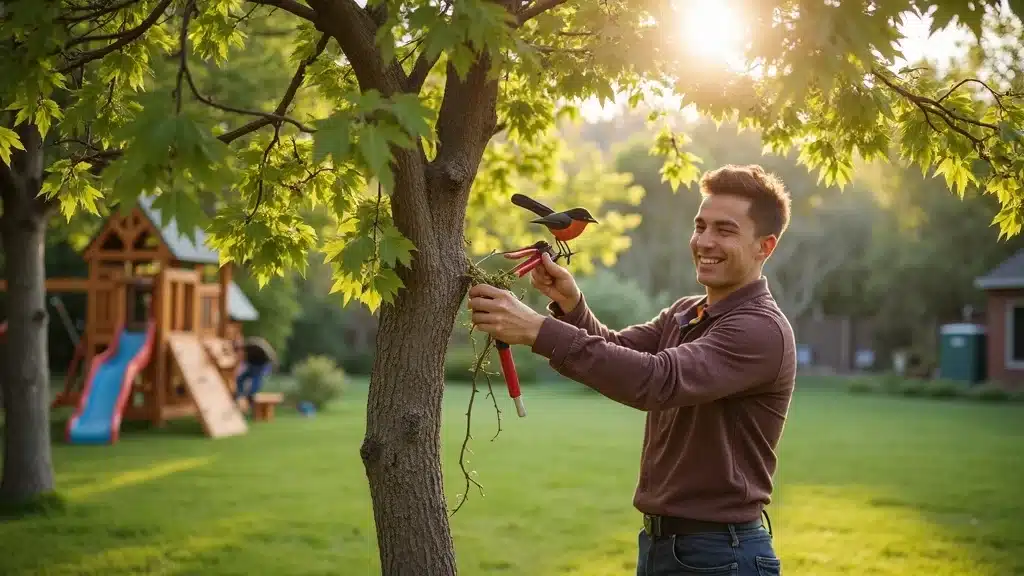
The best way to avoid sudden emergencies is proactive tree care. Consistent checkups by a certified arborist help detect root rot, subtle trunk damage, and canopy imbalance early, saving both time and costly emergency tree removal services later on. Simple steps like inspecting your trees after each storm, proper tree pruning, and dealing with minor removal services promptly (like taking out weak limb growth before it fails) are all practical measures. Maintaining trees safely is a long-term investment in your property’s beauty and your neighborhood’s safety. Remember—an ounce of prevention is worth a pound of expensive emergency work, especially in Denver’s urban climate.
By working closely with a certified Denver tree service, you also gain a partner for long-term landscape health, future-proofing against unpredictable weather and keeping your yard enjoyable for seasons to come.
Key Takeaways on When to Remove a Tree from Your Denver Property
- Recognize early warning signs needing removal services
- Consult professional tree removal services for safety and legality
- Understand permits and Denver regulations
Frequently Asked Questions About Tree Removal Services in Denver
- How can I find reputable tree removal services in Denver?
Always seek certified arborists or companies specializing in tree removal in Denver, and look for positive testimonials, proof of insurance, and experience with both emergency tree work and routine maintenance. - What should I do if my tree is entangled with power lines?
Never attempt removal yourself. Contact your utility provider first, then a professional tree service with power line experience to safely handle the situation. - When is emergency tree removal necessary?
Emergency services are essential when trees are at immediate risk of falling, have suffered severe storm/winter tree damage, or are threatening property and power lines. Act quickly and contact a certified Denver arborist.
Trust Denver CO Tree Services for Expert Tree Removal and Care
If you suspect a tree on your property may need removal, don’t wait until it becomes a hazard. For expert advice, emergency tree removal, and secure, legal tree care—Contact Denver CO Tree Services today for your free estimate and peace of mind.
Conclusion
Stay proactive: spot warning signs early and consult Denver’s professional tree services to keep your property safe, beautiful, and compliant.
Sources
- Denver Parks & Recreation – Tree Permit Info
- International Society of Arboriculture – Tree Care Best Practices
- Arbor Day Foundation – Tree Care Tips
- Tree Care Industry Association – When to Remove a Tree
- Denver CO Tree Services
When considering tree removal in Denver, it’s crucial to recognize the signs that indicate a tree may pose a risk to your property. The article “Tree Removal in Denver, CO Safe, Fast, and Done Right” by Arbor Care Tree Solutions outlines key indicators such as dead or brittle branches, significant trunk decay, and noticeable leaning, emphasizing the importance of professional assessment to determine the necessity of removal. (arborcaretreesolutions. com) Additionally, the “Approved Street Tree List for Denver’s Public Rights-of-way” provides guidelines on tree species suitable for planting and removal within the city’s public spaces, ensuring compliance with local regulations and promoting a healthy urban canopy. (denvergov. org) If you’re serious about maintaining the safety and aesthetics of your Denver property, these resources offer valuable insights into identifying hazardous trees and understanding the city’s tree management policies.