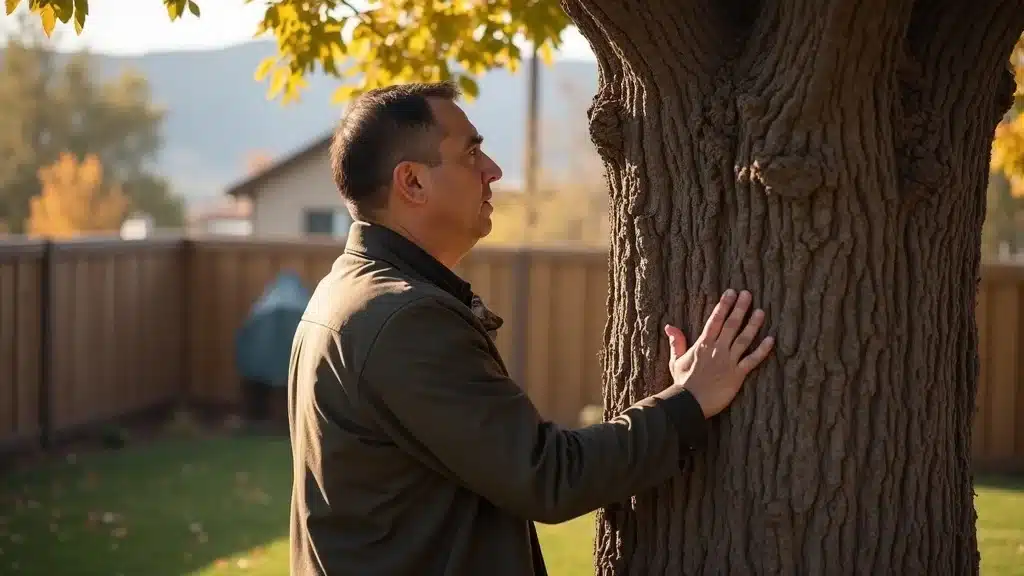
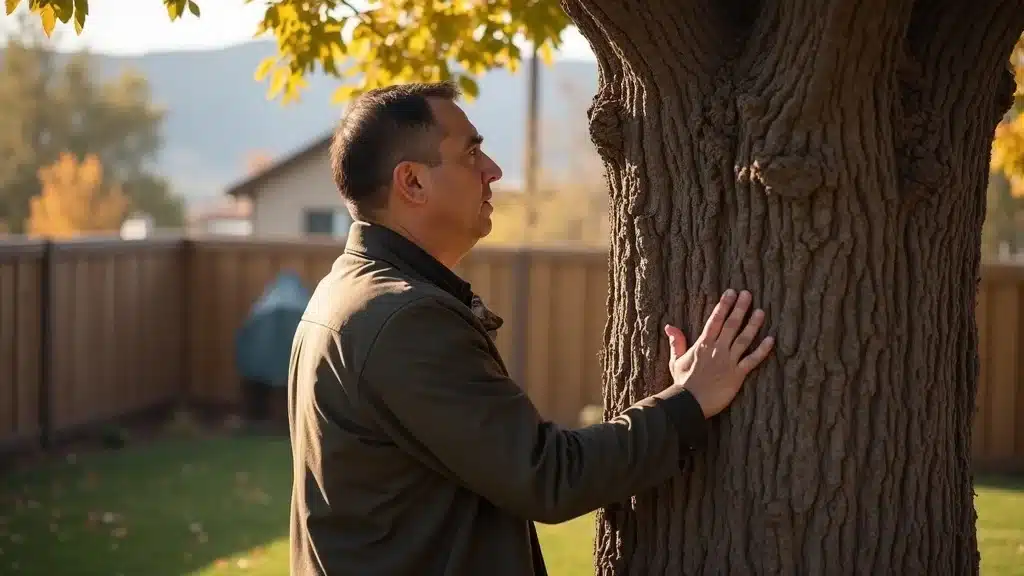
Is your favorite tree trying to tell you something? What if those yellowing leaves, random bark cracks, or sudden branch drops aren’t just a fluke, but signs of a sick tree desperately signaling for help? In Denver, where our climate can swing from sun-soaked to snow-laden in a week, it’s more important than ever to recognize these subtle distress signals and protect the health of your trees before minor issues turn into major headaches. Read on, and you’ll discover expert-backed ways to tell if your tree is sick in Denver—and what you can do about it.
Are You Wondering How to Tell if You Tree Is Sick in Denver? Key Questions to Consider
Opening Inquiry: Is Your Tree Sending Out Distress Signals?
Have you ever found yourself looking up at your favorite shade tree, wondering if something is wrong? Sometimes the smallest changes—a few curled leaves, an unexpected section of peeling bark, or a suspicious patch of fungus—can be early signs your tree is sick. As a homeowner in Denver, the ability to spot these “distress signals” can make all the difference for your landscape. Early action not only preserves your yard’s beauty but helps prevent the spread of tree disease to other plants nearby. If you’re uncertain about how to tell if you tree is sick in Denver, don’t worry—recognizing these signals is easier than you think with the right guidance.
Why Tree Health Matters in Denver’s Unique Climate
Denver’s climate is unlike anywhere else: high-altitude sun, sudden temperature swings, late spring frosts, and periods of drought can stress even the toughest trees. Add in local pests such as the mountain pine beetle and persistent tree diseases, and our urban forest faces unique risks. When a tree’s health declines here, it can quickly impact your property’s shade, curb appeal, and even safety. That’s why understanding the early warning signs is key to proactive tree care. Recognizing when your tree is sick isn’t just about aesthetics—it helps maintain value, sustainability, and the vibrant green canopy Denver is known for.
What You’ll Learn in This Guide to How to Tell if You Tree Is Sick in Denver
- How to recognize early signs of tree disease and distress
- Identification of common tree diseases in Denver
- Expert insights from certified Denver arborists
- Steps for addressing a sick tree
- The importance of professional tree service
Understanding Tree Health: How to Tell if You Tree Is Sick in Denver
Common Tree Diseases Affecting Tree Health in Denver
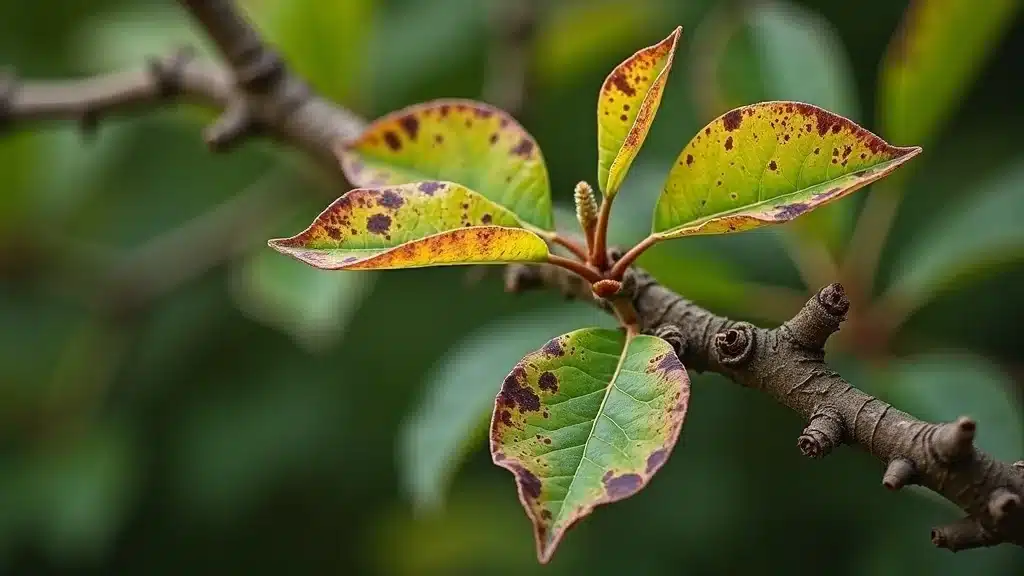
Denver is home to a huge variety of beautiful trees, from sturdy maples and stately elms to characteristic pines, all of which are vulnerable to a roster of tree diseases. Among the most common threats are Dutch Elm Disease, Elm Yellows, and the ever-dreaded Mountain Pine Beetle. Each of these illnesses can weaken the tree—not just on the surface, but deep in its core, affecting roots, bark, and even the flow of nutrients. When you’re thinking about how to tell if you tree is sick in Denver, look for patterns like patchy leaf color, abnormal growth, and visible signs of fungal activity on the bark or branches. Recognizing these early can make the difference between a thriving tree and a landscape in need of rescue. Left untreated, such diseases can spread rapidly across neighborhoods, making vigilant tree care essential for every owner.
How the Denver Climate Affects Trees and Promotes Tree Disease
Denver’s semi-arid climate presents tough conditions for trees, frequently causing stress through rapid weather changes, intense sunlight, seasonal droughts, and heavy snowfall. This environmental stress can weaken trees, leaving them more susceptible to diseases that affect trees in our region. Fungal infections thrive in the moist periods following snowmelt or rain, while pests like the pine beetle exploit trees already struggling from dehydration. Understanding this climate-tree disease relationship is critical for any Denver homeowner. When seeking to improve tree health, consider how local conditions interact with disease pressure, helping you better anticipate when to intervene and how to manage trees most effectively.
Signs of Distress: What May Be Wrong With My Tree?
Wondering “what’s wrong with my tree”? Remember that sick trees often give off subtle hints well before they fail completely. Some common signs of distress include drooping branches, yellowing leaves, unexplained limb dieback, and strange markings on the bark. You might also notice an unusual drop in leaves outside normal autumn cycles or witness sudden fungal growth. According to certified arborists in Denver, catching tree diseases early makes it much easier—and more affordable—to treat the problem and safeguard both the tree and lawn.
“Catching tree diseases early saves your landscape and prevents larger infestations,” says a Denver certified arborist.
Spotting Signs of a Sick Tree: How to Tell if You Tree Is Sick in Denver
- Wilting or discolored leaves
- Unusual leaf drop
- Cracks or lesions on bark
- Dead branches
- Fungal growth or odd spots
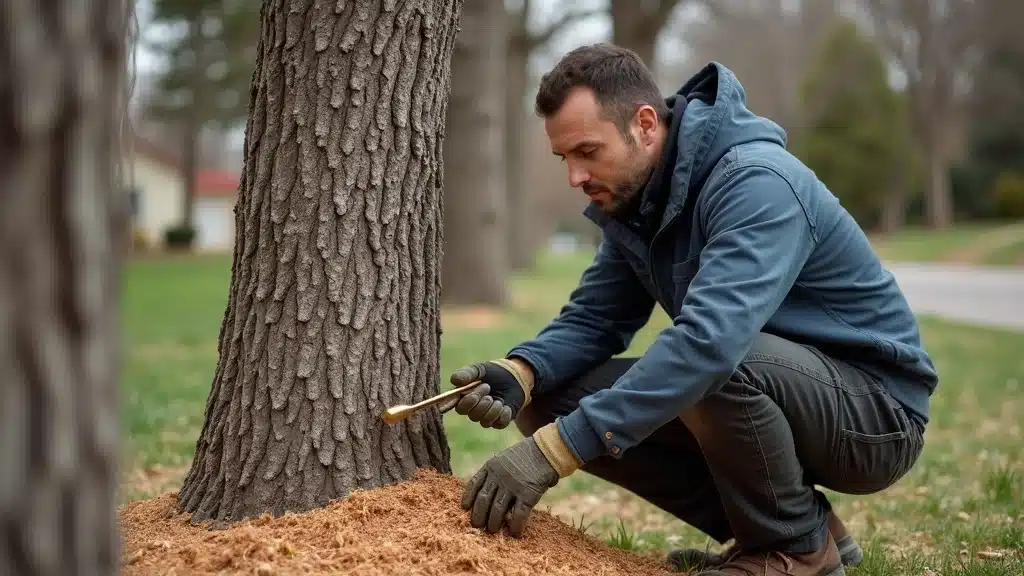
- Sawdust at tree base (indicative of pine beetle activity)
- Unusual changes in growth patterns
| Symptoms | Possible Causes |
|---|---|
| Wilting Leaves | Lack of water, root disease, pest infestation |
| Fungal Growth | Tree disease, high humidity, decay |
| Bark Cracks | Physical injury, dehydration, mountain pine beetle |
Overview of Common Tree Diseases in Denver
Dutch Elm Disease and Elm Disease
Dutch elm disease is infamous throughout the U. S. —and Denver is not immune. This devastating tree disease, caused by a fungus spread by elm bark beetles, blocks water flow in a tree’s vascular system, leading to sudden yellowing leaves and wilting. Elm disease symptoms may appear as browning and curling of leaves, dieback of branches, and a progressive decline in canopy health. In many cases, infected elm trees must be removed to stop the spread since the disease can move quickly among neighboring trees. Regular inspection and early intervention by a certified arborist are critical, especially in neighborhoods where historical elms make up much of the urban canopy.
Mountain Pine Beetle and Pine Beetle Infestations
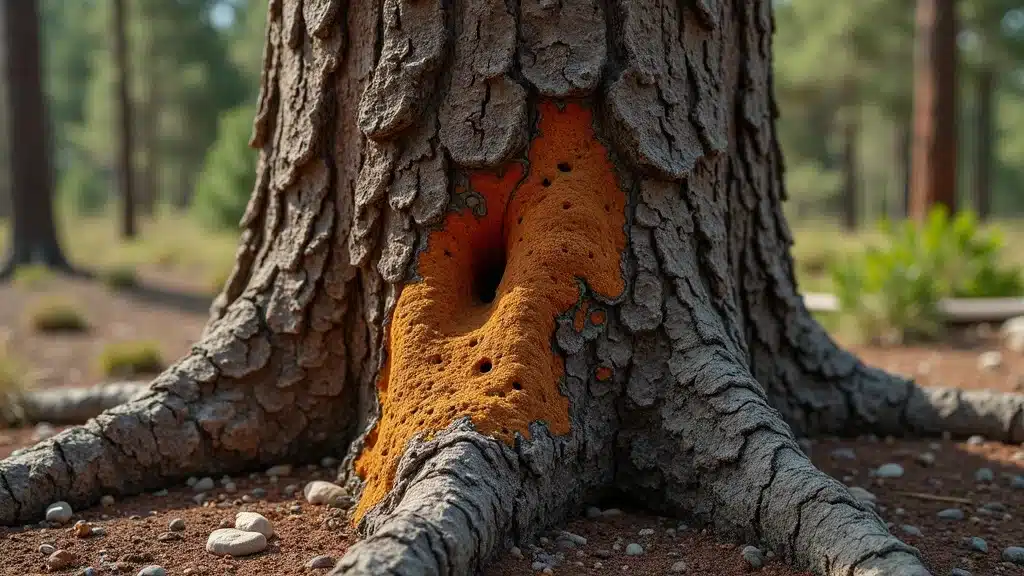
The mountain pine beetle is a serious threat to Colorado’s iconic pines. These pests bore small holes in tree bark to lay eggs—and as the larvae tunnel through, they interrupt vital nutrient pathways, causing whole sections of the tree to die off. Signs of infestation include pitch tubes (small, sticky, resin masses on bark), sawdust at the tree’s base, and patches of fading or yellow-brown needles. If you think you might have pine beetle activity, quick action is your best line of defense. Trees left untreated risk spreading the beetle to others nearby—a major concern along the Front Range and in Denver’s forested neighborhoods.
Other Common Tree Problems in Denver
Beyond Dutch elm and mountain pine beetle, Denver homeowners must stay vigilant for a range of other issues. Fire blight, a bacterial tree disease, affects pear, apple, and crabapple trees—displaying “shepherd’s crook” foliage and dark, sunken cankers. Anthracnose and powdery mildew are other common diseases that affect trees in moist conditions, causing leaf spots, wilting, or white fuzz on leaves. Physical stress from hail, wind, and improper pruning can also weaken the tree, opening the door for pests and diseases to take hold. A combination of proper tree care and quick response to unusual symptoms is vital for preventing widespread landscape loss.
How Tree Diseases Affect Trees Over Time
When left unchecked, tree diseases can slowly—but relentlessly—affect trees over a period of months or even years. Early stage symptoms may go unnoticed, only to accelerate as the disease interferes with water and nutrient flow. Gradually, you’ll see more limbs die back, increased vulnerability to wind, and ultimately, total tree failure. Many diseases start small, but spread quickly under Denver’s stressful climate conditions. Timely diagnosis and intervention by certified arborists prevent these subtle issues from becoming costly removals—protecting both your property and the broader ecosystem.
When to Call a Certified Arborist: Caring for a Sick Tree
The Role of a Certified Arborist in Tree Disease Diagnosis
Certified arborists are your neighborhood’s first line of defense against tree disease. These professionals have deep training in identifying the many signs of sick trees—from subtle leaf drop to advanced bark damage—and understanding how the Denver climate and local pests influence tree health. When you call a certified arborist, you gain access to expert tools and tree disease knowledge that can pinpoint the exact issue quickly. And because certified arborists follow best practices for tree care, they can design a targeted treatment plan that maximizes your tree’s recovery and long-term survival, all while ensuring the health and appearance of your landscape.
How a Tree Service Can Help Treating Tree Diseases
A reputable tree service in Denver brings a combination of experience, equipment, and local know-how to treating tree diseases. Services often include a full assessment, pest and disease treatment strategies (such as targeted pruning or soil injections), and ongoing monitoring for signs of recovery. If pest infestation like pine beetle is found, a tree service can recommend whether treatment or removal is the best option. Remember, treating tree disease is about more than applying chemicals—it’s a blend of quick assessment, proper timing, and sustainable tree care techniques unique to Denver’s environment.
Free Estimate: What to Expect from a Professional Assessment
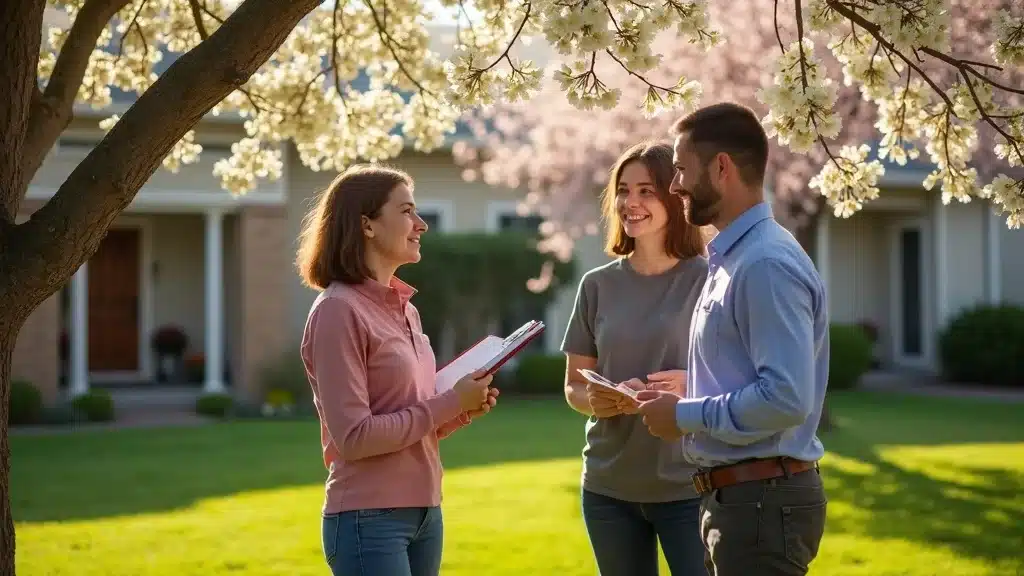
If you’re worried about the cost or process, many Denver tree services offer a free estimate and consultation. During this first visit, a certified arborist or tree health expert will evaluate your tree’s symptoms, investigate possible causes, and outline step-by-step recommendations for care or removal if necessary. This gives you clear, actionable advice—without surprise fees—so you can make the best decision for your property. Expect transparency, detailed explanations, and plenty of time to ask questions about your options. Don’t wait until “what’s wrong with my tree?” becomes an emergency—proactive advice from a professional can save time, money, and neighborhood trees.
FAQs on How to Tell if You Tree Is Sick in Denver
Can a Sick Tree Be Saved?
In many cases, yes—a sick tree can be saved if problems are detected early and the right treatment plan is put in place. Quick action from a certified arborist can address root diseases, pest infestations, or nutrition issues, often restoring tree health before the damage spreads. However, some advanced tree diseases may require removal to protect other common trees nearby. Don’t delay: if you notice odd symptoms, schedule a professional assessment to give your tree the best chance at recovery.
Do Trees Help Other Sick Trees?
Trees in healthy environments can sometimes support nearby stressed trees by sharing resources like water and nutrients through interconnected root systems, particularly in forest settings. However, diseased trees may need to be isolated to prevent spreading tree disease to others. In Denver’s urban landscapes, proactive tree care and timely removal of advanced sick trees is often the best way to protect your overall canopy.
What is the 3 30 300 Rule for Trees?
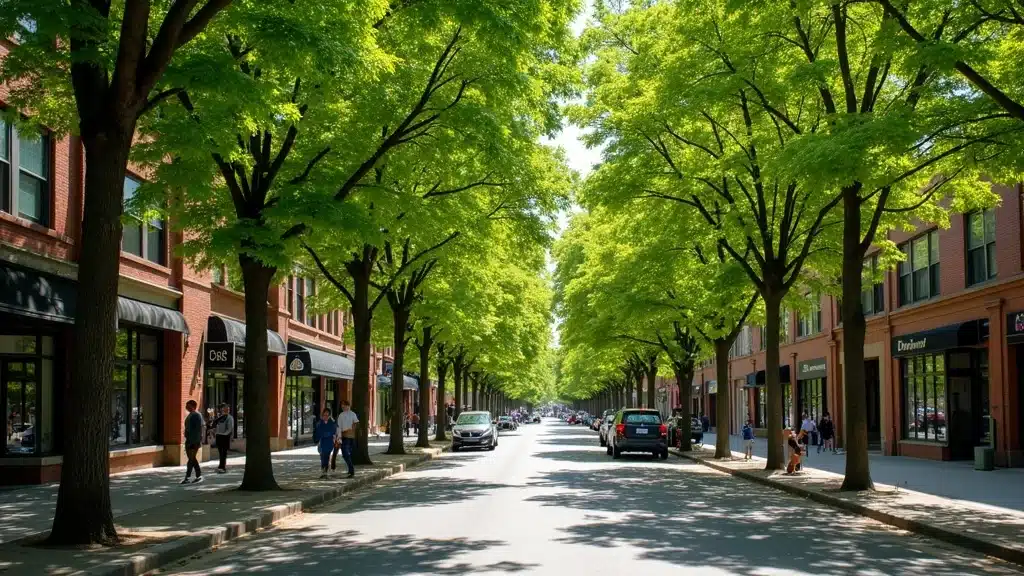
This popular urban forestry guideline suggests that every resident should be able to see three trees from their home, live in a neighborhood with at least 30% tree canopy, and be within 300 meters of a large park or natural green space. Applying the 3 30 300 rule in Denver helps foster healthier, more resilient communities—but relies on regular tree health awareness and care, so sick trees don’t diminish your local green space.
What Diseases Do Trees Get in Colorado?
Trees in Colorado—including those in Denver—face threats such as Dutch elm disease, fire blight, powdery mildew, anthracnose, and pine beetle infestations. Each of these diseases shows distinct symptoms and can affect trees severely if left untreated. Identifying and treating tree diseases early is the best approach for maintaining landscape health and long-lived tree canopies in the Mile High City.
People Also Ask: How to Tell if You Tree Is Sick in Denver
What is the 3 30 300 rule for trees?
Answer:
The 3 30 300 rule is an urban forestry principle that says everyone should be able to see three trees from their residence, live in an area with at least 30% tree canopy coverage, and be within 300 meters (about 984 feet) of the nearest park or green space. Following this rule in Denver supports community well-being, combats heat, and fosters robust, healthy tree populations—making knowledge of how to tell if your tree is sick crucial for sustaining these urban forests.
What diseases do trees get in Colorado?
Answer:
Colorado trees are at risk for a variety of diseases, including Dutch elm disease, elm yellows, fire blight, anthracnose, powdery mildew, and pest issues such as mountain pine beetle infestations. Tree health can quickly decline if these diseases are left untreated, especially when paired with Denver’s variable weather and environmental stresses.
Can a sick tree be saved?
Answer:
Often, sick trees can be revitalized with timely intervention. Treatment success depends on catching symptoms early and contacting a certified arborist for a thorough diagnosis. Don’t ignore warning signs—quick assessment and specialized care can make the difference between recovery and losing the tree entirely.
Do trees help other sick trees?
Answer:
To some degree, healthy trees in forested areas can share resources with struggling neighbors, but when trees are sick—especially with infectious diseases—it’s best to treat or remove them promptly. In Denver’s landscapes, isolation and professional care protect surrounding trees from shared pests and diseases.
Expert Tips and Key Takeaways on How to Tell if You Tree Is Sick in Denver
- Regularly inspect your trees for early warning signs
- Consult a certified arborist when in doubt
- Recognize that Denver’s environment can accelerate some tree diseases
- Take action quickly to prevent the spread among common trees
Protecting Your Landscape: Final Thoughts on How to Tell if You Tree Is Sick in Denver
“Healthy trees are the backbone of Denver’s neighborhoods—early intervention keeps them thriving for generations.”
- Know the signs of a sick tree
- Use professional tree services for proper diagnosis and care
- Keep your landscape beautiful and safe
Ready to Safeguard Your Trees? Trust the Leading Denver CO Tree Services
Schedule a Consultation with a Denver Tree Specialist Today – Visit Colorado Tree Service Pros
The key to protecting your home and neighborhood starts with one simple step: recognizing when your tree needs help. For fast, friendly expert assessment—and reliable solutions for everything from pine beetle infestations to Dutch elm disease—trust your tree health to certified Denver arborists. Contact us today at Denver CO Tree Services to schedule your free estimate and protect the green canopy that makes our city unique!
Sources
- Colorado Tree Service Pros – https://www.coloradotreeservicepros.com/tree-service-for-denver-co/
- Colorado State Forest Service – Tree Diseases and Pests – https://csfs.colostate.edu/colorado-trees/tree-diseases-and-pests/
- City of Denver Forestry – Tree Resources – https://www.denvergov.org/Government/Agencies-Departments-Offices/Agencies-Departments-Offices-Directory/Forestry/Tree-Resources
- PlantTalk Colorado – Common Tree Diseases – https://planttalk.colostate.edu/topics/weeds-cultural-problems/2111-common-tree-diseases/
To enhance your understanding of identifying and addressing sick trees in Denver, consider exploring the following resources: “Tree Pests and Diseases”: This page provides detailed information on various pests and diseases affecting Denver’s urban forest, including signs to watch for and management strategies. (denvergov. org) “General Tree Care”: This resource offers comprehensive guidelines on maintaining tree health in Denver’s unique climate, covering topics such as watering practices, soil management, and recognizing early signs of distress. (denvergov. org) By consulting these resources, you can gain valuable insights into maintaining the health of your trees and effectively addressing potential issues.