
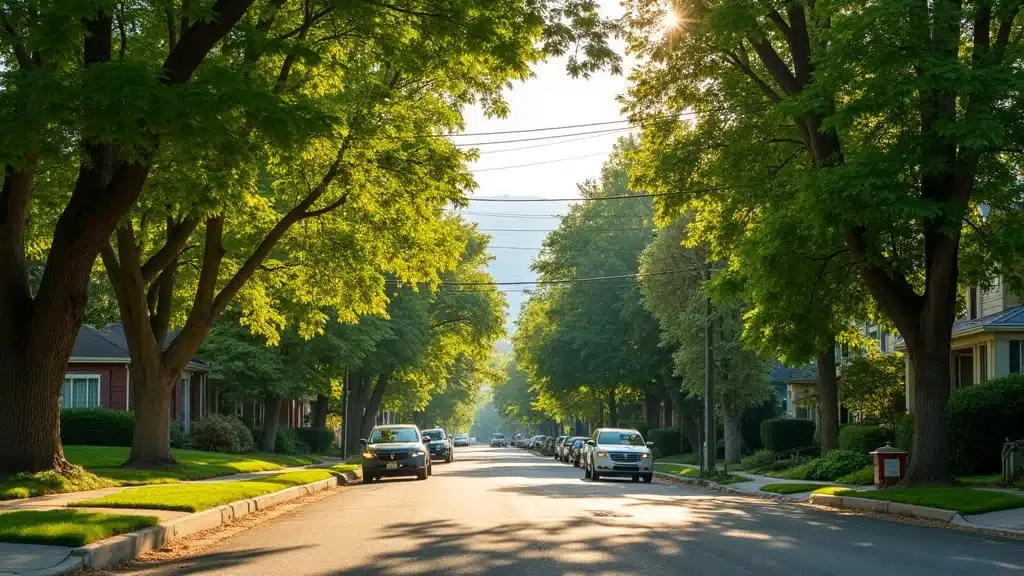
Did you realize that thousands of Denver’s mature trees are in grave jeopardy—often because of one surprisingly preventable issue? If you own property in Denver, ignoring this threat could result in losing precious shade, beauty, and even value from your landscape. In this article, you’ll discover what’s threatening your trees right now, how to identify the warning signs, and what you can do to protect the trees you love and rely upon.
A Startling Look at the Most Common Threat to Denver CO Trees
“Did you know that over half of Denver’s mature trees are at elevated risk due to a single, preventable threat?” – Local Arborist
Denver’s urban trees face a serious battle with the most common threat to Denver CO trees: a perfect storm of aggressive tree diseases and persistent pests like emerald ash borer and bark beetles. These threats silently attack both native and ornamental trees, transforming once-healthy neighborhoods into landscapes peppered with dying or dead trees. If you’ve noticed yellowing, wilting, or bark damage on your ash trees, elms, or pines, you’re witnessing the front lines of this struggle.
Early detection and fast action are critical. While these diseases and insects can seem invisible at first, their effects build quickly: one unnoticed infestation or bacteria can spread through a block, city park, or even vast stretches of forest. Fortunately, with the right information and consistent care, Denver property owners can protect their investment, shade, and community legacy for decades to come. Let’s break down the risks and the most effective ways to fight back.
What You’ll Learn About the Most Common Threat to Denver CO Trees
- Key tree disease and tree diseases affecting Denver’s urban canopy
- Emerging threats from local pests such as bark beetle and emerald ash borer
- Preventative care for healthy trees
- How to identify symptoms of tree disease and invasive insects
- Actionable steps for Denver property owners
Denver’s Urban Canopy: Why Understanding the Most Common Threat to Denver CO Trees Matters
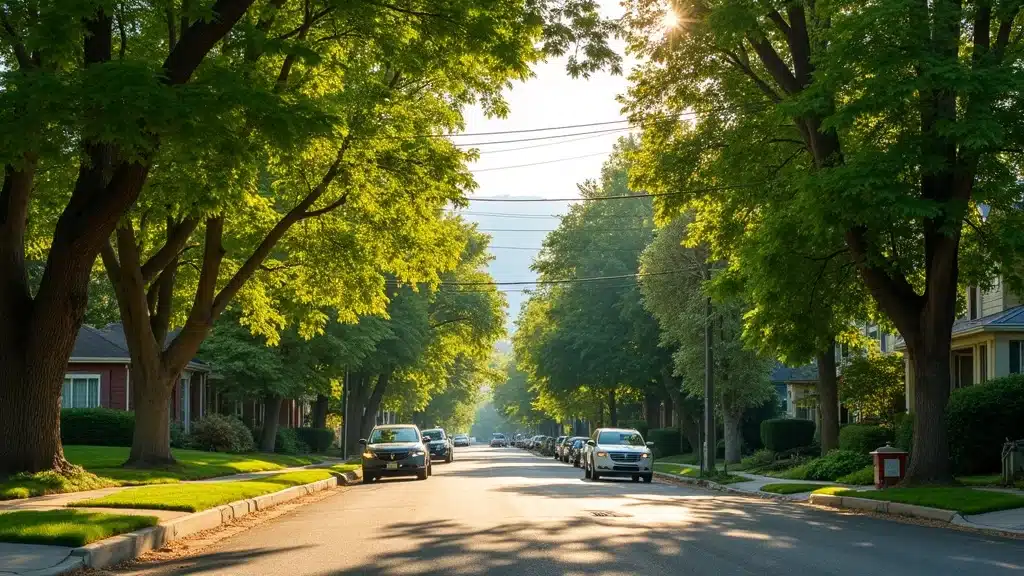
The Front Range Ecosystem and Its Unique Tree Diseases
Denver is nestled along the Front Range—where plains meet mountains—and this unique geographic mix fosters a diverse range of tree species, from sturdy native cottonwoods to graceful ash and resilient conifers. Yet, the same climate that allows so many species to flourish also makes local trees vulnerable to specialized tree disease and insect invaders. These include bacterial and fungal disease such as fire blight, Dutch elm disease, and the notorious emerald ash borer that target city trees with deadly efficiency.
The fluctuating weather patterns, frequent droughts, and rapid temperature changes also put stress on trees, making them more susceptible to disease. The Front Range’s interconnected parks, greenbelts, and backyard forests provide pests and pathogens with a network to spread rapidly unless property owners and arborists work together to slow the cycle.
Why Healthy Trees Are Vital for Denver CO’s Environment
Healthy trees do much more than beautify streets—they serve as living shields against air pollution, extreme weather, and the urban heat island effect. Shade from robust tree canopies lowers cooling bills in summer, and their deep roots prevent soil erosion and filter water naturally for the city and the South Platte River. Urban trees in Denver combat climate change by capturing carbon. When they succumb to disease or insect threats, neighborhoods can lose critical ecosystem services, compounded by increased replacement costs and time to maturity for new plantings.
Without proactive management of the most common threat to Denver CO trees, communities could see fewer healthy trees, decreased air quality, lost property value, and higher utility bills—making effective tree disease prevention everyone’s responsibility.
Overview: Why Protecting Denver CO Trees Matters (1)
(Embed video for “Overview: Why Protecting Denver CO Trees Matters”)
Tree Diseases: Identifying the Most Common Threat to Denver CO Trees
The Most Prevalent Tree Disease in Denver
- Dutch elm disease
- Fire blight
- Other common tree diseases
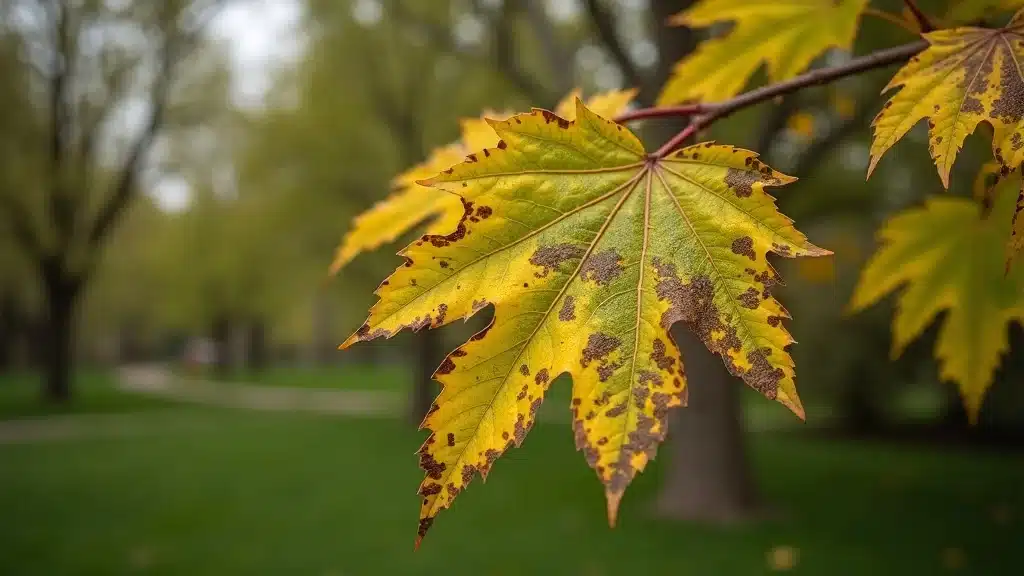
The most persistent tree diseases affecting Denver include Dutch elm disease, fire blight, and a host of fungal threats. Dutch elm disease is a fungal invader carried by bark beetles that can wipe out mature elms within a single growing season. Likewise, fire blight, a bacterial disease, devastates fruit trees and can jump to other susceptible hosts when left untreated. Each of these tree diseases spreads rapidly and subtly, often showing signs only after the infection is well established. Yellowing leaves, premature wilting, and cankers are common, but easy to overlook in the bustle of city life.
Homeowners and city managers must regularly inspect not only their elms, but also ash trees, oaks, and fruiting species, as these can harbor or transmit disease to healthy neighbors. Changes in leaf color or texture, the presence of sticky sap, or the sudden decline of a previously healthy tree are urgent signals for action. Early professional intervention offers the best chance for recovery and stopping the spread, highlighting why these infections remain the most common threat to Denver CO trees.
Ash Tree and Elm Disease: Signs and Symptoms
Ash trees and elms are iconic in Denver, but both are highly vulnerable—elms to Dutch elm disease and ashes to the emerald ash borer. Symptoms can start small: in elms, look for wilting, brown streaks in sapwood, and gradual canopy loss. With ash trees, key warning signs include D-shaped exit holes in bark, extensive dead branches in the crown, and a thinning canopy. If you spot these, act quickly—these classic symptoms mean disease or insects have taken hold.
Ash borer impacts become visible as bark splits, dieback, and small patches of leaf loss. Both elm disease and ash borer infestations are easier to manage when caught early. Proper identification is essential for choosing the right fungicide, pruning technique, or even removal strategy to protect other trees in the landscape.
How Tree Diseases Spreads Across Urban Landscapes
Tree diseases can move through Denver neighborhoods at astonishing speed. Many are spread by windblown spores, splashing water, or even the gardening tools of well-meaning residents. Bark beetles—especially the elm bark beetle—can ferry Dutch elm disease from tree to tree as they burrow beneath bark. Bacterial diseases such as fire blight can quickly infect entire rows of fruit trees or susceptible ornamentals after storms or unintentional pruning.
Because so many city trees are planted closely together along streets and in parks, a single infection can turn into a multi-block disaster if not quickly controlled. This urban connectivity means property owners play a vital role in preventing the spread: regular inspections, prompt removal of infected wood, and strict tool sanitation help limit outbreaks. When in doubt, always consult a certified arborist who knows the patterns and prevention strategies for tree diseases in the Denver region.
Insects and Diseases: A Closer Look at Bugs Threatening Denver CO Trees
Bark Beetle Infestations: The Bark Beetle’s Impact on Denver CO Trees
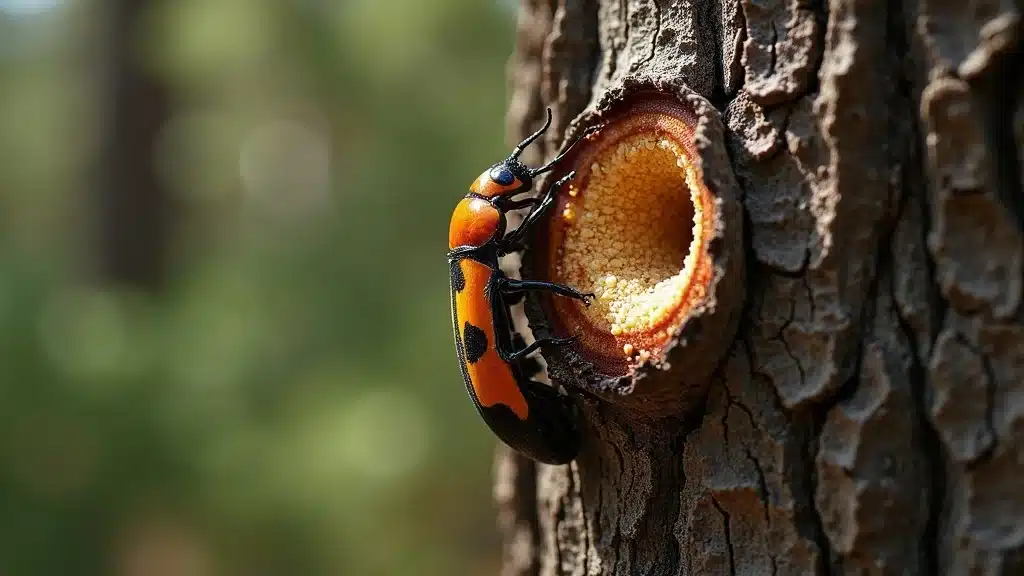
Bark beetles are notorious for devastating pine and spruce trees across Colorado, including urban and suburban Denver communities. These tiny invaders bore into the bark of susceptible trees, laying eggs and introducing blue-stain fungi that ultimately choke off the tree’s nutrient pathways. The tell-tale signs—tiny round holes, sawdust at the base, and oozing pitch tubes—may appear benign, but signal a major threat to tree health.
Once a bark beetle population takes hold, they can overwhelm even healthy trees, especially during drought. Urban infestations are worsened by closely spaced trees, offering easy corridors for movement. Healthy tree maintenance and proactive monitoring for early beetle signs can help preserve Denver’s tree canopy and prevent large-scale die-offs seen elsewhere in Colorado.
Emerald Ash Borer and Ash Borer: The Destruction of Ash Trees
The emerald ash borer (EAB) is perhaps the most dreaded threat to Denver’s beloved ash trees. This metallic green beetle arrived in North America roughly two decades ago and has decimated millions of ash trees. Signs of infestation include thinning foliage, branch dieback, and the characteristic D-shaped exit holes in the bark. The ash borer’s larvae tunnel beneath the bark, interrupting nutrient flow and essentially starving the tree.
Homeowners are urged to watch for early symptoms on their ash trees—such as vertical bark splits, epicormic shoots, and increased woodpecker activity. Left unchecked, the emerald ash borer can destroy mature trees within a few years, altering the character of entire streets and parks. Aggressive professional intervention and preemptive tree injections can slow EAB’s advance—making community-wide action a must.
Mountain Pine Beetle: What is Killing the Pine Trees in Colorado?
The mountain pine beetle is the primary culprit behind vast swaths of dead and dying pines, both in Colorado forests and now increasingly in urban settings like Denver and Colorado Springs. These beetles burrow under bark, leaving pin-sized holes and spreading blue-stain fungus, which disrupts water and nutrient uptake. The first symptoms are yellowing or rusty-needle discoloration, quickly followed by entire tree decline.
Warmer winters and prolonged drought have supercharged their populations, making early detection especially critical. Removing beetle-infested trees, regularly thinning vulnerable pine stands, and choosing healthy tree varieties for replanting are the best tools for Denver property owners battling this relentless pest.
The Role of Invasive Tree Species in Denver CO
What Trees Are Invasive in Colorado?
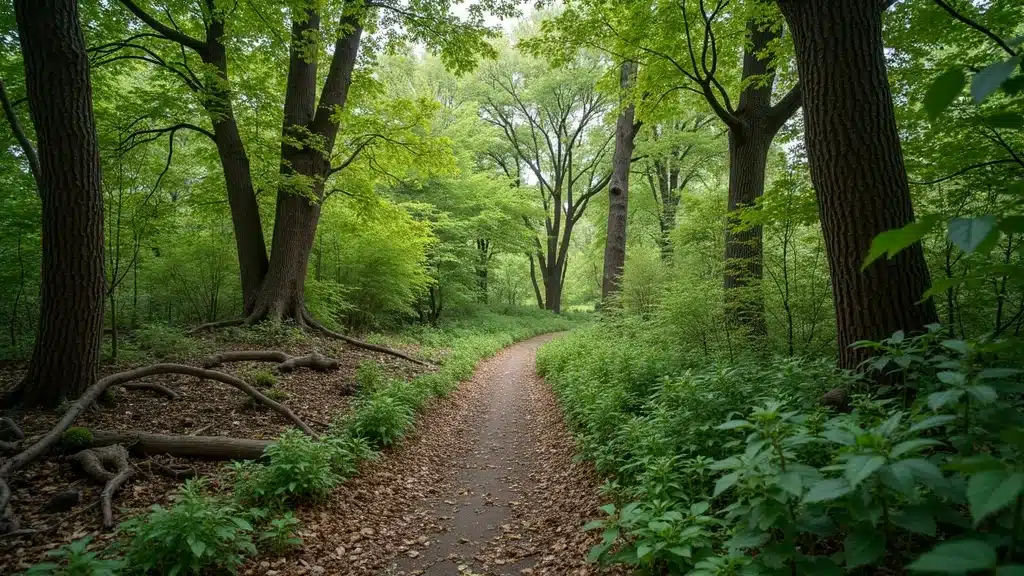
Invasive tree species in Colorado present an often-overlooked danger to the native and ornamental trees that make up Denver’s landscape. Notable invaders include the Siberian elm, Russian olive, and tree-of-heaven. These species out-compete locals like cottonwoods and oaks for water, sunlight, and nutrients, making native trees more susceptible to disease by stressing them further.
Invasive species also disrupt the local ecosystem—pushing out beneficial insects, birds, and undergrowth, which play vital roles in keeping tree diseases and pest populations in check. Identifying invasive trees and limiting their spread is crucial for protecting the trees health of the urban canopy, ensuring Denver’s public and private landscapes remain resilient and diverse.
Impact of Invasive Trees & Best Practices for Native Species Protection
Unchecked, invasive trees form dense thickets that suppress young native growth, weaken tree resilience, and create tangled habitats ideal for pests and fungi. For property owners, the best strategy is to replace invasive trees with native or regionally adapted choices and support community initiatives that promote biodiversity.
Regular monitoring, prompt removal of young invasive seedlings, and consulting with a certified arborist can prevent the establishment of new invasive populations. Community-wide planting of disease-resistant, native trees rebalances the local ecosystem and limits the spread of the most common threat to Denver CO trees.
| Tree Type | Primary Threat | Typical Signs | Recommended Actions |
|---|---|---|---|
| Ash Trees | Emerald Ash Borer (ash borer) | Wilting leaves, canopy dieback, D-shaped exit holes, epicormic shoots | Early detection, trunk injections, professional consultation, removal and replacement with non-susceptible trees |
| Elm Trees | Dutch Elm Disease | Brown streaks in sapwood, wilting branches, canopy thinning | Remove infected limbs, sanitize tools, inject fungicide, prompt removal if severely infected |
| Pine Trees | Bark Beetles/Mountain Pine Beetle | Small round holes, blue-stain fungus, browning needles | Monitor for infestation, remove dead trees, thin stands, plant resistant varieties |
| Fruit Trees | Fire Blight | Oozing cankers, blackened twigs (“shepherd’s crook”), blossom death | Prune affected parts, disinfect tools, apply appropriate bactericide |
| Various | Invasive Tree Species | Dense thickets, rapid spread, crowding out native species | Remove invasives, plant natives, support ecological restoration |
Preventing the Most Common Threat to Denver CO Trees: Practical Steps
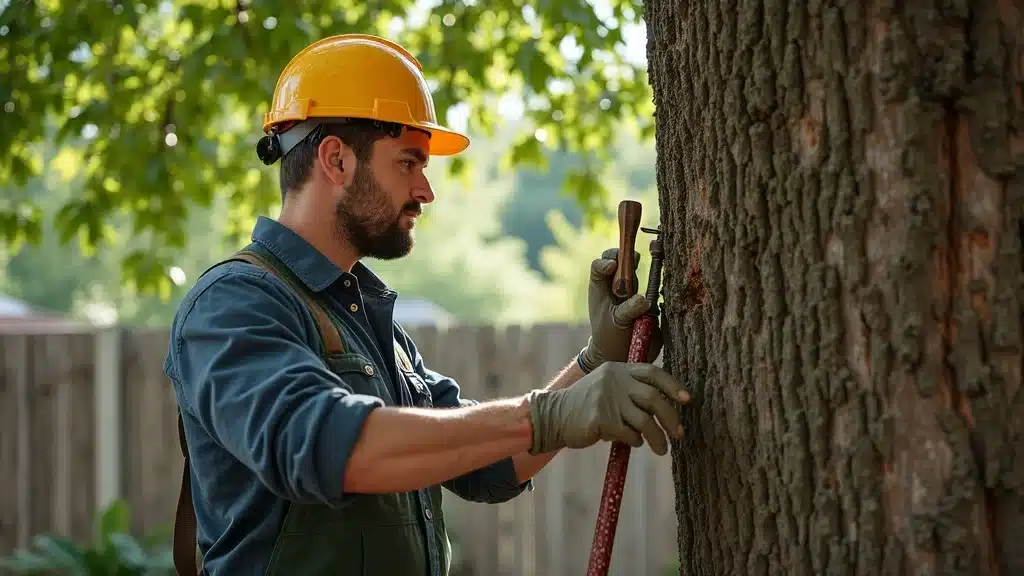
Monitoring for Early Signs of Tree Disease and Bark Beetle Presence
Early detection is the linchpin of protecting your landscape. Conduct regular visual checks for leaf discoloration, wilting, cankers, and unusual bark damage—especially on ash, elm, pine, and fruit trees. For bark beetle infestations, seek out telltale bore holes and resin clogging the bark. Walk around your property monthly, noting any sudden changes in tree health or new insect activity.
If you identify warning signs—such as exit holes, dead branches, or sticky oozing sap—immediately limit potential spread by removing affected material and cleaning your gardening tools with bleach or alcohol. Many tree diseases and insect pests act fast, so waiting until damage is widespread may mean losing the tree. Incorporate consistent checks as part of your property’s seasonal routine to keep your trees healthy year-round.
Professional Tree Care: When to Call a Denver CO Arborist
Some symptoms may be subtle or confusing, but a certified arborist can offer swift, expert guidance. Seek help when you spot multiple declining trees, large dead limbs, or signs of aggressive pests like emerald ash borer or mountain pine beetles. Arborists are trained to diagnose tree species, diseases, and insect threats, and recommend evidence-based treatments like targeted pesticide applications, trunk injections, or strategic pruning.
If you’re considering tree removal, replanting, or making significant changes to your landscaping, a professional can help you select disease-resistant, regionally appropriate trees that promote long-term resilience. Proactive consultation with a local expert can often save not just individual trees, but entire canopies and neighborhoods.
Maintaining Healthy Trees: Watering, Pruning, and Soil Care
Prevention starts with supporting robust tree health. Provide deep, slow watering during dry periods—especially the Front Range’s frequent late summer droughts. Prune trees during dormant seasons to prevent disease spread and remove weak or crossing branches. Use mulch to retain soil moisture and insulate roots, but always leave a gap near the trunk to prevent rot.
Conduct periodic soil tests for nutrient deficiencies, and amend accordingly to help trees withstand environmental stress and resist disease. Choose only high-quality compost and avoid over-fertilizing, which can attract pests. These basic habits are simple but incredibly effective at keeping trees healthy and resistant to the most common threat to Denver CO trees.
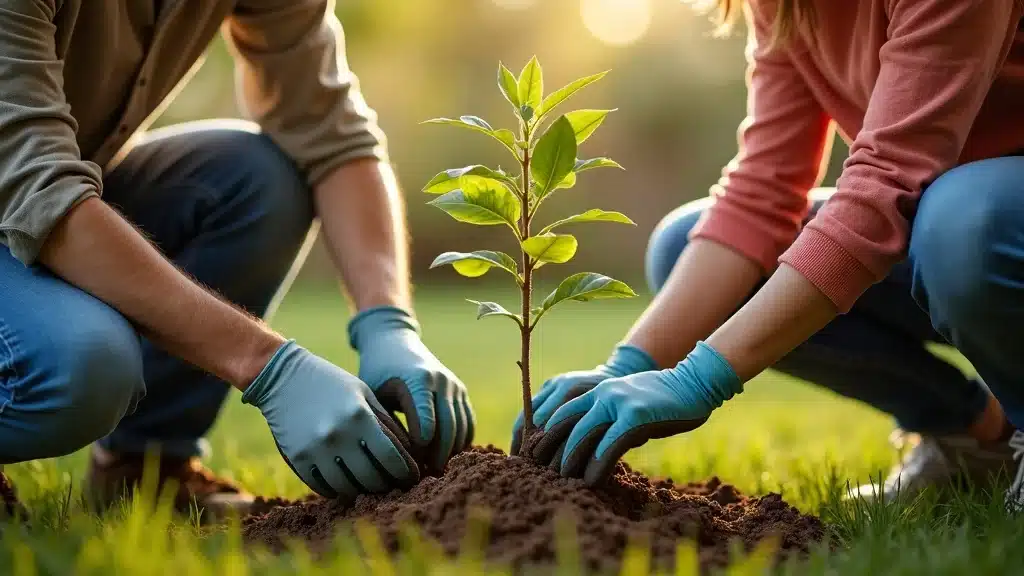
Community Action: Working Together to Fight Tree Diseases and Invasive Insects
The fight against tree diseases and invasive insects is most effective when the entire neighborhood joins forces. Sharing information about pests, coordinating yard inspections, and reporting outbreaks to city arborists helps everyone respond quickly. Participate in community tree-planting drives, volunteer for removal of invasive species, or join a neighborhood watch for tree health by staying connected with your local parks department or urban forestry initiatives.
Neighborhood engagement also increases funding and awareness for public tree maintenance, sanitary pruning, and urban forest management in Denver. Always follow best practices, advocate for native species, and encourage friends and neighbors to prioritize early intervention because, “An early detection routine can mean the difference between losing an ash tree to emerald ash borer, or preserving your green legacy for another generation. ” – Certified Arborist, Denver CO
- Checklist: Signs your tree may need expert attention
- Sudden leaf yellowing, wilting, or dieback
- Unusual bark damage (holes, splits, sticky sap)
- Unexplained dead or dropping limbs
- Rapidly spreading discoloration or fungus
- Presence of visible insects or sawdust at the tree base
- Recommended prevention strategies for Denver homeowners
- Inspect trees monthly and after storms
- Sanitize all pruning tools between trees
- Plant native and disease-resistant tree species
- Consult with certified arborists for professional support
- Engage in community vigilance and action groups
FAQs on the Most Common Threat to Denver CO Trees
What bug is killing the trees in Colorado?
The principal insects killing trees in Colorado are the emerald ash borer, bark beetle (including the mountain pine beetle), and various other species such as the Ips beetle. Emerald ash borer targets ash trees, leaving D-shaped holes and canopy thinning, while bark beetles attack pines and spruces, boring into bark and introducing fungi that ultimately kill the tree. Early identification and intervention are crucial for control.
What trees are invasive in Colorado?
In Colorado, the most common invasive trees include Siberian elm, Russian olive, and tree-of-heaven. These species outcompete native trees, consume excess water, and create dense thickets that affect the health and diversity of local ecosystems. Removing invasive trees and replanting with natives or disease-resistant varieties helps protect the state’s tree populations.
What are some threats to trees?
Trees are threatened by a combination of factors, including fungal and bacterial tree diseases like Dutch elm disease and fire blight, invasive insect pests such as emerald ash borer and bark beetles, environmental stresses like drought, improper watering, and invasive tree species. Vigilant care and prompt expert intervention can mitigate many of these threats and keep trees healthy.
What is killing the pine trees in Colorado?
The main culprit killing pine trees in Colorado is the mountain pine beetle, a bark beetle species that bores into tree trunks and spreads blue-stain fungus. This dual threat quickly leads to widespread pine mortality, both in forests and urban landscapes. Aggressive monitoring, removal of infested trees, and planting resistant pine varieties are the best defense.
Key Takeaways: Most Common Threat to Denver CO Trees
- Tree diseases and invasive insects such as emerald ash borer are urgent threats
- Early intervention and professional advice are critical
- Community efforts and ongoing tree maintenance boost resilience
Protect Your Property: Connect with Denver CO Tree Services
Take Action Now Against the Most Common Threat to Denver CO Trees
- Contact a certified arborist for a thorough tree health evaluation
- Explore Denver CO Tree Services for professional solutions: https://www.coloradotreeservicepros.com/tree-service-for-denver-co/
Protect your trees before threats strike—early care, expert help, and community vigilance are your strongest defense against Denver’s most common tree dangers.
Sources
- Denver Parks & Recreation, Urban Forestry – https://www.denvergov.org/Government/Departments/Parks-Recreation/Forestry
- Colorado State University Extension – https://extension.colostate.edu/topic-areas/yard-garden/common-problems-of-ash-trees-2-954/
- USDA Emerald Ash Borer Fact Sheet – https://www.fs.usda.gov/rmrs/emerald-ash-borer-fact-sheet
- PlantTalk Colorado: Dutch Elm Disease – https://planttalk.colostate.edu/topics/insects-diseases/1403-dutch-elm-disease/
- Denver Urban Forest Initiative – https://denverurbanforest.org/invasive-trees-in-colorado
Denver’s urban forest faces significant threats from invasive pests and diseases, notably the emerald ash borer (EAB) and Dutch elm disease. The EAB, first detected in Denver in June 2025, poses a severe risk to the city’s ash trees, which constitute approximately 15% of the urban canopy. This invasive beetle’s larvae tunnel beneath the bark, disrupting the tree’s nutrient flow and often leading to death within a few years. (westword. com) Similarly, Dutch elm disease has been a persistent issue, affecting the city’s elm population. This fungal disease, spread by elm bark beetles, can rapidly kill mature elms, transforming once-healthy neighborhoods into landscapes peppered with dying or dead trees. (denvergov. org) To combat these threats, the City of Denver has been proactive in monitoring and managing tree health. Residents are encouraged to stay vigilant for signs of infestation or disease, such as canopy dieback, wilting leaves, or unusual bark damage. Early detection and prompt action are crucial in preserving Denver’s urban canopy. (denvergov. org) For more detailed information on tree pests and diseases in Denver, you can refer to the City and County of Denver’s official page on Tree Pests and Diseases. (denvergov. org) Additionally, the Colorado State Forest Service provides comprehensive resources on the emerald ash borer and its impact on Colorado’s urban forests. (csfs. colostate. edu) By staying informed and proactive, Denver residents can play a vital role in protecting the city’s trees from these common threats.