
How to Tell if You Tree Is Sick in Denver: Spot the Signs

John Egart Denver Tree Service
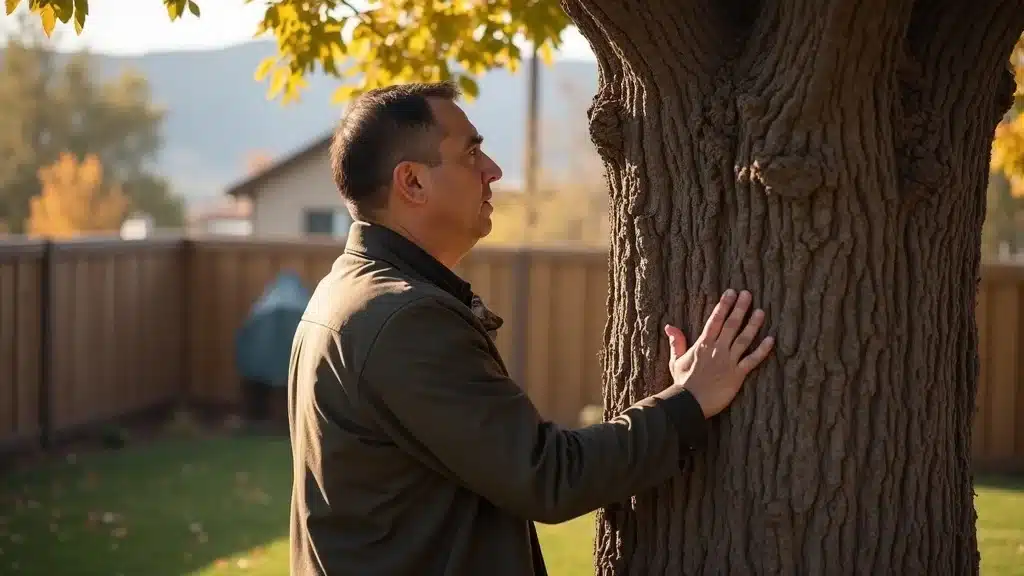
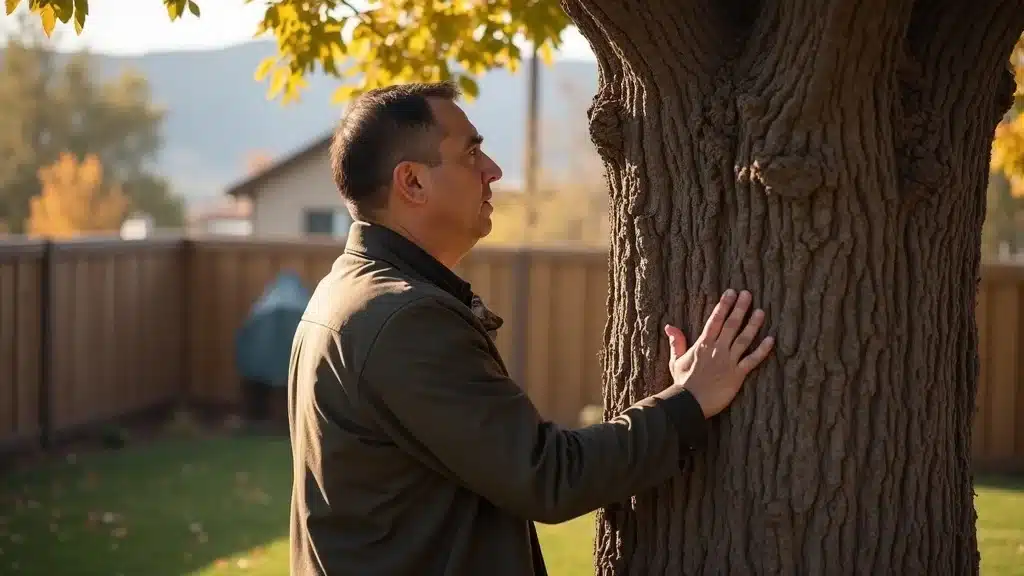
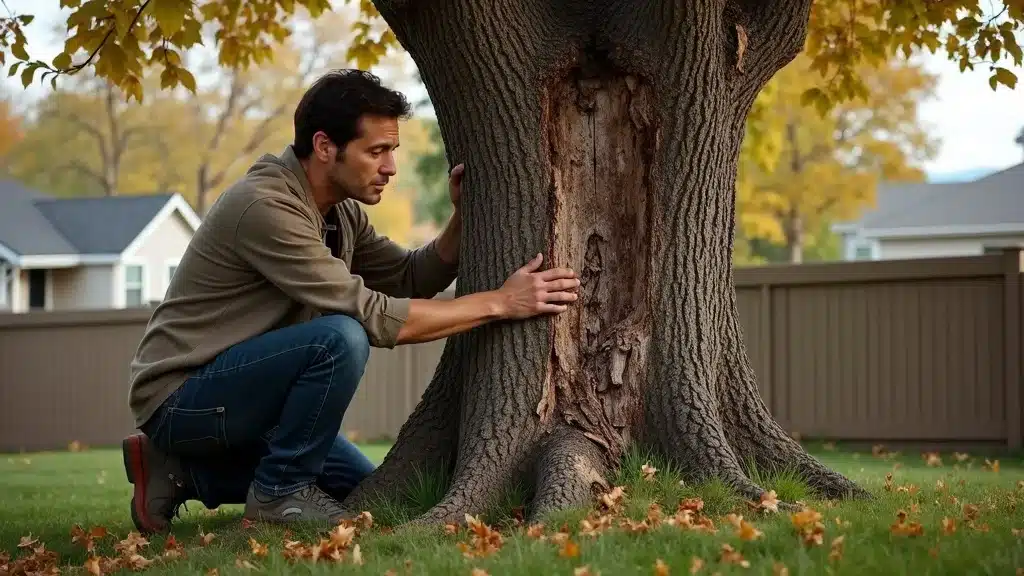
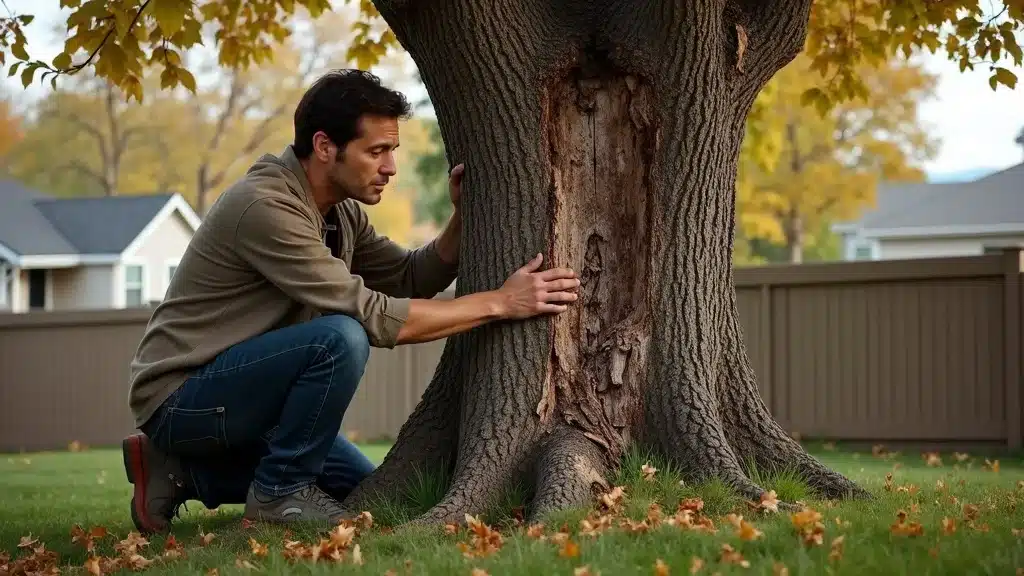
A man stands in a sunlit backyard, gently touching the trunk of a large tree with both hands. He looks at the tree thoughtfully, surrounded by a wooden fence and autumn foliage.

Is your favorite tree trying to tell you something? What if those yellowing leaves, random bark cracks, or sudden branch drops aren’t just a fluke, but signs of a sick tree desperately signaling for help? In Denver, where our climate can swing from sun-soaked to snow-laden in a week, it’s more important than ever to recognize these subtle distress signals and protect the health of your trees before minor issues turn into major headaches. Read on, and you’ll discover expert-backed ways to tell if your tree is sick in Denver—and what you can do about it.

Are You Wondering How to Tell if You Tree Is Sick in Denver? Key Questions to Consider

Opening Inquiry: Is Your Tree Sending Out Distress Signals?

Have you ever found yourself looking up at your favorite shade tree, wondering if something is wrong? Sometimes the smallest changes—a few curled leaves, an unexpected section of peeling bark, or a suspicious patch of fungus—can be early signs your tree is sick. As a homeowner in Denver, the ability to spot these “distress signals” can make all the difference for your landscape. Early action not only preserves your yard’s beauty but helps prevent the spread of tree disease to other plants nearby. If you’re uncertain about how to tell if you tree is sick in Denver, don’t worry—recognizing these signals is easier than you think with the right guidance.

Denver homeowner examining a tree for signs of sickness, focusing on peeling bark and fallen leaves.

Why Tree Health Matters in Denver’s Unique Climate

Denver’s climate is unlike anywhere else: high-altitude sun, sudden temperature swings, late spring frosts, and periods of drought can stress even the toughest trees. Add in local pests such as the mountain pine beetle and persistent tree diseases, and our urban forest faces unique risks. When a tree’s health declines here, it can quickly impact your property’s shade, curb appeal, and even safety. That’s why understanding the early warning signs is key to proactive tree care. Recognizing when your tree is sick isn’t just about aesthetics—it helps maintain value, sustainability, and the vibrant green canopy Denver is known for.

What You’ll Learn in This Guide to How to Tell if You Tree Is Sick in Denver

  • How to recognize early signs of tree disease and distress
  • Identification of common tree diseases in Denver
  • Expert insights from certified Denver arborists
  • Steps for addressing a sick tree
  • The importance of professional tree service

Understanding Tree Health: How to Tell if You Tree Is Sick in Denver

Common Tree Diseases Affecting Tree Health in Denver

Denver is home to a huge variety of beautiful trees, from sturdy maples and stately elms to characteristic pines, all of which are vulnerable to a roster of tree diseases. Among the most common threats are Dutch Elm Disease, Elm Yellows, and the ever-dreaded Mountain Pine Beetle. Each of these illnesses can weaken the tree—not just on the surface, but deep in its core, affecting roots, bark, and even the flow of nutrients. When you’re thinking about how to tell if you tree is sick in Denver, look for patterns like patchy leaf color, abnormal growth, and visible signs of fungal activity on the bark or branches. Recognizing these early can make the difference between a thriving tree and a landscape in need of rescue. Left untreated, such diseases can spread rapidly across neighborhoods, making vigilant tree care essential for every owner.

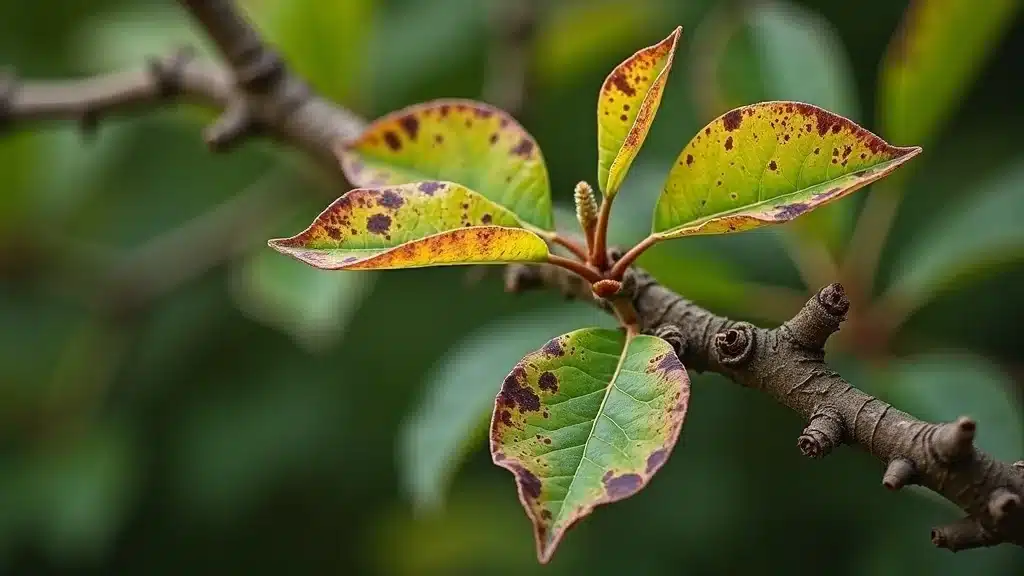
Close-up of diseased leaves and peeling bark on a tree branch in a Denver park, highlighting common tree diseases such as brown spots and fungal growth.

How the Denver Climate Affects Trees and Promotes Tree Disease

Denver’s semi-arid climate presents tough conditions for trees, frequently causing stress through rapid weather changes, intense sunlight, seasonal droughts, and heavy snowfall. This environmental stress can weaken trees, leaving them more susceptible to diseases that affect trees in our region. Fungal infections thrive in the moist periods following snowmelt or rain, while pests like the pine beetle exploit trees already struggling from dehydration. Understanding this climate-tree disease relationship is critical for any Denver homeowner. When seeking to improve tree health, consider how local conditions interact with disease pressure, helping you better anticipate when to intervene and how to manage trees most effectively.

Signs of Distress: What May Be Wrong With My Tree?

Wondering “what’s wrong with my tree”? Remember that sick trees often give off subtle hints well before they fail completely. Some common signs of distress include drooping branches, yellowing leaves, unexplained limb dieback, and strange markings on the bark. You might also notice an unusual drop in leaves outside normal autumn cycles or witness sudden fungal growth. According to certified arborists in Denver, catching tree diseases early makes it much easier—and more affordable—to treat the problem and safeguard both the tree and lawn.

“Catching tree diseases early saves your landscape and prevents larger infestations,” says a Denver certified arborist.

Spotting Signs of a Sick Tree: How to Tell if You Tree Is Sick in Denver

  • Wilting or discolored leaves
  • Unusual leaf drop
  • Cracks or lesions on bark
  • Dead branches
  • Fungal growth or odd spots
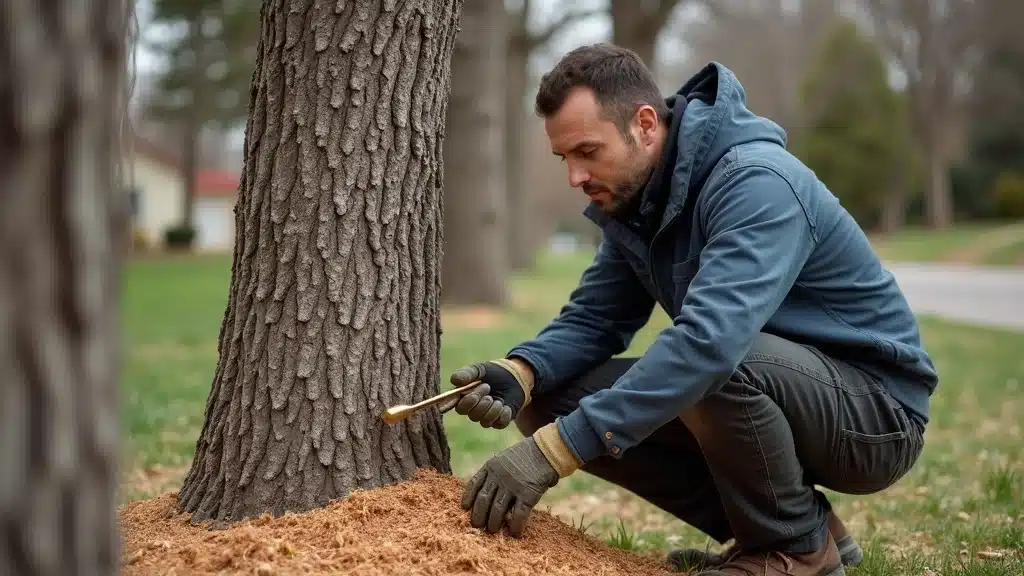
  • Sawdust at tree base (indicative of pine beetle activity)
  • Unusual changes in growth patterns

Professional Denver arborist inspecting a tree with cracked bark and fungal presence, noting sawdust at base as a sign of pine beetle activity.

Symptoms Possible Causes
Wilting Leaves Lack of water, root disease, pest infestation
Fungal Growth Tree disease, high humidity, decay
Bark Cracks Physical injury, dehydration, mountain pine beetle

Overview of Common Tree Diseases in Denver

Dutch Elm Disease and Elm Disease

Dutch elm disease is infamous throughout the U. S. —and Denver is not immune. This devastating tree disease, caused by a fungus spread by elm bark beetles, blocks water flow in a tree’s vascular system, leading to sudden yellowing leaves and wilting. Elm disease symptoms may appear as browning and curling of leaves, dieback of branches, and a progressive decline in canopy health. In many cases, infected elm trees must be removed to stop the spread since the disease can move quickly among neighboring trees. Regular inspection and early intervention by a certified arborist are critical, especially in neighborhoods where historical elms make up much of the urban canopy.

Mountain Pine Beetle and Pine Beetle Infestations

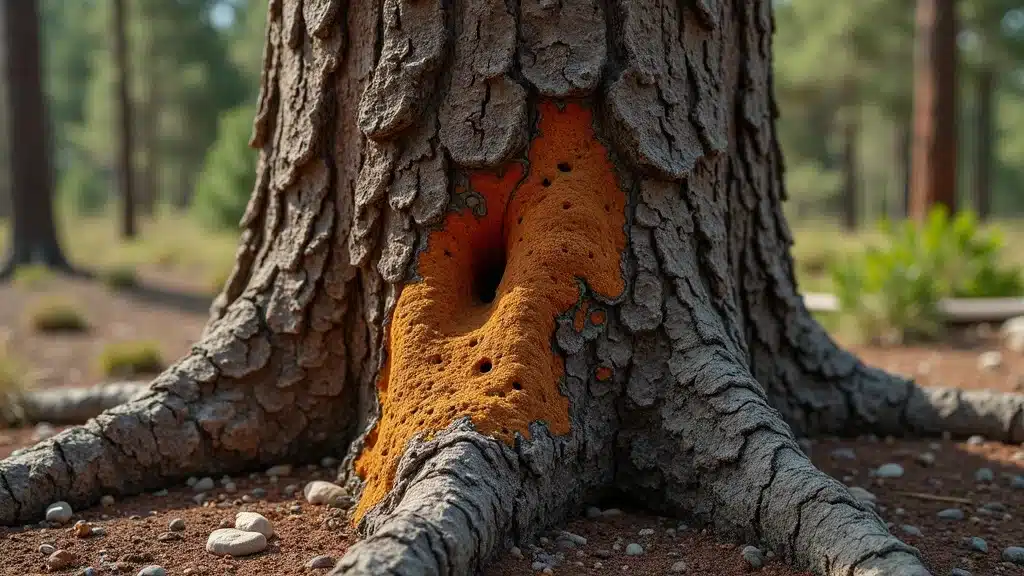
The mountain pine beetle is a serious threat to Colorado’s iconic pines. These pests bore small holes in tree bark to lay eggs—and as the larvae tunnel through, they interrupt vital nutrient pathways, causing whole sections of the tree to die off. Signs of infestation include pitch tubes (small, sticky, resin masses on bark), sawdust at the tree’s base, and patches of fading or yellow-brown needles. If you think you might have pine beetle activity, quick action is your best line of defense. Trees left untreated risk spreading the beetle to others nearby—a major concern along the Front Range and in Denver’s forested neighborhoods.

Close-up of pine tree branch with mountain pine beetle holes and resin, set in a Colorado pine woodland.

Other Common Tree Problems in Denver

Beyond Dutch elm and mountain pine beetle, Denver homeowners must stay vigilant for a range of other issues. Fire blight, a bacterial tree disease, affects pear, apple, and crabapple trees—displaying “shepherd’s crook” foliage and dark, sunken cankers. Anthracnose and powdery mildew are other common diseases that affect trees in moist conditions, causing leaf spots, wilting, or white fuzz on leaves. Physical stress from hail, wind, and improper pruning can also weaken the tree, opening the door for pests and diseases to take hold. A combination of proper tree care and quick response to unusual symptoms is vital for preventing widespread landscape loss.

How Tree Diseases Affect Trees Over Time

When left unchecked, tree diseases can slowly—but relentlessly—affect trees over a period of months or even years. Early stage symptoms may go unnoticed, only to accelerate as the disease interferes with water and nutrient flow. Gradually, you’ll see more limbs die back, increased vulnerability to wind, and ultimately, total tree failure. Many diseases start small, but spread quickly under Denver’s stressful climate conditions. Timely diagnosis and intervention by certified arborists prevent these subtle issues from becoming costly removals—protecting both your property and the broader ecosystem.

When to Call a Certified Arborist: Caring for a Sick Tree

The Role of a Certified Arborist in Tree Disease Diagnosis

Certified arborists are your neighborhood’s first line of defense against tree disease. These professionals have deep training in identifying the many signs of sick trees—from subtle leaf drop to advanced bark damage—and understanding how the Denver climate and local pests influence tree health. When you call a certified arborist, you gain access to expert tools and tree disease knowledge that can pinpoint the exact issue quickly. And because certified arborists follow best practices for tree care, they can design a targeted treatment plan that maximizes your tree’s recovery and long-term survival, all while ensuring the health and appearance of your landscape.

How a Tree Service Can Help Treating Tree Diseases

A reputable tree service in Denver brings a combination of experience, equipment, and local know-how to treating tree diseases. Services often include a full assessment, pest and disease treatment strategies (such as targeted pruning or soil injections), and ongoing monitoring for signs of recovery. If pest infestation like pine beetle is found, a tree service can recommend whether treatment or removal is the best option. Remember, treating tree disease is about more than applying chemicals—it’s a blend of quick assessment, proper timing, and sustainable tree care techniques unique to Denver’s environment.

Free Estimate: What to Expect from a Professional Assessment

If you’re worried about the cost or process, many Denver tree services offer a free estimate and consultation. During this first visit, a certified arborist or tree health expert will evaluate your tree’s symptoms, investigate possible causes, and outline step-by-step recommendations for care or removal if necessary. This gives you clear, actionable advice—without surprise fees—so you can make the best decision for your property. Expect transparency, detailed explanations, and plenty of time to ask questions about your options. Don’t wait until “what’s wrong with my tree?” becomes an emergency—proactive advice from a professional can save time, money, and neighborhood trees.

Certified Denver arborist consulting with homeowners in a front yard, smiling and discussing the health of a mature tree.

FAQs on How to Tell if You Tree Is Sick in Denver

Can a Sick Tree Be Saved?

In many cases, yes—a sick tree can be saved if problems are detected early and the right treatment plan is put in place. Quick action from a certified arborist can address root diseases, pest infestations, or nutrition issues, often restoring tree health before the damage spreads. However, some advanced tree diseases may require removal to protect other common trees nearby. Don’t delay: if you notice odd symptoms, schedule a professional assessment to give your tree the best chance at recovery.

Do Trees Help Other Sick Trees?

Trees in healthy environments can sometimes support nearby stressed trees by sharing resources like water and nutrients through interconnected root systems, particularly in forest settings. However, diseased trees may need to be isolated to prevent spreading tree disease to others. In Denver’s urban landscapes, proactive tree care and timely removal of advanced sick trees is often the best way to protect your overall canopy.

What is the 3 30 300 Rule for Trees?

This popular urban forestry guideline suggests that every resident should be able to see three trees from their home, live in a neighborhood with at least 30% tree canopy, and be within 300 meters of a large park or natural green space. Applying the 3 30 300 rule in Denver helps foster healthier, more resilient communities—but relies on regular tree health awareness and care, so sick trees don’t diminish your local green space.

What Diseases Do Trees Get in Colorado?

Trees in Colorado—including those in Denver—face threats such as Dutch elm disease, fire blight, powdery mildew, anthracnose, and pine beetle infestations. Each of these diseases shows distinct symptoms and can affect trees severely if left untreated. Identifying and treating tree diseases early is the best approach for maintaining landscape health and long-lived tree canopies in the Mile High City.

People Also Ask: How to Tell if You Tree Is Sick in Denver

What is the 3 30 300 rule for trees?

Answer:

The 3 30 300 rule is an urban forestry principle that says everyone should be able to see three trees from their residence, live in an area with at least 30% tree canopy coverage, and be within 300 meters (about 984 feet) of the nearest park or green space. Following this rule in Denver supports community well-being, combats heat, and fosters robust, healthy tree populations—making knowledge of how to tell if your tree is sick crucial for sustaining these urban forests.

What diseases do trees get in Colorado?

Answer:

Colorado trees are at risk for a variety of diseases, including Dutch elm disease, elm yellows, fire blight, anthracnose, powdery mildew, and pest issues such as mountain pine beetle infestations. Tree health can quickly decline if these diseases are left untreated, especially when paired with Denver’s variable weather and environmental stresses.

Can a sick tree be saved?

Answer:

Often, sick trees can be revitalized with timely intervention. Treatment success depends on catching symptoms early and contacting a certified arborist for a thorough diagnosis. Don’t ignore warning signs—quick assessment and specialized care can make the difference between recovery and losing the tree entirely.

Do trees help other sick trees?

Answer:

To some degree, healthy trees in forested areas can share resources with struggling neighbors, but when trees are sick—especially with infectious diseases—it’s best to treat or remove them promptly. In Denver’s landscapes, isolation and professional care protect surrounding trees from shared pests and diseases.

Expert Tips and Key Takeaways on How to Tell if You Tree Is Sick in Denver

  • Regularly inspect your trees for early warning signs
  • Consult a certified arborist when in doubt
  • Recognize that Denver’s environment can accelerate some tree diseases
  • Take action quickly to prevent the spread among common trees

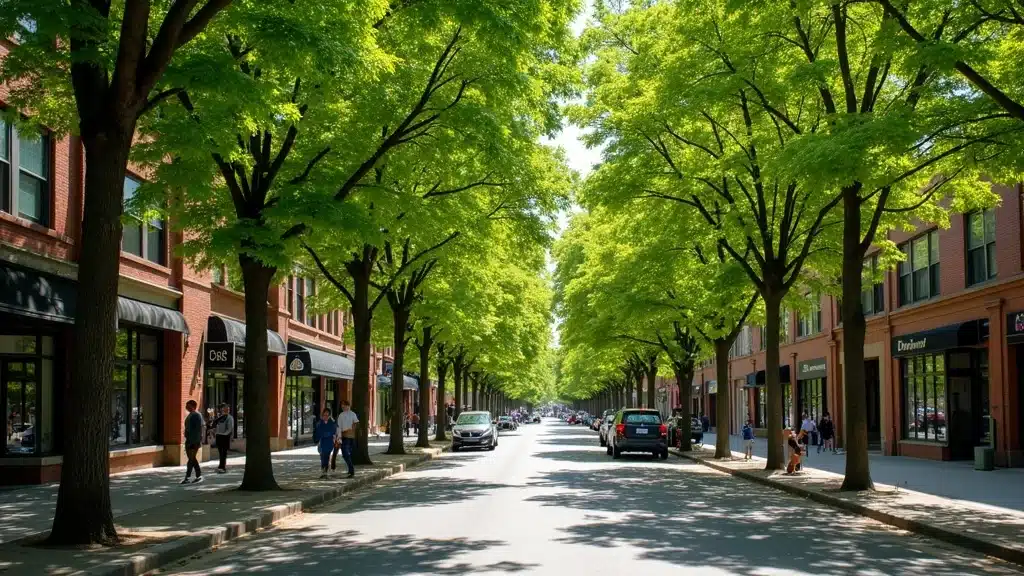
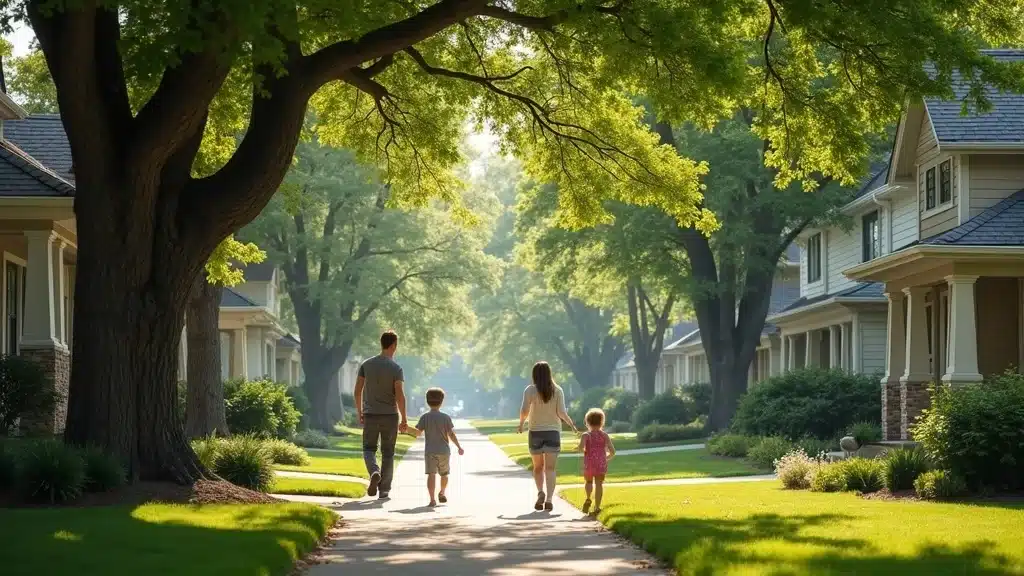
Healthy urban trees lining a thriving Denver street, lush canopies and classic architecture visible, symbolizing proactive tree care.

Protecting Your Landscape: Final Thoughts on How to Tell if You Tree Is Sick in Denver

“Healthy trees are the backbone of Denver’s neighborhoods—early intervention keeps them thriving for generations.”

  • Know the signs of a sick tree
  • Use professional tree services for proper diagnosis and care
  • Keep your landscape beautiful and safe

Ready to Safeguard Your Trees? Trust the Leading Denver CO Tree Services

Schedule a Consultation with a Denver Tree Specialist Today – Visit Colorado Tree Service Pros

The key to protecting your home and neighborhood starts with one simple step: recognizing when your tree needs help. For fast, friendly expert assessment—and reliable solutions for everything from pine beetle infestations to Dutch elm disease—trust your tree health to certified Denver arborists. Contact us today at Denver CO Tree Services to schedule your free estimate and protect the green canopy that makes our city unique!

Sources

To enhance your understanding of identifying and addressing sick trees in Denver, consider exploring the following resources: “Tree Pests and Diseases”: This page provides detailed information on various pests and diseases affecting Denver’s urban forest, including signs to watch for and management strategies. (denvergov. org) “General Tree Care”: This resource offers comprehensive guidelines on maintaining tree health in Denver’s unique climate, covering topics such as watering practices, soil management, and recognizing early signs of distress. (denvergov. org) By consulting these resources, you can gain valuable insights into maintaining the health of your trees and effectively addressing potential issues.

When to Remove a Tree from You Denver Property: Key Signs

John Egart Denver Tree Service
A man kneels on the grass, inspecting a large tree with damaged bark in a suburban yard. Houses and a wooden fence are visible in the background, and fallen leaves surround the tree base.

Did you know nearly 65% of hazardous trees in Denver neighborhoods show warning signs months before failure, yet most homeowners don’t notice until it’s too late? Early recognition of tree problems isn’t just a benefit—it’s a necessity for property safety, city compliance, and maintaining Denver’s beloved urban canopy. In this guide, I’ll reveal the overlooked indicators that signal when to remove a tree from your Denver property, provide practical arborist insights, and empower you to keep your landscape safe all year long.

A Surprising Fact: Most Denver Homeowners Miss These Tree Removal Warning Signs

If you think tree removal is only for dead or obviously falling trees, think again. Many Denver homeowners overlook subtle but crucial red flags that indicate a tree may be hazardous. These warning signs often appear gradually—like cracks in the trunk, roots surfacing after a tough winter snow, or a barely noticeable tilt. Knowing when to remove a tree from your Denver property can be the difference between preventing an emergency tree situation and facing costly property damage or even risk to life. With Denver’s climate swings, from heavy wet snows to gusty spring winds, even healthy-looking trees can develop structural problems that homeowners miss.

Arming yourself with expert knowledge puts you in control of your landscape’s safety. This article serves as an essential resource for both new property owners and longtime Denver residents, helping you spot the most common—and most dangerously overlooked—indications a tree needs quick attention. Whether you’re concerned about a leaning trunk after winter tree events or seeing suspicious branches near power lines, we’ll help you make confident, informed decisions with help from local tree removal services and certified arborists.

What You’ll Learn About When to Remove a Tree from Your Denver Property

  • Essential reasons for tree removal in Denver
  • How to identify hazardous trees requiring removal services
  • Understanding professional tree removal services and permits
  • Expert tips for safe and legal tree removal in Denver

Understanding When to Remove a Tree from Your Denver Property

The decision of when to remove a tree from your Denver property often comes down to a mix of health, safety, and regulatory factors. With our city’s variable seasons, winter snow, and the growing demands on urban space, trees that are left unchecked can quietly transform from neighborhood assets into significant risks. Recognizing the early signs of trouble—such as decayed trunks, leaning that wasn’t present last year, or branches tangled in power lines—ensures problems don’t go from inconvenient to catastrophic.

Denver’s commitment to preserving its urban forestry means that every removal (whether for safety or redevelopment) needs to follow city protocols and sometimes requires permits, especially for street trees or protected species. But before paperwork or saws come into play, homeowners must know what to look for. Healthy trees contribute to cooling shade, increased property values, and even emotional wellbeing, so tree care isn’t just upkeep—it’s stewardship. Below, you’ll find a visual reference for recognizing the subtle (and not-so-subtle) cues that it’s time to consult tree removal services in Denver or a certified arborist for a professional opinion.

Dramatic diseased urban tree inspected for removal in Denver residential yard with mountains - when to remove a tree from your Denver property

Key Signs Your Tree Needs Removal from Your Denver Property

  • Visible root damage or uprooting: Exposed, broken, or heaving roots, often after tough winters or saturated spring soils, are a direct invitation for instability. If your tree’s base looks disturbed or is lifting sidewalks or lawn, it’s often time to act fast with a tree service specialist.
  • Severe trunk decay, cracks, or splits: Deep fissures, pockets of rot, or obvious decay around the trunk signal internal weakness. Even if some foliage remains, serious trunk problems threaten a tree’s structural integrity and may require prompt removal services in Denver to avoid collapse.
  • Dead or hanging branches near power lines: Large limbs resting on or hovering dangerously close to power lines—especially after a winter snow or windstorm—are urgent red flags. Regular visual inspection post-storm can catch these hazards early, keeping both property and people safe.
  • Unstable leaning or structure post-winter tree events: A gradual or sudden lean, especially when paired with root exposure or trunk cracks, means the tree’s anchoring system is compromised. Leaning trees, especially older ones, are more likely to come down in high winds or storms, so professional assessment is key.

“When in doubt, always consult a professional tree service before acting—removal can be dangerous and requires expertise.”

Comparison Table: Tree Removal vs. Tree Care Actions in Denver
Condition Best Action Need for Professional Tree Service Permit Needed?
Dead, Leaning, or Severely Decayed Tree Removal Yes (tree removal services recommended) Usually (especially for street/protected species)
Minor Broken Branches Tree Care / Pruning Maybe (for large limbs or near power lines) No (unless affecting public property)
Visible Root Damage Assessment & Likely Removal Yes (certified arborist) Sometimes (location dependent)
Mild Trunk Wounds Monitoring & Tree Care No (unless symptoms worsen) No

Tree Removal in Denver: Why Professional Tree Removal Services Matter

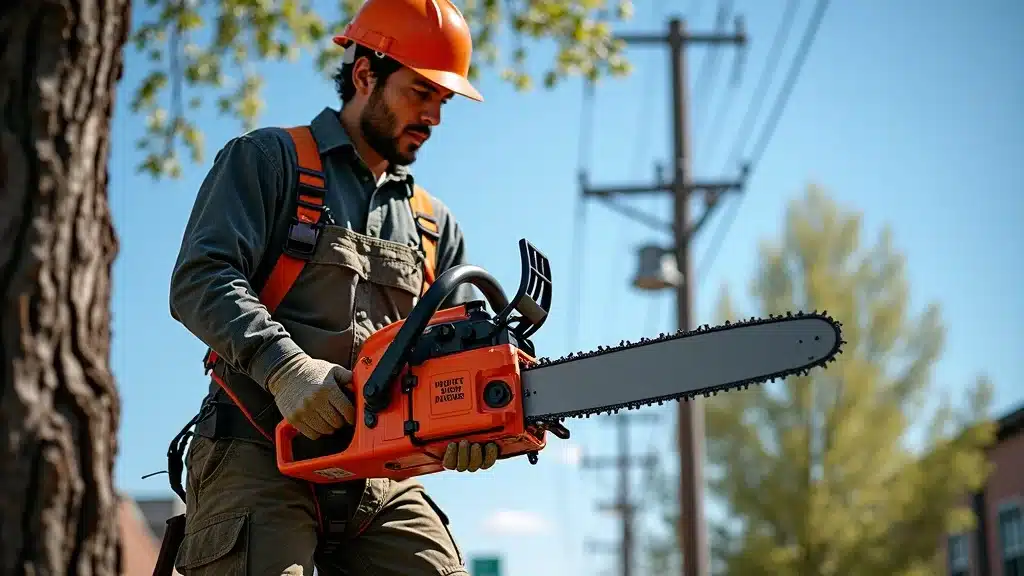
Professional certified arborist performing safe tree removal service near power lines in Denver

While it may seem tempting to tackle tree removal on your own, especially if the tree doesn’t look too large, doing so—especially in Denver’s urban setting—can result in serious consequences. Experienced removal services in Denver are trained to handle dangers that often aren’t obvious from ground level. Trees engaged with power lines, situated near homes or vital city infrastructure, or presenting internal decay represent real hazards not only to property but to life. Even the most experienced DIYer may lack the equipment or technical skill to dismantle a hazardous tree safely and legally.

Beyond immediate hazards, there are important legal and city compliance responsibilities, with permits required for many types of tree removal in Denver. Failing to secure the right paperwork, especially for protected or street trees, can result in hefty fines and city code violations. For the safety of your neighbor’s property, your structures, and most importantly yourself, working with a certified arborist or credible tree removal service in Denver ensures all aspects—assessment, safe takedown, cleanup, and disposal—are handled professionally and in accordance with Denver codes.

Dangers of DIY Tree Removal in Denver CO

  • Risks to property and power lines: Attempting removal without understanding tree weight distribution or proximity to power lines often leads to fallen limbs damaging houses, vehicles, fencing, or utility infrastructure. Insurance claims for such accidents can be denied if unlicensed work was performed.
  • Personal injury hazards: Working at height, handling chainsaws, or controlling heavy tree sections puts DIYers at real risk of injury or worse. Homeowners’ insurance may not cover self-inflicted damage—especially if a tree falls unexpectedly or hits a power line.
  • Legal implications of improper tree removal services: Denver enforces strict codes for tree removal, especially near city streets or for heritage/protected species. Fines and mandatory repairs for unpermitted, improper removals can far outweigh the cost of a professional tree service, making “going it alone” a risky proposition.

Benefits of Hiring a Certified Arborist for Tree Removal Services

  • Assessment of emergency tree situations: Certified arborists can quickly determine whether a damaged tree represents an immediate hazard (such as after a winter tree event) and develop a safe, step-by-step removal plan tailored to your property.
  • Expertise in handling hazardous trees near power lines: Removal services in Denver employ team members with experience working near utility lines, using specialized techniques to keep properties safe and maintain city infrastructure.
  • Comprehensive removal services in Denver: permits, cleanup, disposal: Reputable tree removal services include handling permit applications, safe on-site removal, and thorough post-job cleanup/disposal work, leaving your landscape neat, safe, and code-compliant.

People Also Ask: Common Questions About When to Remove a Tree from Your Denver Property

Healthy mature trees lining Denver neighborhood where children play, emphasizing the importance of expert tree services and safe removal

What is the 3 30 300 rule for trees?

Answer: The 3 30 300 rule is an urban forestry guideline: every home should see at least 3 trees, have 30% tree canopy cover in their neighborhood, and live within 300 meters of a green space. While beneficial, Denver properties sometimes need tree removal to maintain safety and compliance with this rule.

Do you need a permit to cut down a tree in Denver?

Answer: Yes, Denver often requires permits, especially when tree removal involves street trees or protected species. Always check with local Denver CO agencies or certified tree removal services in Denver before proceeding.

What is the 123 rule of pruning?

Answer: The 123 rule suggests pruning up to 1/3 of the canopy, during the tree’s dormant season, for trees older than 3 years. Trees not adhering to proper structure may require removal services instead.

At what point should a tree be removed?

Answer: Remove a tree when it poses a risk to property, is extensively diseased or dead, is entangled with power lines, or undermines safety—consult a professional tree service to confirm.

Important Considerations for Tree Removal Services in Denver

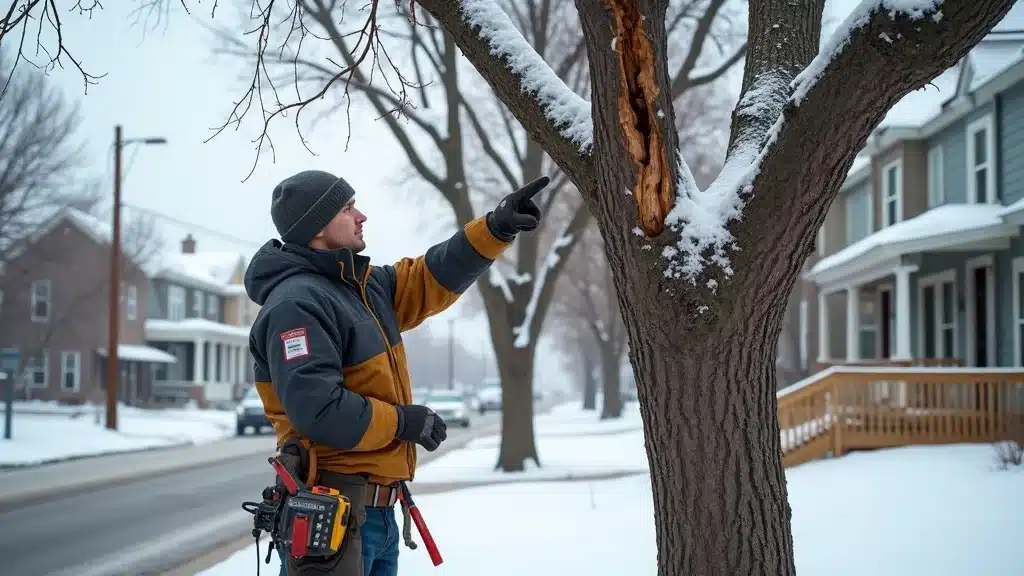
Winter-damaged tree with cracked limb in Denver being assessed by arborist after snow storm - winter tree removal consideration

Denver homeowners must factor in unique regional challenges—from frozen roots during winter tree events to the risk of power lines entanglement. Assessing your tree’s proximity to city infrastructure reduces community risk and city liability, ensuring that no removal is taken lightly. Collaborating with local removal services in Denver guarantees not only compliance with current codes but also that every aspect, from permit acquisition to safe work practices, is handled efficiently.

Post-storm assessments should always address winter tree damage, including split limbs and ice fractures. Even minor injuries can compromise long-term health and stability, so consult trusted tree services in Denver for ongoing care. Permits are advised for removal projects, especially if street trees or city-maintained trees are involved. This cooperation sustains both legal compliance and Denver’s cherished canopy for generations to come.

  • Assess proximity to power lines and city infrastructure
  • Winter tree damage assessment post-storm
  • Collaborating with Denver removal services for permits and compliance

“Every tree removal should be a balance between protecting your property and enhancing Denver’s urban canopy.”

Tips for Preventing Emergency Tree Removal Situations

  • Schedule regular tree service and tree care with a Denver CO arborist
  • Monitor tree health after winter tree events or storms
  • Address small removal services before trees become hazardous

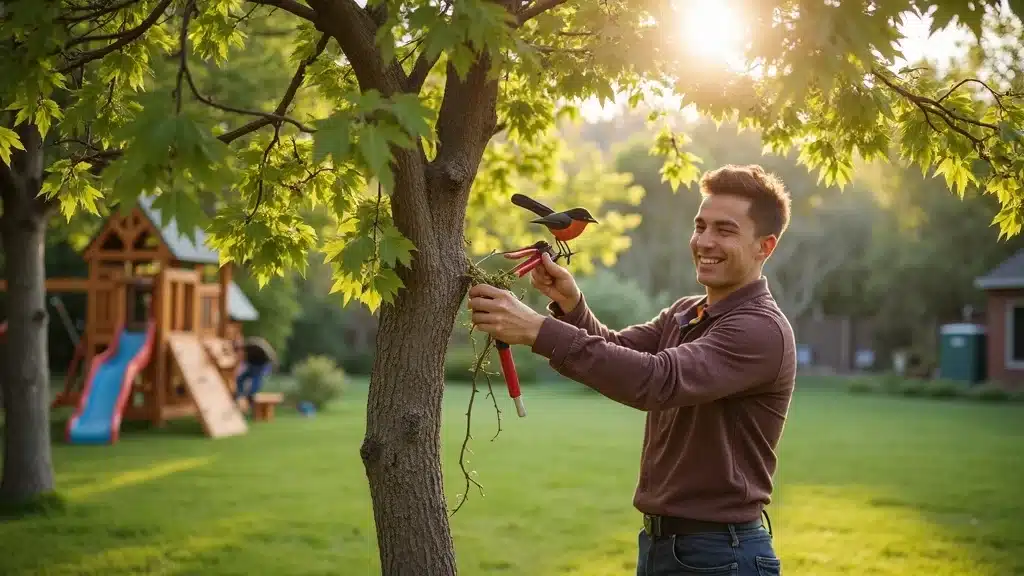
Friendly Denver arborist smiling while pruning a healthy tree to prevent emergency tree removal, lush green landscape

The best way to avoid sudden emergencies is proactive tree care. Consistent checkups by a certified arborist help detect root rot, subtle trunk damage, and canopy imbalance early, saving both time and costly emergency tree removal services later on. Simple steps like inspecting your trees after each storm, proper tree pruning, and dealing with minor removal services promptly (like taking out weak limb growth before it fails) are all practical measures. Maintaining trees safely is a long-term investment in your property’s beauty and your neighborhood’s safety. Remember—an ounce of prevention is worth a pound of expensive emergency work, especially in Denver’s urban climate.

By working closely with a certified Denver tree service, you also gain a partner for long-term landscape health, future-proofing against unpredictable weather and keeping your yard enjoyable for seasons to come.

Key Takeaways on When to Remove a Tree from Your Denver Property

  • Recognize early warning signs needing removal services
  • Consult professional tree removal services for safety and legality
  • Understand permits and Denver regulations

Frequently Asked Questions About Tree Removal Services in Denver

  • How can I find reputable tree removal services in Denver?
    Always seek certified arborists or companies specializing in tree removal in Denver, and look for positive testimonials, proof of insurance, and experience with both emergency tree work and routine maintenance.
  • What should I do if my tree is entangled with power lines?
    Never attempt removal yourself. Contact your utility provider first, then a professional tree service with power line experience to safely handle the situation.
  • When is emergency tree removal necessary?
    Emergency services are essential when trees are at immediate risk of falling, have suffered severe storm/winter tree damage, or are threatening property and power lines. Act quickly and contact a certified Denver arborist.

Trust Denver CO Tree Services for Expert Tree Removal and Care

If you suspect a tree on your property may need removal, don’t wait until it becomes a hazard. For expert advice, emergency tree removal, and secure, legal tree care—Contact Denver CO Tree Services today for your free estimate and peace of mind.


Conclusion

Stay proactive: spot warning signs early and consult Denver’s professional tree services to keep your property safe, beautiful, and compliant.


Sources

When considering tree removal in Denver, it’s crucial to recognize the signs that indicate a tree may pose a risk to your property. The article “Tree Removal in Denver, CO Safe, Fast, and Done Right” by Arbor Care Tree Solutions outlines key indicators such as dead or brittle branches, significant trunk decay, and noticeable leaning, emphasizing the importance of professional assessment to determine the necessity of removal. (arborcaretreesolutions. com) Additionally, the “Approved Street Tree List for Denver’s Public Rights-of-way” provides guidelines on tree species suitable for planting and removal within the city’s public spaces, ensuring compliance with local regulations and promoting a healthy urban canopy. (denvergov. org) If you’re serious about maintaining the safety and aesthetics of your Denver property, these resources offer valuable insights into identifying hazardous trees and understanding the city’s tree management policies.

Year-Round Tree Care Calendar for Denver Homeowners

John Egart Denver Tree Service
A sunny suburban neighborhood with tree-lined sidewalks, neatly manicured lawns, and colorful houses. Trees provide shade and the street curves gently, creating a peaceful, inviting atmosphere.

Did you know Denver loses an average of 5,000 urban trees every year—mostly from problems that could have been avoided with the right care at the right time? For Denver homeowners, understanding the unique seasonal needs of your trees isn’t just good stewardship—it’s a way to protect your property value, shade, and neighborhood pride. In this in-depth guide, you’ll get a year-round tree care calendar for Denver homeowners, packed with practical, easy-to-follow advice and a few tips that even seasoned green thumbs might not know.

Startling Facts: Why a Year-Round Tree Care Calendar for Denver Homeowners is Essential

Most people don’t realize just how vulnerable trees in Denver are, thanks to shifting temperatures, occasional droughts, soil quirks, and lurking pests. Some local tree experts estimate Denver loses thousands of mature trees yearly—many from easily preventable causes. Pushing off tree care until “next season” can lead to expensive removals, diseased landscapes, and even yard hazards, especially when powerful storms or unseasonable cold snap through the city. A dedicated year-round calendar helps keep your trees healthy, resilient, and beautiful, making it far easier (and less costly) to enjoy shade, color, and curb appeal all year long.

“Denver loses an average of 5,000 urban trees annually, often due to preventable issues with care and maintenance.”—Denver Urban Forestry

What You’ll Learn in This Year-Round Tree Care Calendar for Denver Homeowners

  • Essential tree care steps for every season in Denver
  • Best practices for tree trimming, deep root watering, and soil moisture management
  • How to spot common Denver tree diseases and pests
  • When to hire a certified arborist or tree service
Month-by-Month Denver Tree Care Calendar
Month Essential Task Purpose
January Inspect for winter damage Prevent stress
March Tree trimming Shape growth
May Deep root watering Promote deep roots
June Monitor for pests Prevent harm
August Fertilize Boost nutrition
October Wrap young trees Prevent winter injury

Mature green trees in Denver residential neighborhood with classic Colorado houses and vibrant foliage, year-round tree care calendar for Denver homeowners

Understanding the Unique Needs of Trees in Denver

Denver presents a challenging environment for trees. Rapid swings between hot summers, sudden freezes, and the city’s notorious dry climate mean that both native and ornamental trees need careful attention. Many soils in the Denver area tend to be rocky and fast-draining, making it tough for roots to find enough moisture—especially during windy springs or protracted droughts. So, it isn’t just about planting a sapling and hoping it grows; it’s about continuous, thoughtful tree care. For yards blessed with mature trees, routine assessments are crucial to prevent issues with root zone dehydration, compacted soils, or pest infestations, all of which can threaten even decades-old giants.

Remember, every tree variety—from maples to spruces—has unique requirements when it comes to watering, trimming, fertilizing, and disease prevention. Being proactive about each aspect of tree health ensures trees and shrubs withstand the unique pressures of the Denver area, from summer hail storms to erratic winter temperature drops. With so much at stake, understanding what makes Denver trees special is step one to mastering your home’s landscape.

Challenges Trees in Denver Face: Climate, Soil, and More

Trees in Denver battle a combination of harsh sun, irregular precipitation, windy afternoons, and nutrient-poor soils. Some trees grow rapidly, stretching root systems in search of scarce water, making them susceptible to drought stress or sudden wilting. For young trees, establishing a strong root zone is essential—they face hazards not just from dryness but from sunscald, frost cracks, and soil compaction from nearby foot traffic or aggressive lawn care. Even mature trees, with roots extending beyond the drip line, can become vulnerable if soil moisture drops or pests move in. Factors like compacted soil, poor drainage, or rocky underground layers can further challenge healthy tree growth in urban yards.

Additionally, invasive pests—like the emerald ash borer or bark beetles—thrive when trees are stressed by drought, injury, or root system damage. Denver’s variable weather, especially late winter warm spells or early spring snows, can shock trees accustomed to a slower seasonal transition. To help Denver trees thrive, it’s crucial to adapt your tree care practices to these unique environmental factors, applying the right interventions at the right times.

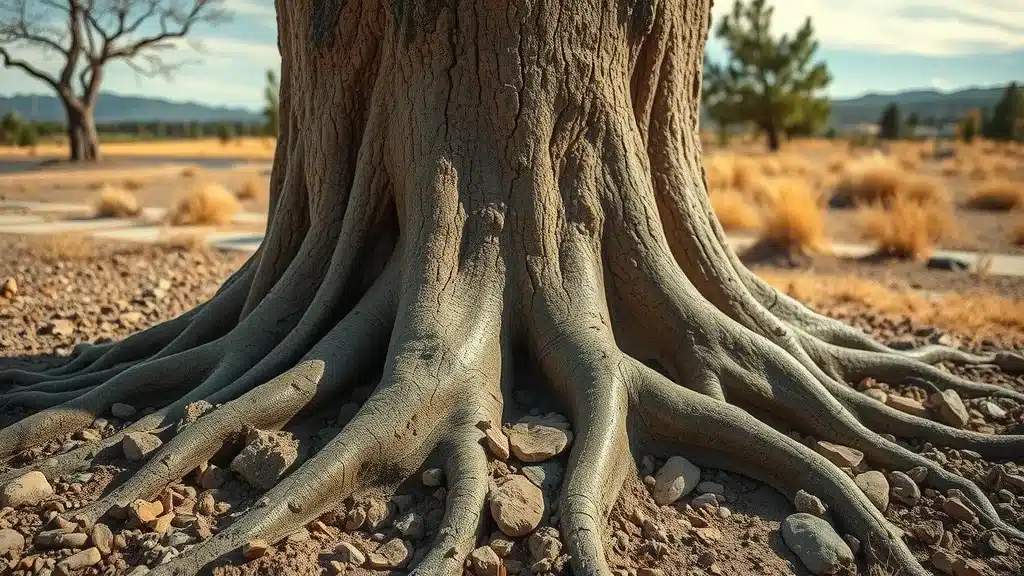
Tree trunk and root zone in dry rocky Denver soil close-up, emphasizing soil challenges for year-round tree care calendar for Denver homeowners

The Importance of a Year-Round Tree Care Calendar for Denver Homeowners

A year-round calendar isn’t just a fancy planner for lawn enthusiasts—it’s a homeowner’s defense against expensive tree removals and surprise visits from a local tree company. With regular checks on soil moisture, timely tree trimming, and alerts for pest or disease concerns, you ensure your landscape remains healthy through the highs and lows of Colorado’s unpredictable climate. Having a month-by-month guide takes the guesswork out of when to deep root water, fertilize, or protect your young trees, so every season brings strong growth and fewer headaches.

The best part? Following a year-round schedule that addresses the main needs—watering, trimming, fertilization, pest control, and storm protection—means you’re investing in your home’s value and Denver’s urban forest at the same time. And when you have a calendar tailored for Denver conditions, there’s never a doubt about whether it’s a great time for a particular tree care task. Your trees (and your wallet) will thank you in the long run!

Monthly Tree Care Guide: Tree Care Calendar for Denver Homeowners

This monthly tree care guide breaks down exactly which tasks matter most—when and why—so you never miss a step in protecting your investment. From late winter trimming to deep summer watering, Denver trees require different care for every season. Consistent, thoughtful care throughout the year supports healthy root systems, robust growth, and true shade in your landscape, even with Denver’s challenging conditions. Let’s walk through each month for a practical, hands-on calendar.

January–February: Deep Root Watering & Inspecting Winter Damage

Don’t be fooled by dormant branches! Denver’s dry, windy winters steal moisture from the soil all season long, putting trees—especially young or newly planted ones—at risk. This is the time to break out your deep root watering tools and probe several feet into the soil around the drip line. Encouraging roots to seek water deeply helps mature trees and new saplings survive swings in temperature and prevents root zone dehydration. Whether there’s snow or not, pay close attention to the top 12 inches of soil—if it’s dry, your trees need a winter drink. While you’re at it, inspect for split bark, frost cracks, or broken limbs from wind or ice. Early detection of winter injuries will help keep your landscape resilient and is often less expensive to address now than come spring. Remember, certified arborists agree: consistent winter watering may be the quiet hero for Denver tree care, especially as it prevents long-term stress and keeps evergreens vibrant all year.

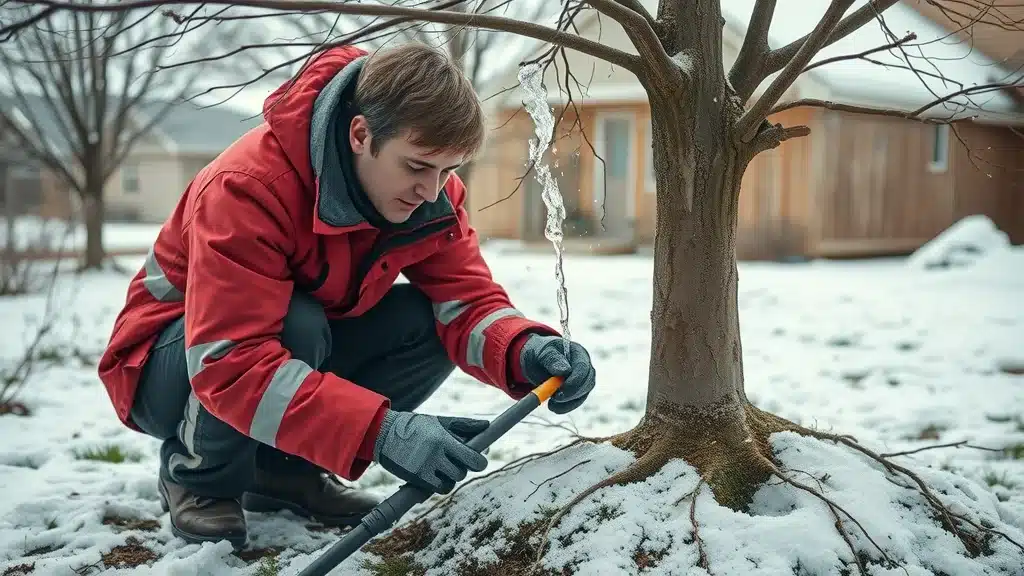
Homeowner performing deep root watering on deciduous tree in winter, year-round tree care calendar for Denver homeowners

March: Late Winter Tree Trimming and Structural Care

  • Why late winter is a great time for tree trimming
  • Tips for trimming young trees
  • Hiring a certified arborist

March is a great time for tree trimming in Denver—temperatures are warming but trees remain dormant, so cuts heal quickly and disease pressure is low. Pruning now reduces the risk of spreading common pathogens while giving you a clear view of your tree’s structure (no leaves in the way!). Focus on removing damaged, rubbing, or dead branches and shaping young trees for strong, even growth. This helps prevent future breakage—especially under heavy, wet spring snow. For mature trees or those tangled in power lines, always call a certified arborist; their expert hands and equipment prevent damage or personal injury. Remember, improper pruning can stress trees and invite disease, so when in doubt, bring in a pro to preserve long-term tree health and value.

April–May: Spring Tree Services, Fertilization, and Soil Moisture Management

Spring brings fresh buds, longer days, and surging root activity. Denver trees and shrubs awaken hungry for nutrients, so this is prime time to fertilize—especially if soils tested low in the fall. Use slow-release, balanced fertilizers designed for Colorado’s unique soils to boost new growth. This is also when you should check and refresh mulch rings, making sure the root zone stays cool and moist while suppressing early weeds. As moisture needs climb, monitor soil moisture regularly: probe the first 12 inches, and water when dry, aiming for slow soaks rather than surface sprinkling. Keep an eye out for early signs of pests or fungal diseases, which can quickly multiply when days are warm and nights are cool. Certified arborists and local tree companies often offer spring tree care service packages, making it easy to keep on schedule and avoid surprises as the growing season takes off.

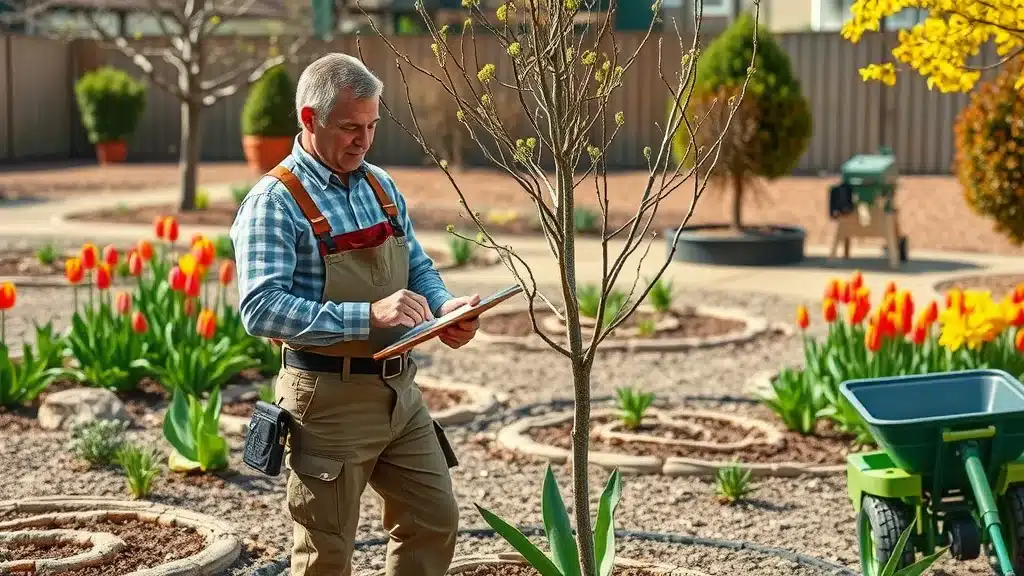
Professional arborist inspecting blooming tree for spring tree services and care, year-round tree care calendar for Denver homeowners

June–August: Pest Control, Deep Root Watering, and Summer Storm Prep

Summer is when the Denver area turns up the heat—and local pests get particularly active. Monitor trees for borers, aphids, or spider mites (sticky residue, curling leaves, or sudden thinning are warning signs), and act decisively with eco-friendly pest treatments or call a tree care professional for stubborn infestations. Deep root watering is critical as hot, dry spells quickly reduce soil moisture past what routine sprinklers provide. Use a soaker hose or deep root probe to deliver water to the root zone at least monthly, more often during extended drought. Make sure the top 12–18 inches of soil are moist after watering. Storms, wind, and the occasional hail barrage can strike anytime, so secure young trees with stakes, and prune overhanging limbs that threaten roofs or power lines. Proactive summer care helps trees bounce back from weather and pest stress, ensuring full canopies and healthy root systems for autumn and beyond.

September–October: Fertilizing Trees and Preparing for Colder Months

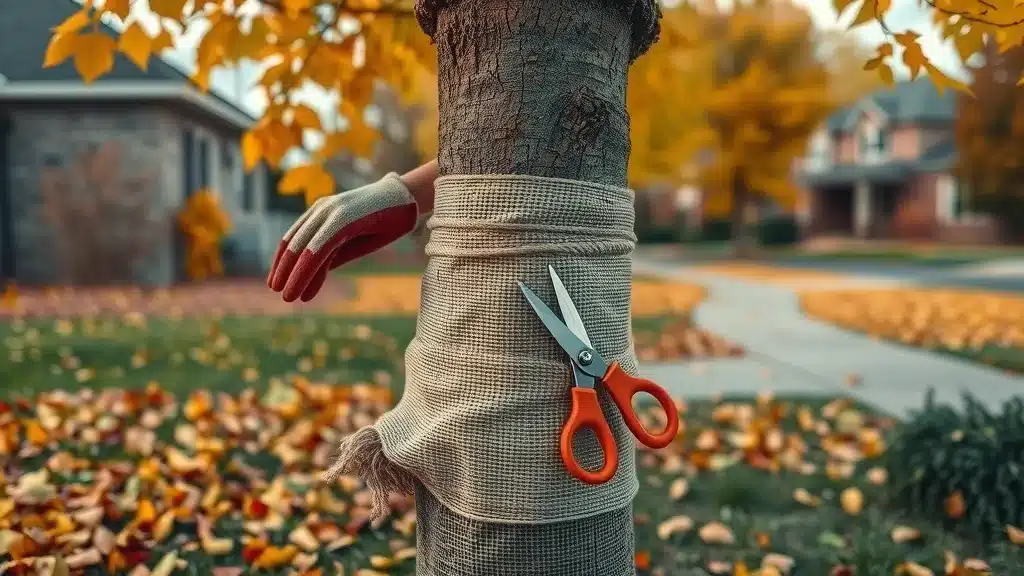
Early fall is the best window for a final round of fertilization. As trees shift from growing leaves to expanding their roots, a dose of slow-release nutrients gives them the energy to tough out winter. It’s also the time to inspect mulch rings—top off organic mulch to 2–3 inches for warmth and moisture retention, keeping it a few inches from the trunk to prevent rot. Be proactive by thinning dead branches and removing diseased wood, reducing the risk of winter breakage. For young trees especially, wrap trunks with tree wrap to prevent sunscald and frost cracks from wide daily temperature swings—classic issues for Denver. This extra care now means your trees enter winter strong, with their roots protected and foliage less prone to shock or disease come spring awakening.

November–December: Wrapping Trees in Denver and Protecting Roots

Early winter can be tough on tree bark, especially young saplings prone to freezing nights and sun-warmed days. Wrapping trunks with burlap or commercial tree wrap keeps bark from splitting, helping trees survive harsh temperature changes until they develop thicker, more resilient bark. Be sure to remove wraps in early spring to prevent pests from nesting. Don’t forget about the root system—replenish mulch, check for exposed roots or compacted soil, and avoid heavy foot or vehicle traffic near the root zone. Inspect evergreens for winter burn (needles turning brown and dry), and deep water right before ground freeze if conditions have been dry. These small but vital tasks help buffer even the toughest Colorado winters, giving your landscape its best shot for a lush rebound come spring.

Homeowner wrapping young tree trunk in Denver in autumn, burlap material and fall leaves, year-round tree care calendar for Denver homeowners

People Also Ask: Your Top Questions About the Year-Round Tree Care Calendar for Denver Homeowners

When to fertilize trees in Denver?

For most species, fertilize trees in Denver in early spring (April–May) and again in late summer or early fall (August–September). This supports both leaf growth and strong root systems. Use slow-release, balanced fertilizers, and follow package instructions for best results. Always check soil test recommendations for specific needs, and avoid late fall fertilization, which may promote weak winter growth.

What month should you trim branches of trees?

Late winter to early spring—usually February through March—is the best time for tree trimming in Denver. Trees are dormant, disease pressure is at a minimum, and cuts have time to heal before summer stress. Avoid trimming in mid-summer or fall, as it can stress trees or expose them to pests and disease.

What is the 10 20 30 rule for tree planting?

The 10 20 30 rule is a guideline for planting urban landscapes: use no more than 10% of any one tree species, no more than 20% of any one genus, and no more than 30% of any one family. This diversity reduces the risk of pest or disease outbreaks wiping out large swathes of the urban forest in Denver and beyond.

When to wrap trees in Denver?

Wrap young, thin-barked trees in Denver from November through April to protect from sunscald and freeze cracks. Use breathable materials and remove wraps in spring to prevent moisture buildup and pest problems. This care is crucial for maples, honeylocusts, and fruit trees.

Key Takeaways: Year-Round Tree Care Calendar for Denver Homeowners

  • Consistent, season-appropriate tree care boosts tree health and property value.
  • Monitor soil moisture every season and adjust watering schedules as needed.
  • Trim branches during late winter for optimal results and disease prevention.
  • Deep root watering and mulch keep roots healthy in Denver’s dry climate.
  • Protect young trees from pests, drought, and winter injury with wraps and routine inspection.

Essential tree care tools for Denver in all seasons, neatly arranged for year-round tree care calendar for Denver homeowners

Frequently Asked Questions about Trees and Tree Care in Denver

  • How often should you deep root water trees in Denver?
    Deep root water established trees every 3–4 weeks in winter if snow is absent, and once a month during dry periods in spring, summer, and fall. Young trees may need more frequent watering, particularly in Denver’s hot, dry months.
  • Are professional tree services worth it for trees and shrubs?
    Yes! Certified arborists offer expert pruning, pest management, and disease diagnostics that save money and preserve tree health. DIY is fine for small tasks, but expert eyes catch problems early and help trees thrive.
  • Do young trees need more frequent care?
    Absolutely. Young trees have less developed root systems and require more frequent deep root watering, vigilant pest checking, and trunk protection—especially in the first 2–3 years after planting in Denver.

Expert Tips from Certified Arborists: Best Tree Care Practices in Denver

  • Conduct annual soil moisture checks in multiple locations around each tree, especially in spring and fall.
  • Prune in late winter for the healthiest, most attractive trees, avoiding stress and common diseases.
  • Apply organic mulch every season to insulate roots and conserve soil moisture, but keep mulch away from the trunk for best results.

Practical Lists: Supplies and Tools for Year-Round Tree Care Calendar for Denver Homeowners

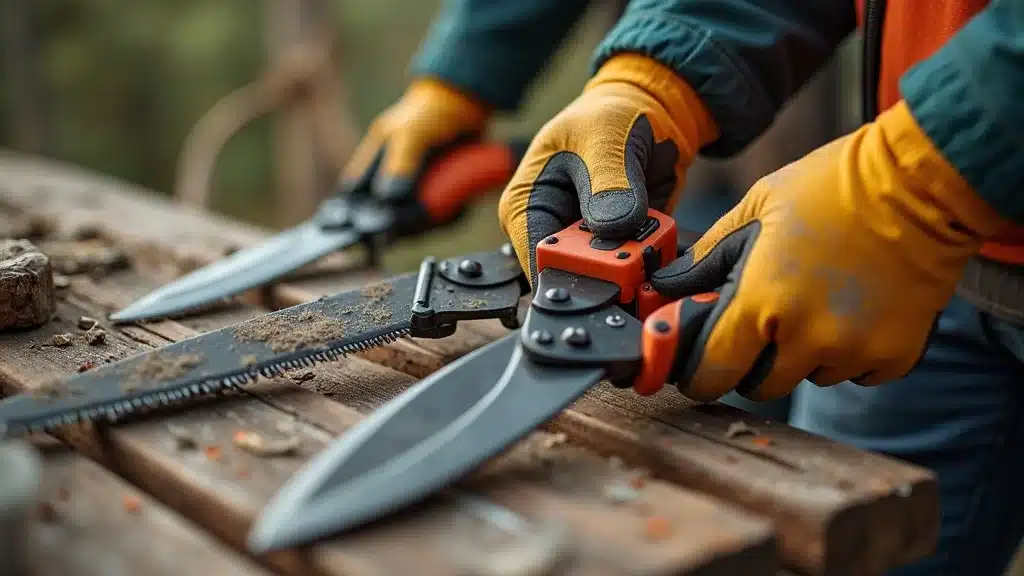
  • Tree trimming shears
  • Deep root watering tools (probes or soaker hoses)
  • Mulch and fertilizers designed for trees in Denver
  • Tree wraps for winter protection
  • Protective gloves and eye gear

Conclusion: Ensuring Healthy Trees in Denver All Year Round

Proactive, season-based care is your best line of defense for thriving trees—Denver’s urban canopy depends on it.

Don’t wait—schedule your Denver tree services today for a thriving landscape all year long!

Denver CO Tree Services

Find reliable tree care professionals athttps://www.coloradotreeservicepros.com/tree-service-for-denver-co/

Step-by-step demonstration of proper deep root watering in a Denver home landscape—learn correct probe placement, watering timing, and soil moisture tips from a local pro.

Sources

For Denver homeowners seeking comprehensive guidance on year-round tree care, the City and County of Denver’s “Tree Care and Best Practices” page offers valuable insights into seasonal tree care needs, general maintenance tips, and information on tree pests and diseases. (denvergov. org) Additionally, Denver Water’s “Tree Care Guide” provides expert advice on proper watering techniques, emphasizing the importance of deep and slow watering to maintain tree health in Denver’s semi-arid climate. (denverwater. org) By consulting these resources, you can ensure your trees receive the appropriate care throughout the year, enhancing their health and longevity.