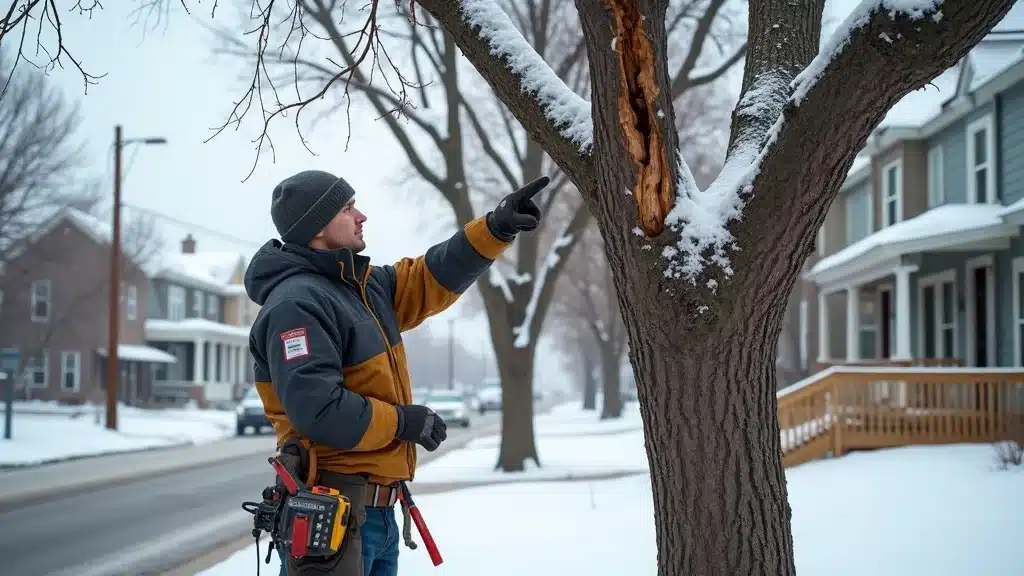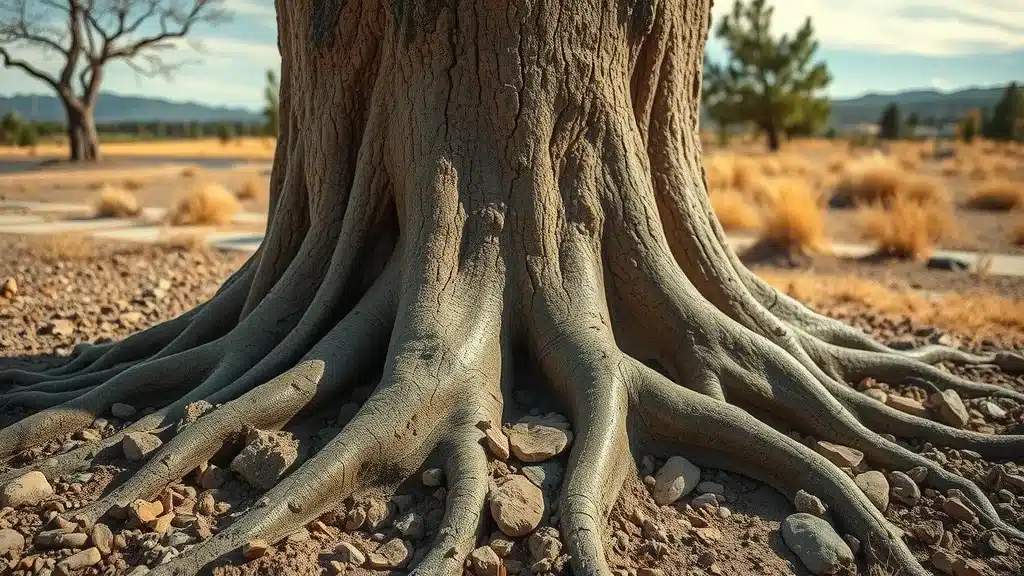
Most Common Threat to Denver CO Trees – Protect Yours Now

John Egart Denver Tree Service
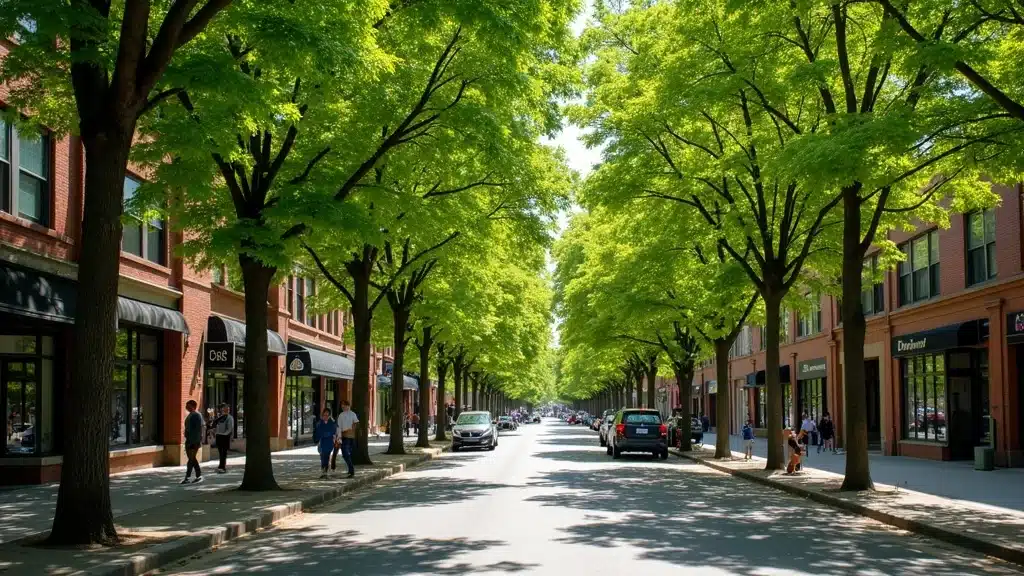
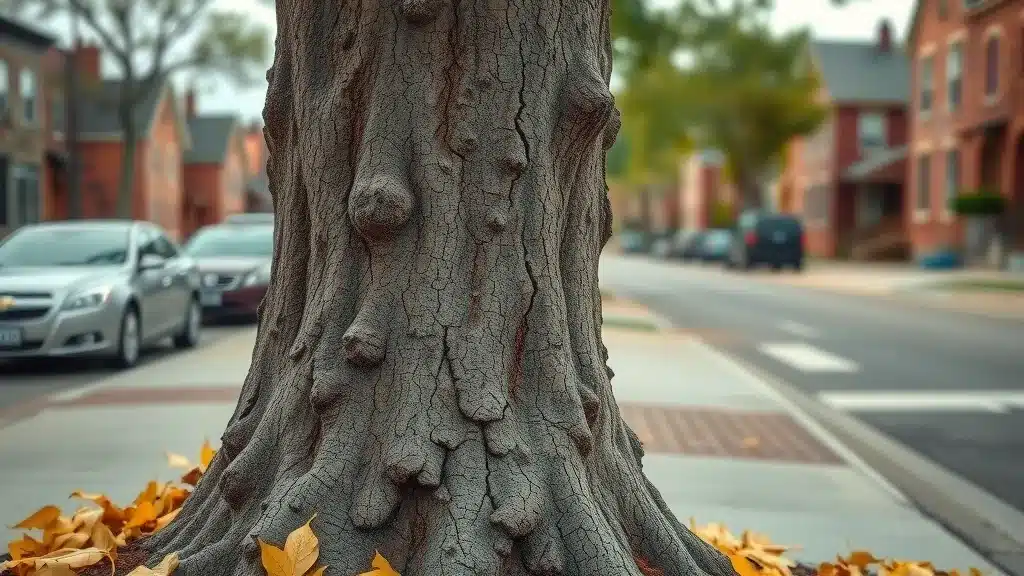
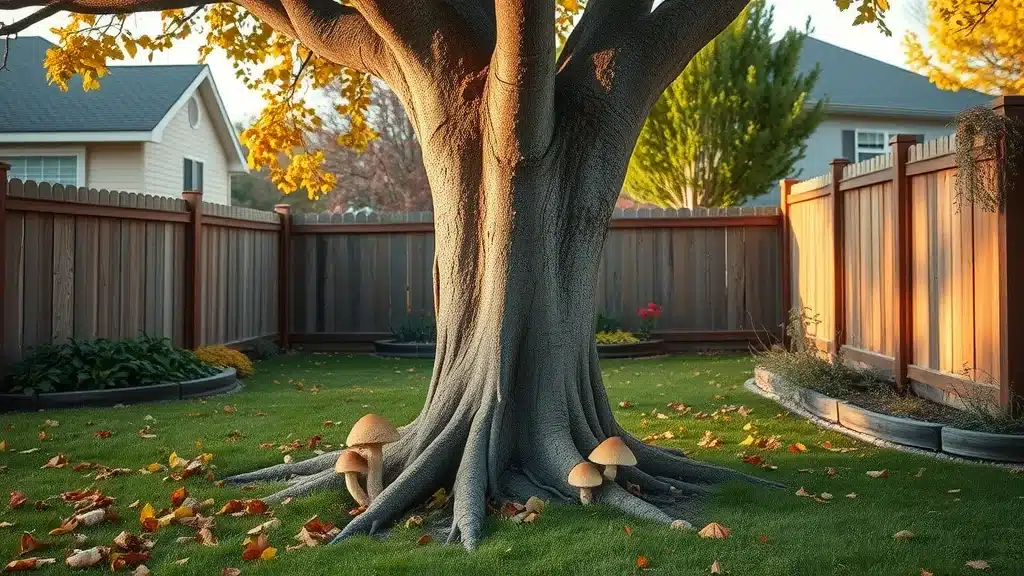
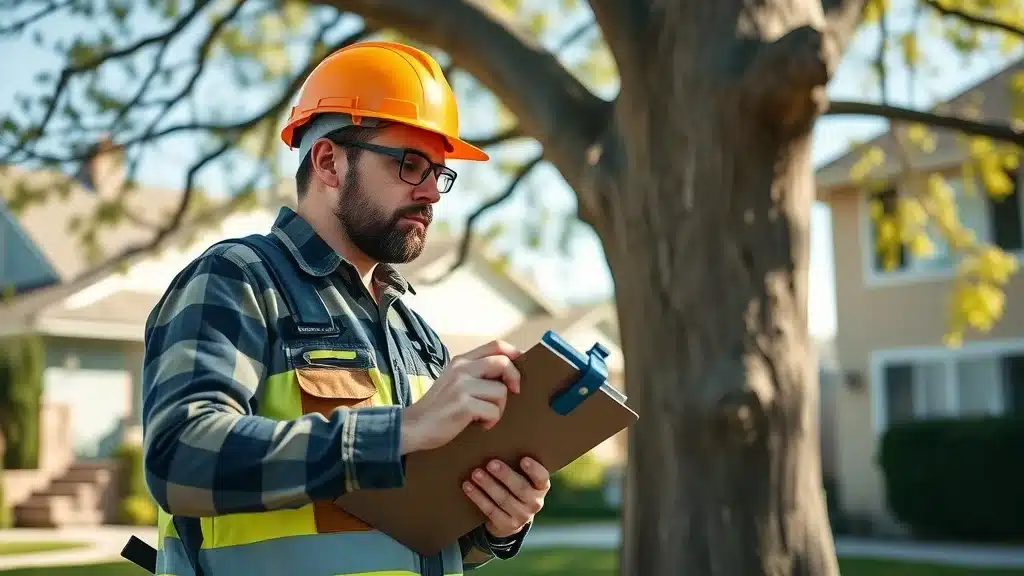
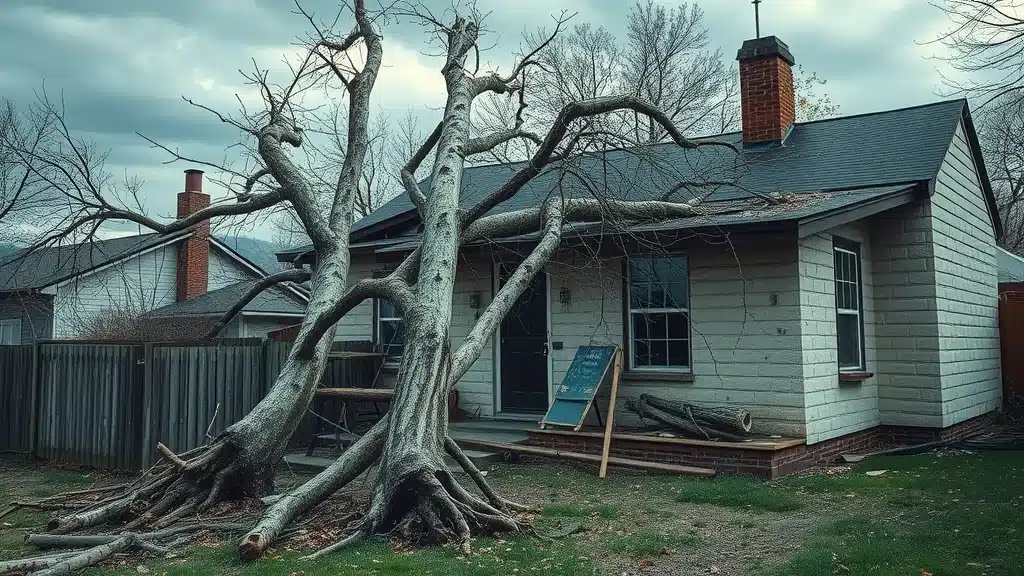
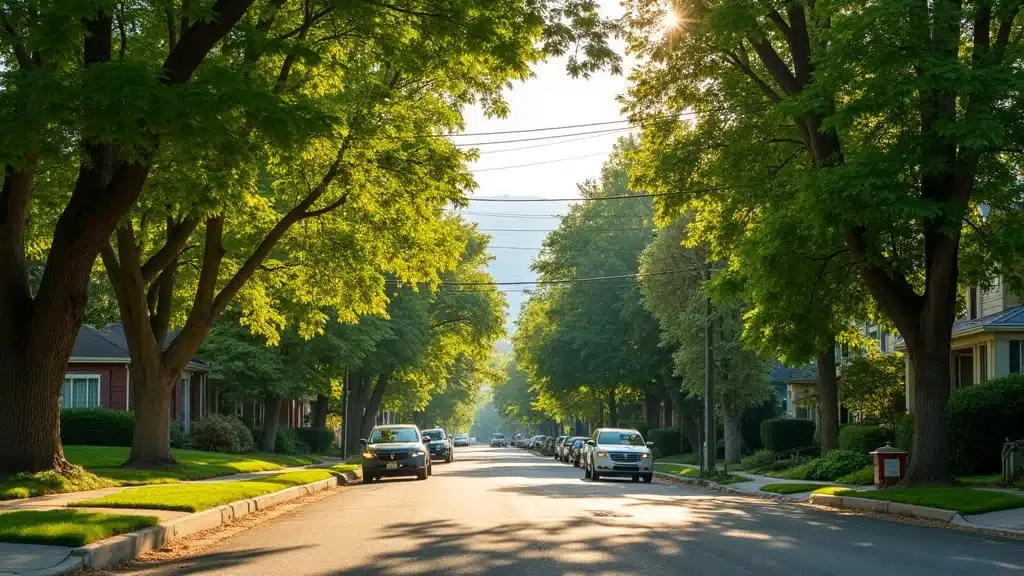
A quiet suburban street lined with large green trees and parked cars on both sides, with sunlight streaming through the foliage on a clear day.

Did you realize that thousands of Denver’s mature trees are in grave jeopardy—often because of one surprisingly preventable issue? If you own property in Denver, ignoring this threat could result in losing precious shade, beauty, and even value from your landscape. In this article, you’ll discover what’s threatening your trees right now, how to identify the warning signs, and what you can do to protect the trees you love and rely upon.

A Startling Look at the Most Common Threat to Denver CO Trees

“Did you know that over half of Denver’s mature trees are at elevated risk due to a single, preventable threat?” – Local Arborist

Denver’s urban trees face a serious battle with the most common threat to Denver CO trees: a perfect storm of aggressive tree diseases and persistent pests like emerald ash borer and bark beetles. These threats silently attack both native and ornamental trees, transforming once-healthy neighborhoods into landscapes peppered with dying or dead trees. If you’ve noticed yellowing, wilting, or bark damage on your ash trees, elms, or pines, you’re witnessing the front lines of this struggle.

Early detection and fast action are critical. While these diseases and insects can seem invisible at first, their effects build quickly: one unnoticed infestation or bacteria can spread through a block, city park, or even vast stretches of forest. Fortunately, with the right information and consistent care, Denver property owners can protect their investment, shade, and community legacy for decades to come. Let’s break down the risks and the most effective ways to fight back.

What You’ll Learn About the Most Common Threat to Denver CO Trees

  • Key tree disease and tree diseases affecting Denver’s urban canopy
  • Emerging threats from local pests such as bark beetle and emerald ash borer
  • Preventative care for healthy trees
  • How to identify symptoms of tree disease and invasive insects
  • Actionable steps for Denver property owners

Denver’s Urban Canopy: Why Understanding the Most Common Threat to Denver CO Trees Matters
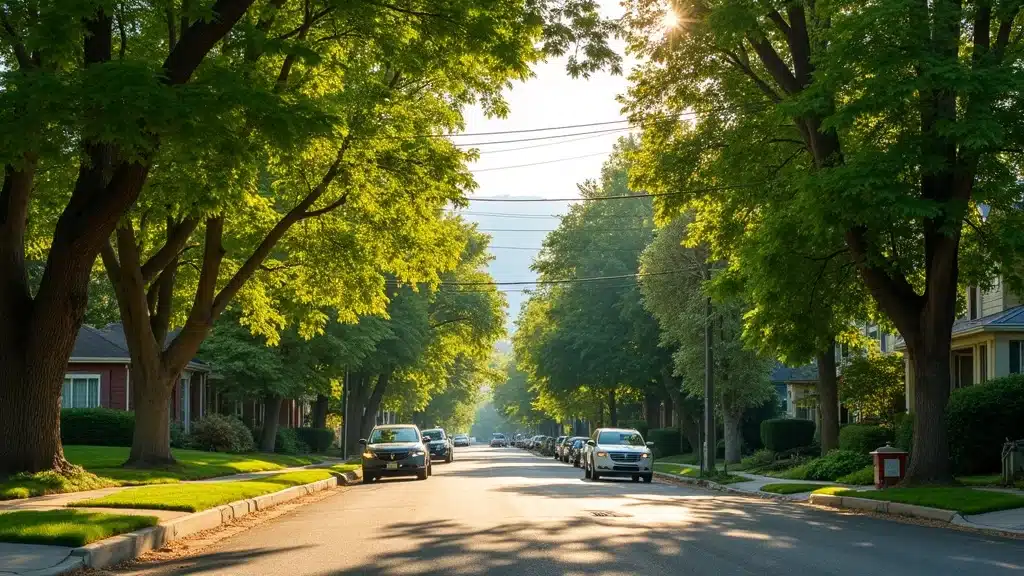
Lush urban Denver neighborhood with mature healthy diverse trees, calm and vibrant, sunbeams filtering through green foliage, Rockies in background, realistic tree bark and leaves, tree diseases threats

The Front Range Ecosystem and Its Unique Tree Diseases

Denver is nestled along the Front Range—where plains meet mountains—and this unique geographic mix fosters a diverse range of tree species, from sturdy native cottonwoods to graceful ash and resilient conifers. Yet, the same climate that allows so many species to flourish also makes local trees vulnerable to specialized tree disease and insect invaders. These include bacterial and fungal disease such as fire blight, Dutch elm disease, and the notorious emerald ash borer that target city trees with deadly efficiency.

The fluctuating weather patterns, frequent droughts, and rapid temperature changes also put stress on trees, making them more susceptible to disease. The Front Range’s interconnected parks, greenbelts, and backyard forests provide pests and pathogens with a network to spread rapidly unless property owners and arborists work together to slow the cycle.

Why Healthy Trees Are Vital for Denver CO’s Environment

Healthy trees do much more than beautify streets—they serve as living shields against air pollution, extreme weather, and the urban heat island effect. Shade from robust tree canopies lowers cooling bills in summer, and their deep roots prevent soil erosion and filter water naturally for the city and the South Platte River. Urban trees in Denver combat climate change by capturing carbon. When they succumb to disease or insect threats, neighborhoods can lose critical ecosystem services, compounded by increased replacement costs and time to maturity for new plantings.

Without proactive management of the most common threat to Denver CO trees, communities could see fewer healthy trees, decreased air quality, lost property value, and higher utility bills—making effective tree disease prevention everyone’s responsibility.

Overview: Why Protecting Denver CO Trees Matters (1)

(Embed video for “Overview: Why Protecting Denver CO Trees Matters”)

Tree Diseases: Identifying the Most Common Threat to Denver CO Trees

The Most Prevalent Tree Disease in Denver

  • Dutch elm disease
  • Fire blight
  • Other common tree diseases

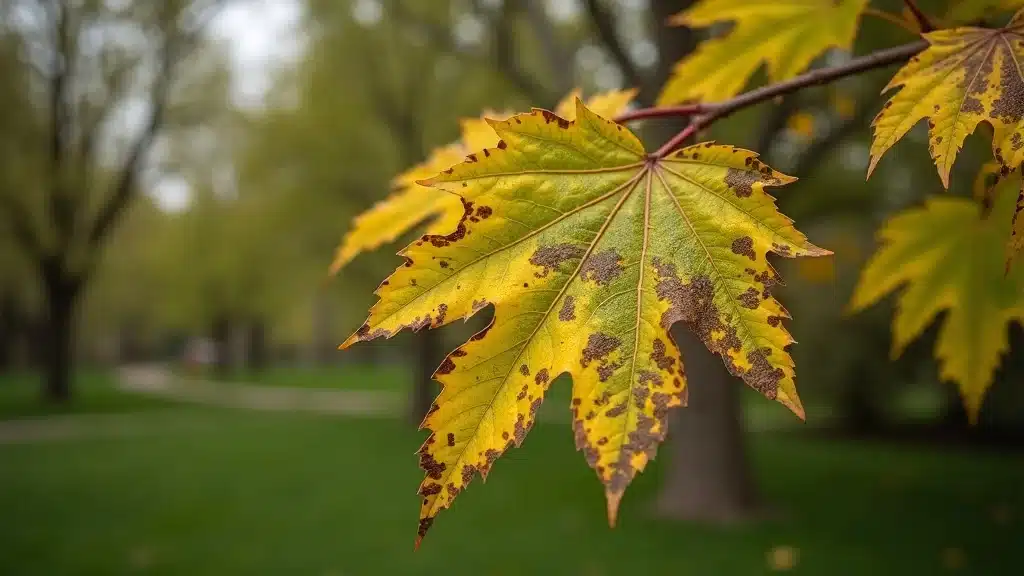
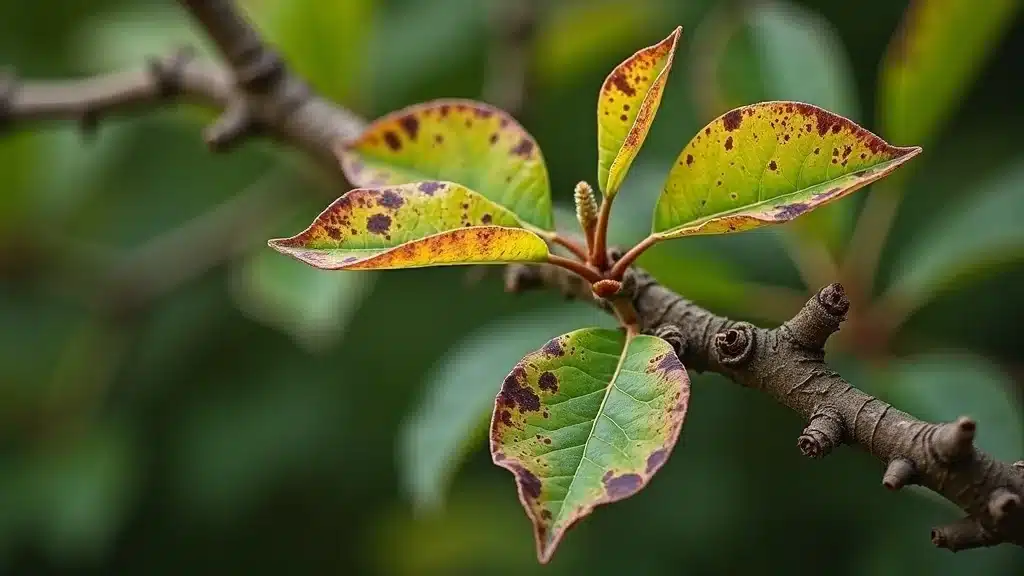
Close-up of diseased elm tree branch showing yellowing and wilting leaves with patchy discoloration, highlighting tree disease identification in Denver CO

The most persistent tree diseases affecting Denver include Dutch elm disease, fire blight, and a host of fungal threats. Dutch elm disease is a fungal invader carried by bark beetles that can wipe out mature elms within a single growing season. Likewise, fire blight, a bacterial disease, devastates fruit trees and can jump to other susceptible hosts when left untreated. Each of these tree diseases spreads rapidly and subtly, often showing signs only after the infection is well established. Yellowing leaves, premature wilting, and cankers are common, but easy to overlook in the bustle of city life.

Homeowners and city managers must regularly inspect not only their elms, but also ash trees, oaks, and fruiting species, as these can harbor or transmit disease to healthy neighbors. Changes in leaf color or texture, the presence of sticky sap, or the sudden decline of a previously healthy tree are urgent signals for action. Early professional intervention offers the best chance for recovery and stopping the spread, highlighting why these infections remain the most common threat to Denver CO trees.

Ash Tree and Elm Disease: Signs and Symptoms

Ash trees and elms are iconic in Denver, but both are highly vulnerable—elms to Dutch elm disease and ashes to the emerald ash borer. Symptoms can start small: in elms, look for wilting, brown streaks in sapwood, and gradual canopy loss. With ash trees, key warning signs include D-shaped exit holes in bark, extensive dead branches in the crown, and a thinning canopy. If you spot these, act quickly—these classic symptoms mean disease or insects have taken hold.

Ash borer impacts become visible as bark splits, dieback, and small patches of leaf loss. Both elm disease and ash borer infestations are easier to manage when caught early. Proper identification is essential for choosing the right fungicide, pruning technique, or even removal strategy to protect other trees in the landscape.

How Tree Diseases Spreads Across Urban Landscapes

Tree diseases can move through Denver neighborhoods at astonishing speed. Many are spread by windblown spores, splashing water, or even the gardening tools of well-meaning residents. Bark beetles—especially the elm bark beetle—can ferry Dutch elm disease from tree to tree as they burrow beneath bark. Bacterial diseases such as fire blight can quickly infect entire rows of fruit trees or susceptible ornamentals after storms or unintentional pruning.

Because so many city trees are planted closely together along streets and in parks, a single infection can turn into a multi-block disaster if not quickly controlled. This urban connectivity means property owners play a vital role in preventing the spread: regular inspections, prompt removal of infected wood, and strict tool sanitation help limit outbreaks. When in doubt, always consult a certified arborist who knows the patterns and prevention strategies for tree diseases in the Denver region.

Insects and Diseases: A Closer Look at Bugs Threatening Denver CO Trees

Bark Beetle Infestations: The Bark Beetle’s Impact on Denver CO Trees
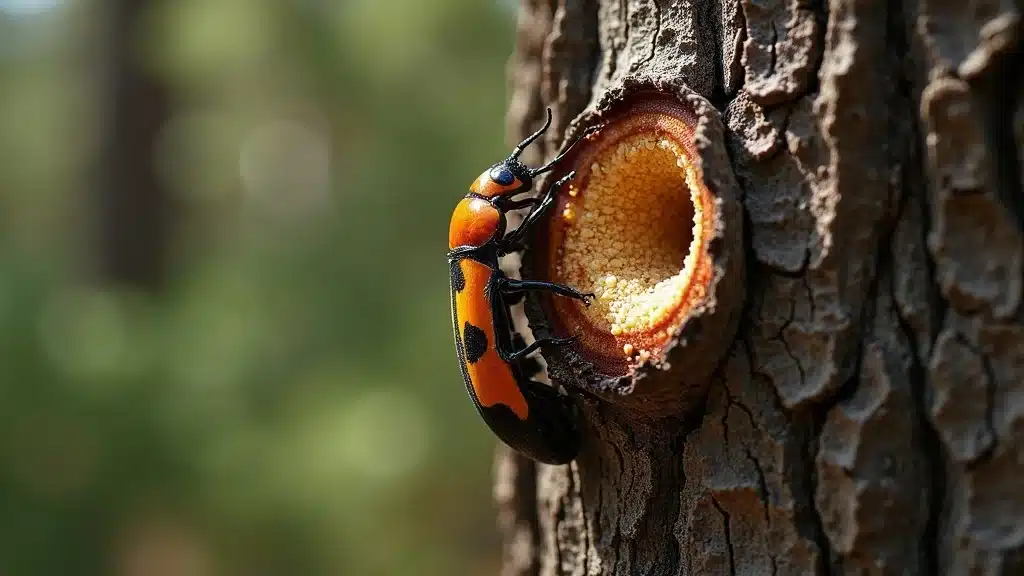
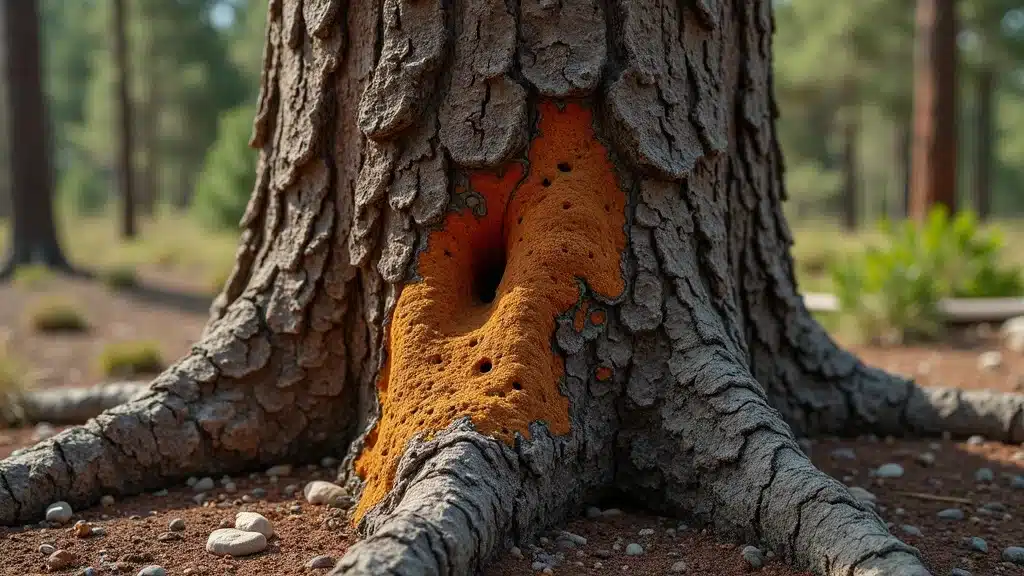
Close-up detail of pine bark with bark beetle bore holes and pitch tubes, emphasizing bark beetle infestation in Colorado pine trees

Bark beetles are notorious for devastating pine and spruce trees across Colorado, including urban and suburban Denver communities. These tiny invaders bore into the bark of susceptible trees, laying eggs and introducing blue-stain fungi that ultimately choke off the tree’s nutrient pathways. The tell-tale signs—tiny round holes, sawdust at the base, and oozing pitch tubes—may appear benign, but signal a major threat to tree health.

Once a bark beetle population takes hold, they can overwhelm even healthy trees, especially during drought. Urban infestations are worsened by closely spaced trees, offering easy corridors for movement. Healthy tree maintenance and proactive monitoring for early beetle signs can help preserve Denver’s tree canopy and prevent large-scale die-offs seen elsewhere in Colorado.

Emerald Ash Borer and Ash Borer: The Destruction of Ash Trees

The emerald ash borer (EAB) is perhaps the most dreaded threat to Denver’s beloved ash trees. This metallic green beetle arrived in North America roughly two decades ago and has decimated millions of ash trees. Signs of infestation include thinning foliage, branch dieback, and the characteristic D-shaped exit holes in the bark. The ash borer’s larvae tunnel beneath the bark, interrupting nutrient flow and essentially starving the tree.

Homeowners are urged to watch for early symptoms on their ash trees—such as vertical bark splits, epicormic shoots, and increased woodpecker activity. Left unchecked, the emerald ash borer can destroy mature trees within a few years, altering the character of entire streets and parks. Aggressive professional intervention and preemptive tree injections can slow EAB’s advance—making community-wide action a must.

Mountain Pine Beetle: What is Killing the Pine Trees in Colorado?

The mountain pine beetle is the primary culprit behind vast swaths of dead and dying pines, both in Colorado forests and now increasingly in urban settings like Denver and Colorado Springs. These beetles burrow under bark, leaving pin-sized holes and spreading blue-stain fungus, which disrupts water and nutrient uptake. The first symptoms are yellowing or rusty-needle discoloration, quickly followed by entire tree decline.

Warmer winters and prolonged drought have supercharged their populations, making early detection especially critical. Removing beetle-infested trees, regularly thinning vulnerable pine stands, and choosing healthy tree varieties for replanting are the best tools for Denver property owners battling this relentless pest.

The Role of Invasive Tree Species in Denver CO

What Trees Are Invasive in Colorado?
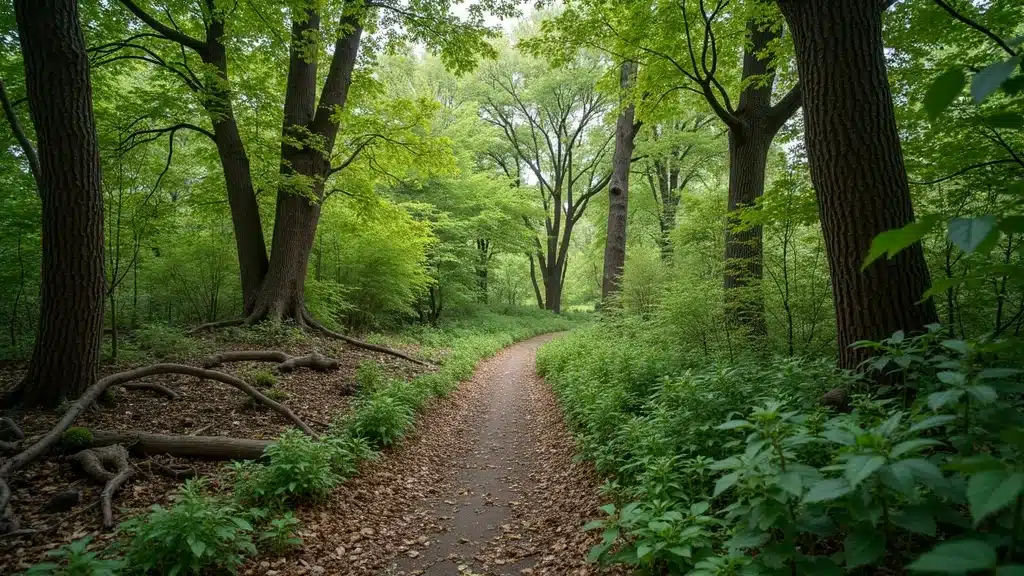
Denver city park showing contrast between healthy native trees and encroaching invasive species, concern about tree health and invasive species threats

Invasive tree species in Colorado present an often-overlooked danger to the native and ornamental trees that make up Denver’s landscape. Notable invaders include the Siberian elm, Russian olive, and tree-of-heaven. These species out-compete locals like cottonwoods and oaks for water, sunlight, and nutrients, making native trees more susceptible to disease by stressing them further.

Invasive species also disrupt the local ecosystem—pushing out beneficial insects, birds, and undergrowth, which play vital roles in keeping tree diseases and pest populations in check. Identifying invasive trees and limiting their spread is crucial for protecting the trees health of the urban canopy, ensuring Denver’s public and private landscapes remain resilient and diverse.

Impact of Invasive Trees & Best Practices for Native Species Protection

Unchecked, invasive trees form dense thickets that suppress young native growth, weaken tree resilience, and create tangled habitats ideal for pests and fungi. For property owners, the best strategy is to replace invasive trees with native or regionally adapted choices and support community initiatives that promote biodiversity.

Regular monitoring, prompt removal of young invasive seedlings, and consulting with a certified arborist can prevent the establishment of new invasive populations. Community-wide planting of disease-resistant, native trees rebalances the local ecosystem and limits the spread of the most common threat to Denver CO trees.

Table: Comparison of Tree Disease, Insects, and Invasive Threats in Denver CO
Tree Type Primary Threat Typical Signs Recommended Actions
Ash Trees Emerald Ash Borer (ash borer) Wilting leaves, canopy dieback, D-shaped exit holes, epicormic shoots Early detection, trunk injections, professional consultation, removal and replacement with non-susceptible trees
Elm Trees Dutch Elm Disease Brown streaks in sapwood, wilting branches, canopy thinning Remove infected limbs, sanitize tools, inject fungicide, prompt removal if severely infected
Pine Trees Bark Beetles/Mountain Pine Beetle Small round holes, blue-stain fungus, browning needles Monitor for infestation, remove dead trees, thin stands, plant resistant varieties
Fruit Trees Fire Blight Oozing cankers, blackened twigs (“shepherd’s crook”), blossom death Prune affected parts, disinfect tools, apply appropriate bactericide
Various Invasive Tree Species Dense thickets, rapid spread, crowding out native species Remove invasives, plant natives, support ecological restoration

Preventing the Most Common Threat to Denver CO Trees: Practical Steps
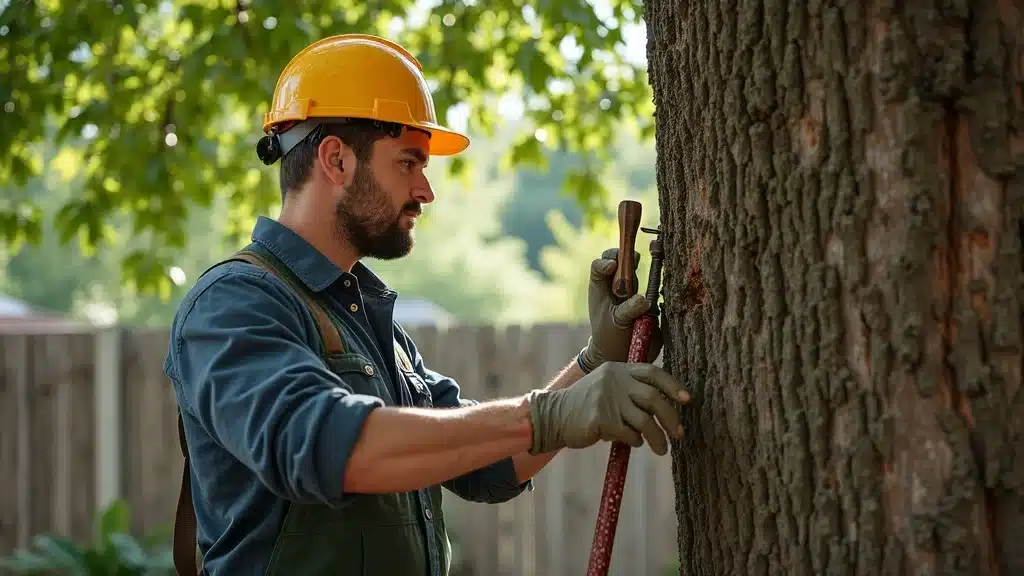
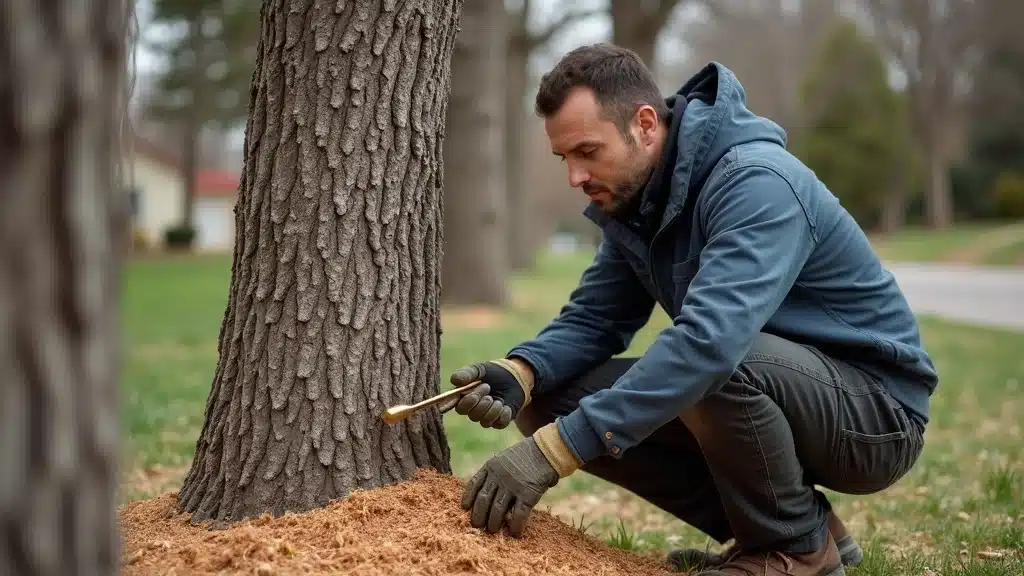
Professional arborist examining a large Denver urban tree, inspecting bark for pests and disease, tree health evaluation

Monitoring for Early Signs of Tree Disease and Bark Beetle Presence

Early detection is the linchpin of protecting your landscape. Conduct regular visual checks for leaf discoloration, wilting, cankers, and unusual bark damage—especially on ash, elm, pine, and fruit trees. For bark beetle infestations, seek out telltale bore holes and resin clogging the bark. Walk around your property monthly, noting any sudden changes in tree health or new insect activity.

If you identify warning signs—such as exit holes, dead branches, or sticky oozing sap—immediately limit potential spread by removing affected material and cleaning your gardening tools with bleach or alcohol. Many tree diseases and insect pests act fast, so waiting until damage is widespread may mean losing the tree. Incorporate consistent checks as part of your property’s seasonal routine to keep your trees healthy year-round.

Professional Tree Care: When to Call a Denver CO Arborist

Some symptoms may be subtle or confusing, but a certified arborist can offer swift, expert guidance. Seek help when you spot multiple declining trees, large dead limbs, or signs of aggressive pests like emerald ash borer or mountain pine beetles. Arborists are trained to diagnose tree species, diseases, and insect threats, and recommend evidence-based treatments like targeted pesticide applications, trunk injections, or strategic pruning.

If you’re considering tree removal, replanting, or making significant changes to your landscaping, a professional can help you select disease-resistant, regionally appropriate trees that promote long-term resilience. Proactive consultation with a local expert can often save not just individual trees, but entire canopies and neighborhoods.

Maintaining Healthy Trees: Watering, Pruning, and Soil Care

Prevention starts with supporting robust tree health. Provide deep, slow watering during dry periods—especially the Front Range’s frequent late summer droughts. Prune trees during dormant seasons to prevent disease spread and remove weak or crossing branches. Use mulch to retain soil moisture and insulate roots, but always leave a gap near the trunk to prevent rot.

Conduct periodic soil tests for nutrient deficiencies, and amend accordingly to help trees withstand environmental stress and resist disease. Choose only high-quality compost and avoid over-fertilizing, which can attract pests. These basic habits are simple but incredibly effective at keeping trees healthy and resistant to the most common threat to Denver CO trees.
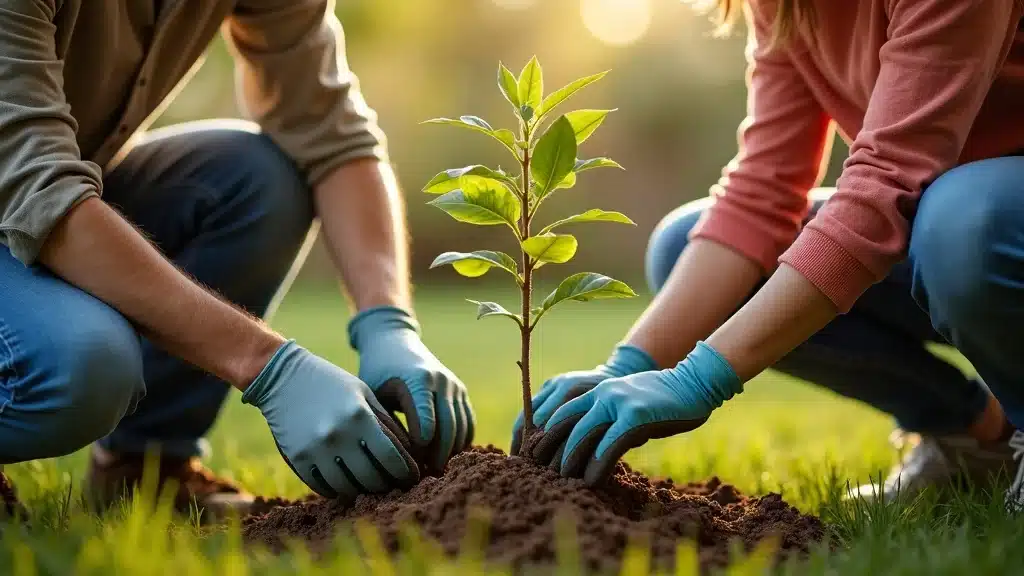
Denver family planting and watering a young tree, teamwork, nurturing healthy trees, pine and elm tree diseases prevention

Community Action: Working Together to Fight Tree Diseases and Invasive Insects

The fight against tree diseases and invasive insects is most effective when the entire neighborhood joins forces. Sharing information about pests, coordinating yard inspections, and reporting outbreaks to city arborists helps everyone respond quickly. Participate in community tree-planting drives, volunteer for removal of invasive species, or join a neighborhood watch for tree health by staying connected with your local parks department or urban forestry initiatives.

Neighborhood engagement also increases funding and awareness for public tree maintenance, sanitary pruning, and urban forest management in Denver. Always follow best practices, advocate for native species, and encourage friends and neighbors to prioritize early intervention because, “An early detection routine can mean the difference between losing an ash tree to emerald ash borer, or preserving your green legacy for another generation. ” – Certified Arborist, Denver CO

  • Checklist: Signs your tree may need expert attention
    • Sudden leaf yellowing, wilting, or dieback
    • Unusual bark damage (holes, splits, sticky sap)
    • Unexplained dead or dropping limbs
    • Rapidly spreading discoloration or fungus
    • Presence of visible insects or sawdust at the tree base
  • Recommended prevention strategies for Denver homeowners
    • Inspect trees monthly and after storms
    • Sanitize all pruning tools between trees
    • Plant native and disease-resistant tree species
    • Consult with certified arborists for professional support
    • Engage in community vigilance and action groups

FAQs on the Most Common Threat to Denver CO Trees

What bug is killing the trees in Colorado?

The principal insects killing trees in Colorado are the emerald ash borer, bark beetle (including the mountain pine beetle), and various other species such as the Ips beetle. Emerald ash borer targets ash trees, leaving D-shaped holes and canopy thinning, while bark beetles attack pines and spruces, boring into bark and introducing fungi that ultimately kill the tree. Early identification and intervention are crucial for control.

What trees are invasive in Colorado?

In Colorado, the most common invasive trees include Siberian elm, Russian olive, and tree-of-heaven. These species outcompete native trees, consume excess water, and create dense thickets that affect the health and diversity of local ecosystems. Removing invasive trees and replanting with natives or disease-resistant varieties helps protect the state’s tree populations.

What are some threats to trees?

Trees are threatened by a combination of factors, including fungal and bacterial tree diseases like Dutch elm disease and fire blight, invasive insect pests such as emerald ash borer and bark beetles, environmental stresses like drought, improper watering, and invasive tree species. Vigilant care and prompt expert intervention can mitigate many of these threats and keep trees healthy.

What is killing the pine trees in Colorado?

The main culprit killing pine trees in Colorado is the mountain pine beetle, a bark beetle species that bores into tree trunks and spreads blue-stain fungus. This dual threat quickly leads to widespread pine mortality, both in forests and urban landscapes. Aggressive monitoring, removal of infested trees, and planting resistant pine varieties are the best defense.

Key Takeaways: Most Common Threat to Denver CO Trees

  • Tree diseases and invasive insects such as emerald ash borer are urgent threats
  • Early intervention and professional advice are critical
  • Community efforts and ongoing tree maintenance boost resilience

Protect Your Property: Connect with Denver CO Tree Services

Take Action Now Against the Most Common Threat to Denver CO Trees

Protect your trees before threats strike—early care, expert help, and community vigilance are your strongest defense against Denver’s most common tree dangers.

Sources

Denver’s urban forest faces significant threats from invasive pests and diseases, notably the emerald ash borer (EAB) and Dutch elm disease. The EAB, first detected in Denver in June 2025, poses a severe risk to the city’s ash trees, which constitute approximately 15% of the urban canopy. This invasive beetle’s larvae tunnel beneath the bark, disrupting the tree’s nutrient flow and often leading to death within a few years. (westword. com) Similarly, Dutch elm disease has been a persistent issue, affecting the city’s elm population. This fungal disease, spread by elm bark beetles, can rapidly kill mature elms, transforming once-healthy neighborhoods into landscapes peppered with dying or dead trees. (denvergov. org) To combat these threats, the City of Denver has been proactive in monitoring and managing tree health. Residents are encouraged to stay vigilant for signs of infestation or disease, such as canopy dieback, wilting leaves, or unusual bark damage. Early detection and prompt action are crucial in preserving Denver’s urban canopy. (denvergov. org) For more detailed information on tree pests and diseases in Denver, you can refer to the City and County of Denver’s official page on Tree Pests and Diseases. (denvergov. org) Additionally, the Colorado State Forest Service provides comprehensive resources on the emerald ash borer and its impact on Colorado’s urban forests. (csfs. colostate. edu) By staying informed and proactive, Denver residents can play a vital role in protecting the city’s trees from these common threats.


Trim Your Canopy, Let the Sunlight Shine: Tree Care Tips

John Egart Denver Tree Service
Three young adults walk together on a tree-lined sidewalk in a suburban neighborhood on a sunny day, chatting and smiling, with houses and lush green grass in the background.

Did you know that studies show improper tree canopy management can block up to 90% of sunlight from reaching your lawn and garden? Imagine the difference healthy, regularly trimmed trees can make—not only for your outdoor space but also for the health of your mature trees and the enjoyment of every sunny Colorado afternoon. In this guide, you’ll discover essential strategies to trim your canopy, let the sunlight shine, and achieve a vibrant, healthy landscape.

Did You Know? Why You Should Trim Your Canopy and Let the Sunlight Shine

For homeowners in Denver CO, understanding why you should trim your canopy and let the sunlight shine is key to keeping both your trees and your outdoor space healthy. Dense tree canopies, while beautiful, can block sunlight, stifle underlying plants, and even contribute to pest problems. Regular tree care, including strategic pruning and professional support, guarantees that sunlight can penetrate your canopy, benefiting both people and plants below.

Trees that are left to grow unchecked often develop crossing branches or grow too dense. This can cause poor air circulation, increased disease risk, and reduced visual appeal. By bringing in elements of proper tree pruning and considering when professional tree services or even tree removal might be needed, you elevate your landscape and increase safety. Focusing on healthy tree canopies means encouraging robust growth, stronger limbs, and a safer environment—an approach supported by certified arborists throughout Denver.

“Healthy tree canopies are essential for sunlight penetration and overall tree vitality.” – Certified Arborist, Denver CO

trim your canopy let the sunlight shine photorealistic vibrant neighborhood street with mature trees, smiling people walking, sunlight filtering through trimmed canopies

What You’ll Learn About Tree Canopy Trimming

  • Understand why it’s important to trim your canopy and let the sunlight shine
  • Explore best practices for tree pruning and canopy management
  • Learn the basics of professional tree service and tree care
  • Discover safety tips and eco-friendly trimming methods

Understanding Tree Canopies: The Benefits of a Healthy Tree Canopy

The Role of Tree Canopies in Your Landscape

Your tree canopy is the upper layer of leaves and branches that forms a cover over your landscape. This natural umbrella plays a crucial role in maintaining healthy trees, moderating temperatures, filtering air, and reducing high winds—especially during Denver’s unpredictable weather. Mature tree canopies not only provide shade but also contribute to cleaner air quality by absorbing carbon dioxide and releasing oxygen, making your backyard or front yard a more enjoyable outdoor space.

Proper canopy care increases property value and enhances the beauty of neighborhoods throughout Denver CO. The presence of healthy tree canopies is linked to improved mental well-being, cooler summer afternoons, and thriving gardens underneath. But dense canopies or neglected branches can block sunlight and reduce the amount of sunlight plants and grass receive, impacting both curb appeal and overall vitality. Regularly assessing your canopy ensures a balance between shade and sunlight, keeping your landscape lively and comfortable.

tree canopy photorealistic dense tree canopy over backyard sunbeams breaking through leaves healthy landscape

Tree Canopy Health and Sunlight Penetration

The health of your tree canopy determines how much sunlight reaches everything below. Dense, overlapping branches can block sunlight, restricting the light exposure your lawn, flowers, and shrubs need to thrive. When you trim your canopy and let the sunlight shine, you encourage undergrowth to flourish, minimize mold or mildew issues, and help maintain robust, disease-resistant trees. The right balance lets sunlight to filter through, providing energy for photosynthesis while still offering vital shade during the hot summer months.

Air flow is another major benefit of a well-trimmed canopy. Good air circulation reduces the risk of fungal diseases and insect infestations, which often target humid, shaded spaces of overly dense canopies. By prioritizing regular tree care and adopting expert tree pruning practices, you set the foundation for resilient, visually appealing landscapes that support both plant and human well-being.

Why Let the Sunlight Shine Through Your Tree Canopy?

Allowing sunlight to shine through your tree canopy is about more than just brightening your yard—it’s integral for maintaining healthy trees and stimulating strong tree growth. Adequate sunlight exposure supports grass and gardens, reduces moisture-related diseases, and encourages young trees to develop straight, sturdy trunks. It’s especially important in neighborhoods where mature trees add privacy and beauty but can also block essential sunlight if not maintained.

By letting sunlight in, you also ensure a safer environment. Overgrown and crowded canopies can conceal broken limbs or crossing branches, increasing risks during high winds or storms. Strategic sunlight management, via pruning and canopy management, allows you to spot issues early, keeping your yard and those around it safe, attractive, and functional all year long.

Trim Your Canopy, Let the Sunlight Shine: Core Principles of Tree Care

Tree Pruning Techniques for Healthy Canopies

Effective tree pruning is the cornerstone of tree care. Techniques such as thinning, reduction, and removal of dead or damaged branches are essential for maintaining healthy trees and maximizing light exposure. Begin by identifying which branches block sunlight or cross each other, as these can stunt tree growth and create hazards. Thinning the canopy—carefully and selectively removing interior branches—encourages sunlight to reach every layer, benefitting both the tree and everything underneath.

Always use clean, sharp tools and make precise cuts just outside the branch collar to promote rapid healing. Proper pruning in the dormant season is best for many species, reducing stress and risk of disease. Pruning for health is about more than looks; it’s about nurturing resilience, preventing overgrowth, and ensuring your mature tree stands strong through every hot summer and Colorado windstorm.

How Tree Trimming Encourages Tree Growth

Trimming your canopy doesn’t stunt growth—it invigorates it! By removing dead, crowded, or crossing branches, you redirect the tree’s energy to thriving limbs. The result? A sturdier trunk, improved shape, and vigorous new shoots. Regular tree trimming helps prevent overgrowth that might otherwise make your tree susceptible to disease, blockage of sunlight, and even damage from high winds.


Moreover, tree care experts in Denver CO note that proper pruning encourages flowering and fruit production among many tree species, offering both beauty and bounty. Balancing sunlight, air flow, and healthy growth ensures you maintain an outdoor space that’s both practical and picturesque, adaptable to local climate and soil conditions.
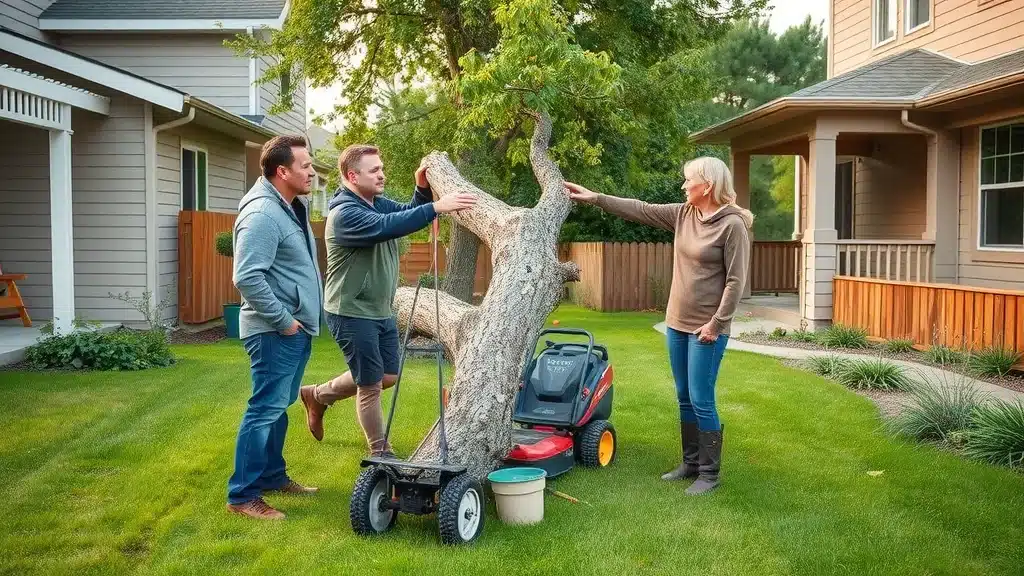
professional tree trimming arborist safely pruning branch mature tree landscaped yard

Professional Tree Services: When to Call an Expert in Denver CO

While many homeowners can handle light pruning, there are times when professional tree services are not just recommended—they’re essential. Large or mature tree canopies often require specialized knowledge, advanced tools, and safe practices to trim effectively and prevent injury. If your trees are near power lines, have large dead limbs, or show signs of disease, it’s wise to call a certified arborist or seek expert tree service.

Denver’s unique climate, with its combination of intense sun, high winds, and occasional heavy snow, means tree health can shift quickly. Professionals evaluate whether tree pruning or tree removal is needed and can help manage difficult jobs, from removing heavy branches to providing emergency support after storms. Choosing a trusted, local tree services company results in safer, healthier trees and peace of mind for your property.

Step-by-Step Guide: How to Trim Your Canopy and Let the Sunlight Shine

  1. Assess your tree canopy and identify problem areas
  2. Gather the right tree trimming tools
  3. Plan your cuts for maximum sunlight exposure
  4. Remove dead, damaged, or crossing branches safely
  5. Inspect the results and allow trees to heal

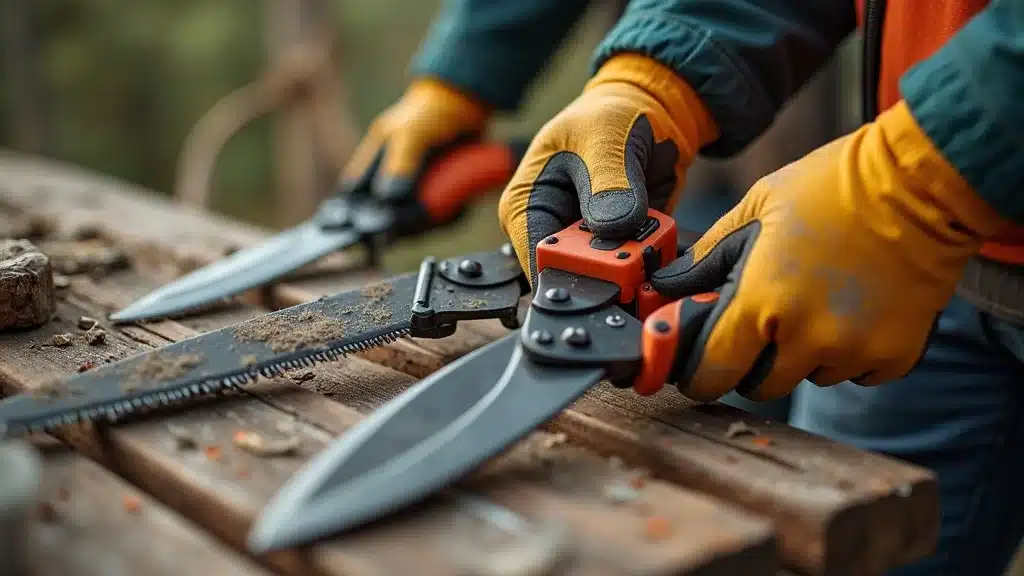
tree pruning tools hands holding pruners saws gloves outdoors on workbench

Start by inspecting your tree canopy for overgrowth, crossing branches, and areas where sunlight is completely blocked. Next, collect proper pruning equipment: sharp hand pruners, loppers for thicker limbs, a sturdy saw for larger branches, gloves, and protective goggles. Carefully plan where you’ll cut, always giving priority to dead, diseased, or damaged limbs, followed by branches that cross or rub against each other.

Remove selected branches cleanly, avoiding ragged cuts. Take your time—proper tree care is a marathon, not a sprint. Step back periodically to assess your progress, ensuring you’re letting in as much light as possible without over-thinning. Lastly, give your tree time to heal by monitoring for wounds or signs of stress and watering as needed, especially after significant pruning.

Canopy Pruning vs. Tree Removal: Making the Right Decision

Aspect Canopy Pruning Tree Removal
Purpose Promotes health & sunlight Removes hazardous/dead trees
Tools Needed Pruners, saws Chainsaws, lifting gear
Expertise Required Moderate to professional Professional tree service required

Knowing whether to prune your canopy or remove a tree altogether is vital. Canopy pruning is an ongoing, low-impact practice central to a healthy tree canopy, and is performed as part of routine tree care. In contrast, tree removal is more drastic, reserved for dead, heavily diseased, or dangerously unstable trees—especially those that threaten structures or power lines. Because tree removal demands experience and the right equipment, always consult a professional tree service when large trees are involved.

Many homeowners in Denver CO benefit from a regular assessment paired with strategic pruning, but when in doubt—or when safety is a concern—don’t hesitate to reach out to a local, certified arborist or professional tree services company.

Safety First: Tree Care and Tree Trimming Best Practices

  • Always wear safety gear
  • Avoid trimming near power lines
  • Consult professional tree services for large or risky jobs

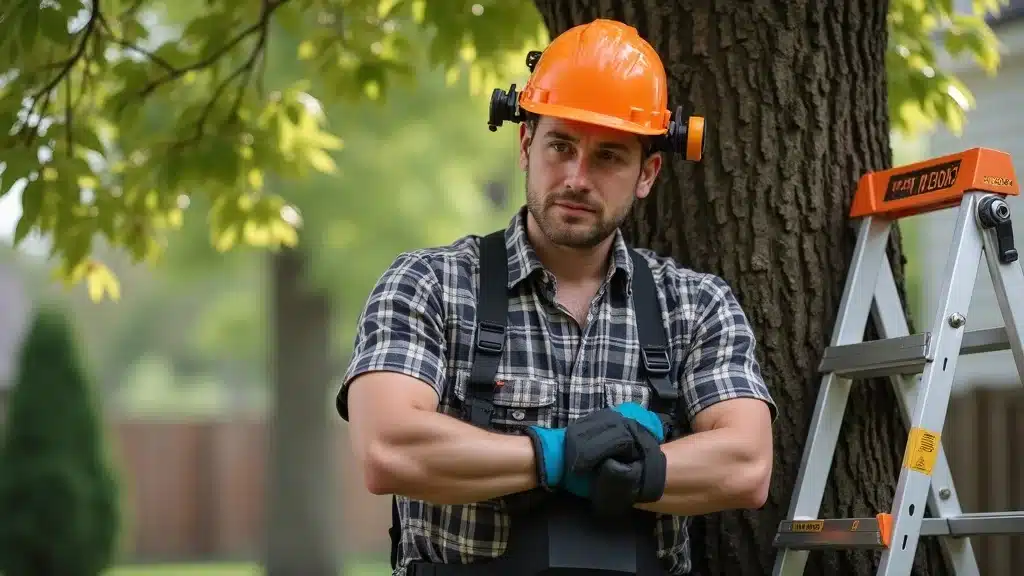
tree care safety cautious homeowner putting on helmet and gloves safety gear preparing to trim tree

Tree care and tree trimming, while rewarding, carry risks—especially for the unprepared. Always outfit yourself with appropriate safety equipment: gloves, safety glasses, helmet, and sturdy shoes. Check for overhead hazards like power lines and never attempt major pruning or tree removal on your own if these are present. In Denver CO, many yards feature mature trees that require climbing or the use of tall ladders; leave anything beyond simple pruning to the experts.

Establish a clear exclusion zone to protect people and property from falling branches. Make your cuts carefully, with stable footing, and keep bystanders—especially children or pets—well away from the work area. Following these best practices for branch removal and proper tree care keeps you, your family, and your landscape secure while keeping your trees healthy and beautiful.

The Science Behind How Trees Heal After Canopy Work

Trees Heal: Recovery After Trimming

When you trim your canopy and let the sunlight shine, it’s natural to worry about your tree’s ability to recover. Fortunately, healthy trees possess regenerative capacities. When proper tree pruning is performed, trees “seal” the wounds, creating a natural barrier against pests and pathogens. This process is known as compartmentalization. The key is making clean cuts outside the branch collar—avoiding jagged stubs—which allows trees to heal quickly and maintain their natural defenses.

During recovery, consistency matters. Avoid pruning in hot summer drought or during leaf flush—opt instead for dormant or semi-dormant periods, unless removing hazardous deadwood. Watering, mulching, and ongoing monitoring support healing and reduce stress, so your outdoor space rebounds swiftly after each maintenance session.

Encouraging Healthy Tree Canopy Regrowth

After canopy work, new growth—known as epicormic shoots—may sprout along limbs. When you’ve selectively removed the right branches, this regrowth is generally healthy and evidence of a thriving tree. However, excessive or improperly done pruning can lead to weak, poorly attached shoots, so moderation and technique matter. Regular tree care, especially by consulting professional tree services, ensures each trim stimulates robust, safe, and sustainable growth instead of future problems.

Nurture your tree with a layer of mulch (leaving a gap at the trunk), sufficient irrigation, and periodic inspections. When you maintain healthy tree canopies, your entire landscape becomes more vibrant and resilient year after year.

Expert Insights: Quotes from Professional Tree Services

“Properly pruned tree canopies allow for better air circulation and lower disease risk.” – Local Denver Arborist

Common Problems: Crossing Branches, Overgrowth, and When to Call for Tree Removal

Dealing With Crossing Branches in Your Tree Canopy

Crossing branches are a common enemy of healthy tree canopies. When two or more branches rub against each other, their bark may be damaged, creating open wounds for diseases and pests to invade. Crossing branches can inhibit proper growth, reduce light exposure, and contribute to overgrowth, especially in mature trees. The best approach is to identify and remove one of the offending branches—usually the less vigorous or poorly attached one—early in the tree’s development.

If left unaddressed, these problems can multiply, making future tree pruning more challenging. Consulting a professional tree service gives you the confidence that your trees will be cared for using best practices and with an eye towards sustaining long-term health in your Denver CO landscape.

Signs Tree Removal is Needed

Despite the benefits of canopy care, some situations demand tree removal. Look for warning signs: large dead limbs, significant lean, severe pest infestation, advanced decay at the trunk base, or proximity to structures or power lines. If your tree canopy exhibits sudden dieback, dropping limbs, or is otherwise endangering people and property, it’s time to call in professional tree services.

Attempting hazardous removals on your own can be extremely dangerous. Certified arborists in Denver have the experience, equipment, and training required to remove trees safely, ensuring your home and property are protected at every step.

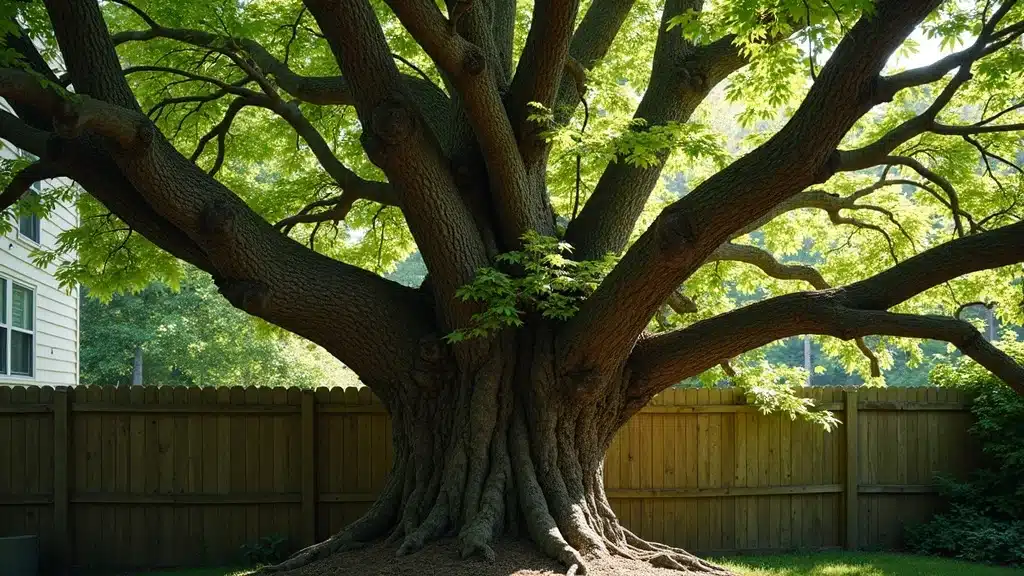
tree removal overgrown tree with crossing branches dead and healthy limbs tangled backyard

People Also Ask: Your Tree Canopy Questions Answered

What is the 123 rule of pruning?

The 123 rule of pruning is a simple, effective approach: first, remove the three D’s—dead, diseased, and damaged branches. Once those are cleared, focus on shaping and thinning the tree canopy for optimal sunlight penetration and healthy growth.

What is the 3 30 300 tree canopy rule?

The 3-30-300 rule offers a guideline for urban greening: each person should be able to see at least 3 trees from their home, live in a neighborhood with 30% tree canopy cover, and be no more than 300 meters away from a sizeable green space. This approach supports health, air quality, and happier communities.

What is canopy pruning?

Canopy pruning refers to the selective removal of branches in the upper reaches of a tree to improve sunlight access, enhance air circulation, and boost overall tree vitality. This careful strategy supports healthy, strong trees while reducing risks associated with overgrowth or crossing branches.

How to trim a tree canopy?

Start by assessing the tree for damaged, dead, or crossing limbs. Gather the necessary tree trimming tools, prune only what’s needed, and follow safety guidelines, especially when working with large or mature trees. For major jobs, or when in doubt, enlist professional tree services to ensure proper, lasting results.

Coming soon: Step-by-step visual guide on canopy trimming and sunlight management for homeowners!

Watch for the latest techniques and pro-tips on keeping Denver CO trees at their healthiest.

FAQs About Tree Canopy Trimming, Tree Care, and Sunlight Management

  • How often should I trim my tree canopy in Denver CO? Every 2–3 years for most shade and ornamental trees, or as needed for safety and health.
  • Can tree pruning improve backyard sunlight exposure? Yes! Proper pruning opens the canopy, allowing more sunlight and healthier grass and plants below.
  • What are the best months for tree trimming? Late winter to early spring is ideal for many species, before active growth starts, although some quick trims can be made mid-season for safety.
  • Is it safe to DIY tree canopy maintenance? Light pruning of small branches is safe for many, but larger jobs near power lines or with big trees should be left to professional tree services.

Key Takeaways for Your Tree Canopy and Sunlight Goals

  • Tree canopy trimming is vital for tree health and sunlight distribution
  • Professional tree services ensure safety and expert results
  • Regular tree care supports vibrant, healthy landscapes

Ready to Trim Your Canopy? Contact Denver CO Tree Services Today

“Trust local experts for your tree canopy trimming and tree service needs. Book a consultation at https://www.coloradotreeservicepros.com/tree-service-for-denver-co/

Conclusion

Mastering tree canopy care ensures beauty, health, and sunlight for your landscape. Consult local tree service pros to keep your trees—and your home—thriving in Denver’s unique climate.

Sources

Maintaining a well-trimmed tree canopy is essential for promoting sunlight penetration and overall tree health. The article “10 Benefits of Tree Trimming and Pruning” from Atlanta Arbor highlights that regular pruning not only enhances the aesthetic appeal of your landscape but also improves tree health by removing dead or diseased branches, thereby allowing more sunlight to reach the ground below. (atlantaarbor. com) Similarly, the piece “Crown-Raising Trees Lets More Light Into Your Landscape – Here’s How to Do This Simple Pruning Job” from Gardening Know How explains that crown-raising, a specific pruning technique, involves removing lower branches to increase light availability for undergrowth and improve air circulation. (gardeningknowhow. com) If you’re serious about enhancing your landscape’s vitality and ensuring the health of your trees, these resources offer valuable insights into effective canopy management practices.

How to Tell if You Tree Is Sick in Denver: Spot the Signs

John Egart Denver Tree Service
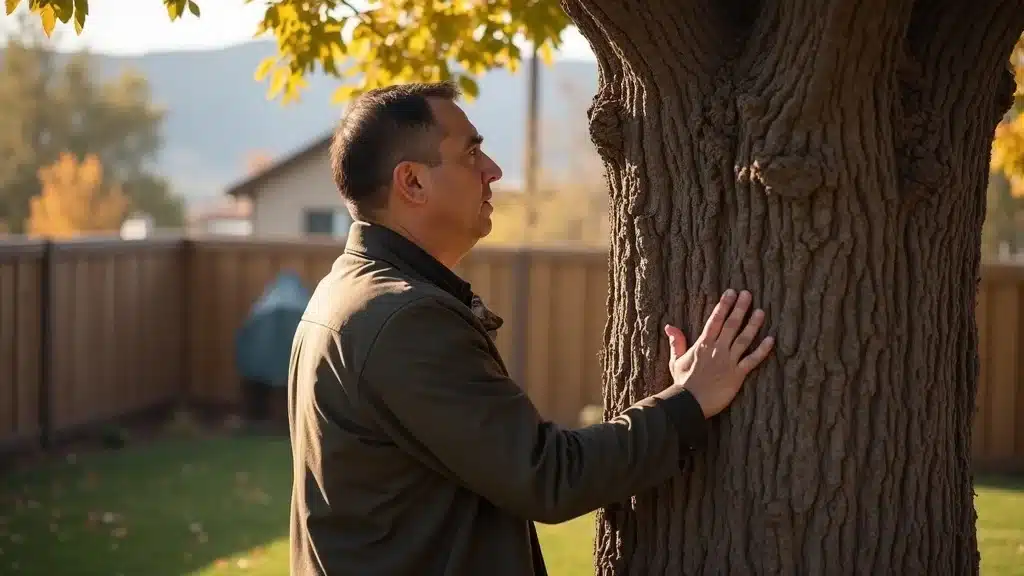
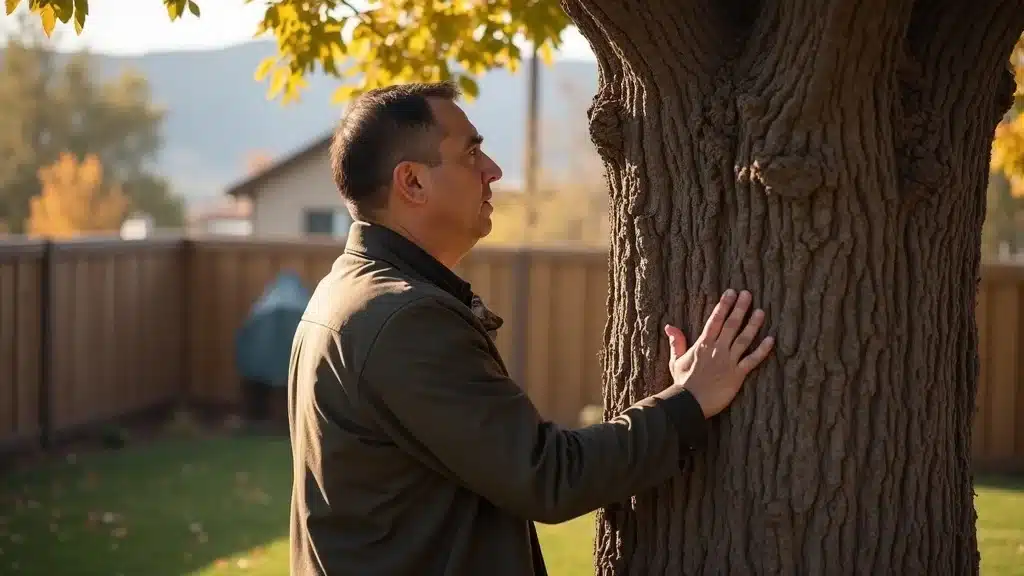
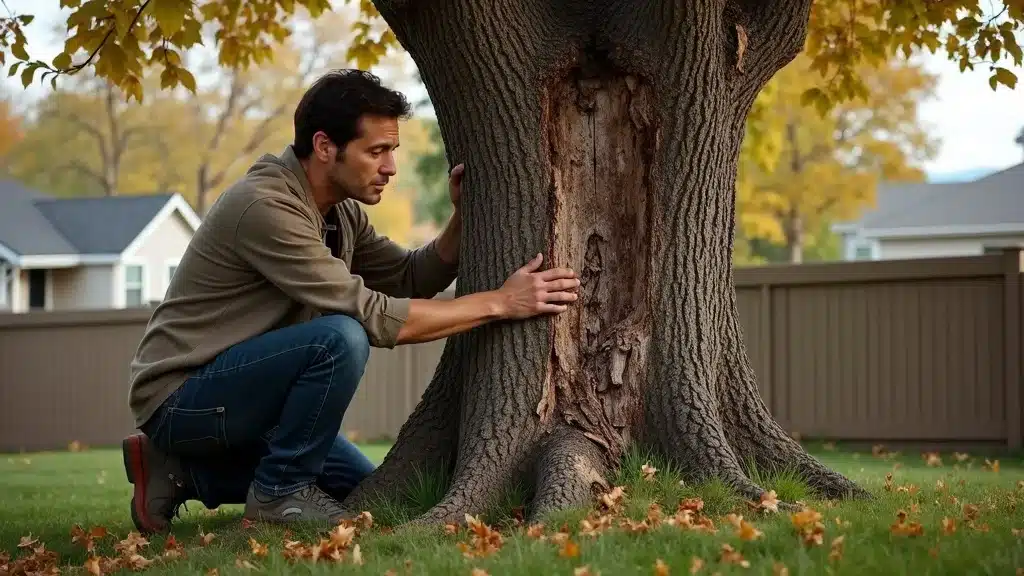
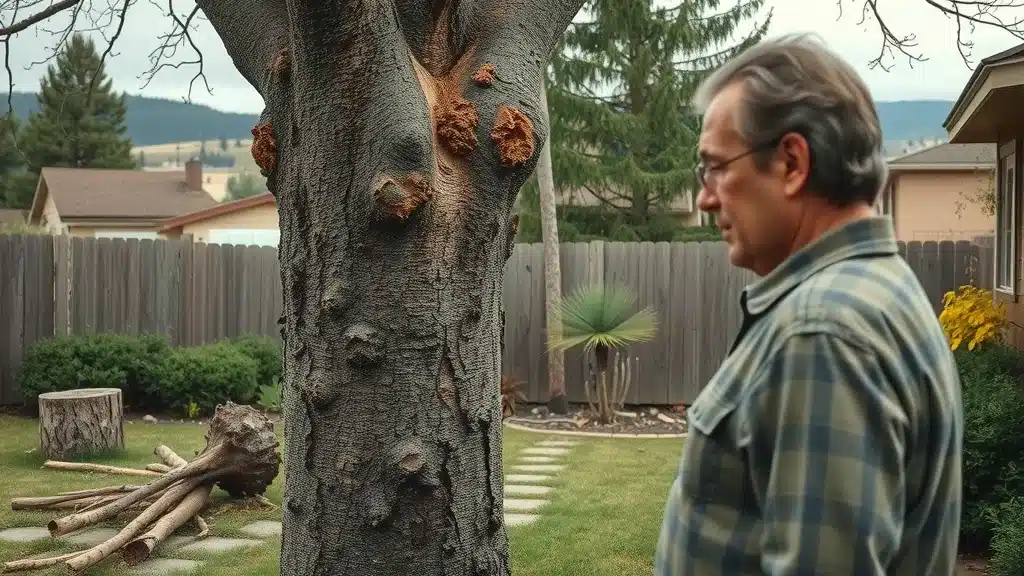
A man stands in a sunlit backyard, gently touching the trunk of a large tree with both hands. He looks at the tree thoughtfully, surrounded by a wooden fence and autumn foliage.

Is your favorite tree trying to tell you something? What if those yellowing leaves, random bark cracks, or sudden branch drops aren’t just a fluke, but signs of a sick tree desperately signaling for help? In Denver, where our climate can swing from sun-soaked to snow-laden in a week, it’s more important than ever to recognize these subtle distress signals and protect the health of your trees before minor issues turn into major headaches. Read on, and you’ll discover expert-backed ways to tell if your tree is sick in Denver—and what you can do about it.

Are You Wondering How to Tell if You Tree Is Sick in Denver? Key Questions to Consider

Opening Inquiry: Is Your Tree Sending Out Distress Signals?

Have you ever found yourself looking up at your favorite shade tree, wondering if something is wrong? Sometimes the smallest changes—a few curled leaves, an unexpected section of peeling bark, or a suspicious patch of fungus—can be early signs your tree is sick. As a homeowner in Denver, the ability to spot these “distress signals” can make all the difference for your landscape. Early action not only preserves your yard’s beauty but helps prevent the spread of tree disease to other plants nearby. If you’re uncertain about how to tell if you tree is sick in Denver, don’t worry—recognizing these signals is easier than you think with the right guidance.

Denver homeowner examining a tree for signs of sickness, focusing on peeling bark and fallen leaves.

Why Tree Health Matters in Denver’s Unique Climate

Denver’s climate is unlike anywhere else: high-altitude sun, sudden temperature swings, late spring frosts, and periods of drought can stress even the toughest trees. Add in local pests such as the mountain pine beetle and persistent tree diseases, and our urban forest faces unique risks. When a tree’s health declines here, it can quickly impact your property’s shade, curb appeal, and even safety. That’s why understanding the early warning signs is key to proactive tree care. Recognizing when your tree is sick isn’t just about aesthetics—it helps maintain value, sustainability, and the vibrant green canopy Denver is known for.

What You’ll Learn in This Guide to How to Tell if You Tree Is Sick in Denver

  • How to recognize early signs of tree disease and distress
  • Identification of common tree diseases in Denver
  • Expert insights from certified Denver arborists
  • Steps for addressing a sick tree
  • The importance of professional tree service

Understanding Tree Health: How to Tell if You Tree Is Sick in Denver

Common Tree Diseases Affecting Tree Health in Denver

Denver is home to a huge variety of beautiful trees, from sturdy maples and stately elms to characteristic pines, all of which are vulnerable to a roster of tree diseases. Among the most common threats are Dutch Elm Disease, Elm Yellows, and the ever-dreaded Mountain Pine Beetle. Each of these illnesses can weaken the tree—not just on the surface, but deep in its core, affecting roots, bark, and even the flow of nutrients. When you’re thinking about how to tell if you tree is sick in Denver, look for patterns like patchy leaf color, abnormal growth, and visible signs of fungal activity on the bark or branches. Recognizing these early can make the difference between a thriving tree and a landscape in need of rescue. Left untreated, such diseases can spread rapidly across neighborhoods, making vigilant tree care essential for every owner.

Close-up of diseased leaves and peeling bark on a tree branch in a Denver park, highlighting common tree diseases such as brown spots and fungal growth.

How the Denver Climate Affects Trees and Promotes Tree Disease

Denver’s semi-arid climate presents tough conditions for trees, frequently causing stress through rapid weather changes, intense sunlight, seasonal droughts, and heavy snowfall. This environmental stress can weaken trees, leaving them more susceptible to diseases that affect trees in our region. Fungal infections thrive in the moist periods following snowmelt or rain, while pests like the pine beetle exploit trees already struggling from dehydration. Understanding this climate-tree disease relationship is critical for any Denver homeowner. When seeking to improve tree health, consider how local conditions interact with disease pressure, helping you better anticipate when to intervene and how to manage trees most effectively.

Signs of Distress: What May Be Wrong With My Tree?

Wondering “what’s wrong with my tree”? Remember that sick trees often give off subtle hints well before they fail completely. Some common signs of distress include drooping branches, yellowing leaves, unexplained limb dieback, and strange markings on the bark. You might also notice an unusual drop in leaves outside normal autumn cycles or witness sudden fungal growth. According to certified arborists in Denver, catching tree diseases early makes it much easier—and more affordable—to treat the problem and safeguard both the tree and lawn.

“Catching tree diseases early saves your landscape and prevents larger infestations,” says a Denver certified arborist.

Spotting Signs of a Sick Tree: How to Tell if You Tree Is Sick in Denver

  • Wilting or discolored leaves
  • Unusual leaf drop
  • Cracks or lesions on bark
  • Dead branches
  • Fungal growth or odd spots
  • Sawdust at tree base (indicative of pine beetle activity)
  • Unusual changes in growth patterns

Professional Denver arborist inspecting a tree with cracked bark and fungal presence, noting sawdust at base as a sign of pine beetle activity.

Symptoms Possible Causes
Wilting Leaves Lack of water, root disease, pest infestation
Fungal Growth Tree disease, high humidity, decay
Bark Cracks Physical injury, dehydration, mountain pine beetle

Overview of Common Tree Diseases in Denver

Dutch Elm Disease and Elm Disease

Dutch elm disease is infamous throughout the U. S. —and Denver is not immune. This devastating tree disease, caused by a fungus spread by elm bark beetles, blocks water flow in a tree’s vascular system, leading to sudden yellowing leaves and wilting. Elm disease symptoms may appear as browning and curling of leaves, dieback of branches, and a progressive decline in canopy health. In many cases, infected elm trees must be removed to stop the spread since the disease can move quickly among neighboring trees. Regular inspection and early intervention by a certified arborist are critical, especially in neighborhoods where historical elms make up much of the urban canopy.

Mountain Pine Beetle and Pine Beetle Infestations

The mountain pine beetle is a serious threat to Colorado’s iconic pines. These pests bore small holes in tree bark to lay eggs—and as the larvae tunnel through, they interrupt vital nutrient pathways, causing whole sections of the tree to die off. Signs of infestation include pitch tubes (small, sticky, resin masses on bark), sawdust at the tree’s base, and patches of fading or yellow-brown needles. If you think you might have pine beetle activity, quick action is your best line of defense. Trees left untreated risk spreading the beetle to others nearby—a major concern along the Front Range and in Denver’s forested neighborhoods.

Close-up of pine tree branch with mountain pine beetle holes and resin, set in a Colorado pine woodland.

Other Common Tree Problems in Denver

Beyond Dutch elm and mountain pine beetle, Denver homeowners must stay vigilant for a range of other issues. Fire blight, a bacterial tree disease, affects pear, apple, and crabapple trees—displaying “shepherd’s crook” foliage and dark, sunken cankers. Anthracnose and powdery mildew are other common diseases that affect trees in moist conditions, causing leaf spots, wilting, or white fuzz on leaves. Physical stress from hail, wind, and improper pruning can also weaken the tree, opening the door for pests and diseases to take hold. A combination of proper tree care and quick response to unusual symptoms is vital for preventing widespread landscape loss.

How Tree Diseases Affect Trees Over Time

When left unchecked, tree diseases can slowly—but relentlessly—affect trees over a period of months or even years. Early stage symptoms may go unnoticed, only to accelerate as the disease interferes with water and nutrient flow. Gradually, you’ll see more limbs die back, increased vulnerability to wind, and ultimately, total tree failure. Many diseases start small, but spread quickly under Denver’s stressful climate conditions. Timely diagnosis and intervention by certified arborists prevent these subtle issues from becoming costly removals—protecting both your property and the broader ecosystem.

When to Call a Certified Arborist: Caring for a Sick Tree

The Role of a Certified Arborist in Tree Disease Diagnosis

Certified arborists are your neighborhood’s first line of defense against tree disease. These professionals have deep training in identifying the many signs of sick trees—from subtle leaf drop to advanced bark damage—and understanding how the Denver climate and local pests influence tree health. When you call a certified arborist, you gain access to expert tools and tree disease knowledge that can pinpoint the exact issue quickly. And because certified arborists follow best practices for tree care, they can design a targeted treatment plan that maximizes your tree’s recovery and long-term survival, all while ensuring the health and appearance of your landscape.

How a Tree Service Can Help Treating Tree Diseases

A reputable tree service in Denver brings a combination of experience, equipment, and local know-how to treating tree diseases. Services often include a full assessment, pest and disease treatment strategies (such as targeted pruning or soil injections), and ongoing monitoring for signs of recovery. If pest infestation like pine beetle is found, a tree service can recommend whether treatment or removal is the best option. Remember, treating tree disease is about more than applying chemicals—it’s a blend of quick assessment, proper timing, and sustainable tree care techniques unique to Denver’s environment.

Free Estimate: What to Expect from a Professional Assessment

If you’re worried about the cost or process, many Denver tree services offer a free estimate and consultation. During this first visit, a certified arborist or tree health expert will evaluate your tree’s symptoms, investigate possible causes, and outline step-by-step recommendations for care or removal if necessary. This gives you clear, actionable advice—without surprise fees—so you can make the best decision for your property. Expect transparency, detailed explanations, and plenty of time to ask questions about your options. Don’t wait until “what’s wrong with my tree?” becomes an emergency—proactive advice from a professional can save time, money, and neighborhood trees.

Certified Denver arborist consulting with homeowners in a front yard, smiling and discussing the health of a mature tree.

FAQs on How to Tell if You Tree Is Sick in Denver

Can a Sick Tree Be Saved?

In many cases, yes—a sick tree can be saved if problems are detected early and the right treatment plan is put in place. Quick action from a certified arborist can address root diseases, pest infestations, or nutrition issues, often restoring tree health before the damage spreads. However, some advanced tree diseases may require removal to protect other common trees nearby. Don’t delay: if you notice odd symptoms, schedule a professional assessment to give your tree the best chance at recovery.

Do Trees Help Other Sick Trees?

Trees in healthy environments can sometimes support nearby stressed trees by sharing resources like water and nutrients through interconnected root systems, particularly in forest settings. However, diseased trees may need to be isolated to prevent spreading tree disease to others. In Denver’s urban landscapes, proactive tree care and timely removal of advanced sick trees is often the best way to protect your overall canopy.

What is the 3 30 300 Rule for Trees?

This popular urban forestry guideline suggests that every resident should be able to see three trees from their home, live in a neighborhood with at least 30% tree canopy, and be within 300 meters of a large park or natural green space. Applying the 3 30 300 rule in Denver helps foster healthier, more resilient communities—but relies on regular tree health awareness and care, so sick trees don’t diminish your local green space.

What Diseases Do Trees Get in Colorado?

Trees in Colorado—including those in Denver—face threats such as Dutch elm disease, fire blight, powdery mildew, anthracnose, and pine beetle infestations. Each of these diseases shows distinct symptoms and can affect trees severely if left untreated. Identifying and treating tree diseases early is the best approach for maintaining landscape health and long-lived tree canopies in the Mile High City.

People Also Ask: How to Tell if You Tree Is Sick in Denver

What is the 3 30 300 rule for trees?

Answer:

The 3 30 300 rule is an urban forestry principle that says everyone should be able to see three trees from their residence, live in an area with at least 30% tree canopy coverage, and be within 300 meters (about 984 feet) of the nearest park or green space. Following this rule in Denver supports community well-being, combats heat, and fosters robust, healthy tree populations—making knowledge of how to tell if your tree is sick crucial for sustaining these urban forests.

What diseases do trees get in Colorado?

Answer:

Colorado trees are at risk for a variety of diseases, including Dutch elm disease, elm yellows, fire blight, anthracnose, powdery mildew, and pest issues such as mountain pine beetle infestations. Tree health can quickly decline if these diseases are left untreated, especially when paired with Denver’s variable weather and environmental stresses.

Can a sick tree be saved?

Answer:

Often, sick trees can be revitalized with timely intervention. Treatment success depends on catching symptoms early and contacting a certified arborist for a thorough diagnosis. Don’t ignore warning signs—quick assessment and specialized care can make the difference between recovery and losing the tree entirely.

Do trees help other sick trees?

Answer:

To some degree, healthy trees in forested areas can share resources with struggling neighbors, but when trees are sick—especially with infectious diseases—it’s best to treat or remove them promptly. In Denver’s landscapes, isolation and professional care protect surrounding trees from shared pests and diseases.

Expert Tips and Key Takeaways on How to Tell if You Tree Is Sick in Denver

  • Regularly inspect your trees for early warning signs
  • Consult a certified arborist when in doubt
  • Recognize that Denver’s environment can accelerate some tree diseases
  • Take action quickly to prevent the spread among common trees

Healthy urban trees lining a thriving Denver street, lush canopies and classic architecture visible, symbolizing proactive tree care.

Protecting Your Landscape: Final Thoughts on How to Tell if You Tree Is Sick in Denver

“Healthy trees are the backbone of Denver’s neighborhoods—early intervention keeps them thriving for generations.”

  • Know the signs of a sick tree
  • Use professional tree services for proper diagnosis and care
  • Keep your landscape beautiful and safe

Ready to Safeguard Your Trees? Trust the Leading Denver CO Tree Services

Schedule a Consultation with a Denver Tree Specialist Today – Visit Colorado Tree Service Pros

The key to protecting your home and neighborhood starts with one simple step: recognizing when your tree needs help. For fast, friendly expert assessment—and reliable solutions for everything from pine beetle infestations to Dutch elm disease—trust your tree health to certified Denver arborists. Contact us today at Denver CO Tree Services to schedule your free estimate and protect the green canopy that makes our city unique!

Sources

To enhance your understanding of identifying and addressing sick trees in Denver, consider exploring the following resources: “Tree Pests and Diseases”: This page provides detailed information on various pests and diseases affecting Denver’s urban forest, including signs to watch for and management strategies. (denvergov. org) “General Tree Care”: This resource offers comprehensive guidelines on maintaining tree health in Denver’s unique climate, covering topics such as watering practices, soil management, and recognizing early signs of distress. (denvergov. org) By consulting these resources, you can gain valuable insights into maintaining the health of your trees and effectively addressing potential issues.

When to Remove a Tree from You Denver Property: Key Signs

John Egart Denver Tree Service
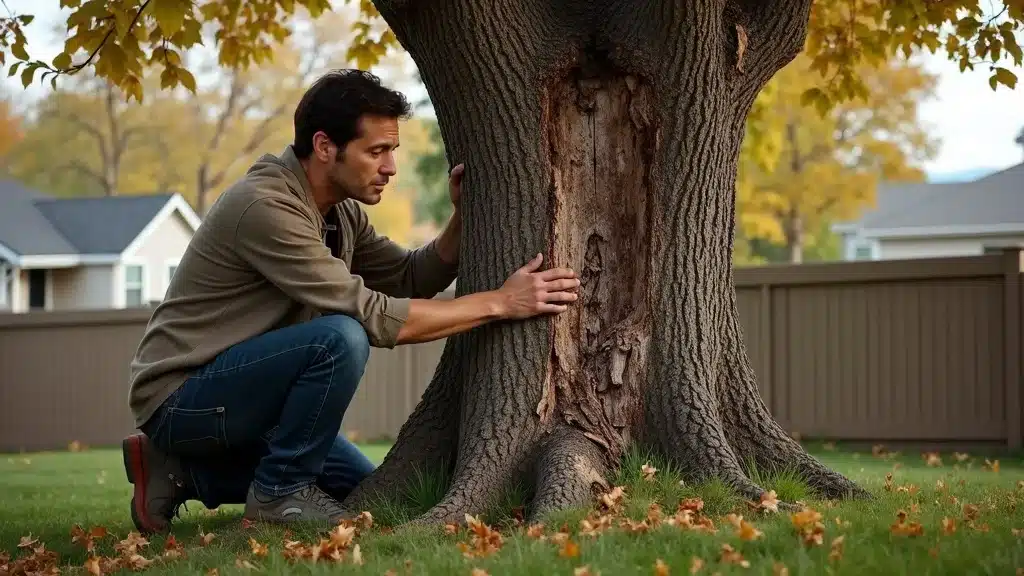
A man kneels on the grass, inspecting a large tree with damaged bark in a suburban yard. Houses and a wooden fence are visible in the background, and fallen leaves surround the tree base.

Did you know nearly 65% of hazardous trees in Denver neighborhoods show warning signs months before failure, yet most homeowners don’t notice until it’s too late? Early recognition of tree problems isn’t just a benefit—it’s a necessity for property safety, city compliance, and maintaining Denver’s beloved urban canopy. In this guide, I’ll reveal the overlooked indicators that signal when to remove a tree from your Denver property, provide practical arborist insights, and empower you to keep your landscape safe all year long.

A Surprising Fact: Most Denver Homeowners Miss These Tree Removal Warning Signs

If you think tree removal is only for dead or obviously falling trees, think again. Many Denver homeowners overlook subtle but crucial red flags that indicate a tree may be hazardous. These warning signs often appear gradually—like cracks in the trunk, roots surfacing after a tough winter snow, or a barely noticeable tilt. Knowing when to remove a tree from your Denver property can be the difference between preventing an emergency tree situation and facing costly property damage or even risk to life. With Denver’s climate swings, from heavy wet snows to gusty spring winds, even healthy-looking trees can develop structural problems that homeowners miss.

Arming yourself with expert knowledge puts you in control of your landscape’s safety. This article serves as an essential resource for both new property owners and longtime Denver residents, helping you spot the most common—and most dangerously overlooked—indications a tree needs quick attention. Whether you’re concerned about a leaning trunk after winter tree events or seeing suspicious branches near power lines, we’ll help you make confident, informed decisions with help from local tree removal services and certified arborists.

What You’ll Learn About When to Remove a Tree from Your Denver Property

  • Essential reasons for tree removal in Denver
  • How to identify hazardous trees requiring removal services
  • Understanding professional tree removal services and permits
  • Expert tips for safe and legal tree removal in Denver

Understanding When to Remove a Tree from Your Denver Property

The decision of when to remove a tree from your Denver property often comes down to a mix of health, safety, and regulatory factors. With our city’s variable seasons, winter snow, and the growing demands on urban space, trees that are left unchecked can quietly transform from neighborhood assets into significant risks. Recognizing the early signs of trouble—such as decayed trunks, leaning that wasn’t present last year, or branches tangled in power lines—ensures problems don’t go from inconvenient to catastrophic.

Denver’s commitment to preserving its urban forestry means that every removal (whether for safety or redevelopment) needs to follow city protocols and sometimes requires permits, especially for street trees or protected species. But before paperwork or saws come into play, homeowners must know what to look for. Healthy trees contribute to cooling shade, increased property values, and even emotional wellbeing, so tree care isn’t just upkeep—it’s stewardship. Below, you’ll find a visual reference for recognizing the subtle (and not-so-subtle) cues that it’s time to consult tree removal services in Denver or a certified arborist for a professional opinion.

Dramatic diseased urban tree inspected for removal in Denver residential yard with mountains - when to remove a tree from your Denver property

Key Signs Your Tree Needs Removal from Your Denver Property

  • Visible root damage or uprooting: Exposed, broken, or heaving roots, often after tough winters or saturated spring soils, are a direct invitation for instability. If your tree’s base looks disturbed or is lifting sidewalks or lawn, it’s often time to act fast with a tree service specialist.
  • Severe trunk decay, cracks, or splits: Deep fissures, pockets of rot, or obvious decay around the trunk signal internal weakness. Even if some foliage remains, serious trunk problems threaten a tree’s structural integrity and may require prompt removal services in Denver to avoid collapse.
  • Dead or hanging branches near power lines: Large limbs resting on or hovering dangerously close to power lines—especially after a winter snow or windstorm—are urgent red flags. Regular visual inspection post-storm can catch these hazards early, keeping both property and people safe.
  • Unstable leaning or structure post-winter tree events: A gradual or sudden lean, especially when paired with root exposure or trunk cracks, means the tree’s anchoring system is compromised. Leaning trees, especially older ones, are more likely to come down in high winds or storms, so professional assessment is key.

“When in doubt, always consult a professional tree service before acting—removal can be dangerous and requires expertise.”

Comparison Table: Tree Removal vs. Tree Care Actions in Denver
Condition Best Action Need for Professional Tree Service Permit Needed?
Dead, Leaning, or Severely Decayed Tree Removal Yes (tree removal services recommended) Usually (especially for street/protected species)
Minor Broken Branches Tree Care / Pruning Maybe (for large limbs or near power lines) No (unless affecting public property)
Visible Root Damage Assessment & Likely Removal Yes (certified arborist) Sometimes (location dependent)
Mild Trunk Wounds Monitoring & Tree Care No (unless symptoms worsen) No

Tree Removal in Denver: Why Professional Tree Removal Services Matter

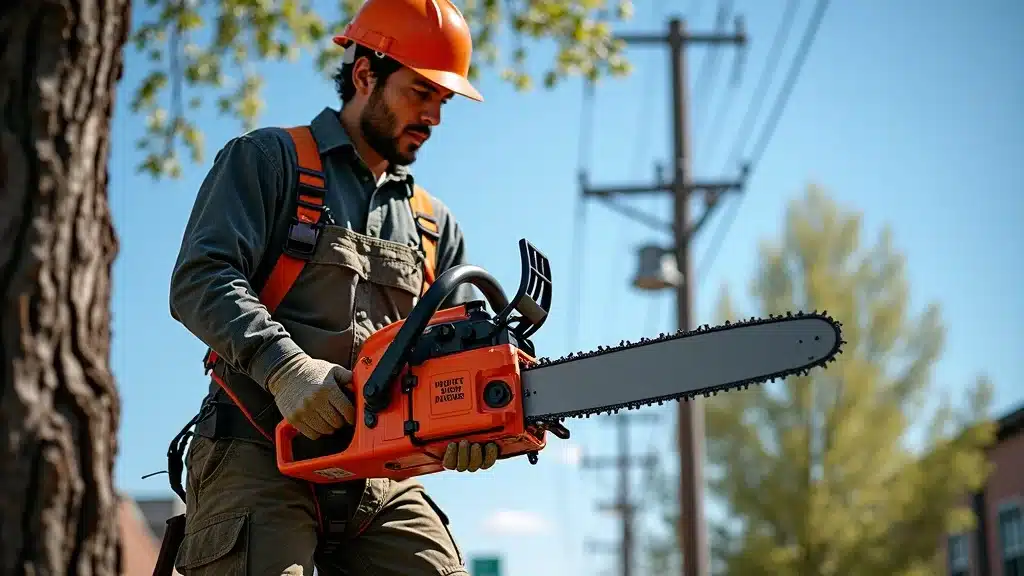
Professional certified arborist performing safe tree removal service near power lines in Denver

While it may seem tempting to tackle tree removal on your own, especially if the tree doesn’t look too large, doing so—especially in Denver’s urban setting—can result in serious consequences. Experienced removal services in Denver are trained to handle dangers that often aren’t obvious from ground level. Trees engaged with power lines, situated near homes or vital city infrastructure, or presenting internal decay represent real hazards not only to property but to life. Even the most experienced DIYer may lack the equipment or technical skill to dismantle a hazardous tree safely and legally.

Beyond immediate hazards, there are important legal and city compliance responsibilities, with permits required for many types of tree removal in Denver. Failing to secure the right paperwork, especially for protected or street trees, can result in hefty fines and city code violations. For the safety of your neighbor’s property, your structures, and most importantly yourself, working with a certified arborist or credible tree removal service in Denver ensures all aspects—assessment, safe takedown, cleanup, and disposal—are handled professionally and in accordance with Denver codes.

Dangers of DIY Tree Removal in Denver CO

  • Risks to property and power lines: Attempting removal without understanding tree weight distribution or proximity to power lines often leads to fallen limbs damaging houses, vehicles, fencing, or utility infrastructure. Insurance claims for such accidents can be denied if unlicensed work was performed.
  • Personal injury hazards: Working at height, handling chainsaws, or controlling heavy tree sections puts DIYers at real risk of injury or worse. Homeowners’ insurance may not cover self-inflicted damage—especially if a tree falls unexpectedly or hits a power line.
  • Legal implications of improper tree removal services: Denver enforces strict codes for tree removal, especially near city streets or for heritage/protected species. Fines and mandatory repairs for unpermitted, improper removals can far outweigh the cost of a professional tree service, making “going it alone” a risky proposition.

Benefits of Hiring a Certified Arborist for Tree Removal Services

  • Assessment of emergency tree situations: Certified arborists can quickly determine whether a damaged tree represents an immediate hazard (such as after a winter tree event) and develop a safe, step-by-step removal plan tailored to your property.
  • Expertise in handling hazardous trees near power lines: Removal services in Denver employ team members with experience working near utility lines, using specialized techniques to keep properties safe and maintain city infrastructure.
  • Comprehensive removal services in Denver: permits, cleanup, disposal: Reputable tree removal services include handling permit applications, safe on-site removal, and thorough post-job cleanup/disposal work, leaving your landscape neat, safe, and code-compliant.

People Also Ask: Common Questions About When to Remove a Tree from Your Denver Property

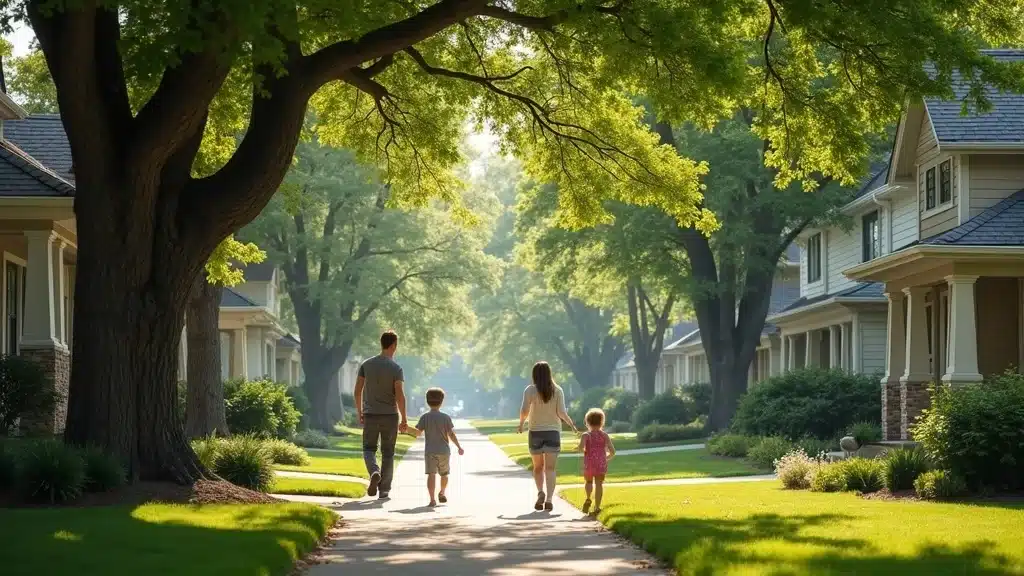
Healthy mature trees lining Denver neighborhood where children play, emphasizing the importance of expert tree services and safe removal

What is the 3 30 300 rule for trees?

Answer: The 3 30 300 rule is an urban forestry guideline: every home should see at least 3 trees, have 30% tree canopy cover in their neighborhood, and live within 300 meters of a green space. While beneficial, Denver properties sometimes need tree removal to maintain safety and compliance with this rule.

Do you need a permit to cut down a tree in Denver?

Answer: Yes, Denver often requires permits, especially when tree removal involves street trees or protected species. Always check with local Denver CO agencies or certified tree removal services in Denver before proceeding.

What is the 123 rule of pruning?

Answer: The 123 rule suggests pruning up to 1/3 of the canopy, during the tree’s dormant season, for trees older than 3 years. Trees not adhering to proper structure may require removal services instead.

At what point should a tree be removed?

Answer: Remove a tree when it poses a risk to property, is extensively diseased or dead, is entangled with power lines, or undermines safety—consult a professional tree service to confirm.

Important Considerations for Tree Removal Services in Denver

Winter-damaged tree with cracked limb in Denver being assessed by arborist after snow storm - winter tree removal consideration

Denver homeowners must factor in unique regional challenges—from frozen roots during winter tree events to the risk of power lines entanglement. Assessing your tree’s proximity to city infrastructure reduces community risk and city liability, ensuring that no removal is taken lightly. Collaborating with local removal services in Denver guarantees not only compliance with current codes but also that every aspect, from permit acquisition to safe work practices, is handled efficiently.

Post-storm assessments should always address winter tree damage, including split limbs and ice fractures. Even minor injuries can compromise long-term health and stability, so consult trusted tree services in Denver for ongoing care. Permits are advised for removal projects, especially if street trees or city-maintained trees are involved. This cooperation sustains both legal compliance and Denver’s cherished canopy for generations to come.

  • Assess proximity to power lines and city infrastructure
  • Winter tree damage assessment post-storm
  • Collaborating with Denver removal services for permits and compliance

“Every tree removal should be a balance between protecting your property and enhancing Denver’s urban canopy.”

Tips for Preventing Emergency Tree Removal Situations

  • Schedule regular tree service and tree care with a Denver CO arborist
  • Monitor tree health after winter tree events or storms
  • Address small removal services before trees become hazardous

Friendly Denver arborist smiling while pruning a healthy tree to prevent emergency tree removal, lush green landscape

The best way to avoid sudden emergencies is proactive tree care. Consistent checkups by a certified arborist help detect root rot, subtle trunk damage, and canopy imbalance early, saving both time and costly emergency tree removal services later on. Simple steps like inspecting your trees after each storm, proper tree pruning, and dealing with minor removal services promptly (like taking out weak limb growth before it fails) are all practical measures. Maintaining trees safely is a long-term investment in your property’s beauty and your neighborhood’s safety. Remember—an ounce of prevention is worth a pound of expensive emergency work, especially in Denver’s urban climate.

By working closely with a certified Denver tree service, you also gain a partner for long-term landscape health, future-proofing against unpredictable weather and keeping your yard enjoyable for seasons to come.

Key Takeaways on When to Remove a Tree from Your Denver Property

  • Recognize early warning signs needing removal services
  • Consult professional tree removal services for safety and legality
  • Understand permits and Denver regulations

Frequently Asked Questions About Tree Removal Services in Denver

  • How can I find reputable tree removal services in Denver?
    Always seek certified arborists or companies specializing in tree removal in Denver, and look for positive testimonials, proof of insurance, and experience with both emergency tree work and routine maintenance.
  • What should I do if my tree is entangled with power lines?
    Never attempt removal yourself. Contact your utility provider first, then a professional tree service with power line experience to safely handle the situation.
  • When is emergency tree removal necessary?
    Emergency services are essential when trees are at immediate risk of falling, have suffered severe storm/winter tree damage, or are threatening property and power lines. Act quickly and contact a certified Denver arborist.

Trust Denver CO Tree Services for Expert Tree Removal and Care

If you suspect a tree on your property may need removal, don’t wait until it becomes a hazard. For expert advice, emergency tree removal, and secure, legal tree care—Contact Denver CO Tree Services today for your free estimate and peace of mind.


Conclusion

Stay proactive: spot warning signs early and consult Denver’s professional tree services to keep your property safe, beautiful, and compliant.


Sources

When considering tree removal in Denver, it’s crucial to recognize the signs that indicate a tree may pose a risk to your property. The article “Tree Removal in Denver, CO Safe, Fast, and Done Right” by Arbor Care Tree Solutions outlines key indicators such as dead or brittle branches, significant trunk decay, and noticeable leaning, emphasizing the importance of professional assessment to determine the necessity of removal. (arborcaretreesolutions. com) Additionally, the “Approved Street Tree List for Denver’s Public Rights-of-way” provides guidelines on tree species suitable for planting and removal within the city’s public spaces, ensuring compliance with local regulations and promoting a healthy urban canopy. (denvergov. org) If you’re serious about maintaining the safety and aesthetics of your Denver property, these resources offer valuable insights into identifying hazardous trees and understanding the city’s tree management policies.

Year-Round Tree Care Calendar for Denver Homeowners

John Egart Denver Tree Service
A sunny suburban neighborhood with tree-lined sidewalks, neatly manicured lawns, and colorful houses. Trees provide shade and the street curves gently, creating a peaceful, inviting atmosphere.

Did you know Denver loses an average of 5,000 urban trees every year—mostly from problems that could have been avoided with the right care at the right time? For Denver homeowners, understanding the unique seasonal needs of your trees isn’t just good stewardship—it’s a way to protect your property value, shade, and neighborhood pride. In this in-depth guide, you’ll get a year-round tree care calendar for Denver homeowners, packed with practical, easy-to-follow advice and a few tips that even seasoned green thumbs might not know.

Startling Facts: Why a Year-Round Tree Care Calendar for Denver Homeowners is Essential

Most people don’t realize just how vulnerable trees in Denver are, thanks to shifting temperatures, occasional droughts, soil quirks, and lurking pests. Some local tree experts estimate Denver loses thousands of mature trees yearly—many from easily preventable causes. Pushing off tree care until “next season” can lead to expensive removals, diseased landscapes, and even yard hazards, especially when powerful storms or unseasonable cold snap through the city. A dedicated year-round calendar helps keep your trees healthy, resilient, and beautiful, making it far easier (and less costly) to enjoy shade, color, and curb appeal all year long.

“Denver loses an average of 5,000 urban trees annually, often due to preventable issues with care and maintenance.”—Denver Urban Forestry

What You’ll Learn in This Year-Round Tree Care Calendar for Denver Homeowners

  • Essential tree care steps for every season in Denver
  • Best practices for tree trimming, deep root watering, and soil moisture management
  • How to spot common Denver tree diseases and pests
  • When to hire a certified arborist or tree service
Month-by-Month Denver Tree Care Calendar
Month Essential Task Purpose
January Inspect for winter damage Prevent stress
March Tree trimming Shape growth
May Deep root watering Promote deep roots
June Monitor for pests Prevent harm
August Fertilize Boost nutrition
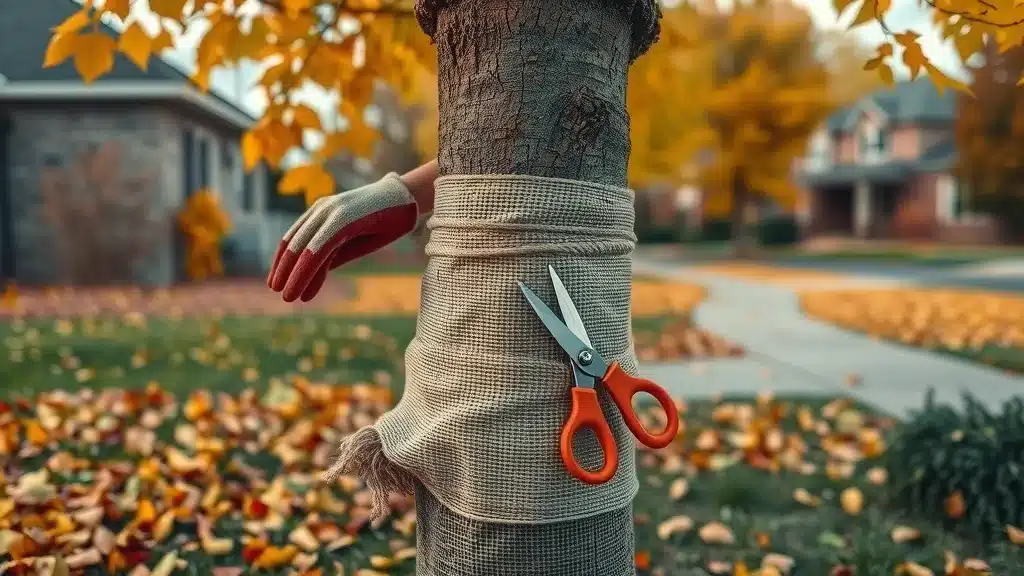
October Wrap young trees Prevent winter injury

Mature green trees in Denver residential neighborhood with classic Colorado houses and vibrant foliage, year-round tree care calendar for Denver homeowners

Understanding the Unique Needs of Trees in Denver

Denver presents a challenging environment for trees. Rapid swings between hot summers, sudden freezes, and the city’s notorious dry climate mean that both native and ornamental trees need careful attention. Many soils in the Denver area tend to be rocky and fast-draining, making it tough for roots to find enough moisture—especially during windy springs or protracted droughts. So, it isn’t just about planting a sapling and hoping it grows; it’s about continuous, thoughtful tree care. For yards blessed with mature trees, routine assessments are crucial to prevent issues with root zone dehydration, compacted soils, or pest infestations, all of which can threaten even decades-old giants.

Remember, every tree variety—from maples to spruces—has unique requirements when it comes to watering, trimming, fertilizing, and disease prevention. Being proactive about each aspect of tree health ensures trees and shrubs withstand the unique pressures of the Denver area, from summer hail storms to erratic winter temperature drops. With so much at stake, understanding what makes Denver trees special is step one to mastering your home’s landscape.

Challenges Trees in Denver Face: Climate, Soil, and More

Trees in Denver battle a combination of harsh sun, irregular precipitation, windy afternoons, and nutrient-poor soils. Some trees grow rapidly, stretching root systems in search of scarce water, making them susceptible to drought stress or sudden wilting. For young trees, establishing a strong root zone is essential—they face hazards not just from dryness but from sunscald, frost cracks, and soil compaction from nearby foot traffic or aggressive lawn care. Even mature trees, with roots extending beyond the drip line, can become vulnerable if soil moisture drops or pests move in. Factors like compacted soil, poor drainage, or rocky underground layers can further challenge healthy tree growth in urban yards.

Additionally, invasive pests—like the emerald ash borer or bark beetles—thrive when trees are stressed by drought, injury, or root system damage. Denver’s variable weather, especially late winter warm spells or early spring snows, can shock trees accustomed to a slower seasonal transition. To help Denver trees thrive, it’s crucial to adapt your tree care practices to these unique environmental factors, applying the right interventions at the right times.

Tree trunk and root zone in dry rocky Denver soil close-up, emphasizing soil challenges for year-round tree care calendar for Denver homeowners

The Importance of a Year-Round Tree Care Calendar for Denver Homeowners

A year-round calendar isn’t just a fancy planner for lawn enthusiasts—it’s a homeowner’s defense against expensive tree removals and surprise visits from a local tree company. With regular checks on soil moisture, timely tree trimming, and alerts for pest or disease concerns, you ensure your landscape remains healthy through the highs and lows of Colorado’s unpredictable climate. Having a month-by-month guide takes the guesswork out of when to deep root water, fertilize, or protect your young trees, so every season brings strong growth and fewer headaches.

The best part? Following a year-round schedule that addresses the main needs—watering, trimming, fertilization, pest control, and storm protection—means you’re investing in your home’s value and Denver’s urban forest at the same time. And when you have a calendar tailored for Denver conditions, there’s never a doubt about whether it’s a great time for a particular tree care task. Your trees (and your wallet) will thank you in the long run!

Monthly Tree Care Guide: Tree Care Calendar for Denver Homeowners

This monthly tree care guide breaks down exactly which tasks matter most—when and why—so you never miss a step in protecting your investment. From late winter trimming to deep summer watering, Denver trees require different care for every season. Consistent, thoughtful care throughout the year supports healthy root systems, robust growth, and true shade in your landscape, even with Denver’s challenging conditions. Let’s walk through each month for a practical, hands-on calendar.

January–February: Deep Root Watering & Inspecting Winter Damage

Don’t be fooled by dormant branches! Denver’s dry, windy winters steal moisture from the soil all season long, putting trees—especially young or newly planted ones—at risk. This is the time to break out your deep root watering tools and probe several feet into the soil around the drip line. Encouraging roots to seek water deeply helps mature trees and new saplings survive swings in temperature and prevents root zone dehydration. Whether there’s snow or not, pay close attention to the top 12 inches of soil—if it’s dry, your trees need a winter drink. While you’re at it, inspect for split bark, frost cracks, or broken limbs from wind or ice. Early detection of winter injuries will help keep your landscape resilient and is often less expensive to address now than come spring. Remember, certified arborists agree: consistent winter watering may be the quiet hero for Denver tree care, especially as it prevents long-term stress and keeps evergreens vibrant all year.

Homeowner performing deep root watering on deciduous tree in winter, year-round tree care calendar for Denver homeowners

March: Late Winter Tree Trimming and Structural Care

  • Why late winter is a great time for tree trimming
  • Tips for trimming young trees
  • Hiring a certified arborist

March is a great time for tree trimming in Denver—temperatures are warming but trees remain dormant, so cuts heal quickly and disease pressure is low. Pruning now reduces the risk of spreading common pathogens while giving you a clear view of your tree’s structure (no leaves in the way!). Focus on removing damaged, rubbing, or dead branches and shaping young trees for strong, even growth. This helps prevent future breakage—especially under heavy, wet spring snow. For mature trees or those tangled in power lines, always call a certified arborist; their expert hands and equipment prevent damage or personal injury. Remember, improper pruning can stress trees and invite disease, so when in doubt, bring in a pro to preserve long-term tree health and value.

April–May: Spring Tree Services, Fertilization, and Soil Moisture Management

Spring brings fresh buds, longer days, and surging root activity. Denver trees and shrubs awaken hungry for nutrients, so this is prime time to fertilize—especially if soils tested low in the fall. Use slow-release, balanced fertilizers designed for Colorado’s unique soils to boost new growth. This is also when you should check and refresh mulch rings, making sure the root zone stays cool and moist while suppressing early weeds. As moisture needs climb, monitor soil moisture regularly: probe the first 12 inches, and water when dry, aiming for slow soaks rather than surface sprinkling. Keep an eye out for early signs of pests or fungal diseases, which can quickly multiply when days are warm and nights are cool. Certified arborists and local tree companies often offer spring tree care service packages, making it easy to keep on schedule and avoid surprises as the growing season takes off.

Professional arborist inspecting blooming tree for spring tree services and care, year-round tree care calendar for Denver homeowners

June–August: Pest Control, Deep Root Watering, and Summer Storm Prep

Summer is when the Denver area turns up the heat—and local pests get particularly active. Monitor trees for borers, aphids, or spider mites (sticky residue, curling leaves, or sudden thinning are warning signs), and act decisively with eco-friendly pest treatments or call a tree care professional for stubborn infestations. Deep root watering is critical as hot, dry spells quickly reduce soil moisture past what routine sprinklers provide. Use a soaker hose or deep root probe to deliver water to the root zone at least monthly, more often during extended drought. Make sure the top 12–18 inches of soil are moist after watering. Storms, wind, and the occasional hail barrage can strike anytime, so secure young trees with stakes, and prune overhanging limbs that threaten roofs or power lines. Proactive summer care helps trees bounce back from weather and pest stress, ensuring full canopies and healthy root systems for autumn and beyond.

September–October: Fertilizing Trees and Preparing for Colder Months

Early fall is the best window for a final round of fertilization. As trees shift from growing leaves to expanding their roots, a dose of slow-release nutrients gives them the energy to tough out winter. It’s also the time to inspect mulch rings—top off organic mulch to 2–3 inches for warmth and moisture retention, keeping it a few inches from the trunk to prevent rot. Be proactive by thinning dead branches and removing diseased wood, reducing the risk of winter breakage. For young trees especially, wrap trunks with tree wrap to prevent sunscald and frost cracks from wide daily temperature swings—classic issues for Denver. This extra care now means your trees enter winter strong, with their roots protected and foliage less prone to shock or disease come spring awakening.

November–December: Wrapping Trees in Denver and Protecting Roots

Early winter can be tough on tree bark, especially young saplings prone to freezing nights and sun-warmed days. Wrapping trunks with burlap or commercial tree wrap keeps bark from splitting, helping trees survive harsh temperature changes until they develop thicker, more resilient bark. Be sure to remove wraps in early spring to prevent pests from nesting. Don’t forget about the root system—replenish mulch, check for exposed roots or compacted soil, and avoid heavy foot or vehicle traffic near the root zone. Inspect evergreens for winter burn (needles turning brown and dry), and deep water right before ground freeze if conditions have been dry. These small but vital tasks help buffer even the toughest Colorado winters, giving your landscape its best shot for a lush rebound come spring.

Homeowner wrapping young tree trunk in Denver in autumn, burlap material and fall leaves, year-round tree care calendar for Denver homeowners

People Also Ask: Your Top Questions About the Year-Round Tree Care Calendar for Denver Homeowners

When to fertilize trees in Denver?

For most species, fertilize trees in Denver in early spring (April–May) and again in late summer or early fall (August–September). This supports both leaf growth and strong root systems. Use slow-release, balanced fertilizers, and follow package instructions for best results. Always check soil test recommendations for specific needs, and avoid late fall fertilization, which may promote weak winter growth.

What month should you trim branches of trees?

Late winter to early spring—usually February through March—is the best time for tree trimming in Denver. Trees are dormant, disease pressure is at a minimum, and cuts have time to heal before summer stress. Avoid trimming in mid-summer or fall, as it can stress trees or expose them to pests and disease.

What is the 10 20 30 rule for tree planting?

The 10 20 30 rule is a guideline for planting urban landscapes: use no more than 10% of any one tree species, no more than 20% of any one genus, and no more than 30% of any one family. This diversity reduces the risk of pest or disease outbreaks wiping out large swathes of the urban forest in Denver and beyond.

When to wrap trees in Denver?

Wrap young, thin-barked trees in Denver from November through April to protect from sunscald and freeze cracks. Use breathable materials and remove wraps in spring to prevent moisture buildup and pest problems. This care is crucial for maples, honeylocusts, and fruit trees.

Key Takeaways: Year-Round Tree Care Calendar for Denver Homeowners

  • Consistent, season-appropriate tree care boosts tree health and property value.
  • Monitor soil moisture every season and adjust watering schedules as needed.
  • Trim branches during late winter for optimal results and disease prevention.
  • Deep root watering and mulch keep roots healthy in Denver’s dry climate.
  • Protect young trees from pests, drought, and winter injury with wraps and routine inspection.

Essential tree care tools for Denver in all seasons, neatly arranged for year-round tree care calendar for Denver homeowners

Frequently Asked Questions about Trees and Tree Care in Denver

  • How often should you deep root water trees in Denver?
    Deep root water established trees every 3–4 weeks in winter if snow is absent, and once a month during dry periods in spring, summer, and fall. Young trees may need more frequent watering, particularly in Denver’s hot, dry months.
  • Are professional tree services worth it for trees and shrubs?
    Yes! Certified arborists offer expert pruning, pest management, and disease diagnostics that save money and preserve tree health. DIY is fine for small tasks, but expert eyes catch problems early and help trees thrive.
  • Do young trees need more frequent care?
    Absolutely. Young trees have less developed root systems and require more frequent deep root watering, vigilant pest checking, and trunk protection—especially in the first 2–3 years after planting in Denver.

Expert Tips from Certified Arborists: Best Tree Care Practices in Denver

  • Conduct annual soil moisture checks in multiple locations around each tree, especially in spring and fall.
  • Prune in late winter for the healthiest, most attractive trees, avoiding stress and common diseases.
  • Apply organic mulch every season to insulate roots and conserve soil moisture, but keep mulch away from the trunk for best results.

Practical Lists: Supplies and Tools for Year-Round Tree Care Calendar for Denver Homeowners

  • Tree trimming shears
  • Deep root watering tools (probes or soaker hoses)
  • Mulch and fertilizers designed for trees in Denver
  • Tree wraps for winter protection
  • Protective gloves and eye gear

Conclusion: Ensuring Healthy Trees in Denver All Year Round

Proactive, season-based care is your best line of defense for thriving trees—Denver’s urban canopy depends on it.

Don’t wait—schedule your Denver tree services today for a thriving landscape all year long!

Denver CO Tree Services

Find reliable tree care professionals athttps://www.coloradotreeservicepros.com/tree-service-for-denver-co/

Step-by-step demonstration of proper deep root watering in a Denver home landscape—learn correct probe placement, watering timing, and soil moisture tips from a local pro.

Sources

For Denver homeowners seeking comprehensive guidance on year-round tree care, the City and County of Denver’s “Tree Care and Best Practices” page offers valuable insights into seasonal tree care needs, general maintenance tips, and information on tree pests and diseases. (denvergov. org) Additionally, Denver Water’s “Tree Care Guide” provides expert advice on proper watering techniques, emphasizing the importance of deep and slow watering to maintain tree health in Denver’s semi-arid climate. (denverwater. org) By consulting these resources, you can ensure your trees receive the appropriate care throughout the year, enhancing their health and longevity.

Stump Grinding vs. Stump Removal: What’s Best for Denver Properties?

John Egart Denver Tree Service
A large tree stump sits on green grass in a sunny backyard. In the blurred background, a person stands with a dog near a wooden fence, and houses can be seen. A leafy tree provides dappled shade.

Ever looked at a stubborn tree stump in your Denver yard and wondered, “Should I finally get rid of it—and if so—what’s really the best way?” If you’ve found yourself puzzling over stump grinding vs. stump removal, you’re not alone. These methods sound similar, but the differences can make or break your landscaping plans, wallet, and even your weekend mood. Understanding which approach is right for your property could save you time, money, and a few surprise visits from an overly ambitious squirrel.

Curious If Stump Grinding or Stump Removal Is Right for Your Denver Home?

When it comes to tree care for Denver properties, addressing those leftover stumps is more than just a cosmetic decision—it’s about long-term safety, property value, and planning for the future of your outdoor space. The choice between stump grinding and stump removal might seem straightforward, but there is more beneath the surface (literally and figuratively). Factors like local soil, cost, plans for replanting, the size of the tree stump, and even regulations play into which stump solution fits your goals. Stump grinding is often faster and neater, while stump removal takes no prisoners—root system and all.

Property owners need to ask: Do you want a level lawn now, or are you dreaming of building a deck or planting a new tree right on top of where the old trunk stood? The answer determines whether it’s time to grind the stump or go for full extraction. As you weigh your options, we’ll unpack the real impact each choice can have, both above ground and below.

The Real Impact of Leftover Tree Stumps on Your Property

At first, leftover stumps might simply look like minor eyesores, but letting them linger can create bigger issues over time. Aside from disrupting the clean look of your yard, they often become tripping hazards—especially when hidden by grass. With roots remaining underground, even ground-level stumps can continue to sprout shoots or attract unwanted pests, like termites and ants, which may move from stump to home. Moisture can collect around decaying wood, leading to fungus growth and further degrading surrounding soil quality. In a city like Denver, where curb appeal and property value often go hand-in-hand, unaddressed tree stumps can chip away at investment returns and neighborhood reputation.

Denver residential backyard with tree stump and family enjoying the outdoors, showing benefits of stump grinding vs. stump removal for Denver properties

What You’ll Learn About Stump Grinding vs. Stump Removal

  • Key differences between stump grinding and stump removal
  • Pros and cons of each method for Denver properties
  • Cost, time, and environmental considerations
  • Insights from certified arborists
  • Popular questions answered by tree care experts

Understanding Stump Grinding for Denver Properties

How Stump Grinding Works: Tools, Process, and Safety

Stump grinding is the go-to method for Denver property owners looking for a fast and relatively non-invasive tree care solution. Using a powerful stump grinder—a heavy-duty machine with a rotating cutting disc—professionals grind the stump down below the soil line, turning the wood (and sometimes the edge of the root system) into mulch-sized wood chips. Most grinding machines are compact enough to maneuver through gates or fences, and certified arborists or tree service crews operate them with strict attention to safety. They’ll wear protective gear (think: helmets, goggles, gloves) and cordon off the grind zone to shield against flying debris.

The grinding process leaves the tree roots mostly intact, but the visible stump is reduced to a mix of earth and wood chips, which are easily raked away or used elsewhere on the property. One beauty of stump grinding is the minimal mess—no craters or disaster zones—so you can reclaim a usable lawn almost immediately. For Denver’s urban neighborhoods, where space is precious and underground power lines or irrigation systems might be a concern, stump grinding is often the swiftest way to restore curb appeal without a construction project’s footprint.

Professional arborist using a modern stump grinder in a Denver neighborhood, demonstrating stump grinding process and safety protocols

Pros and Cons of Stump Grinding for Tree Service

“Stump grinding offers a fast, less invasive way to deal with tree stumps, especially in urban Denver yards. ” — Local Certified Arborist

Pros: Stump grinding has become the standard for routine landscape clearance in Denver. It’s fast—often taking under two hours for most jobs—leaves minimal soil disruption, and comes at a reasonable cost compared to other methods. The mulch-like wood chips can be repurposed for garden beds, and you avoid the hassle (and expense) of dealing with a gaping hole in your yard. No wonder so many certified arborists recommend it for homeowners who want a practical, eco-friendly approach.

Cons: However, stump grinding isn’t a perfect solution. Because roots remain underground, certain tree species may continue to sprout suckers or regrow, albeit less aggressively. It’s also not ideal if your next plans involve major digging, replanting a tree in the exact spot, or starting a construction project that demands a completely clear foundation. If deep roots pose a safety hazard to utilities or you need complete removal, you may need to upgrade to full stump removal.

Exploring Stump Removal: What Denver Residents Need to Know

Stump Removal Process Explained: From Roots to Topsoil

Stump removal is the all-or-nothing option. Unlike grinding, which chews up the stump and surface roots, full stump removal involves excavating the entire tree stump and its entire root system. This removal method usually requires heavy equipment such as an excavator or backhoe, strong enough to extract deep roots intertwined beneath the yard. The process begins by digging around the stump, cutting through tough tree roots or using winches, then hoisting the whole mass—stump and roots—out of the ground.

While it undoubtedly leaves a mark (and, let’s be honest, a bit of a moon crater), stump removal ensures a fresh slate for any construction projects or replanting. Many certified arborists reserve this method for property owners planning extensive landscaping, installing new structures like patios, or addressing problematic roots that threaten foundations or driveways. Just be prepared for extra time, higher costs, major soil disruption, and the need to backfill the resulting hole with fresh topsoil before you break out the lawn chairs.

Worker using heavy equipment in Denver to completely remove tree stump and root system, illustrating the full stump removal process

Pros and Cons of Stump Removal by Certified Arborists and Tree Care Experts

“Stump removal is suited for when you want to replant or build— but it’s not for the faint of heart (or impatient). ” — Denver Tree Service Pro

Pros: The big advantage of complete stump removal is obvious—you get everything out of the ground, including the tangled roots, clearing the way for any construction project, patio installation, or the chance to plant a new tree in that exact location. There’s no risk of regrowth or structural obstacles down the road. If you’ve ever tripped over persistent tree stumps or battled root systems creeping near your foundation, you’ll appreciate knowing the job is finished for good.

Cons: On the flip side, removal involves major effort, often requires heavy equipment, and can be disruptive for tight Denver lots with fences or landscaping you want to preserve. It’s pricier (because—surprise—renting an excavator and hauling away a stump the size of a small car isn’t cheap), and you’re left with a hole that needs refilling and often reseeding. For small residential jobs, stump removal is sometimes overkill unless it’s tied to a plan for new construction or full replanting.

Stump Grinding vs. Stump Removal: What’s Best for Denver Properties?

Table: Side-by-Side Comparison of Stump Grinding and Stump Removal

Feature Stump Grinding Stump Removal
Process Uses stump grinder to shred stump below ground level Entire stump and roots extracted
Time Quick (1-2 hrs typical) Slower (several hrs)
Soil Impact Minimal Major disruption
Cost Moderate Higher
Suitability Routine landscape clearance Construction or replanting
Environmental Impact Less invasive Higher due to soil disturbance

Why Denver Soil and Climate Matter for Stump Removal Choices

How Local Climate Affects Stump Grinding and Stump Removal Outcomes

Denver’s semi-arid climate and unique soil composition play a surprisingly important role in deciding between stump grinding and stump removal. Our compact clay-rich soils can make extraction of a stump (and its deep roots) a Herculean task. During dry periods, soil can harden, making it stubborn for both stump grinder blades and heavy machinery. In spring and after heavy rains, the ground may soften, easing removal but also increasing the risk of soil disturbance and potential settlement issues afterward.

Property owners should also consider moisture retention after stump grinding. Because roots remain, decomposing material beneath the ground can temporarily increase humidity and attract beneficial soil microbes—but can also bring pests if not properly managed. For those seeking sustainable tree care in Denver, working with certified arborists who know local conditions guarantees better outcomes, whether you’re prepping for a garden, avoiding a future construction project, or just aiming for a flawless green lawn.

Denver homeowner inspecting soil in a sunny Colorado yard after stump grinding and removal, highlighting climate and soil factors

Costs, Equipment, and Time: Tree Service Pricing in Denver

Stump Grinder Rental vs. Professional Tree Service

Costs for stump grinding and stump removal in Denver can range widely, depending on stump size, quantity, yard access, and the complexity of local landscaping. Renting a stump grinder for a DIY project might run $100–$250 per day, but you’ll need to factor in personal time, learning curve, and the effort to haul away wood chips. Professional tree services charge between $150–$500 for standard stump grinding jobs, and $350–$900 or more for full stump removal—especially when heavy equipment is required or multiple stumps are involved.

While DIY seems appealing for the hammer-wielding property owner, the pros come with advantages: expertise, insurance, proper safety gear, and less chance of unearthing a surprise utility line. If you value your back, your schedule, and your landscaping, hiring certified arborists is usually worth the investment, particularly on larger or more stubborn stumps. Plus, you can ask about safe disposal of debris and minimizing your environmental footprint—a win-win for yard and planet.

Certified Arborist Versus DIY: Expense and Safety Factors

  • Average costs for stump grinding and stump removal in Denver
  • Factors influencing price: size, access, number of stumps
  • Pros and cons of hiring tree care professionals versus going DIY

Certified arborists bring more than just muscle—they offer knowledge that helps avoid costly errors. DIY attempts may end well for simple jobs, but larger stumps or those located near power lines, buildings, or irrigation can become dangerous quickly. Improper use of grinding equipment or heavy machinery not only risks injury, but can damage lawns, underground utilities, and property value. Professionals weigh all these factors, delivering peace of mind (and maybe even a tip or two about future tree care and lawn maintenance. )

Watch how stump grinding stacks up against full stump removal, and see real expert crews in action across Denver yards.

Environmental and Safety Considerations for Grinding and Removing Stumps

Tree Stump Hazards and Long-Term Property Value

Leaving tree stumps can pose more than just an eyesore. They represent a long-term safety hazard—forming uneven ground, tripping threats, and sometimes damaging mowers or landscaping equipment. For families, hidden stumps become an accident waiting to happen, and—let’s face it—trampolines and surprise tree roots rarely mix well. Over time, decaying stumps can also drag down property value, making future buyers wary of unseen problems or costly repairs. Properly addressing stump grinding and stump removal not only refreshes your lawn but also protects investment, safety, and neighborhood appeal for years to come.

Homeowner pointing out a hidden stump hazard in a lush Denver backyard, explaining safety and property value concerns

Eco-Friendly Tree Care: Minimizing Your Carbon Footprint

  • Handling wood chips and stump debris
  • Preventing pest infestation and regrowth
  • Safe disposal recommendations from certified arborists

After stump grinding, the resulting wood chips can be reused as mulch, reducing greenhouse gases linked to transportation and landfill use. For best results, avoid piling chips directly against stems or trunks of other plants to reduce rot risk. Certified arborists recommend monitoring for fresh growth, especially for aggressive tree species, and quickly removing shoots if they appear. For hidden stumps or larger projects, proper disposal and recycling of debris ensures pests aren’t given a new home, and your yard stays healthy and free of lingering problems. Eco-friendly tree care isn’t just a buzzword—it’s a strategy for sustainable, low-impact landscape improvement across Denver neighborhoods.

People Also Ask: Stump Grinding vs. Stump Removal

Is stump grinding cheaper than removal?

Answer:

Yes, stump grinding is almost always cheaper than full stump removal for Denver properties. Grinding takes less time, disrupts less soil, and requires less heavy machinery, reducing labor and disposal costs. Removal, by contrast, involves digging around and extracting both stump and roots, often requiring excavators or winches. If budget is tight and you don’t need the stump space for construction or replanting, grinding is typically the more cost-effective and efficient choice.

How much does it cost to grind a tree stump in Denver?

Answer:

The cost to grind a tree stump in Denver can range from $150 to $500, depending on factors such as the diameter of the stump, accessibility of the site, and the number of stumps to be processed. Professional tree service companies may offer a better rate for multiple stumps or larger projects. DIY rental of a stump grinder may seem more affordable upfront, but be sure to factor in rental, safety equipment, time, and debris disposal when comparing options.

Is it better to remove a stump or grind it?

Answer:

It depends on your plans and the specific conditions of your Denver property. If you need a completely clear site for construction, want to plant a new tree in the same spot, or have roots threatening structures, full stump removal is best. For general landscaping or to quickly eliminate an eyesore with minimal disturbance, stump grinding is the preferred, less invasive, and more affordable approach for most homeowners.

How to get rid of a stump in 2-3 days naturally?

Answer:

Natural stump removal in 2-3 days is tricky—most decomposition methods are much slower. Still, you can drill holes in the stump and fill them with a high-nitrogen substance like fertilizer or use a commercial stump remover. Keep the area moist and cover with a tarp to encourage fungal and microbial activity. However, even with these tricks, visible results within 2-3 days are unlikely—manual or mechanical options remain the fastest solutions in Denver.

FAQs About Stump Grinding and Stump Removal in Denver

  • Can you plant where a stump has been ground?
    Yes, but it’s recommended to wait a season to allow soil to settle and any wood chip debris to decompose. If replanting quickly, remove as much debris as possible and consider adding fresh soil for better results.
  • Do I need a permit for stump removal or grinding?
    Most residential properties in Denver do not require a permit for stump grinding or removal, but it’s wise to check with your HOA or local city office if the tree was part of a regulated planting, or if removal is near utility lines.
  • How long does it take for the ground to settle after stump grinding?
    On average, the ground will settle within 2–6 months after stump grinding, depending on soil type, rainfall, and the size of the stump. Larger stumps or clay-heavy soils may require additional soil top-ups as organic material decomposes below ground.

Key Takeaways: Stump Grinding vs. Stump Removal for Denver Residents

  • Stump grinding is quick, cost-effective, and less invasive for most Denver yards
  • Stump removal is best for construction or complete replanting plans
  • Local soil and climate can influence the right choice
  • Consult with a certified arborist for complex or large tree stumps

Ready for a Clear Yard? Contact Denver CO Tree Services to Book Your Stump Grinding or Removal!

Don’t let old stumps stand in the way of your next landscaping project. Denver CO Tree Services is equipped with certified arborists, top-grade stump grinders, and expert crews who get the job done right—so you can reclaim your yard today!

Sources:

When deciding between stump grinding and stump removal for your Denver property, it’s essential to understand the key differences and how they align with your landscaping goals. Stump Grinding involves using specialized machinery to grind the stump down to 6–14 inches below ground level, leaving the root system intact. This method is faster, less invasive, and more cost-effective, typically ranging from $150 to $400 per stump. It’s ideal for homeowners looking to quickly eliminate unsightly stumps without significant disruption to their yard. The resulting wood chips can be repurposed as mulch, benefiting your garden. (premierstumpgrinding. com) Stump Removal, on the other hand, entails extracting the entire stump along with its root system. This process is more labor-intensive, often requiring heavy equipment, and is generally more expensive, with costs ranging from $200 to $600 per stump. Complete removal is recommended if you plan to replant in the same spot or undertake construction projects that require a clear area. (coloradotreeservicepros. com) Considerations for Denver Properties: Soil and Climate: Denver’s compact, clay-rich soils can make stump removal challenging, especially during dry periods when the ground hardens. Stump grinding may be more practical under these conditions. Pest Prevention: Leftover stumps can attract pests like termites and ants. Grinding the stump below ground level helps mitigate this risk. (premierstumpgrinding. com) Safety and Aesthetics: Removing stumps enhances the visual appeal of your yard and eliminates tripping hazards, contributing to overall property safety. (rushtontreeservice. com) Cost Factors: Stump Size: Larger stumps require more time and resources to remove or grind, increasing costs. Accessibility: Stumps located in hard-to-reach areas may incur additional charges due to the complexity of the job. Number of Stumps: Some companies offer discounts for multiple stumps, reducing the overall cost per stump. (flatironsstumpremoval. com) Conclusion: For most Denver homeowners, stump grinding offers a quick, efficient, and less disruptive solution to remove tree stumps, making it suitable for routine landscaping needs. However, if you have specific plans that require complete removal of the root system, such as construction or replanting in the same location, stump removal may be the better option. Consulting with a local tree care professional can provide personalized advice tailored to your property’s needs.

Does Insurance Cover Tree Removal in Denver? What Homeowners Need to Know

John Egart Denver Tree Service
A man holding a clipboard stands in front of a fallen tree on a suburban lawn, inspecting the damage. Houses and greenery are visible in the background on a sunny day.

Did you ever look at a towering tree in your Denver yard and wonder—if that thing falls, am I paying or is my insurance picking up the tab? Does insurance cover tree removal in Denver? What homeowners need to know may surprise you. Let’s shake out the facts, because the answer could save you thousands—if you’re prepared.

Are You Really Covered? Demystifying Insurance for Tree Removal in Denver

“Falling trees can cause more than yard work—they can leave you wondering if your wallet or your insurer will take the real hit.” – Denver Insurance Advisor

Understanding whether your homeowners insurance will cover tree removal after an unexpected event in Denver is not as straightforward as you might think. While you may see that mammoth tree fell after a storm and hope your insurer grabs their checkbook, the truth is, insurance coverage often hinges on a complex mix of circumstances. Your policy includes specific scenarios—called covered perils—where the insurance company takes action. Damage caused by storms, fire, or vandalism stands a higher chance of being covered, but those pesky exclusions can sneak up and leave you stuck with the bill. Knowing exactly when your homeowners insurance steps in (and when it gingerly steps aside) helps you avoid nasty surprises after a tree damages your home or yard. Let’s dig through the Denver dirt to separate coverage fact from fiction, so you’re not left stumped if disaster (literally) strikes.

What You’ll Learn in This Guide to Does Insurance Cover Tree Removal in Denver

  • When homeowners insurance covers tree removal in Denver—including tree damage, tree removal, and fallen trees
  • The differences between home insurance, homeowners insurance, and special insurance cover for tree removal
  • Exclusions and limitations in Denver insurance coverage
  • Cost factors and tips for insurers and contractors
  • How to check your policy and the claims process

Understanding Homeowners Insurance and Tree Removal Coverage in Denver

How Does Homeowners Insurance Cover Tree Removal in Denver?

Let’s face it, Mother Nature is unpredictable, and Denver’s climate can make tree falls a real concern. Most homeowners insurance policies in Denver offer coverage for tree removal when a tree damages an insured structure (like your home, garage, or fence) as a result of a covered peril. These perils often include windstorms, lightning strikes, fire, or even those random meteorological events that make Denver weather famous. If a tree fell onto your property due to a windstorm and it squashed a structure on your property, chances are the insurance cover is in play.

However, don’t go celebrating just yet! The magic disappears if the tree collapses out of neglect or disease, or simply lands in your yard without hitting anything valuable. In these “whoops, but nothing broke” scenarios, your insurance coverage usually won’t pay for costs of removing a tree unless there’s damage to a covered building or blocks access to your driveway. It’s crucial to review your homeowners insurance policy (preferably before the next blizzard or summer hailstorm) and get clarification from your agent—so you’re never caught off guard at claim time.

Homeowners insurance cover Denver fallen tree removal, homeowner examines uprooted tree by house with Rockies in background

Key Terms: Home Insurance, Insurance Cover, and Covered Perils Explained

Insurance lingo can sound like a foreign language, but mastering a few key terms will make deciphering your policy includes section much easier. Home insurance and homeowners insurance are often used interchangeably, but both refer to policies that may cover tree removal when a covered peril is involved. A covered peril is any risk specifically named in your policy—think fire, wind, lightning, or vandalism. If the tree falls due to something not listed (like age or rot), you’re likely not covered.

The phrase insurance cover refers to what your insurer is willing to pay for, while tree damages covers the harm caused by fallen trees. Understanding the difference between tree damage (harm to your home or other insured structures) and tree removal (the actual cost of hauling away the debris) is important, as insurance pays for each differently. Finally, “debris removal” is another essential term; insurers may reimburse for clean-up costs if the damage caused by the fallen tree is covered. A quick policy check and some insurance-speak know-how can be the difference between a covered loss and an out-of-pocket headache.

Tree Damages vs. Tree Removal: What’s the Difference in Coverage?

Let’s split some hairs, Denver-style: tree damage refers to harm done to your house, garage, or other structure on your property by a fallen tree. When a tree falls and damages your roof or smashes your backyard shed, this triggers coverage in many homeowners insurance policies. But, the buck doesn’t always stop at repairs. Tree removal—the process and expense of actually removing a tree and its debris after such an event—is sometimes covered as a secondary benefit, but there are usually limits (yep, check the fine print!).

If the tree fell across your driveway—blocking you from hitting I-25 for your morning commute—some policies also provide for tree removal even if there’s no structural damage. But if you want to remove that eyesore tree because it’s leaning “just so,” most policies consider that a maintenance issue; insurance cover is out of the picture. The upshot? Insurance only jiggles its pockets when tree damage results from a covered peril, not because you want a better view of the Rockies.

When Does Insurance Cover Tree Removal in Denver? What Homeowners Need to Know

  • Covered perils: storms, fire, and vandalism
  • Tree falls and the aftermath: roof, property, and yard
  • When tree damage is NOT covered by homeowners insurance

If you’re wondering, “Does insurance cover tree removal in Denver?”—it all comes down to covered perils and, frankly, luck. When a severe windstorm, lightning strike, fire, or vandalism causes a tree falls onto your home or insured structure, your homeowners insurance usually covers both the repairs and some or all of the costs of tree removal. That said, if a tree fell due to something not listed in your policy, it’s probably not covered.

Denver homeowners should note that damage caused by a fallen tree is not enough—what matters is what the tree hit, and why it fell. If no insured part of your property is touched, or if the tree tumbled from rot, neglect, or age, insurance might show you the exit. The specifics and the “devil in the details” approach is why reading your homeowners insurance policy is just as important as shoveling your walk in February.

Typical Exclusions: What Tree Removal Events Are Not Covered?

  • Preventative tree removal and cover preventative tree scenarios
  • Neglect, disease, and natural tree falls
  • Auto insurance overlaps for car damage by fallen tree

Exclusions are where things get thorny. Preventative tree removal—removing a leaning or sick-looking tree before it falls—is generally not covered in any homeowners insurance cover. This is considered a maintenance expense, much like mowing your lawn or cleaning your gutters. Similarly, if a tree fell simply because it was old, sick, or you just ignored that weird cracking sound last week, this cover preventative tree removal scenario puts the cost squarely on your shoulders.

But what if a tree falls and crushes your car? Good news, sort of: your auto insurance (if you have comprehensive coverage) is where you turn, not your home insurance policy. Bottom line: read the policy exclusions and understand what events activate your insurance cover—and where responsibilities shift entirely onto you.

Tree removal insurance exclusions Denver neglected diseased tree fungus decay visible in Denver yard

Cost Considerations: How Much Is Tree Removal Insurance and What Impacts the Price?

Sticker shock is possible when you see the cost of removing a tree. Your homeowners insurance typically pays a set amount—if the tree damage was caused by a covered peril and you meet your deductible. The actual price varies based on the size of the tree, whether structures were damaged, and if it blocked your driveway. If you need preventative tree removal or you’ve got rot or disease, be prepared for out-of-pocket costs—insurance simply won’t cover the cost for maintenance scenarios.

It’s worth noting that every insurance company sets limits on tree removal costs—often $500 to $1,500 per incident—or a percentage of your dwelling coverage. Be sure to get estimates from several Denver tree removal contractors for accurate pricing and check that your chosen service works directly with insurers to help expedite the claim process.

Insurance Coverage for Tree Removal in Denver: Average Costs Table
Event Type Is it Covered? Typical Cost Range Notes
Storm-caused tree removal Yes $500 – $1,500 If peril is covered
Preventative tree removal No $400 – $2,000 Not covered, out-of-pocket
Tree fell on insured structure Yes $750 – $2,500 Covered if peril is covered
Rot or disease tree removal No $300 – $1,500 Considered owner responsibility

Homeowners insurance policy paperwork reviewed for Denver tree removal coverage and costs

How to Check Your Homeowners Insurance Coverage for Tree Removal in Denver

  1. Review your policy for ‘covered perils’ and specific tree removal language
  2. Search for sections on tree damage, fallen tree, and cover tree removal
  3. Contact your insurance agent—ask questions with confidence (and a notepad!)

Before a storm leaves you with a “tree fell” story, be proactive: pull out your insurance policy and comb through it for those key terms—especially “covered peril,” “debris removal,” and “tree removal. ” Some Denver insurers online even have search functions within digital policies, making this less of a slog. Don’t see a clear answer about insurance cover? Make the call! Insurance agents expect these questions and can break down your unique situation, from damage to a structure, to “what happens if the tree falls but doesn’t hit anything?” Remember, it pays (literally) to be prepared long before disaster strikes.

Filing a Claim in Denver: Steps for Tree Removal Insurance Cover

  • Document tree damage and removal scenario
  • File quickly: why timing matters with your insurer
  • How to work with adjusters and tree service professionals
  • Getting multiple estimates from Denver tree removal companies

When the unthinkable (well, sort-of-thinkable in Denver) happens, act fast. First, thoroughly document the tree damage—take photos, record the date, and write a brief description of what happened. File a claim with your insurance company right away because prompt action improves your odds of getting the insurance cover you deserve. The company will often send out an adjuster to inspect the damage and determine if it falls under a covered peril.

Don’t forget to get at least two or three estimates from reputable Denver tree removal firms (and ask if they work with insurers directly). This not only shows you’ve done your homework, but it keeps everyone honest—no surprise upcharges. And when the adjuster arrives, walk the property with them to point out every detail that demonstrates your claim is legit.

Tree removal insurance claim process Denver adjuster examines fallen tree damage with homeowner

People Also Ask About Does Insurance Cover Tree Removal in Denver? What Homeowners Need to Know

Does homeowner insurance help with tree removal?

Yes, homeowners insurance can help with tree removal in Denver when the tree damage is caused by a covered peril—like a storm, wind, fire, or vandalism—and the tree fell onto an insured structure or blocks access to your home. However, routine maintenance, disease, or age-related tree falls are generally not covered. Always check your policy’s details before assuming coverage exists.

What two events are not covered under homeowners insurance?

In Denver, the two most common tree removal events not covered by homeowners insurance are preventative tree removal (proactively removing a risky or diseased tree) and natural falls from neglect, old age, or disease. Also, if a tree damages only your car, that’s usually handled by your auto insurance, not your home insurance.

How much is tree removal insurance?

There isn’t a dedicated “tree removal insurance” policy in Denver, but most homeowners insurance includes some amount of tree removal coverage—typically $500 to $1,500 per incident. The exact amount and events covered depend on your policy and whether the tree removal results from a covered peril.

How to check insurance for tree removal?

To check your insurance coverage for tree removal, review your homeowners insurance policy for sections on “tree damage,” “debris removal,” and “covered perils. ” When in doubt, call your insurance agent for guidance; they can clarify your coverage specifics and any documentation you’ll need if you have to file a claim in Denver.

Extra Scenarios: Preventative Tree Removal, Tree Falls, and the Insurance Gray Zone

  • Preventative tree removal: covered or not?
  • When a tree falls but doesn’t damage property in Denver
  • If the tree falls on your neighbor: who pays?

Denver homeowners know that the insurance landscape is filled with gray areas—here’s the lowdown. Preventative tree removal (like getting rid of a “maybe-someday” hazard tree) is almost never covered. If a tree falls from wind or rot but doesn’t land on any insured structure or block critical access, cover tree removal is rare. In these cases, removing the debris is your responsibility, and your insurer simply nods politely in your direction.

If you’re the lucky/unlucky recipient of a neighbor’s fallen tree, things get nuanced. If the tree fell from your property and did damage to your neighbor’s insured structure, their insurance typically covers the loss initially, but you might get a call if neglect can be proven. Encourage an amicable result—cooperation can make the process smooth instead of contentious!

Denver homeowners insurance tree fell on property line between two neighbors friendly consultation

Quick Answers: FAQs About Insurance Cover and Tree Removal in Denver

  • What is a covered peril for tree removal?
  • Does home insurance require a deductible for tree damage?
  • Are there limits to how much insurance will pay for tree removal?
  • How to choose a Denver tree removal service that works with insurance?

What is a covered peril for tree removal? This is an event specifically listed in your policy, like windstorm, fire, lightning, or vandalism, that causes tree damage or a fallen tree requiring removal.

Does home insurance require a deductible for tree damage? Yes, most home insurance policies require you to pay a deductible before coverage kicks in for related repairs or tree removal costs.

Are there limits to how much insurance will pay for tree removal? Absolutely—insurance companies generally have per-incident and overall limits for tree removal and debris clean-up, so check these in your policy.

How to choose a Denver tree removal service that works with insurance? Look for local contractors familiar with insurance claims and who are willing to coordinate with your insurer—reviews and referrals help ensure hassle-free service!

Key Takeaways: What Homeowners Need to Know About Does Insurance Cover Tree Removal in Denver

  • Not all tree removal is covered—know your policy and the difference between tree damage and tree removal
  • Coverage depends on perils, cause of fall, and type of damage
  • Read your policy and talk to your Denver insurer for clarity
  • Proactive prevention can save money and headaches

Denver insurance agent explains coverage for tree removal to homeowner in Colorado-themed office

Get Professional Help with Tree Removal in Denver

“Still unsure if your insurance will cover Denver tree removal? Don’t wait—call in the pros for answers and action!”

Ready to Schedule? Contact Denver CO Tree Services for Fast Assistance

If handling downed trees, insurance claims, or vendor wrangling isn’t your thing, let the local experts help. Denver CO Tree Services knows the ins and outs of insurance and tree removal, so you can get your property cleared and your claim filed—fast and without hassle.

Conclusion: Does Insurance Cover Tree Removal in Denver—Stay Prepared and Informed

Not all trees (or claims) are created equal in Denver. Review your insurance policy now and talk to your agent to ensure your coverage matches your needs—before you’re left holding the bill and the broken branch!

Sources

Understanding whether your homeowners insurance covers tree removal in Denver depends on specific circumstances and policy details. Generally, if a tree falls due to a covered peril—such as a windstorm, lightning, or fire—and damages an insured structure like your home, garage, or fence, your insurance policy is likely to cover both the damage and the cost of tree removal. However, if a tree falls without causing damage to a covered structure, or if it falls due to neglect, disease, or age, insurance typically does not cover the removal costs. Additionally, preventive removal of potentially hazardous trees is considered routine maintenance and is usually not covered by homeowners insurance. (nerdwallet. com) It’s important to note that insurance policies often have specific limits for tree removal coverage, commonly ranging from $500 to $1,000 per incident. Reviewing your policy and consulting with your insurance agent can provide clarity on your coverage specifics. (insure. com) For Denver residents, local insurance agencies can offer guidance tailored to regional considerations. For instance, Aspen Insurance Agency in Denver advises homeowners to review their policies to ensure adequate coverage for potential risks, including falling trees. (aspeninsuranceagency. com) In summary, while homeowners insurance may cover tree removal under certain conditions, it’s essential to understand the specifics of your policy and maintain your property to prevent potential issues.

Preventative Tree Maintenance in Denver: Save Thousands Before Storm Season

John Egart Denver Tree Service
A person stands on a suburban street lined with houses and vibrant yellow autumn trees, with dark clouds and mountains visible in the background.

Did you know that trees and branches cause over $1 billion in property damage every year in the United States—and the majority of that is completely preventable? When it comes to preventative tree maintenance in Denver, waiting until disaster strikes can be a costly mistake. As Denver’s stunning neighborhoods brace for another unpredictable storm season, smart homeowners are discovering that a little TLC for their trees now can spare their homes, vehicles, and wallets from a world of trouble later. In this detailed guide, we’ll explore exactly how you can protect your property, your safety, and your savings—all before the first snowflake falls or the wind howls through your block.

Startling Facts: Why Preventative Tree Maintenance in Denver Can Save You Thousands

Preventative tree maintenance isn’t just about keeping your yard looking tidy; it’s a crucial financial strategy for Denver homeowners. Each winter, snow and ice overloads, high winds, and freeze-thaw cycles turn healthy-looking branches into ticking time bombs. In the Denver area, homes surrounded by mature or poorly maintained trees are at a higher risk, especially when winter storms roll across the Front Range. The cost of ignoring winter tree care can be staggering. For example, repairing a roof, siding, or even replacing a vehicle after a tree limb comes crashing down easily runs into the thousands—far more than the cost of simple tree care services or an annual check-up.

“According to the National Storm Damage Center, fallen trees and branches cause over $1 billion in property damage annually in the US—most of it preventable!”

A Denver homeowner inspects mature trees near their house before a storm, with autumn leaves, mountains, and dark clouds in the background - preventative tree maintenance in Denver

The Financial Impact of Ignoring Winter Tree Care in Denver

When homeowners skimp on winter tree maintenance, the consequences aren’t just cosmetic—they’re financial. A single emergency tree removal after a snowstorm can cost well over $2,000, not including the added expense of home repairs, insurance deductibles, or lost property value. Compare this to the $200–$500 price for preventative tree trimming before winter moonsaults onto the city, and you’ll see why savvy Denverites treat tree care as essential insurance—not an optional luxury. Damaged root systems, broken branches, and neglected young trees all contribute to increased liability and surprise expenses. Spending a little now on tree service or a free estimate from a certified arborist is a genuine investment in your home’s safety and your peace of mind—not to mention your next vacation fund.

What You’ll Learn About Preventative Tree Maintenance in Denver

  • The essentials of tree care for Denver homeowners
  • Cost breakdowns: preventative vs. storm repair
  • When to hire a certified arborist
  • How the dormant season benefits your trees
  • Easy tree care services to prepare your yard

Understanding the Denver Climate: Unique Challenges for Preventative Tree Maintenance

Denver’s climate is both beautiful and deceiving. The city experiences a wild swing in winter weather—anything from gentle snow to sudden, heavy-laden ice storms. Denver’s elevation and position along the Front Range create a microclimate where snow and ice stress trees differently than in lower, more humid zones. Because of this, trees here face risks unique to our region—a fact any certified arborist in Denver will confirm! Prolonged freezes, quick thaws, and late-season snows can turn healthy trunks and limbs in your Denver yard into hazards overnight. The biggest storm damage risks? It’s all about timing—a misjudged pruning cut or ignored crack in a limb during the wrong week can spell heartbreak and a hefty bill.

Winter landscape in Denver showing snow-laden trees and a calm residential neighborhood, highlighting the effects of snow and ice on Denver trees

How Snow and Ice Affect Denver Trees

Heavy snow and ice storms are especially hard on Denver trees. Water-soaked branches become brittle and susceptible to snapping, even on mature, healthy trees. The freeze-thaw cycles common in the Denver area cause root systems to expand and contract, weakening their grip and sometimes uprooting trees altogether. These conditions are tough not only on deciduous trees but on evergreens, as well. A certified arborist will tell you that poorly maintained trees are much more likely to suffer broken branches, lost limbs, and trunk splits—introducing disease, pests, or even complete tree loss. Plant health care during winter starts with inspection and proactive treatment, a move that can save both the tree and your wallet.

Typical Winter Storm Damage and Risk Factors

Denver’s winter storms bring unique threats: high winds, ice buildup, and wet, heavy snow are a triple-threat to Denver trees. Especially vulnerable are older trees with previous damage, trees with co-dominant (split) trunks, and any with visible wounds or poor pruning history. Limb breakage, crown collapse, uprooting, and loss of large branches over structures or utility lines rack up the bulk of the city’s storm damage costs. A little proactive tree care—like giving your tree a proper trim or bracing weak limbs—radically reduces these risks. And as anyone in the Denver area will tell you, that’s money and heartache saved.

Essential Tree Care Tips for Preventative Tree Maintenance in Denver

  • Tree trimming to prevent breakage
  • Inspecting for hidden damage
  • Proper mulching and watering
  • When to call ISA Certified Arborists

The first step to preventative tree care in Denver is tree trimming. Regularly thinning the canopy and removing weak or crowded limbs ensures that your trees can better withstand snow or ice loads without breaking or splitting. Inspections are crucial, especially after a major winter storm; what seems like a small crack or bowed branch may harbor internal rot or hidden damage. Underestimating these small hints is how disaster (and expensive tree removal) strikes. A seasoned ISA certified arborist knows what to look for and which branches threaten your property.

Equally important: don’t forget the roots! Mulching and seasonal, deep watering prepare your trees for harsh weather, locking in moisture and reducing freeze damage. Mulch also acts as insulation for your trees and shrubs against Denver’s wild temperature swings. If you’re unsure what your trees need—or spot fungi, pests, or splitting—don’t guess. That’s when you call in the pros: ISA certified arborists can provide a tailored, science-backed plan. Remember, what you do now has an enormous effect on next spring’s leaf-out and your home’s storm season resilience.

Timing Is Everything: Dormant Season and Tree Service Scheduling

Ask any Denver tree care pro, and they’ll say the calendar is half the battle. The dormant season—typically from late November to early March in the Denver area—is ideal for most major tree care services. Trees are in their slowest growth period, energy is conserved in the root system, and wounds from cuts or removals heal most effectively, minimizing disease or pest invasion. Best of all? With less foliage, certified arborists can see branch structure more easily and work quickly, saving you both time and money. By scheduling tree trimming and removal jobs now, you beat the spring rush, lock in better rates, and dramatically lower your storm season risk. Don’t wait until neighbors are lined up for emergency tree service—call before disaster is forecast!

Why the Dormant Season Is Best for Tree Trimming and Tree Removal

The dormant season is the MVP of tree care timing in Denver. Why? Trees experience less physiological stress, the heavy lifting of tree trimming or tree removal is easier (and sometimes cheaper!), and the chance of spreading disease is lowest. Fungi, beetles, and other pests are far less active in cold weather, so freshly cut wood or wounds are less likely to be infected or infested. As a result, your plant health and future growth prospects improve greatly. Arborists can work more safely and spot problems that leafy canopies might obscure in summer. Plus, you’ll be out enjoying Colorado’s trails—not calling insurance after a rogue limb does a number on your roof.

Professional arborist in winter trimming high tree branches, showcasing safe and efficient dormant season tree maintenance in Denver

How to Book Denver Tree Care Services for Winter Trees

If all this talk of timing sounds complicated, don’t worry! Booking Denver tree care services in winter is a snap. Start by getting a free estimate from a local ISA certified arborist. They’ll assess the health of your trees, recommend pruning, bracing, or even removal if necessary, and provide a detailed cost breakdown. Many Denver tree service companies offer winter specials and prioritize preventative maintenance in their winter schedule. Be ready: slots fill quickly as storm season approaches. Provide clear access to trees, point out areas of concern, and ask for documentation on their insurance and certifications to ensure a safe, professional job. (And hey, extra coffee for the crew never hurts, either. )

Certified Arborists in Denver: Why Professional Tree Care Matters

  • Benefits of hiring an ISA certified arborist
  • Common mistakes DIYers make during winter tree care
  • What to expect from professional tree services

Not all tree care is created equal—especially in Denver’s tough climate. A true ISA certified arborist is trained, tested, and insured to handle everything from storm damage assessments to advanced pruning and tree removal. They know the quirks of our local trees, the soil composition, common pests, and the risks posed by heavy snow and winter storms. Certified pros use industry-standard (often high-tech) techniques that protect your trees’ strength and longevity, ensuring safety for your home and family. On the other hand, DIYers risk over-pruning, causing wounds that invite disease, or missing silent hazards that could cause a limb to fail in the worst conditions.

When you hire certified arborists for your Denver property, you get more than just someone with a saw and a pickup. Expect a thorough inspection, clear itemized estimates, safe and efficient work zones, debris haul-away, and advice that could boost your plant health care for years to come. The value extends beyond this winter tree: your landscape’s health, your property’s safety, and your own schedule are all protected by expert eyes (and hands).

Preventative Tree Maintenance in Denver: Cost Comparisons

Service Type Preventative Cost Emergency Repair Cost Potential Savings
Tree trimming $200-$500 $1,000+ $500+
Tree removal $500-$1,200 $2,000+ $800+
Storm cleanup N/A $3,000+ Varies

Split view of healthy tree and storm-damaged tree in a Denver yard highlighting the contrast of preventative maintenance vs costly storm repair

How a Free Estimate Can Help You Plan

A free estimate from a professional tree service takes the guesswork out of budgeting and ensures you’re not caught off-guard by unexpected costs. The estimate should include both preventative and emergency options, so you see clearly how a little attention now stacks up against the sticker-shock of a post-storm repair bill. Licensed tree care services in Denver often provide transparent quotes, outlining line-item pricing for tree trimming, tree removal, and storm prep. Take advantage of these offers—they’re a valuable educational tool, whether you’re new to Denver or a native who’s learned the hard way not to overlook the basics of winter tree care.

Denver Tree Care Services You Shouldn’t Ignore Before Storm Season

  • Structural pruning for young and mature trees
  • Cabling and bracing weak limbs
  • Hazardous tree inspection
  • Soil care and fertilization

Don’t ignore these critical Denver tree care services as storm season approaches! Structural pruning increases stability and wind resistance for young trees and mature specimens alike. Cabling and bracing are lifesavers for split trunks or heavy, arching limbs, preventing cracks from becoming catastrophic failures. An annual hazardous tree inspection (by an ISA certified arborist, of course) identifies and mitigates problem spots before they escalate. And don’t underestimate the value of late-winter soil care or targeted fertilization—these steps boost root health and plant resilience after a rough season. Bottom line: comprehensive care before storms means fewer panicked calls for cleanup after.

Video Guide:

People Also Ask

What time of year is the cheapest for tree removal?

The most affordable time for tree removal in Denver is usually during the dormant season—late fall through winter when demand for tree services drops. With fewer emergency jobs on their schedule, tree care companies can offer lower rates, more flexible booking options, and bundled discounts on multiple services. Scheduling during winter also minimizes property disruption and risk to your landscaping. Always request a free estimate before deciding!

Is it okay to prune trees in October?

Absolutely, October is a fine time to start pruning in Denver, especially for minor trimming and dead limb removal. It’s just ahead of the dormant season, which means the trees are slowing growth and wounds can heal before hard freezes hit. However, major structural pruning or removals are best scheduled once full dormancy sets in (usually late November through winter). Consult with a certified arborist for species-specific recommendations!

What is the tree law in Colorado?

In Colorado, trees are generally considered the property of whoever’s land they’re rooted in. However, limbs or branches overhanging property lines may be trimmed by neighbors—but only up to the boundary, and not in a way that risks the tree’s health. Trees on public right-of-way are usually managed by the city. For large projects or disputes, seek advice from a certified arborist and review Denver’s municipal codes to avoid trouble.

What is the best time of year to trim trees in Colorado?

The late fall through early spring (dormant season) is the optimal period for tree trimming in Colorado. Trees are generally easier to prune, the risks of spreading disease are lower, and growth is less likely to be disrupted. In Denver specifically, trimming during this stretch prepares trees for storm season while protecting long-term health and reducing overall risk.

Winter Tree Trimming and Removal: Risks, Rewards, and Expert Tips

  1. Inspect trees for dead limbs after each winter storm
  2. Schedule preventative tree care before Denver snow and ice arrive
  3. Know when tree removal is safer for nearby structures

Winter tree trimming might sound counterintuitive, but in Denver it’s a winning strategy—removing hazards before heavy snow or wind causes chaos. Regular inspections after storms can catch hidden risks before they escalate. Always take special care with trees near driveways, houses, or play areas: these are the most costly places for a limb to fail. Scheduling preventative care before the worst winter months hit ensures your arborist isn’t backlogged with emergency jobs. And when in doubt about a tree’s stability (especially older or ailing ones), trust a professional’s opinion on safe tree removal. It may be the best investment you make all year.

Denver backyard in winter with safely trimmed, thriving trees, fresh mulch, and reassuring atmosphere of preventative tree maintenance

“An ounce of prevention is worth a pound of cure, especially when storms threaten your Denver trees.” — Local ISA Certified Arborist

Key Takeaways on Preventative Tree Maintenance in Denver

  • Proactive care prevents expensive storm damage
  • Certified arborists know Denver tree species and risks
  • Investing in tree care services pays off in long-term savings

Certified arborist consulting with Denver homeowner about pruning options for a healthy urban tree in a sunlit yard

Frequently Asked Questions on Preventative Tree Maintenance in Denver

  • What trees in Denver need special care before storms?
    Mature, old, or previously damaged trees—especially large deciduous species and evergreens—need extra attention, along with young, recently planted trees whose root systems aren’t fully established.
  • How often should I schedule preventative maintenance?
    Ideally, trees should be inspected and lightly pruned annually, with major tree trimming or risk mitigation every 2–3 years, or after severe winter storms in the Denver area.
  • Will tree services clean up snow and ice after a storm?
    Many Denver tree services offer emergency cleanup—removing fallen limbs, hazardous branches, and debris after storm damage. Preventative care reduces the need for these urgent calls.
  • Can preventative maintenance reduce homeowner insurance premiums?
    In many cases, yes—demonstrating regular professional tree care and maintenance can lower liability risk, which some insurers reward with lower premiums or deductibles.

Ready for Storm Season? Book Your Preventative Tree Maintenance in Denver Today!

Don’t wait until the forecast includes “surprise tree on your roof”—proactive care is the best investment you can make in your home’s safety, value, and curb appeal. Book your preventative tree maintenance in Denver with the local experts at Denver CO Tree Services and greet storm season with peace of mind—and a little extra cash in your pocket!

Conclusion: Preventative tree maintenance in Denver is your secret weapon for dodging storm damage, saving money, and keeping your yard (and nerves) in great shape—no superhero cape required.

Sources

To further enhance your understanding of preventative tree maintenance in Denver and its financial benefits before storm season, consider exploring the following resources: The City and County of Denver’s Seasonal Tree Care Needs page offers comprehensive guidelines on tree care throughout the year, emphasizing the importance of seasonal maintenance to prevent storm damage. LAM Tree Service’s article on Winter Tree Pruning & Removal Benefits in Denver’s Foothills discusses the advantages of conducting tree maintenance during the dormant season, highlighting how winter pruning can mitigate storm-related risks and promote tree health. By consulting these resources, you can gain valuable insights into effective tree care practices tailored to Denver’s unique climate, helping you safeguard your property and avoid costly damages during storm season.

Commercial Tree Services in Denver: What Property Managers Should Expect

John Egart Denver Tree Service
Four male construction workers wearing safety vests and helmets stand outdoors by a tree, holding digital tablets and smiling, with green grass and trees in the background.

Hook: Did you know that a single mature tree can increase the value of a commercial property by up to 10%? Property managers can’t afford to ignore professional commercial tree services in Denver: what property managers should expect. In this comprehensive guide, we’ll dig into the surprising ways quality tree care can transform your commercial property (and maybe your tenant’s mood, too).

Unusual Facts About Commercial Tree Services in Denver: What Property Managers Should Expect

Commercial properties in the Denver area are often judged as much by their greenery as their gleaming facades. Here’s something most property managers don’t realize: Trees not only beautify a workplace but can also save businesses thousands in energy costs and even nudge property values upward. But not all “tree guys” are the same! When considering commercial tree services in Denver: what property managers should expect, it pays (literally) to know what separates average operators from expert care providers who boost curb appeal and create a lasting impression. What else should you expect? Regulatory compliance, risk mitigation, and maintenance plans designed to minimize disruptions and maximize the life of your commercial landscape. The difference between an unreliable hack with a chainsaw and a team of certified arborists is, well, the difference between a flourishing landscape and a disaster waiting (or falling) to happen!

What You’ll Learn About Commercial Tree Services in Denver: What Property Managers Should Expect

  • Key features and benefits of commercial tree service providers
  • Factors that influence pricing for commercial tree services in Denver
  • How to ensure tree health, safety, and compliance
  • Comparing top tree service options for commercial properties
  • Tips for hiring a reliable provider

Overview of Commercial Tree Services in Denver: What Property Managers Should Expect

The world of commercial tree services in Denver is anything but “one size fits all. ” From the seasoned spruce flanking an office entrance to the row of leafy maples shading retail parking lots, commercial trees and shrubs demand specialized care services to thrive in Denver’s unique climate. Leading tree service companies provide comprehensive solutions—ranging from tree trimming and expert tree pruning, to large-scale tree removal and ongoing tree health care—to keep your property looking its best and operating safely. Maintenance plans are customized to the size of your commercial property, your landscaping goals, and any city ordinances that may apply.

Why is this customization important? Commercial landscapes face different challenges than those of private homes, from foot traffic and vehicle exposure to irrigation requirements and city code enforcement. In the Denver area, property managers should expect a professional tree service provider to create tailored strategies, ensuring your commercial tree care plan supports uninterrupted business, appeals to tenants and visitors alike, and helps you stay ahead of potential liabilities.

Professional arborist team inspecting mature trees on a Denver commercial property for commercial tree services in Denver

  • Tree trimming
  • Tree pruning
  • Tree removal
  • Tree health care
  • Ongoing maintenance plans

Why Commercial Properties Need Professional Tree Services in Denver

Let’s be honest, the trees on your commercial property are more than ornamental—they’re assets that must be managed carefully. Regular tree care by certified arborists ensures safety by removing dead limbs, maintains curb appeal by keeping landscapes tidy, and upholds compliance with strict Denver ordinances. Neglected trees can pose hazards, from storm-damaged limbs threatening vehicles and passersby to root growth cracking walkways. High-value commercial properties gain peace of mind by investing in scheduled care services, enabling property managers to maintain the health of mature tree stands and meet tenant expectations year-round.

“Trees on commercial properties are an investment, not just outdoor decor.” – Local Denver Arborist

Features of Leading Commercial Tree Service Providers in Denver

What separates Denver’s top commercial tree service companies from the rest? Start with accreditation: look for ISA-certified arborists, as these professionals are trained in best practices for urban forestry. Leading providers also have modern equipment, robust safety protocols, and the ability to design a customized maintenance plan for every customer. Reliability and quick response—especially during Denver’s notorious storms—are non-negotiables. The service provider with industry experience and a commitment to responsive communication will give property managers confidence their investment is protected.

Top-tier commercial tree care companies don’t just offer the basics: they have extensive portfolios covering the full spectrum of tree health care, pruning, removal, and 24/7 emergency storm response. Their teams understand the unique requirements and risks inherent to commercial properties in the Denver area, and they back up their claims with strong client references and a track record of compliance with local ordinances.

  • Experience & certifications
  • Safety protocols
  • Custom maintenance plans
  • Responsiveness and reliability
  • Wide range of tree care services

Key Benefits of Investing in Commercial Tree Services in Denver: What Property Managers Should Expect

  • Enhanced curb appeal and tenant retention
  • Reduced liability from hazardous trees
  • Compliance with Denver ordinances
  • Improved tree health and longevity

Commercial property with healthy, well-maintained trees and landscape representing curb appeal from commercial tree services in Denver

Commercial Tree Care: Balancing Tree Health and Commercial Requirements

Managing a commercial landscape is a delicate balancing act. While beautiful trees draw tenants and clients, commercial property requirements often demand more stringent attention to safety, access, and scheduling than residential settings. Frequent tree health assessments—conducted by certified arborists—identify pests, disease, and structural risks before they threaten your landscape or bottom line.

Smart property managers know that optimal tree health results from a tailored blend of tree pruning and tree trimming, using best practices designed for local species. Chat with your tree care provider about how to coordinate major tree services around your business needs. This way, you avoid untimely disruptions while maintaining a landscape that’s both visually stunning and up to code in the Denver area.

Common Services Offered by Commercial Tree Service Providers in the Denver Area

  • Tree trimming
  • Tree pruning
  • Emergency tree removal
  • Tree health treatments
  • Commercial property maintenance plans

Professional tree worker safely pruning a large branch as part of commercial tree services in Denver

Understanding Tree Removal for Commercial Properties in Denver

Tree removal on commercial properties in Denver is rarely a simple matter of “cutting down a tree. ” Professional tree service providers evaluate hazards, building proximity, power lines, and pedestrian access points as part of a comprehensive risk assessment. Removal logistics depend on tree size, location within the property, and local ordinances—especially since Denver enforces specific guidelines to protect heritage trees and maintain public safety.

When tree removal becomes necessary (whether due to irreparable disease, storm damage, or new construction), a reputable Denver service provider will manage everything: permitting, safety zoning, site cleanup, and even replanting if your maintenance plan calls for it. For property managers, this oversight translates to reduced liability, minimal disruption, and assurance that both city codes and the health of your remaining landscape are respected.

Tree Trimming and Pruning: Optimizing Commercial Tree Health

Did you know that tree trimming and tree pruning are not the same thing? While tree trimming focuses on shaping for curb appeal and clearing branches away from signs and walkways, pruning your trees is critical for fostering healthy tree growth and preventing disease. For commercial properties, both are vital—neglecting either can lead to unsightly, unsafe, or dying trees, hurting both property value and tenant satisfaction.

Professional tree services employ skilled crews who use the latest pruning techniques tailored to each species and season. Regular, precise trimming and pruning not only help maintain the health of your property’s trees but also comply with Denver’s safety guidelines and city ordinances. The difference is visible: a well-pruned tree thrives, roofs stay safer, and landscape investments are protected for years to come.

How Tree Services Support Commercial Property Maintenance Plans

A smart maintenance plan is the backbone of a strong commercial property strategy. Integrated care services, scheduled to fit Denver’s annual weather cycle, help protect your investments from the city’s unpredictable climate swings—think heavy snow loads in winter and sudden hailstorms in spring. Maintenance plans also dovetail with regular lawn care, seasonal flower rotation, and trimming for maximum visual impact.

When you partner with a comprehensive tree service provider, expect them to offer digital checklists, soil health monitoring, and proactive tree health treatments. Not only do these services meet city ordinances, but they can also be tied into your annual budgeting to prevent surprise expenses. For property managers in Denver, this means fewer headaches, happier tenants, and landscapes that make a statement day in and day out.

Property manager reviewing maintenance plan for commercial tree services in Denver

Pricing Guide: What to Expect from Commercial Tree Services in Denver

Service Average Cost in Denver Factors Impacting Price
Tree Trimming $200–$600 per tree Tree size, location, equipment
Tree Removal $900–$1,500 Size, accessibility, risk factors
Ongoing Maintenance Plans $1,000+ per year Number of trees, property size, service frequency

How to Compare Commercial Tree Services for Your Commercial Property

  • Certifications and insurance
  • Client reviews and commercial experience
  • Service scope and emergency response
  • Customization of maintenance plans

What Property Managers Should Look For In a Commercial Tree Service Provider

  • ISA certification
  • Transparent pricing
  • Fast and clear communication
  • Full portfolio of commercial tree services
  • References from commercial properties in Denver

Seasonal Considerations for Tree Care Services in the Denver Area

  • Winter storm preparation
  • Spring growth assessment
  • Summer pest management
  • Autumn cleanup and pruning

Denver commercial property trees across all four seasons for commercial tree services in Denver

Mitigating Safety Risks and Liability: Tree Service Best Practices for Commercial Properties

Every property manager fears the nightmare of a fallen limb, injured visitor, or property damage lawsuit. The good news? Adopting industry best practices—like regular tree health inspections, proactive pruning, and expert tree removal—drastically reduces these risks. In Denver, a professional commercial tree service will walk you through inspection checklists and liability assessments, ensuring your property is not only visually appealing but legally bulletproof.

Watch this quick explainer on choosing the right commercial tree service for your Denver property and the features to look for in a reliable team.

Short explainer video summarizing key steps for selecting a commercial tree service for Denver property managers, featuring expert interviews, animated infographics comparing providers, and before-and-after landscape visuals. Style: bright, professional, modern, upbeat background music.

Case Studies: Commercial Tree Services Transformations in Denver

  • Before and after: Enhancing curb appeal
  • Boosting occupancy through improved landscaping
  • Avoiding disaster with preventative removal

Environmental Impact: Sustainable Commercial Tree Care in Denver

Eco-friendly approaches are more than a trend—they’re often a requirement for forward-thinking commercial properties in Denver. Look for commercial tree services that offer mulch recycling, use environmentally safe treatments to control pests and disease, and implement planting strategies that promote biodiversity. Sustainable tree care not only supports local ecosystems but also positions your property as a leader in green business practices, appealing to environmentally conscious clients and tenants.

Reviews: What Denver Property Managers Say About Commercial Tree Service Providers

“Our commercial property’s appearance and safety improved dramatically after partnering with a professional tree service provider.” – Denver Commercial Manager

People Also Ask About Commercial Tree Services in Denver: What Property Managers Should Expect

What is the 1/2/3 rule of pruning?

The 1/2/3 rule guides proper tree pruning cuts—first an undercut, then a top cut, and finally a finish cut outside the branch collar—to protect tree health and structure.

What to know when hiring a tree service?

Always inquire about credentials, insurance, scope of services, emergency response policies, and client references before selecting a commercial tree service provider.

How big of a tree to charge $1000 for removal?

Most companies in Denver start charging $1,000 for removal of mature trees that exceed 30–40 feet in height, depending on location and risk factors.

How much does tree trimming cost in Denver?

Tree trimming for commercial properties in Denver typically ranges from $200 to $600 per tree, depending on tree size, complexity, and property accessibility.

Hear from a certified arborist on best practices, cost-saving strategies, and long-term benefits of professional commercial tree services in Denver.

Certified arborist shares insights on maximizing ROI, safety, and beauty with Denver commercial tree services, including expert tips and proactive maintenance advice.

FAQs on Commercial Tree Services in Denver: What Property Managers Should Expect

  • Do commercial tree service providers carry liability insurance? Yes, reputable providers always carry liability insurance to protect property managers from unforeseen incidents during tree service operations.
  • How often should tree health assessments be conducted on large commercial properties? Most certified arborists recommend bi-annual assessments, with additional inspections after major storms or during signs of pests and disease.
  • Can maintenance plans include storm damage response? Absolutely. Many leading Denver tree service providers offer emergency storm response as part of annual maintenance plans.
  • What’s the process for emergency tree removal in Denver? Emergency removal involves a quick on-site risk assessment, securing the area, city permitting (if required), and safe, efficient removal by insured professionals.

Key Takeaways for Property Managers on Commercial Tree Services in Denver

  • Prioritize certified, insured commercial tree service providers
  • Comprehensive care plans save time, reduce liability, and protect assets
  • Regular maintenance aids compliance, tenant satisfaction, and curb appeal

Ready to Enhance Your Property? Connect With Top Commercial Tree Services in Denver

Transform your commercial property with expert tree services—schedule a consultation with proven local pros today. Visit Denver CO Tree Services to get started.


Conclusion: Proactive, professional tree care isn’t just smart—it’s essential. Let your Denver property shine and stay safe with services tailored to your landscape and your bottom line.

Sources

To further enhance your understanding of commercial tree services in Denver, consider exploring the following resources: “Commercial Tree Service for Property Managers 101”: This article provides essential insights into selecting a tree service provider, emphasizing safety, legal compliance, and tailored expertise for multi-family residential landscapes. (savatree. com) “Commercial Tree Care in 2026: What Smart Property Managers Are Doing Differently”: This piece discusses modern approaches to tree care, highlighting the importance of proactive maintenance, risk reduction, and sustainability in commercial property management. (arborplus. us) By delving into these resources, you’ll gain valuable perspectives on effective tree management strategies tailored to Denver’s unique environment.

Tree Risk Assessment in Denver: How to Know If a Tree Is a Liability

John Egart Denver Tree Service

Did you know that nearly 30% of landscape-related property damage claims in Denver involve trees? One out-of-place branch or a leaning trunk could turn your leafy backyard oasis into a major financial headache overnight. Tree risk assessment in Denver isn’t just a job for arborists—every property owner should understand how to spot hazards and prevent their trees from becoming a liability. In this comprehensive guide, we’ll break down the key warning signs, modern assessment methods, and give you the tools to keep your home (and your nerves) safe and sound.

Kicking Off: Did You Know? The Startling Truth About Tree Risk Assessment in Denver

“Nearly 30% of landscape-related property damage claims in Denver involve trees—don’t let yours be next!”

If you’ve ever watched a summer storm whip through Denver, you’ve probably seen branches snap or entire trees topple, leaving chaos—and crushed fences—in their wake. Tree risk assessment in Denver is often the only thing standing between a safe tree and a hazard tree waiting to happen. With Denver’s mix of mature trees, compact urban yards, and unpredictable weather, identifying tree risks early can prevent property damage and insurance nightmares for property owners. Understanding your trees’ health and structural integrity helps protect the safety of people nearby and preserves your property investment. The real question isn’t if you should assess tree risk—it’s whether you can afford not to.

tree risk assessment in denver: how to know if a tree is a liability - Mature tree in Denver residential yard with vigilant homeowners observing and visible hazards

What You’ll Learn About Tree Risk Assessment in Denver

  • The fundamentals of tree risk assessment in Denver: how to know if a tree is a liability
  • Key warning signs and tree hazards to watch for
  • Levels of risk assessments and their importance
  • Expert strategies for tree care and mitigating property damage

Understanding Tree Risk Assessment in Denver: How to Know If a Tree Is a Liability

Definition and Importance of Tree Risk Assessment

At its core, tree risk assessment in Denver involves evaluating a tree’s health, structure, and surroundings to determine its likelihood of causing harm. This process isn’t just a box to tick for city ordinances—it’s an essential measure for every property owner concerned about safety and liability. A tree risk assessment focuses on spotting weaknesses such as dead limbs, root decay, and warning signs of an unstable or dangerous tree. Certified arborists use a blend of visual inspections and diagnostic tools to gauge the risk level of a tree and propose mitigation steps if needed. Performing a risk assessment helps property owners avoid costly disasters, from property damage to personal injury claims. With Denver’s dense urban canopy and sudden weather changes, the stakes for unnoticed tree hazards are high. By understanding the importance of tree risk assessments, you’re not just being proactive—you’re protecting your investment and the people who matter most.

Common Tree Hazards in Denver’s Urban Environment

Denver’s unique mix of dry climate, high altitudes, and population density creates ideal conditions for a variety of tree hazards. Mature trees, often cherished as shade givers, may quietly develop structural problems over decades, like cracks, splits, or root decay. Other hazards, such as dead limbs, pest infestations, and significant leans, can signal a tree’s structural integrity is compromised. Urban trees also face unique stresses from construction, limited root space, pollution, and frequent pruning, pushing them closer to being a dangerous tree. When warning signs go unaddressed, even the healthiest-looking specimen can become a risk to home, car, or passerby. Proper tree care, regular risk assessments, and quick response to structural warning signs are the keys to a safer, greener Denver neighborhood.

Comparing Risk Assessment Types and Their Outcomes: Level 1, Level 2, and Level 3
Assessment Level Method Findings When It’s Used
Level 1 Visual, ground-level inspection Obvious hazards, like dead limbs and cracks Initial screening of many trees or after storms
Level 2 Visual, close-up inspection with touch/probing Detailed assessment, root or trunk decay, overall health For trees showing warning signs or potential risks
Level 3 Advanced diagnostic tools (e.g., resistograph, lab tests) Internal decay, structural weakness, complex findings High-value trees, legal cases, insurance, major hazards

risk assessment - Close-up of urban Denver tree trunk showing cracks and fungal growth, warning signs of decay

Tree Risk: Warning Signs That a Tree May Be a Liability

  1. Dead Limbs and Branches
  2. Visible Cracks or Splits
  3. Leaning Trunks
  4. Root Issues and Decay
  5. Unusual Leaf Loss

Spotting tree hazards early helps prevent your tree from turning from friend to foe. Look for warning signs like dead or dangling branches, conspicuous cracks in the trunk, or obvious leaning—these can sometimes signal internal weakness or past trauma. Root problems, including fungal growth or exposed, rotting roots, are major red flags for property owners. Unexplained or rapid leaf loss often signals disease, environmental stress, or decay inside the tree. “If you spot mushrooms at the base, your tree may be plotting a quiet escape from this mortal soil. ” Issues such as these can be present in even the sturdiest-appearing tree, especially mature trees that have weathered decades of Colorado winters and hail storms. If you notice more than one warning sign, it’s a clear indicator the tree needs inspection—or it may soon qualify for removal as a hazard tree!

tree risk - Leaning Denver tree with mushrooms at base, visible root flare and signs of root decay

The Tree Risk Assessment Process: Step-by-Step for Denver Homeowners

Level 1 Tree Risk Assessments: What Are They?

A Level 1 tree risk assessment is the simplest form of risk evaluation. It involves a visual inspection—typically from the ground—of the entire tree and its immediate surroundings. This level is often used for screening large numbers of city trees after a major weather event or for a homeowner’s initial review. Arborists look for glaring tree hazards like dead limbs, split trunks, or heavy leaning. The goal is to quickly sort “safe tree” candidates from those needing further examination. If a Level 1 assessment spots any warning signs, such as severe root decay or unexplained dieback, you’ll want to proceed to a more detailed investigation. This first step is essential in urban environments like Denver, where large numbers of trees must be prioritized for safety and maintenance.

When to Call for a Professional Tree Risk Assessment in Denver

If your initial inspection uncovers multiple tree hazards, major structural issues, or you have valuable property nearby, it’s time to call in the pros. Certified arborists bring expertise and diagnostic tools not available to the average property owner. They can distinguish between minor surface cracks and deeper trunk splits, and use specialized devices to reveal hidden internal decay. If your tree is near power lines, overhanging structures, or is showing advanced signs of disease (like hollowing or mushroom growth), always contact a professional—not just for legal peace of mind, but for the safety of people and property in the vicinity.

What Happens During a Tree Risk Assessment?

A typical tree risk assessment involves a step-by-step examination by a certified arborist. First, they check the entire tree visually for warning signs: cracks, dead limbs, odd growth patterns, and evidence of pests or disease. Next, they might gently probe the base for soft spots that signal decay or use a mallet to listen for hollow sounds in the trunk. If more detail is needed, advanced testing tools like resistographs or increment borers are deployed to measure internal wood strength. The arborist documents findings with photos and software to produce a risk rating and actionable recommendations. Depending on the evaluation, you might receive a report with tree care tips, immediate pruning orders, or advice to schedule tree removal. The result: you get an exact plan to prevent future property damage and maintain a safe tree environment.

tree risk assessment - Professional arborist in safety gear assessing Denver tree with diagnostic tool and clipboard

Mitigating Tree Hazards: Practical Tree Service and Care Tips

  • When to prune dead limbs
  • How to address leaning trees or root problems
  • Tree care routines to minimize property damage

Regular tree care is the single best defense against liability and property damage. At the first sign of dead limbs or visible cracks, schedule targeted pruning—don’t wait for gravity (or a heavy snow) to handle it for you. If you notice a trunk beginning to lean, have a tree risk assessment done to determine if bracing or cabling is needed. Root issues, like surface mushrooms or soggy ground, can often be mitigated by correcting soil drainage and avoiding lawn compaction around the tree’s base. Regular inspections and professional tree service appointments are vital to catch small problems before they turn into big, expensive repairs. As the old saying goes: “Good tree care isn’t just for looks—it’s the difference between peace of mind and a roof full of splinters!” Finally, develop a care calendar; seasonal pruning, annual health inspections, and prompt removal of hazardous trees will keep your property safe and neighbor-friendly.

Tree Risk Assessment Tools: Technology and Techniques Used in Denver

Diagnostic Tools for Assessing Tree Hazards

Today’s tree risk assessments employ a range of tools—both high- and low-tech. Arborists use mallets and probes to test for underlying decay and hollow spots in the trunk. For more in-depth risk assessment, devices like resistographs and sonic tomographs chart the density of tree wood and uncover secrets hidden deep inside. Increment borers extract tiny wood samples to test for fungus or disease. These tools provide a scientific basis for evaluating a dangerous tree and deciding if removal or intensive care is needed. Using the right diagnostic tools helps an arborist offer precise recommendations, ensuring that every mature tree or entire tree canopy is as safe and stable as possible.

Software for Streamlining Risk Assessments

Alongside traditional tools, arborists use software platforms to document and organize risk data. These digital solutions streamline reporting, track changes over time, and provide photographic evidence of hazards and recommendations. With robust software, patterns—like repeat dead branches or recurring fungal issues—are easier to spot and address in future tree service visits. As more Denver property owners and property managers embrace technology, modern tree risk assessments are becoming faster, more accurate, and more proactive than ever before.

risk assessment tools - Modern arborist tools and digital tree risk assessment software on a desk

Property Damage in Denver: Real-World Examples of Dangerous Trees

Case Studies of Tree Hazards and Unexpected Events

Denver has seen its share of property damage from tree failures: one property owner awoke after a spring squall to find a mature tree dropped across two cars and half the neighbor’s fence. Another case saw an entire hazard tree—one previously overlooked—collapse onto a roof during a winter storm, causing thousands in water damage. In both instances, warning signs like dead limbs, visible cracks, and fungal growth at the base had been dismissed as cosmetic or “normal. ” Had a tree risk assessment been performed, such disasters could have been avoided through preemptive pruning or planned removal. These real stories reinforce the importance for every property owner: routine inspections of your tree are essential to avoid turning a shady asset into a liability legend.

property damage - Aftermath of fallen Denver tree on house with roof and fence damage

Watch: See how Denver arborists perform tree risk assessments

People Also Ask: Common Questions About Tree Risk Assessment in Denver

How to check if a tree is safe?

To check if a tree is safe, first visually inspect for warning signs like cracked trunks, dead limbs, unexplained lean, or patches of missing bark. Check for mushrooms or soft spots at the base—these could indicate root decay or internal rot. Healthy trees should have flexible, green leaves and sturdy branches. When in doubt, call a certified arborist for a professional tree risk assessment in Denver to spot subtle or hidden hazards before they cause property damage.

How to determine if a tree is hazardous?

A hazardous or dangerous tree often shows multiple tree hazards: dead or cracked branches, peeling bark, outward lean, exposed or decayed roots, and signs of advanced disease. Poor structural integrity is a major red flag. Arborists in Denver use a combination of visual checks and diagnostic tools to confirm if any tree poses risk to structures or the safety of people, and can recommend pruning, treatment, or removal if needed.

What is a Level 1 tree risk assessment?

A Level 1 tree risk assessment is a ground-based, visual inspection that checks for obvious warning signs like broken limbs, splits, or major lean. It doesn’t require special tools or a detailed climb—think of it as a quick safety scan to spot immediate dangers before a more intensive review. This is often the first step for property owners or city workers after high winds or ice storms.

How do you know if a tree is at risk of falling?

Trees at risk of falling usually show severe trunk lean, visible root upheaval or decay, hollow sounds (when tapped), or a canopy with large dead branches. If you notice these symptoms—or nearby property damage from fallen limbs—it’s time for a full tree risk assessment in Denver. Professionals can assign a level of risk and offer concrete steps to address the hazard before disaster strikes.

Watch: What to do next—tree service best practices after your risk assessment

Denver Tree Risk Assessment FAQs

  • How often should I schedule a tree risk assessment in Denver?
    Every 1–3 years, or after extreme weather. Older or high-value trees need more frequent checks.
  • Are there regulations requiring tree risk assessments for property owners?
    In Denver, property owners are legally responsible for maintaining safe trees, especially along public rights-of-way. Some neighborhoods or HOAs have stricter rules.
  • Can tree risk assessments prevent insurance headaches?
    Yes. Routine risk assessments and documented professional tree care reduce insurance disputes over property damage and liability after storms or accidents.
  • What should I expect to pay for a tree risk assessment in Denver?
    Prices range from $100–$400 depending on tree size, assessment level, and required diagnostic testing. Ask for a written estimate in advance.

Key Takeaways: Tree Risk Assessment in Denver—How to Know If a Tree Is a Liability

  • Tree risk assessments in Denver are essential for property safety and liability prevention.
  • Be proactive: respond to warning signs and consult with tree care professionals.
  • Modern diagnostic and tree service tools make the process safer and more effective.

Ready for a Professional Tree Risk Assessment in Denver?

Don’t wait for the next storm! Schedule your expert Denver CO tree risk assessment now: https://www.coloradotreeservicepros.com/tree-service-for-denver-co/

Sources

To further enhance your understanding of tree risk assessment in Denver, consider exploring the following resources: The City and County of Denver’s official page on Tree Care and Best Practices offers comprehensive guidelines on maintaining tree health, recognizing potential hazards, and adhering to local regulations. For professional assessment services, Rocky Mountain Arboricultural Consulting provides expert evaluations of tree health and potential risks, helping property owners make informed decisions about their landscape. These resources will equip you with the knowledge and tools necessary to ensure your trees remain assets rather than liabilities.