
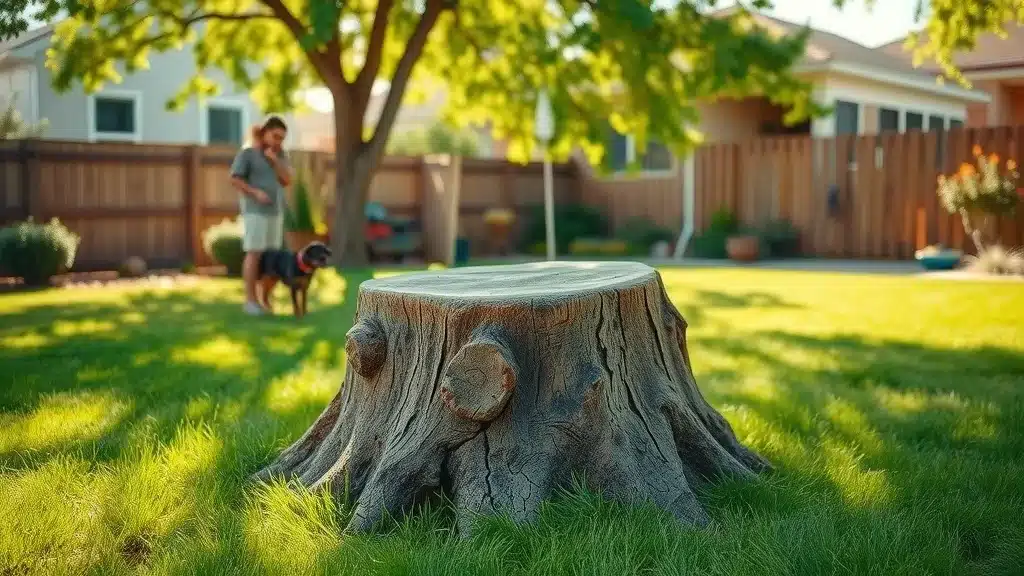
Ever looked at a stubborn tree stump in your Denver yard and wondered, “Should I finally get rid of it—and if so—what’s really the best way?” If you’ve found yourself puzzling over stump grinding vs. stump removal, you’re not alone. These methods sound similar, but the differences can make or break your landscaping plans, wallet, and even your weekend mood. Understanding which approach is right for your property could save you time, money, and a few surprise visits from an overly ambitious squirrel.
Curious If Stump Grinding or Stump Removal Is Right for Your Denver Home?
When it comes to tree care for Denver properties, addressing those leftover stumps is more than just a cosmetic decision—it’s about long-term safety, property value, and planning for the future of your outdoor space. The choice between stump grinding and stump removal might seem straightforward, but there is more beneath the surface (literally and figuratively). Factors like local soil, cost, plans for replanting, the size of the tree stump, and even regulations play into which stump solution fits your goals. Stump grinding is often faster and neater, while stump removal takes no prisoners—root system and all.
Property owners need to ask: Do you want a level lawn now, or are you dreaming of building a deck or planting a new tree right on top of where the old trunk stood? The answer determines whether it’s time to grind the stump or go for full extraction. As you weigh your options, we’ll unpack the real impact each choice can have, both above ground and below.
The Real Impact of Leftover Tree Stumps on Your Property
At first, leftover stumps might simply look like minor eyesores, but letting them linger can create bigger issues over time. Aside from disrupting the clean look of your yard, they often become tripping hazards—especially when hidden by grass. With roots remaining underground, even ground-level stumps can continue to sprout shoots or attract unwanted pests, like termites and ants, which may move from stump to home. Moisture can collect around decaying wood, leading to fungus growth and further degrading surrounding soil quality. In a city like Denver, where curb appeal and property value often go hand-in-hand, unaddressed tree stumps can chip away at investment returns and neighborhood reputation.
What You’ll Learn About Stump Grinding vs. Stump Removal
- Key differences between stump grinding and stump removal
- Pros and cons of each method for Denver properties
- Cost, time, and environmental considerations
- Insights from certified arborists
- Popular questions answered by tree care experts
Understanding Stump Grinding for Denver Properties
How Stump Grinding Works: Tools, Process, and Safety
Stump grinding is the go-to method for Denver property owners looking for a fast and relatively non-invasive tree care solution. Using a powerful stump grinder—a heavy-duty machine with a rotating cutting disc—professionals grind the stump down below the soil line, turning the wood (and sometimes the edge of the root system) into mulch-sized wood chips. Most grinding machines are compact enough to maneuver through gates or fences, and certified arborists or tree service crews operate them with strict attention to safety. They’ll wear protective gear (think: helmets, goggles, gloves) and cordon off the grind zone to shield against flying debris.
The grinding process leaves the tree roots mostly intact, but the visible stump is reduced to a mix of earth and wood chips, which are easily raked away or used elsewhere on the property. One beauty of stump grinding is the minimal mess—no craters or disaster zones—so you can reclaim a usable lawn almost immediately. For Denver’s urban neighborhoods, where space is precious and underground power lines or irrigation systems might be a concern, stump grinding is often the swiftest way to restore curb appeal without a construction project’s footprint.
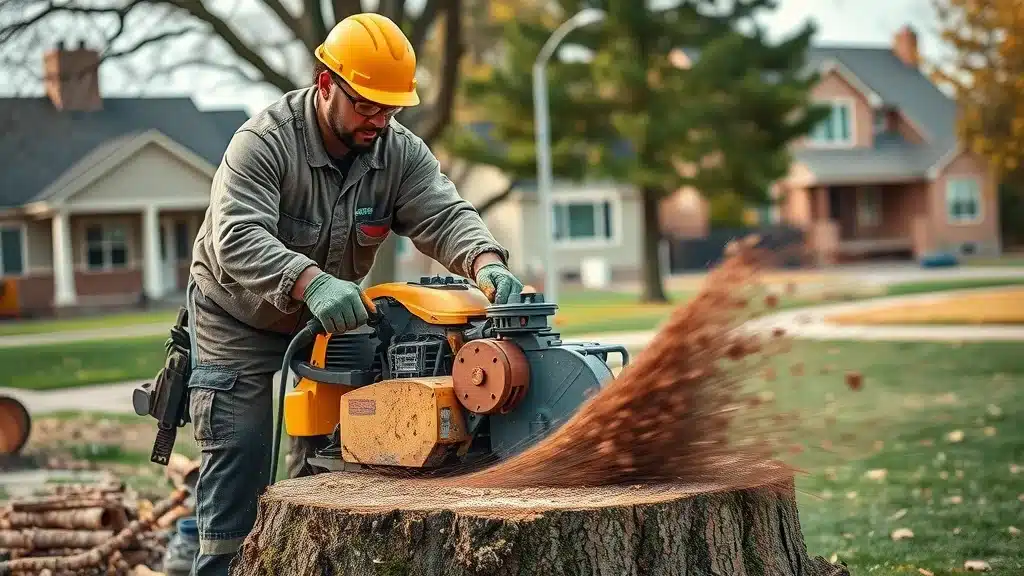
Pros and Cons of Stump Grinding for Tree Service
“Stump grinding offers a fast, less invasive way to deal with tree stumps, especially in urban Denver yards. ” — Local Certified Arborist
Pros: Stump grinding has become the standard for routine landscape clearance in Denver. It’s fast—often taking under two hours for most jobs—leaves minimal soil disruption, and comes at a reasonable cost compared to other methods. The mulch-like wood chips can be repurposed for garden beds, and you avoid the hassle (and expense) of dealing with a gaping hole in your yard. No wonder so many certified arborists recommend it for homeowners who want a practical, eco-friendly approach.
Cons: However, stump grinding isn’t a perfect solution. Because roots remain underground, certain tree species may continue to sprout suckers or regrow, albeit less aggressively. It’s also not ideal if your next plans involve major digging, replanting a tree in the exact spot, or starting a construction project that demands a completely clear foundation. If deep roots pose a safety hazard to utilities or you need complete removal, you may need to upgrade to full stump removal.
Exploring Stump Removal: What Denver Residents Need to Know
Stump Removal Process Explained: From Roots to Topsoil
Stump removal is the all-or-nothing option. Unlike grinding, which chews up the stump and surface roots, full stump removal involves excavating the entire tree stump and its entire root system. This removal method usually requires heavy equipment such as an excavator or backhoe, strong enough to extract deep roots intertwined beneath the yard. The process begins by digging around the stump, cutting through tough tree roots or using winches, then hoisting the whole mass—stump and roots—out of the ground.
While it undoubtedly leaves a mark (and, let’s be honest, a bit of a moon crater), stump removal ensures a fresh slate for any construction projects or replanting. Many certified arborists reserve this method for property owners planning extensive landscaping, installing new structures like patios, or addressing problematic roots that threaten foundations or driveways. Just be prepared for extra time, higher costs, major soil disruption, and the need to backfill the resulting hole with fresh topsoil before you break out the lawn chairs.
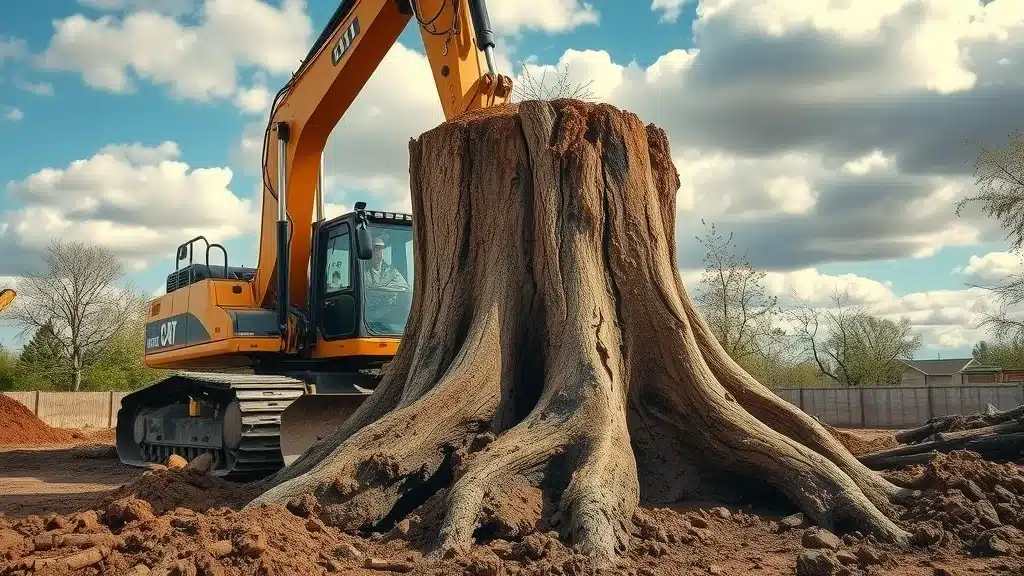
Pros and Cons of Stump Removal by Certified Arborists and Tree Care Experts
“Stump removal is suited for when you want to replant or build— but it’s not for the faint of heart (or impatient). ” — Denver Tree Service Pro
Pros: The big advantage of complete stump removal is obvious—you get everything out of the ground, including the tangled roots, clearing the way for any construction project, patio installation, or the chance to plant a new tree in that exact location. There’s no risk of regrowth or structural obstacles down the road. If you’ve ever tripped over persistent tree stumps or battled root systems creeping near your foundation, you’ll appreciate knowing the job is finished for good.
Cons: On the flip side, removal involves major effort, often requires heavy equipment, and can be disruptive for tight Denver lots with fences or landscaping you want to preserve. It’s pricier (because—surprise—renting an excavator and hauling away a stump the size of a small car isn’t cheap), and you’re left with a hole that needs refilling and often reseeding. For small residential jobs, stump removal is sometimes overkill unless it’s tied to a plan for new construction or full replanting.
Stump Grinding vs. Stump Removal: What’s Best for Denver Properties?
Table: Side-by-Side Comparison of Stump Grinding and Stump Removal
| Feature | Stump Grinding | Stump Removal |
|---|---|---|
| Process | Uses stump grinder to shred stump below ground level | Entire stump and roots extracted |
| Time | Quick (1-2 hrs typical) | Slower (several hrs) |
| Soil Impact | Minimal | Major disruption |
| Cost | Moderate | Higher |
| Suitability | Routine landscape clearance | Construction or replanting |
| Environmental Impact | Less invasive | Higher due to soil disturbance |
Why Denver Soil and Climate Matter for Stump Removal Choices
How Local Climate Affects Stump Grinding and Stump Removal Outcomes
Denver’s semi-arid climate and unique soil composition play a surprisingly important role in deciding between stump grinding and stump removal. Our compact clay-rich soils can make extraction of a stump (and its deep roots) a Herculean task. During dry periods, soil can harden, making it stubborn for both stump grinder blades and heavy machinery. In spring and after heavy rains, the ground may soften, easing removal but also increasing the risk of soil disturbance and potential settlement issues afterward.
Property owners should also consider moisture retention after stump grinding. Because roots remain, decomposing material beneath the ground can temporarily increase humidity and attract beneficial soil microbes—but can also bring pests if not properly managed. For those seeking sustainable tree care in Denver, working with certified arborists who know local conditions guarantees better outcomes, whether you’re prepping for a garden, avoiding a future construction project, or just aiming for a flawless green lawn.
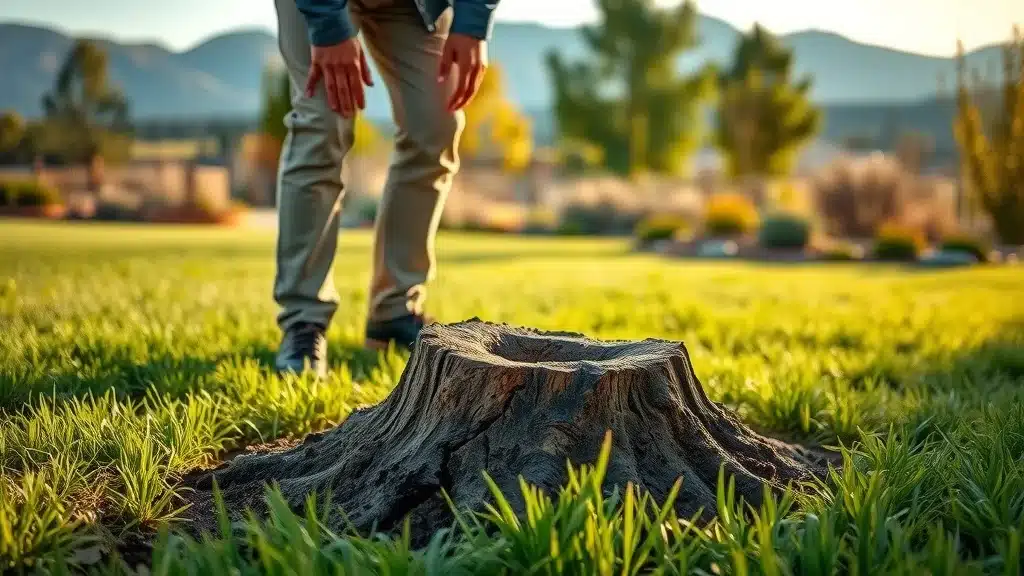
Costs, Equipment, and Time: Tree Service Pricing in Denver
Stump Grinder Rental vs. Professional Tree Service
Costs for stump grinding and stump removal in Denver can range widely, depending on stump size, quantity, yard access, and the complexity of local landscaping. Renting a stump grinder for a DIY project might run $100–$250 per day, but you’ll need to factor in personal time, learning curve, and the effort to haul away wood chips. Professional tree services charge between $150–$500 for standard stump grinding jobs, and $350–$900 or more for full stump removal—especially when heavy equipment is required or multiple stumps are involved.
While DIY seems appealing for the hammer-wielding property owner, the pros come with advantages: expertise, insurance, proper safety gear, and less chance of unearthing a surprise utility line. If you value your back, your schedule, and your landscaping, hiring certified arborists is usually worth the investment, particularly on larger or more stubborn stumps. Plus, you can ask about safe disposal of debris and minimizing your environmental footprint—a win-win for yard and planet.
Certified Arborist Versus DIY: Expense and Safety Factors
- Average costs for stump grinding and stump removal in Denver
- Factors influencing price: size, access, number of stumps
- Pros and cons of hiring tree care professionals versus going DIY
Certified arborists bring more than just muscle—they offer knowledge that helps avoid costly errors. DIY attempts may end well for simple jobs, but larger stumps or those located near power lines, buildings, or irrigation can become dangerous quickly. Improper use of grinding equipment or heavy machinery not only risks injury, but can damage lawns, underground utilities, and property value. Professionals weigh all these factors, delivering peace of mind (and maybe even a tip or two about future tree care and lawn maintenance. )
Watch how stump grinding stacks up against full stump removal, and see real expert crews in action across Denver yards.
Environmental and Safety Considerations for Grinding and Removing Stumps
Tree Stump Hazards and Long-Term Property Value
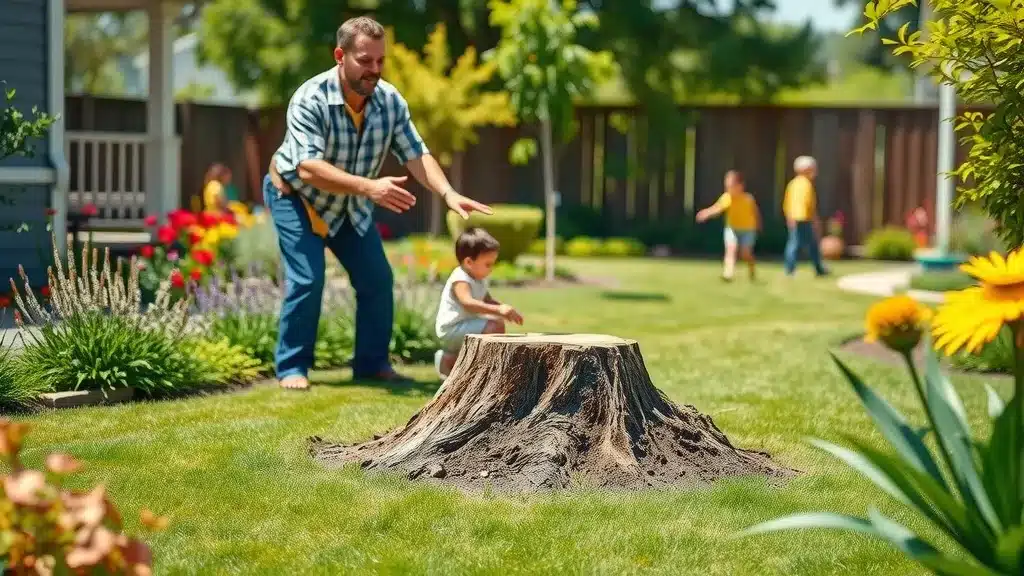
Leaving tree stumps can pose more than just an eyesore. They represent a long-term safety hazard—forming uneven ground, tripping threats, and sometimes damaging mowers or landscaping equipment. For families, hidden stumps become an accident waiting to happen, and—let’s face it—trampolines and surprise tree roots rarely mix well. Over time, decaying stumps can also drag down property value, making future buyers wary of unseen problems or costly repairs. Properly addressing stump grinding and stump removal not only refreshes your lawn but also protects investment, safety, and neighborhood appeal for years to come.
Eco-Friendly Tree Care: Minimizing Your Carbon Footprint
- Handling wood chips and stump debris
- Preventing pest infestation and regrowth
- Safe disposal recommendations from certified arborists
After stump grinding, the resulting wood chips can be reused as mulch, reducing greenhouse gases linked to transportation and landfill use. For best results, avoid piling chips directly against stems or trunks of other plants to reduce rot risk. Certified arborists recommend monitoring for fresh growth, especially for aggressive tree species, and quickly removing shoots if they appear. For hidden stumps or larger projects, proper disposal and recycling of debris ensures pests aren’t given a new home, and your yard stays healthy and free of lingering problems. Eco-friendly tree care isn’t just a buzzword—it’s a strategy for sustainable, low-impact landscape improvement across Denver neighborhoods.
People Also Ask: Stump Grinding vs. Stump Removal
Is stump grinding cheaper than removal?
Answer:
Yes, stump grinding is almost always cheaper than full stump removal for Denver properties. Grinding takes less time, disrupts less soil, and requires less heavy machinery, reducing labor and disposal costs. Removal, by contrast, involves digging around and extracting both stump and roots, often requiring excavators or winches. If budget is tight and you don’t need the stump space for construction or replanting, grinding is typically the more cost-effective and efficient choice.
How much does it cost to grind a tree stump in Denver?
Answer:
The cost to grind a tree stump in Denver can range from $150 to $500, depending on factors such as the diameter of the stump, accessibility of the site, and the number of stumps to be processed. Professional tree service companies may offer a better rate for multiple stumps or larger projects. DIY rental of a stump grinder may seem more affordable upfront, but be sure to factor in rental, safety equipment, time, and debris disposal when comparing options.
Is it better to remove a stump or grind it?
Answer:
It depends on your plans and the specific conditions of your Denver property. If you need a completely clear site for construction, want to plant a new tree in the same spot, or have roots threatening structures, full stump removal is best. For general landscaping or to quickly eliminate an eyesore with minimal disturbance, stump grinding is the preferred, less invasive, and more affordable approach for most homeowners.
How to get rid of a stump in 2-3 days naturally?
Answer:
Natural stump removal in 2-3 days is tricky—most decomposition methods are much slower. Still, you can drill holes in the stump and fill them with a high-nitrogen substance like fertilizer or use a commercial stump remover. Keep the area moist and cover with a tarp to encourage fungal and microbial activity. However, even with these tricks, visible results within 2-3 days are unlikely—manual or mechanical options remain the fastest solutions in Denver.
FAQs About Stump Grinding and Stump Removal in Denver
- Can you plant where a stump has been ground?
Yes, but it’s recommended to wait a season to allow soil to settle and any wood chip debris to decompose. If replanting quickly, remove as much debris as possible and consider adding fresh soil for better results. - Do I need a permit for stump removal or grinding?
Most residential properties in Denver do not require a permit for stump grinding or removal, but it’s wise to check with your HOA or local city office if the tree was part of a regulated planting, or if removal is near utility lines. - How long does it take for the ground to settle after stump grinding?
On average, the ground will settle within 2–6 months after stump grinding, depending on soil type, rainfall, and the size of the stump. Larger stumps or clay-heavy soils may require additional soil top-ups as organic material decomposes below ground.
Key Takeaways: Stump Grinding vs. Stump Removal for Denver Residents
- Stump grinding is quick, cost-effective, and less invasive for most Denver yards
- Stump removal is best for construction or complete replanting plans
- Local soil and climate can influence the right choice
- Consult with a certified arborist for complex or large tree stumps
Ready for a Clear Yard? Contact Denver CO Tree Services to Book Your Stump Grinding or Removal!
Don’t let old stumps stand in the way of your next landscaping project. Denver CO Tree Services is equipped with certified arborists, top-grade stump grinders, and expert crews who get the job done right—so you can reclaim your yard today!
Sources:
- Denver CO Tree Services – https://www.coloradotreeservicepros.com/tree-service-for-denver-co/
- Arbor Day Foundation – https://www.arborday.org/trees/lawn-care/tree-stump-removal.cfm
- Colorado State Forestry Service – https://csfs.colostate.edu/gardennotes/642.html
- City of Denver – https://www.denvergov.org
When deciding between stump grinding and stump removal for your Denver property, it’s essential to understand the key differences and how they align with your landscaping goals. Stump Grinding involves using specialized machinery to grind the stump down to 6–14 inches below ground level, leaving the root system intact. This method is faster, less invasive, and more cost-effective, typically ranging from $150 to $400 per stump. It’s ideal for homeowners looking to quickly eliminate unsightly stumps without significant disruption to their yard. The resulting wood chips can be repurposed as mulch, benefiting your garden. (premierstumpgrinding. com) Stump Removal, on the other hand, entails extracting the entire stump along with its root system. This process is more labor-intensive, often requiring heavy equipment, and is generally more expensive, with costs ranging from $200 to $600 per stump. Complete removal is recommended if you plan to replant in the same spot or undertake construction projects that require a clear area. (coloradotreeservicepros. com) Considerations for Denver Properties: Soil and Climate: Denver’s compact, clay-rich soils can make stump removal challenging, especially during dry periods when the ground hardens. Stump grinding may be more practical under these conditions. Pest Prevention: Leftover stumps can attract pests like termites and ants. Grinding the stump below ground level helps mitigate this risk. (premierstumpgrinding. com) Safety and Aesthetics: Removing stumps enhances the visual appeal of your yard and eliminates tripping hazards, contributing to overall property safety. (rushtontreeservice. com) Cost Factors: Stump Size: Larger stumps require more time and resources to remove or grind, increasing costs. Accessibility: Stumps located in hard-to-reach areas may incur additional charges due to the complexity of the job. Number of Stumps: Some companies offer discounts for multiple stumps, reducing the overall cost per stump. (flatironsstumpremoval. com) Conclusion: For most Denver homeowners, stump grinding offers a quick, efficient, and less disruptive solution to remove tree stumps, making it suitable for routine landscaping needs. However, if you have specific plans that require complete removal of the root system, such as construction or replanting in the same location, stump removal may be the better option. Consulting with a local tree care professional can provide personalized advice tailored to your property’s needs.