
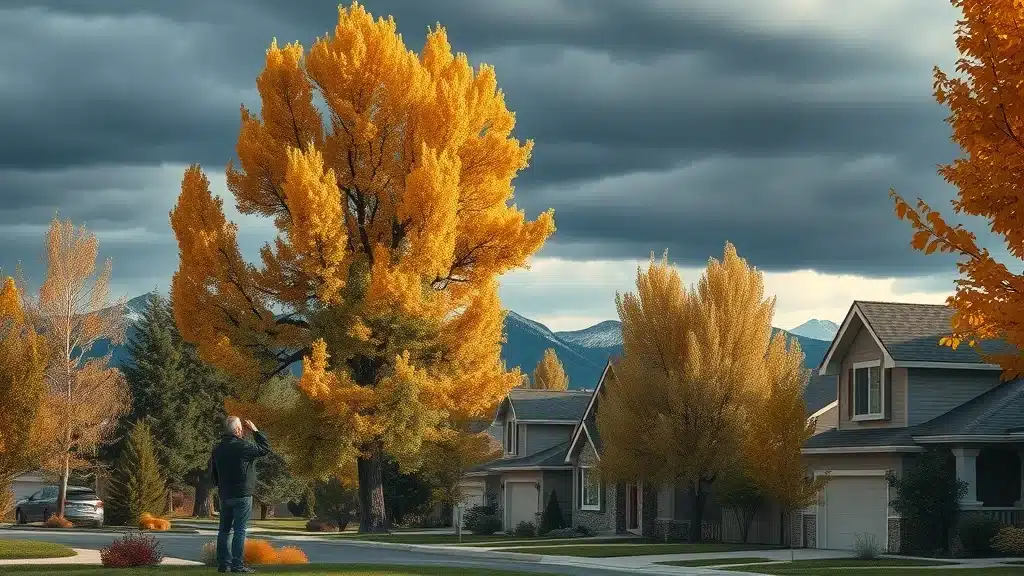
Did you know that trees and branches cause over $1 billion in property damage every year in the United States—and the majority of that is completely preventable? When it comes to preventative tree maintenance in Denver, waiting until disaster strikes can be a costly mistake. As Denver’s stunning neighborhoods brace for another unpredictable storm season, smart homeowners are discovering that a little TLC for their trees now can spare their homes, vehicles, and wallets from a world of trouble later. In this detailed guide, we’ll explore exactly how you can protect your property, your safety, and your savings—all before the first snowflake falls or the wind howls through your block.
Startling Facts: Why Preventative Tree Maintenance in Denver Can Save You Thousands
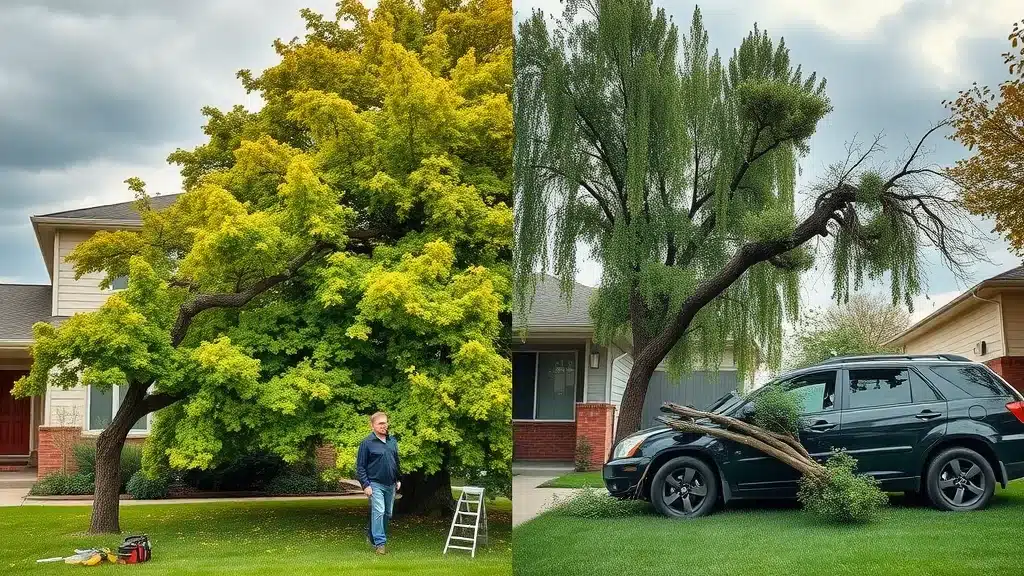
Preventative tree maintenance isn’t just about keeping your yard looking tidy; it’s a crucial financial strategy for Denver homeowners. Each winter, snow and ice overloads, high winds, and freeze-thaw cycles turn healthy-looking branches into ticking time bombs. In the Denver area, homes surrounded by mature or poorly maintained trees are at a higher risk, especially when winter storms roll across the Front Range. The cost of ignoring winter tree care can be staggering. For example, repairing a roof, siding, or even replacing a vehicle after a tree limb comes crashing down easily runs into the thousands—far more than the cost of simple tree care services or an annual check-up.
“According to the National Storm Damage Center, fallen trees and branches cause over $1 billion in property damage annually in the US—most of it preventable!”
The Financial Impact of Ignoring Winter Tree Care in Denver
When homeowners skimp on winter tree maintenance, the consequences aren’t just cosmetic—they’re financial. A single emergency tree removal after a snowstorm can cost well over $2,000, not including the added expense of home repairs, insurance deductibles, or lost property value. Compare this to the $200–$500 price for preventative tree trimming before winter moonsaults onto the city, and you’ll see why savvy Denverites treat tree care as essential insurance—not an optional luxury. Damaged root systems, broken branches, and neglected young trees all contribute to increased liability and surprise expenses. Spending a little now on tree service or a free estimate from a certified arborist is a genuine investment in your home’s safety and your peace of mind—not to mention your next vacation fund.
What You’ll Learn About Preventative Tree Maintenance in Denver
- The essentials of tree care for Denver homeowners
- Cost breakdowns: preventative vs. storm repair
- When to hire a certified arborist
- How the dormant season benefits your trees
- Easy tree care services to prepare your yard
Understanding the Denver Climate: Unique Challenges for Preventative Tree Maintenance
Denver’s climate is both beautiful and deceiving. The city experiences a wild swing in winter weather—anything from gentle snow to sudden, heavy-laden ice storms. Denver’s elevation and position along the Front Range create a microclimate where snow and ice stress trees differently than in lower, more humid zones. Because of this, trees here face risks unique to our region—a fact any certified arborist in Denver will confirm! Prolonged freezes, quick thaws, and late-season snows can turn healthy trunks and limbs in your Denver yard into hazards overnight. The biggest storm damage risks? It’s all about timing—a misjudged pruning cut or ignored crack in a limb during the wrong week can spell heartbreak and a hefty bill.
How Snow and Ice Affect Denver Trees
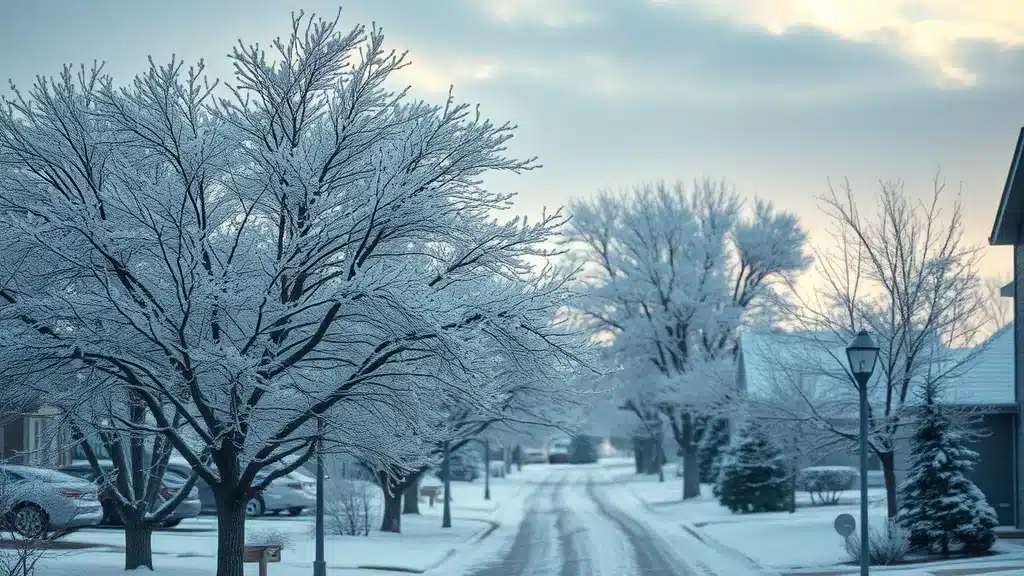
Heavy snow and ice storms are especially hard on Denver trees. Water-soaked branches become brittle and susceptible to snapping, even on mature, healthy trees. The freeze-thaw cycles common in the Denver area cause root systems to expand and contract, weakening their grip and sometimes uprooting trees altogether. These conditions are tough not only on deciduous trees but on evergreens, as well. A certified arborist will tell you that poorly maintained trees are much more likely to suffer broken branches, lost limbs, and trunk splits—introducing disease, pests, or even complete tree loss. Plant health care during winter starts with inspection and proactive treatment, a move that can save both the tree and your wallet.
Typical Winter Storm Damage and Risk Factors
Denver’s winter storms bring unique threats: high winds, ice buildup, and wet, heavy snow are a triple-threat to Denver trees. Especially vulnerable are older trees with previous damage, trees with co-dominant (split) trunks, and any with visible wounds or poor pruning history. Limb breakage, crown collapse, uprooting, and loss of large branches over structures or utility lines rack up the bulk of the city’s storm damage costs. A little proactive tree care—like giving your tree a proper trim or bracing weak limbs—radically reduces these risks. And as anyone in the Denver area will tell you, that’s money and heartache saved.
Essential Tree Care Tips for Preventative Tree Maintenance in Denver
- Tree trimming to prevent breakage
- Inspecting for hidden damage
- Proper mulching and watering
- When to call ISA Certified Arborists
The first step to preventative tree care in Denver is tree trimming. Regularly thinning the canopy and removing weak or crowded limbs ensures that your trees can better withstand snow or ice loads without breaking or splitting. Inspections are crucial, especially after a major winter storm; what seems like a small crack or bowed branch may harbor internal rot or hidden damage. Underestimating these small hints is how disaster (and expensive tree removal) strikes. A seasoned ISA certified arborist knows what to look for and which branches threaten your property.
Equally important: don’t forget the roots! Mulching and seasonal, deep watering prepare your trees for harsh weather, locking in moisture and reducing freeze damage. Mulch also acts as insulation for your trees and shrubs against Denver’s wild temperature swings. If you’re unsure what your trees need—or spot fungi, pests, or splitting—don’t guess. That’s when you call in the pros: ISA certified arborists can provide a tailored, science-backed plan. Remember, what you do now has an enormous effect on next spring’s leaf-out and your home’s storm season resilience.
Timing Is Everything: Dormant Season and Tree Service Scheduling
Ask any Denver tree care pro, and they’ll say the calendar is half the battle. The dormant season—typically from late November to early March in the Denver area—is ideal for most major tree care services. Trees are in their slowest growth period, energy is conserved in the root system, and wounds from cuts or removals heal most effectively, minimizing disease or pest invasion. Best of all? With less foliage, certified arborists can see branch structure more easily and work quickly, saving you both time and money. By scheduling tree trimming and removal jobs now, you beat the spring rush, lock in better rates, and dramatically lower your storm season risk. Don’t wait until neighbors are lined up for emergency tree service—call before disaster is forecast!
Why the Dormant Season Is Best for Tree Trimming and Tree Removal
The dormant season is the MVP of tree care timing in Denver. Why? Trees experience less physiological stress, the heavy lifting of tree trimming or tree removal is easier (and sometimes cheaper!), and the chance of spreading disease is lowest. Fungi, beetles, and other pests are far less active in cold weather, so freshly cut wood or wounds are less likely to be infected or infested. As a result, your plant health and future growth prospects improve greatly. Arborists can work more safely and spot problems that leafy canopies might obscure in summer. Plus, you’ll be out enjoying Colorado’s trails—not calling insurance after a rogue limb does a number on your roof.
How to Book Denver Tree Care Services for Winter Trees
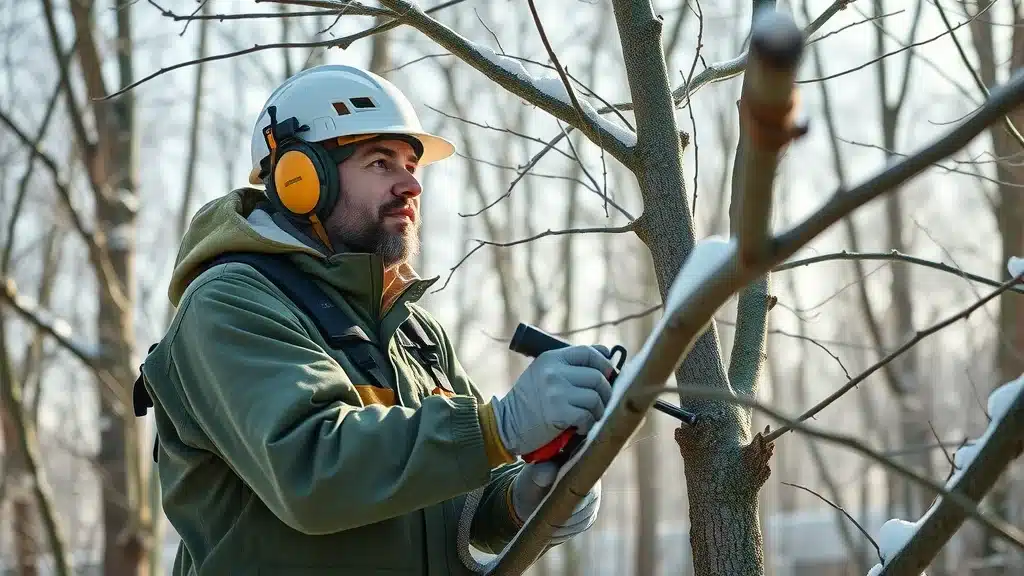
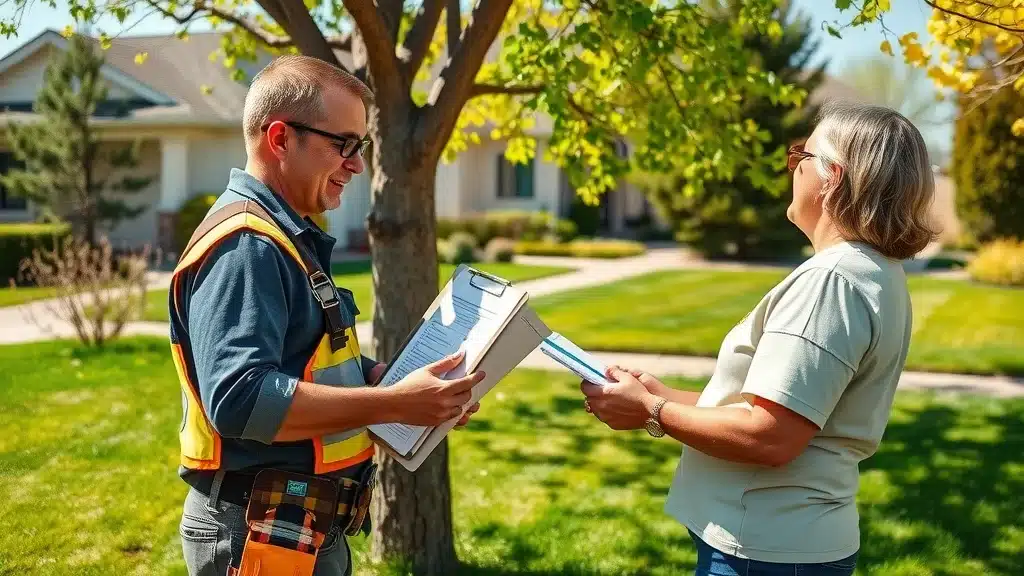
If all this talk of timing sounds complicated, don’t worry! Booking Denver tree care services in winter is a snap. Start by getting a free estimate from a local ISA certified arborist. They’ll assess the health of your trees, recommend pruning, bracing, or even removal if necessary, and provide a detailed cost breakdown. Many Denver tree service companies offer winter specials and prioritize preventative maintenance in their winter schedule. Be ready: slots fill quickly as storm season approaches. Provide clear access to trees, point out areas of concern, and ask for documentation on their insurance and certifications to ensure a safe, professional job. (And hey, extra coffee for the crew never hurts, either. )
Certified Arborists in Denver: Why Professional Tree Care Matters
- Benefits of hiring an ISA certified arborist
- Common mistakes DIYers make during winter tree care
- What to expect from professional tree services
Not all tree care is created equal—especially in Denver’s tough climate. A true ISA certified arborist is trained, tested, and insured to handle everything from storm damage assessments to advanced pruning and tree removal. They know the quirks of our local trees, the soil composition, common pests, and the risks posed by heavy snow and winter storms. Certified pros use industry-standard (often high-tech) techniques that protect your trees’ strength and longevity, ensuring safety for your home and family. On the other hand, DIYers risk over-pruning, causing wounds that invite disease, or missing silent hazards that could cause a limb to fail in the worst conditions.
When you hire certified arborists for your Denver property, you get more than just someone with a saw and a pickup. Expect a thorough inspection, clear itemized estimates, safe and efficient work zones, debris haul-away, and advice that could boost your plant health care for years to come. The value extends beyond this winter tree: your landscape’s health, your property’s safety, and your own schedule are all protected by expert eyes (and hands).
Preventative Tree Maintenance in Denver: Cost Comparisons
| Service Type | Preventative Cost | Emergency Repair Cost | Potential Savings |
|---|---|---|---|
| Tree trimming | $200-$500 | $1,000+ | $500+ |
| Tree removal | $500-$1,200 | $2,000+ | $800+ |
| Storm cleanup | N/A | $3,000+ | Varies |
How a Free Estimate Can Help You Plan
A free estimate from a professional tree service takes the guesswork out of budgeting and ensures you’re not caught off-guard by unexpected costs. The estimate should include both preventative and emergency options, so you see clearly how a little attention now stacks up against the sticker-shock of a post-storm repair bill. Licensed tree care services in Denver often provide transparent quotes, outlining line-item pricing for tree trimming, tree removal, and storm prep. Take advantage of these offers—they’re a valuable educational tool, whether you’re new to Denver or a native who’s learned the hard way not to overlook the basics of winter tree care.
Denver Tree Care Services You Shouldn’t Ignore Before Storm Season
- Structural pruning for young and mature trees
- Cabling and bracing weak limbs
- Hazardous tree inspection
- Soil care and fertilization
Don’t ignore these critical Denver tree care services as storm season approaches! Structural pruning increases stability and wind resistance for young trees and mature specimens alike. Cabling and bracing are lifesavers for split trunks or heavy, arching limbs, preventing cracks from becoming catastrophic failures. An annual hazardous tree inspection (by an ISA certified arborist, of course) identifies and mitigates problem spots before they escalate. And don’t underestimate the value of late-winter soil care or targeted fertilization—these steps boost root health and plant resilience after a rough season. Bottom line: comprehensive care before storms means fewer panicked calls for cleanup after.
Video Guide:
People Also Ask
What time of year is the cheapest for tree removal?
The most affordable time for tree removal in Denver is usually during the dormant season—late fall through winter when demand for tree services drops. With fewer emergency jobs on their schedule, tree care companies can offer lower rates, more flexible booking options, and bundled discounts on multiple services. Scheduling during winter also minimizes property disruption and risk to your landscaping. Always request a free estimate before deciding!
Is it okay to prune trees in October?
Absolutely, October is a fine time to start pruning in Denver, especially for minor trimming and dead limb removal. It’s just ahead of the dormant season, which means the trees are slowing growth and wounds can heal before hard freezes hit. However, major structural pruning or removals are best scheduled once full dormancy sets in (usually late November through winter). Consult with a certified arborist for species-specific recommendations!
What is the tree law in Colorado?
In Colorado, trees are generally considered the property of whoever’s land they’re rooted in. However, limbs or branches overhanging property lines may be trimmed by neighbors—but only up to the boundary, and not in a way that risks the tree’s health. Trees on public right-of-way are usually managed by the city. For large projects or disputes, seek advice from a certified arborist and review Denver’s municipal codes to avoid trouble.
What is the best time of year to trim trees in Colorado?
The late fall through early spring (dormant season) is the optimal period for tree trimming in Colorado. Trees are generally easier to prune, the risks of spreading disease are lower, and growth is less likely to be disrupted. In Denver specifically, trimming during this stretch prepares trees for storm season while protecting long-term health and reducing overall risk.
Winter Tree Trimming and Removal: Risks, Rewards, and Expert Tips
- Inspect trees for dead limbs after each winter storm
- Schedule preventative tree care before Denver snow and ice arrive
- Know when tree removal is safer for nearby structures
Winter tree trimming might sound counterintuitive, but in Denver it’s a winning strategy—removing hazards before heavy snow or wind causes chaos. Regular inspections after storms can catch hidden risks before they escalate. Always take special care with trees near driveways, houses, or play areas: these are the most costly places for a limb to fail. Scheduling preventative care before the worst winter months hit ensures your arborist isn’t backlogged with emergency jobs. And when in doubt about a tree’s stability (especially older or ailing ones), trust a professional’s opinion on safe tree removal. It may be the best investment you make all year.
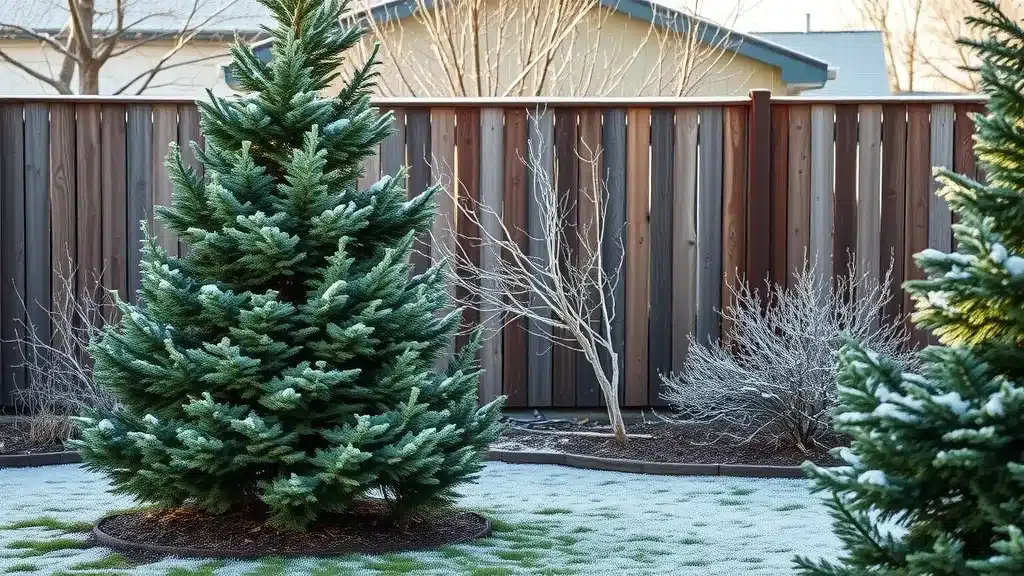
“An ounce of prevention is worth a pound of cure, especially when storms threaten your Denver trees.” — Local ISA Certified Arborist
Key Takeaways on Preventative Tree Maintenance in Denver
- Proactive care prevents expensive storm damage
- Certified arborists know Denver tree species and risks
- Investing in tree care services pays off in long-term savings
Frequently Asked Questions on Preventative Tree Maintenance in Denver
- What trees in Denver need special care before storms?
Mature, old, or previously damaged trees—especially large deciduous species and evergreens—need extra attention, along with young, recently planted trees whose root systems aren’t fully established. - How often should I schedule preventative maintenance?
Ideally, trees should be inspected and lightly pruned annually, with major tree trimming or risk mitigation every 2–3 years, or after severe winter storms in the Denver area. - Will tree services clean up snow and ice after a storm?
Many Denver tree services offer emergency cleanup—removing fallen limbs, hazardous branches, and debris after storm damage. Preventative care reduces the need for these urgent calls. - Can preventative maintenance reduce homeowner insurance premiums?
In many cases, yes—demonstrating regular professional tree care and maintenance can lower liability risk, which some insurers reward with lower premiums or deductibles.
Ready for Storm Season? Book Your Preventative Tree Maintenance in Denver Today!
Don’t wait until the forecast includes “surprise tree on your roof”—proactive care is the best investment you can make in your home’s safety, value, and curb appeal. Book your preventative tree maintenance in Denver with the local experts at Denver CO Tree Services and greet storm season with peace of mind—and a little extra cash in your pocket!
Conclusion: Preventative tree maintenance in Denver is your secret weapon for dodging storm damage, saving money, and keeping your yard (and nerves) in great shape—no superhero cape required.
Sources
- National Storm Damage Center – https://www.stormdamagecenter.org/
- International Society of Arboriculture – https://www.isa-arbor.com/For-the-Public/Why-Hire-An-Arborist
- City & County of Denver: Forestry Services – https://denvergov.org/PublicWorks/trees
- Colorado State University Extension – https://extension.colostate.edu
To further enhance your understanding of preventative tree maintenance in Denver and its financial benefits before storm season, consider exploring the following resources: The City and County of Denver’s Seasonal Tree Care Needs page offers comprehensive guidelines on tree care throughout the year, emphasizing the importance of seasonal maintenance to prevent storm damage. LAM Tree Service’s article on Winter Tree Pruning & Removal Benefits in Denver’s Foothills discusses the advantages of conducting tree maintenance during the dormant season, highlighting how winter pruning can mitigate storm-related risks and promote tree health. By consulting these resources, you can gain valuable insights into effective tree care practices tailored to Denver’s unique climate, helping you safeguard your property and avoid costly damages during storm season.