
Did you know? The average cost for tree removal in Denver can vary by over $1,000 based on just a tree’s size or its distance to a power line—costs many homeowners never anticipate until the final bill arrives. If you’re facing down a gnarly oak or a tilting pine, understanding a tree removal cost estimate is your best defense against surprise expenses. This comprehensive guide will arm you with knowledge, local trends, and insider tips to make your tree removal both affordable and hassle-free.
A Surprising Look at Tree Removal Cost Estimate Trends in Denver CO
Residents in Denver, CO face unique challenges when seeking a reliable tree removal cost estimate. Local climate, property layout, and frequent weather events (including sudden storms and heavy snow) drive removal costs higher than in many other U.S. cities. If you’ve ever wondered why your neighbor paid less—or hundreds more—than you for a similar service, you’re not alone. The cost of tree removal often comes down to a mix of tree size, location, and risk, particularly around professional tree companies with specialized equipment. Homeowners should expect to pay between $350 and $1,500 on average, but don’t be shocked if hazardous or emergency removals rocket above $5,000 for large, precariously placed trees.
Increasingly, Denver homeowners are steering away from generic estimates, demanding detailed breakdowns from removal pros who understand the city’s particularities. With regulations tightening, permit requirements changing, and fluctuating demand—both seasonally and following major storms—knowing the full scope of your tree removal cost estimate upfront is more crucial than ever. In this guide, you’ll uncover the variables that influence pricing, spot hidden fees before they show up on your invoice, and learn how to save money by making smart timing and provider choices.
What You’ll Learn About Tree Removal Cost Estimate in Denver CO
- Key pricing factors influencing tree removal cost estimate in Denver CO
- How local climate and regulations affect tree removal cost
- Expert tips to save on your next tree removal cost estimate
- Understanding additional fees (like stump removal and emergency tree removal)
- Answering popular questions related to tree removal cost estimate
Understanding Tree Removal in Denver: How Tree Removal Cost Estimate Is Calculated
A tree removal cost estimate is much more than a number pulled from thin air—it’s the result of an on-site assessment, local market dynamics, and careful calculation. When you contact a professional tree removal company in Denver, they evaluate specific factors: tree size, health, proximity to power lines or buildings, and the potential hazards involved. For example, removing a healthy tree in an open yard will likely cost far less than extracting a dying cottonwood tangled in utility lines. The use of specialized equipment and the need for extra crew during emergency tree removal both bump up the removal costs dramatically. Providers also need to account for insurance, city permits, and debris disposal, making each cost estimate unique to the job.
Denver’s local market is known for its mix of mature trees and fast-changing urban development, raising both opportunity and complexity. Professional tree experts often advise collecting multiple quotes, each outlining what’s included—from stump removal to complete site cleanup—to avoid surprise fees. Understanding these cost components helps you ask smarter questions and ensure your tree removal cost estimate is accurate, fair, and aligned with local realities.
Key Factors Impacting Tree Removal Cost Estimate
- Tree size and height
- Tree species
- Accessibility and location
- Condition and health of the tree
- Proximity to structures or utility lines
- Emergency tree removal vs. scheduled services
The primary driver of a tree removal cost estimate in Denver is tree size. Large or mature trees require more labor and powerful equipment, increasing risks—and prices. The species also matters: dense hardwood trees take more time and wear down chainsaws faster than softer pines or aspens. Next, accessibility plays a vital role. If the tree’s located behind a fence, close to power lines, or within a small backyard, expect to pay more for the extra time and safety precautions required.
The condition and health of the tree influences costs too. A dead or diseased tree can be unpredictable or brittle, increasing hazards for removal crews; similarly, trees growing near homes or garages demand more expertise and care. Lastly, emergency tree removal services—often required after a storm—are always quoted at a premium, reflecting the urgent need and added risk for workers.
Tree Removal Cost Estimate Breakdown: Average Costs in Denver CO
| Type of Service | Average Cost (Low) | Average Cost (High) |
|---|---|---|
| Standard tree removal | $350 | $1,500+ |
| Stump removal | $60 | $350 |
| Large or hazardous tree removal | $1,200 | $5,000+ |
| Emergency tree removal | $800 | $3,500+ |
“Many homeowners are surprised to learn just how much tree size and access can influence their final tree removal cost estimate.” — Denver Arborist Pro
Professional Tree Removal vs. DIY: Comparing Tree Removal Cost Estimate and Safety
The debate between professional tree removal and DIY is a common one, but the risks and potential extra removal costs often tilt the scales firmly toward hiring a removal pro. While DIY may seem like a way to save money at first glance, it typically comes with hidden dangers: property damage, safety hazards, and liability problems if something goes wrong. Professional tree removal services are not only equipped with specialized equipment but also carry insurance, permitting, and industry expertise to handle tricky, large, or hazardous removals safely and efficiently.
For trees that are especially large, near power lines, diseased, or in hard-to-reach locations, attempting removal without the right skills greatly increases the chance you’ll incur significant damages—or even personal injury. The tree removal company you hire will typically handle permit requirements, coordinate with local utilities, and guarantee the job is done without risk to you or your neighbors.
When to Consider Professional Tree Removal Services
- Large or mature trees
- Proximity to power lines or structures
- Diseased or unstable trees
- Lack of proper equipment
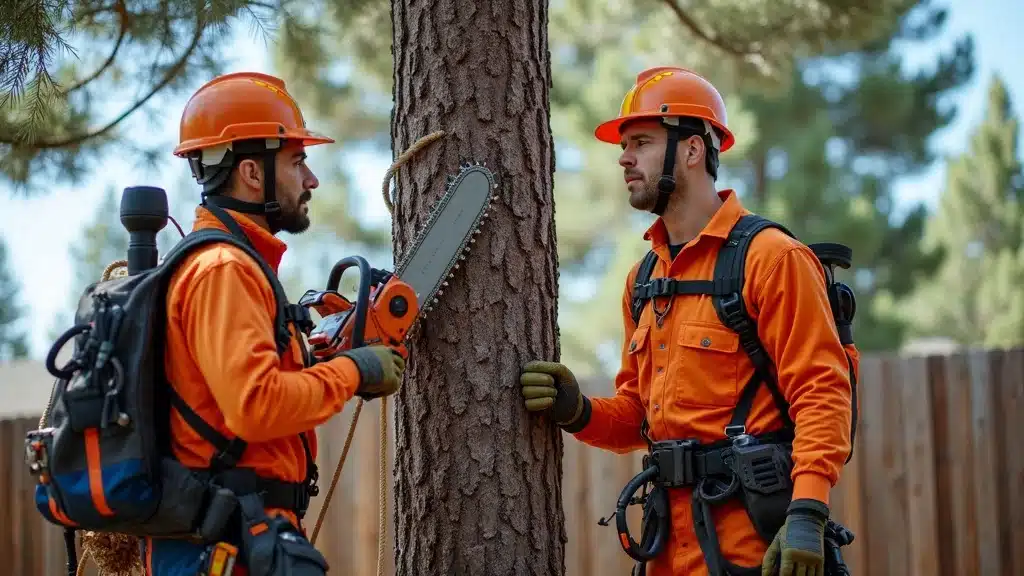
If you’re facing a tree taller than your roofline, leaning near a power line, or presenting visible signs of disease or instability, hiring a professional is the best—and safest—route. A removal pro can prevent the unexpected costs that arise from misjudged falls or underestimating a tree’s weight. Especially when multiple trees or hazardous conditions are present, the peace of mind a certified team provides is well worth the initial cost estimate.
Attempting to trim or fell sizable trees on your own could void homeowners’ insurance if accidental damage occurs. Factor in the expense of renting or buying specialized equipment, and the savings of DIY quickly dwindle. True professional tree removal services protect your home, your family, and your neighborhood, making them an investment rather than an optional expense.
Potential Risks and Unexpected Removal Costs of DIY
Taking the DIY route on tree removal can lead to more than just sore muscles. The risks include serious personal injury—from falls and sharp tools—as well as inadvertent property damage, especially if the tree is near a power line or structure. Most importantly, if a tree takes an unexpected path during felling, you’re liable for any resulting damage or accidents in your yard or a neighbor’s property.
DIY also fails to guarantee proper disposal, often requiring additional removal costs for hauling away debris. In emergencies, lack of insurance and proper equipment can dramatically increase the costs should you need to call a professional after the fact. When weighed against these variables, the tree removal cost estimate from a reputable removal company often proves the more affordable—and far safer—option.
“Attempting tree removal without experience can result in costly property damage, personal injury, and increased liability.” – Licensed Denver Tree Removal Expert
Tree Removal Cost Estimate: Hidden Fees and Additional Services
- Stump removal and grinding
- Debris hauling and disposal
- Permit and inspection fees
- Travel and accessibility surcharges
- Emergency tree removal premiums
When evaluating a tree removal cost estimate, it’s vital to read the fine print. Many Denver residents are caught off guard by unexpected charges for services like stump removal, which is rarely included in a basic tree removal rate. Removing large debris or hauling wood away typically incurs additional removal costs, as do fees for projects that require difficult access (tight backyards, steep slopes, or challenging neighborhoods).
Denver’s permitting requirements can also add to your final invoice, especially in cases involving protected tree species or work close to public streets. If you need emergency tree removal after business hours or during severe weather, expect to see a premium rate for the added urgency and manpower needed.
How to Get an Accurate Tree Removal Cost Estimate in Denver
- Assess your tree’s condition and take measurements
- Collect multiple quotes from professional tree removal providers
- Inquire about included services and potential extra fees
- Ask for details on insurance and certifications
- Read reviews and check references for each tree removal service
Getting the most precise tree removal cost estimate starts with you. Begin by taking clear photos and accurate measurements of the tree(s) to help the removal company provide a thoroughly informed quote. Always request at least three estimates from local removal pros, ensuring they spell out what’s included—from stump grinding to debris disposal—and note any clauses for emergencies or unforeseen access issues.
Make sure each removal service you consider can show proof of insurance and up-to-date certifications, which not only protect you but ensure compliance with Denver city requirements. Checking customer reviews and asking for local references confirms the company’s reputation, work quality, and reliability before you commit.
Tree Removal Cost Estimate Video Guide: What Denver Residents Should Know
In this walk-through video, a Denver-based tree removal expert demonstrates how tree removal pros assess, quote, and execute a real project in a local neighborhood. You’ll see every step: from evaluating tree size and proximity to power lines, through issuing a detailed tree removal cost estimate, to the safe and methodical removal process. Watch for on-screen overlays explaining which cost factors apply and how to maximize your savings without compromising safety.
Ways to Save Money on Your Tree Removal Cost Estimate
- Schedule during off-peak seasons
- Bundle multiple tree removal or trimming services
- Handle debris removal yourself (where safe and possible)
- Regularly maintain trees to prevent emergencies
- Request itemized written quotes
Denver homeowners have several smart strategies to save money on tree removal costs. Booking your service between late winter and early spring—when demand is typically lower—can unlock significant pricing breaks. If you have multiple trees needing attention, bundle removal or trimming to get volume discounts from the same removal pro.
When appropriate, handling light debris cleanup yourself may further reduce your estimate (just be sure to clarify what’s included before committing). Most importantly, regular tree care and inspections help you avoid costly crisis removals after heavy storms or disease outbreaks. Always demand an itemized, written tree removal cost estimate so you know exactly what you’ll be paying for—and can challenge any surprise charges.

Emergency Tree Removal Cost Estimate in Denver CO: What To Expect
Factors Raising Emergency Tree Removal Costs
- Storm-related hazards
- After-hours service fees
- Urgency and resource allocation
- Safety risks for removal crews
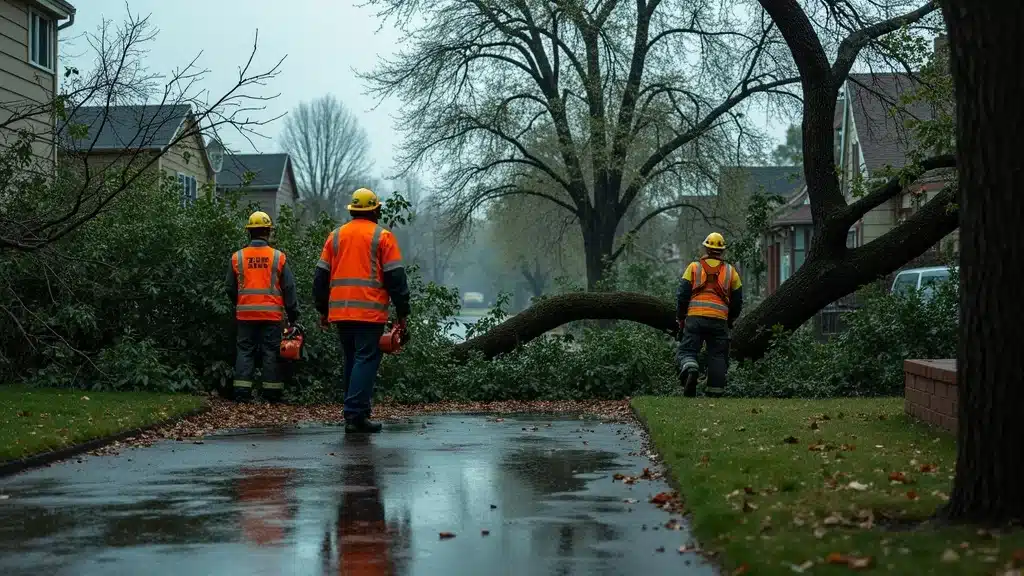
Severe weather is no stranger to Denver, and storm aftermath often leads to urgent calls for emergency tree removal. Unsurprisingly, these situations come with their own set of cost drivers. Storm-damaged trees may threaten houses or block public spaces, demanding immediate attention. After-hours service or weekends result in premium fees due to overtime and rapid deployment. Removal costs also spike for hazardous conditions—unstable limbs, tangled roots, or downed power lines—because protecting workers and property becomes exponentially tougher (and riskier) under these circumstances.
Removal companies must dispatch extra crew and even coordinate with emergency responders or utility companies for severe jobs, impacting both the cost estimate and the time frame for resolution. Denver’s fast-changing weather can also create an urgent backlog of requests following a major storm, potentially driving up prices further due to demand surges.
Stump Removal and Tree Removal Cost Estimate: Do You Need Both?
Stump Removal Services and Average Costs
- When stump removal is recommended
- Cost breakdown for stump removal vs. full tree removal
While some homeowners are content to leave a stump behind after tree removal, this can be a costly oversight. Stumps are magnets for pests (like termites), create tripping hazards, and can make future landscaping projects far more difficult. Stump removal is often priced separately, ranging from $60 to $350 depending on the stump’s size, root system, and accessibility. For larger or multiple stumps, labor-intensive extraction or specialized grinding equipment may push costs higher.
Most professional tree removal services in Denver will offer bundled rates for both tree and stump removal, but it’s important to clarify what’s included in your initial estimate. Removing the stump at the same time as the tree typically costs less than scheduling a return visit. Always compare the incremental charge against the inconvenience and potential hidden costs of leaving a stump in place.
Regulations Impacting Tree Removal Cost Estimate in Denver CO
Local Permitting, Environmental, and HOA Considerations
- City permit requirements for tree removal
- Protected tree species and fines
- Neighborhood or HOA restrictions
- Impact on final tree removal cost estimate
Denver has clear regulations surrounding tree removal—especially for large or historic trees, or those in public rights-of-way. Most removals, especially on street-facing lots or for trees above a certain size, require a permit and city inspection. Failing to secure one can lead to significant fines, or prevent the removal service from starting work altogether. Certain species, such as protected elms or heritage oak trees, may be off-limits for removal or require special city approval, making the tree removal cost estimate higher due to added paperwork and compliance costs.
Neighborhood associations and HOAs often have further restrictions on timing, noise, or preservation, impacting both when and how your tree can be removed—and how much it will cost. Always check city and HOA guidelines before committing to any major tree work, and ask your removal company if they handle permitting as part of their services.
Frequently Asked Questions about Tree Removal Cost Estimate in Denver CO
What is the average cost of tree removal in my area?
In Denver, CO, the average cost for tree removal typically ranges from $350 to $1,500 for standard work. Large or hazardous removals, especially if near structures or power lines, may cost $2,000 or more. Always get a written cost estimate from a professional based on an onsite assessment, as prices vary greatly with each project.
How do you calculate the cost of cutting down a tree?
The final tree removal cost estimate combines several factors: tree size and height, species, condition (healthy vs. diseased), accessibility, proximity to obstacles, as well as whether debris removal or stump grinding is included. Emergency jobs or after-hours requests will add further premiums. A removal pro will inspect your property, then provide a detailed line-item estimate explaining each aspect.
How much does tree removal cost in MN?
Tree removal prices in Minnesota are generally comparable to those in Denver, with averages between $400 and $1,500 for most jobs. However, local species, colder climate, and variable labor rates can shift prices up or down. Denver’s unique factors—such as altitude, frequent storms, and urban density—may make emergency or hazardous removals somewhat more expensive.
What is the cheapest time of year for tree removal?
Late winter and early spring are typically the least expensive times for professional tree removal in Denver. Demand is lower before the growing season and summer storm activity, enabling you to save money and often schedule services more quickly.
Expert Answers: Your Tree Removal Cost Estimate Questions
- In Denver, the average tree removal cost estimate typically ranges from $350 to $1,500, depending on the size and complexity.
- Tree removal cost is calculated based on tree size, height, condition, site accessibility, and whether emergency service is needed. Factors such as stump removal and debris disposal also contribute.
- While costs in MN may be similar in range, regional service rates and local species can affect the tree removal cost estimate. Denver’s higher elevation and weather patterns may mean higher costs for emergency removal.
- Tree removal cost estimate is often lower during the late winter or early spring, when demand for professional tree removal services is less intense.
Essential Takeaways: What Every Homeowner Should Know About Tree Removal Cost Estimate
- Always obtain a professional tree removal cost estimate before hiring.
- Understand the full scope of what’s included in your estimate.
- Permits and regulations can significantly alter costs.
- Seasonal timing matters for best pricing and availability.
- Choose only insured and certified tree removal services for safety and peace of mind.
Choose the Right Professionals for Your Tree Removal Cost Estimate Needs
“A detailed tree removal cost estimate ensures Denver homeowners can budget accurately and avoid unpleasant surprises.” – Certified Arborist
- Always get a written estimate from a professional tree removal company.
- Verify insurance and credentials before booking.
- Ask about guarantees on workmanship and cleanup.
Watch this video to understand every step of the hiring and removal process—what questions to ask, how removal services break down estimates, and how to protect your property and budget.
Ready for an Expert Tree Removal Cost Estimate?
- Visit Colorado Tree Service Pros for a free, no-obligation tree removal cost estimate for Denver CO residents. Expert Tree Removal https://www.coloradotreeservicepros.com/
Conclusion
Get a precise, written tree removal cost estimate, weigh all factors, and work only with certified Denver professionals for a smooth—and affordable—removal experience.
Sources
- HomeAdvisor – https://www.homeadvisor.com/cost/landscape/tree-removal-cost/
- City of Denver Forestry – https://www.denvergov.org/Government/Departments/Office-of-the-City-Forester/Permits-Licenses
- Expert Tree Removal – https://www.coloradotreeservicepros.com/
For a deeper look into local expertise and cost transparency, refer to Tree Service for Denver CO | Colorado Tree Service Pros. This resource provides detailed information on how professional arborists determine your tree removal cost estimate, including what is standard in Denver and the services you can expect. Additionally, their page outlines common pitfalls to avoid when comparing quotes, ensuring you get both safety and value. If you’re serious about understanding and optimizing your tree removal cost estimate, these resources will give you the clarity and actionable advice you need.