

Did you know that studies show improper tree canopy management can block up to 90% of sunlight from reaching your lawn and garden? Imagine the difference healthy, regularly trimmed trees can make—not only for your outdoor space but also for the health of your mature trees and the enjoyment of every sunny Colorado afternoon. In this guide, you’ll discover essential strategies to trim your canopy, let the sunlight shine, and achieve a vibrant, healthy landscape.
Did You Know? Why You Should Trim Your Canopy and Let the Sunlight Shine
For homeowners in Denver CO, understanding why you should trim your canopy and let the sunlight shine is key to keeping both your trees and your outdoor space healthy. Dense tree canopies, while beautiful, can block sunlight, stifle underlying plants, and even contribute to pest problems. Regular tree care, including strategic pruning and professional support, guarantees that sunlight can penetrate your canopy, benefiting both people and plants below.
Trees that are left to grow unchecked often develop crossing branches or grow too dense. This can cause poor air circulation, increased disease risk, and reduced visual appeal. By bringing in elements of proper tree pruning and considering when professional tree services or even tree removal might be needed, you elevate your landscape and increase safety. Focusing on healthy tree canopies means encouraging robust growth, stronger limbs, and a safer environment—an approach supported by certified arborists throughout Denver.
“Healthy tree canopies are essential for sunlight penetration and overall tree vitality.” – Certified Arborist, Denver CO

What You’ll Learn About Tree Canopy Trimming
- Understand why it’s important to trim your canopy and let the sunlight shine
- Explore best practices for tree pruning and canopy management
- Learn the basics of professional tree service and tree care
- Discover safety tips and eco-friendly trimming methods
Understanding Tree Canopies: The Benefits of a Healthy Tree Canopy
The Role of Tree Canopies in Your Landscape
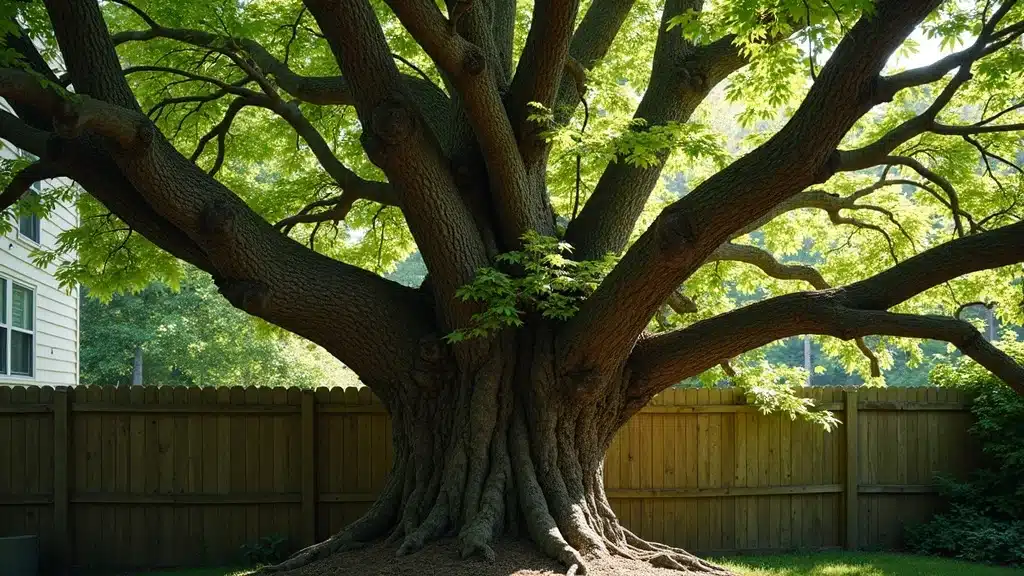
Your tree canopy is the upper layer of leaves and branches that forms a cover over your landscape. This natural umbrella plays a crucial role in maintaining healthy trees, moderating temperatures, filtering air, and reducing high winds—especially during Denver’s unpredictable weather. Mature tree canopies not only provide shade but also contribute to cleaner air quality by absorbing carbon dioxide and releasing oxygen, making your backyard or front yard a more enjoyable outdoor space.
Proper canopy care increases property value and enhances the beauty of neighborhoods throughout Denver CO. The presence of healthy tree canopies is linked to improved mental well-being, cooler summer afternoons, and thriving gardens underneath. But dense canopies or neglected branches can block sunlight and reduce the amount of sunlight plants and grass receive, impacting both curb appeal and overall vitality. Regularly assessing your canopy ensures a balance between shade and sunlight, keeping your landscape lively and comfortable.

Tree Canopy Health and Sunlight Penetration
The health of your tree canopy determines how much sunlight reaches everything below. Dense, overlapping branches can block sunlight, restricting the light exposure your lawn, flowers, and shrubs need to thrive. When you trim your canopy and let the sunlight shine, you encourage undergrowth to flourish, minimize mold or mildew issues, and help maintain robust, disease-resistant trees. The right balance lets sunlight to filter through, providing energy for photosynthesis while still offering vital shade during the hot summer months.
Air flow is another major benefit of a well-trimmed canopy. Good air circulation reduces the risk of fungal diseases and insect infestations, which often target humid, shaded spaces of overly dense canopies. By prioritizing regular tree care and adopting expert tree pruning practices, you set the foundation for resilient, visually appealing landscapes that support both plant and human well-being.
Why Let the Sunlight Shine Through Your Tree Canopy?
Allowing sunlight to shine through your tree canopy is about more than just brightening your yard—it’s integral for maintaining healthy trees and stimulating strong tree growth. Adequate sunlight exposure supports grass and gardens, reduces moisture-related diseases, and encourages young trees to develop straight, sturdy trunks. It’s especially important in neighborhoods where mature trees add privacy and beauty but can also block essential sunlight if not maintained.
By letting sunlight in, you also ensure a safer environment. Overgrown and crowded canopies can conceal broken limbs or crossing branches, increasing risks during high winds or storms. Strategic sunlight management, via pruning and canopy management, allows you to spot issues early, keeping your yard and those around it safe, attractive, and functional all year long.
Trim Your Canopy, Let the Sunlight Shine: Core Principles of Tree Care
Tree Pruning Techniques for Healthy Canopies
Effective tree pruning is the cornerstone of tree care. Techniques such as thinning, reduction, and removal of dead or damaged branches are essential for maintaining healthy trees and maximizing light exposure. Begin by identifying which branches block sunlight or cross each other, as these can stunt tree growth and create hazards. Thinning the canopy—carefully and selectively removing interior branches—encourages sunlight to reach every layer, benefitting both the tree and everything underneath.
Always use clean, sharp tools and make precise cuts just outside the branch collar to promote rapid healing. Proper pruning in the dormant season is best for many species, reducing stress and risk of disease. Pruning for health is about more than looks; it’s about nurturing resilience, preventing overgrowth, and ensuring your mature tree stands strong through every hot summer and Colorado windstorm.
How Tree Trimming Encourages Tree Growth
Trimming your canopy doesn’t stunt growth—it invigorates it! By removing dead, crowded, or crossing branches, you redirect the tree’s energy to thriving limbs. The result? A sturdier trunk, improved shape, and vigorous new shoots. Regular tree trimming helps prevent overgrowth that might otherwise make your tree susceptible to disease, blockage of sunlight, and even damage from high winds.
Moreover, tree care experts in Denver CO note that proper pruning encourages flowering and fruit production among many tree species, offering both beauty and bounty. Balancing sunlight, air flow, and healthy growth ensures you maintain an outdoor space that’s both practical and picturesque, adaptable to local climate and soil conditions.
Professional Tree Services: When to Call an Expert in Denver CO
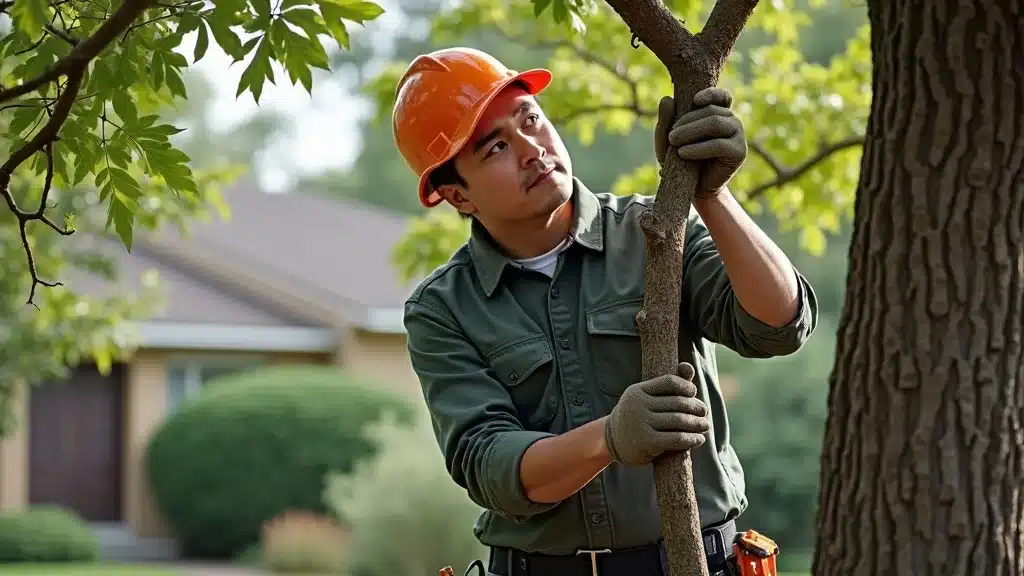
While many homeowners can handle light pruning, there are times when professional tree services are not just recommended—they’re essential. Large or mature tree canopies often require specialized knowledge, advanced tools, and safe practices to trim effectively and prevent injury. If your trees are near power lines, have large dead limbs, or show signs of disease, it’s wise to call a certified arborist or seek expert tree service.
Denver’s unique climate, with its combination of intense sun, high winds, and occasional heavy snow, means tree health can shift quickly. Professionals evaluate whether tree pruning or tree removal is needed and can help manage difficult jobs, from removing heavy branches to providing emergency support after storms. Choosing a trusted, local tree services company results in safer, healthier trees and peace of mind for your property.
Step-by-Step Guide: How to Trim Your Canopy and Let the Sunlight Shine
- Assess your tree canopy and identify problem areas
- Gather the right tree trimming tools
- Plan your cuts for maximum sunlight exposure
- Remove dead, damaged, or crossing branches safely
- Inspect the results and allow trees to heal
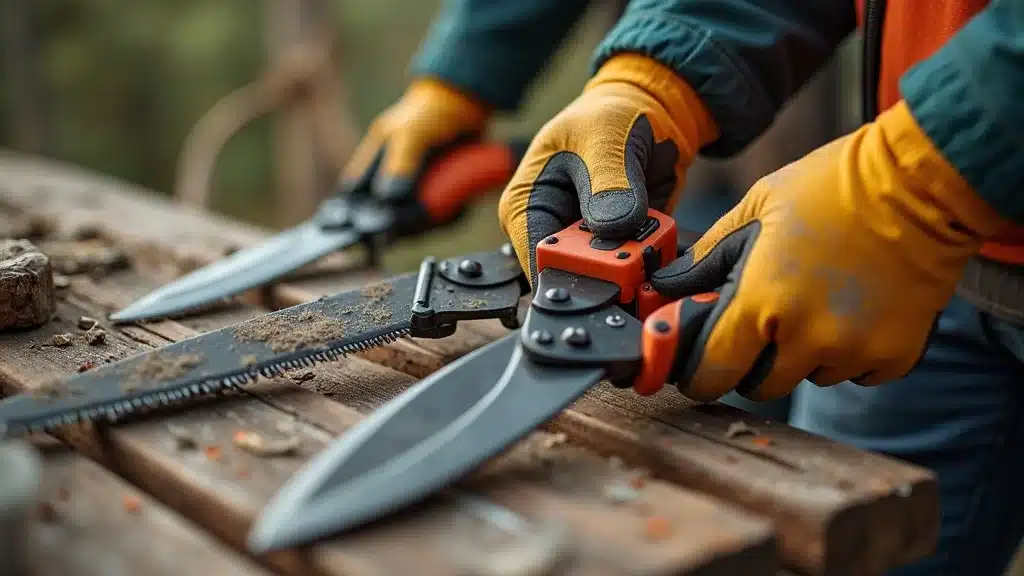
Start by inspecting your tree canopy for overgrowth, crossing branches, and areas where sunlight is completely blocked. Next, collect proper pruning equipment: sharp hand pruners, loppers for thicker limbs, a sturdy saw for larger branches, gloves, and protective goggles. Carefully plan where you’ll cut, always giving priority to dead, diseased, or damaged limbs, followed by branches that cross or rub against each other.
Remove selected branches cleanly, avoiding ragged cuts. Take your time—proper tree care is a marathon, not a sprint. Step back periodically to assess your progress, ensuring you’re letting in as much light as possible without over-thinning. Lastly, give your tree time to heal by monitoring for wounds or signs of stress and watering as needed, especially after significant pruning.
Canopy Pruning vs. Tree Removal: Making the Right Decision
| Aspect | Canopy Pruning | Tree Removal |
|---|---|---|
| Purpose | Promotes health & sunlight | Removes hazardous/dead trees |
| Tools Needed | Pruners, saws | Chainsaws, lifting gear |
| Expertise Required | Moderate to professional | Professional tree service required |
Knowing whether to prune your canopy or remove a tree altogether is vital. Canopy pruning is an ongoing, low-impact practice central to a healthy tree canopy, and is performed as part of routine tree care. In contrast, tree removal is more drastic, reserved for dead, heavily diseased, or dangerously unstable trees—especially those that threaten structures or power lines. Because tree removal demands experience and the right equipment, always consult a professional tree service when large trees are involved.
Many homeowners in Denver CO benefit from a regular assessment paired with strategic pruning, but when in doubt—or when safety is a concern—don’t hesitate to reach out to a local, certified arborist or professional tree services company.
Safety First: Tree Care and Tree Trimming Best Practices
- Always wear safety gear
- Avoid trimming near power lines
- Consult professional tree services for large or risky jobs
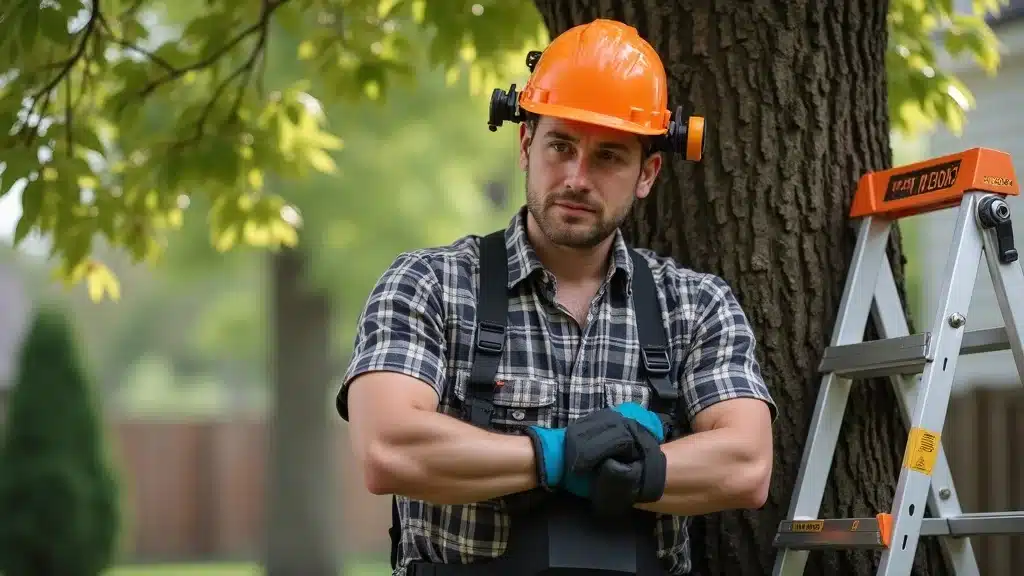
Tree care and tree trimming, while rewarding, carry risks—especially for the unprepared. Always outfit yourself with appropriate safety equipment: gloves, safety glasses, helmet, and sturdy shoes. Check for overhead hazards like power lines and never attempt major pruning or tree removal on your own if these are present. In Denver CO, many yards feature mature trees that require climbing or the use of tall ladders; leave anything beyond simple pruning to the experts.
Establish a clear exclusion zone to protect people and property from falling branches. Make your cuts carefully, with stable footing, and keep bystanders—especially children or pets—well away from the work area. Following these best practices for branch removal and proper tree care keeps you, your family, and your landscape secure while keeping your trees healthy and beautiful.
The Science Behind How Trees Heal After Canopy Work
Trees Heal: Recovery After Trimming
When you trim your canopy and let the sunlight shine, it’s natural to worry about your tree’s ability to recover. Fortunately, healthy trees possess regenerative capacities. When proper tree pruning is performed, trees “seal” the wounds, creating a natural barrier against pests and pathogens. This process is known as compartmentalization. The key is making clean cuts outside the branch collar—avoiding jagged stubs—which allows trees to heal quickly and maintain their natural defenses.
During recovery, consistency matters. Avoid pruning in hot summer drought or during leaf flush—opt instead for dormant or semi-dormant periods, unless removing hazardous deadwood. Watering, mulching, and ongoing monitoring support healing and reduce stress, so your outdoor space rebounds swiftly after each maintenance session.
Encouraging Healthy Tree Canopy Regrowth
After canopy work, new growth—known as epicormic shoots—may sprout along limbs. When you’ve selectively removed the right branches, this regrowth is generally healthy and evidence of a thriving tree. However, excessive or improperly done pruning can lead to weak, poorly attached shoots, so moderation and technique matter. Regular tree care, especially by consulting professional tree services, ensures each trim stimulates robust, safe, and sustainable growth instead of future problems.
Nurture your tree with a layer of mulch (leaving a gap at the trunk), sufficient irrigation, and periodic inspections. When you maintain healthy tree canopies, your entire landscape becomes more vibrant and resilient year after year.
Expert Insights: Quotes from Professional Tree Services
“Properly pruned tree canopies allow for better air circulation and lower disease risk.” – Local Denver Arborist
Common Problems: Crossing Branches, Overgrowth, and When to Call for Tree Removal
Dealing With Crossing Branches in Your Tree Canopy
Crossing branches are a common enemy of healthy tree canopies. When two or more branches rub against each other, their bark may be damaged, creating open wounds for diseases and pests to invade. Crossing branches can inhibit proper growth, reduce light exposure, and contribute to overgrowth, especially in mature trees. The best approach is to identify and remove one of the offending branches—usually the less vigorous or poorly attached one—early in the tree’s development.
If left unaddressed, these problems can multiply, making future tree pruning more challenging. Consulting a professional tree service gives you the confidence that your trees will be cared for using best practices and with an eye towards sustaining long-term health in your Denver CO landscape.
Signs Tree Removal is Needed
Despite the benefits of canopy care, some situations demand tree removal. Look for warning signs: large dead limbs, significant lean, severe pest infestation, advanced decay at the trunk base, or proximity to structures or power lines. If your tree canopy exhibits sudden dieback, dropping limbs, or is otherwise endangering people and property, it’s time to call in professional tree services.
Attempting hazardous removals on your own can be extremely dangerous. Certified arborists in Denver have the experience, equipment, and training required to remove trees safely, ensuring your home and property are protected at every step.
People Also Ask: Your Tree Canopy Questions Answered
What is the 123 rule of pruning?
The 123 rule of pruning is a simple, effective approach: first, remove the three D’s—dead, diseased, and damaged branches. Once those are cleared, focus on shaping and thinning the tree canopy for optimal sunlight penetration and healthy growth.
What is the 3 30 300 tree canopy rule?
The 3-30-300 rule offers a guideline for urban greening: each person should be able to see at least 3 trees from their home, live in a neighborhood with 30% tree canopy cover, and be no more than 300 meters away from a sizeable green space. This approach supports health, air quality, and happier communities.
What is canopy pruning?
Canopy pruning refers to the selective removal of branches in the upper reaches of a tree to improve sunlight access, enhance air circulation, and boost overall tree vitality. This careful strategy supports healthy, strong trees while reducing risks associated with overgrowth or crossing branches.
How to trim a tree canopy?
Start by assessing the tree for damaged, dead, or crossing limbs. Gather the necessary tree trimming tools, prune only what’s needed, and follow safety guidelines, especially when working with large or mature trees. For major jobs, or when in doubt, enlist professional tree services to ensure proper, lasting results.
Coming soon: Step-by-step visual guide on canopy trimming and sunlight management for homeowners!
Watch for the latest techniques and pro-tips on keeping Denver CO trees at their healthiest.
FAQs About Tree Canopy Trimming, Tree Care, and Sunlight Management
- How often should I trim my tree canopy in Denver CO? Every 2–3 years for most shade and ornamental trees, or as needed for safety and health.
- Can tree pruning improve backyard sunlight exposure? Yes! Proper pruning opens the canopy, allowing more sunlight and healthier grass and plants below.
- What are the best months for tree trimming? Late winter to early spring is ideal for many species, before active growth starts, although some quick trims can be made mid-season for safety.
- Is it safe to DIY tree canopy maintenance? Light pruning of small branches is safe for many, but larger jobs near power lines or with big trees should be left to professional tree services.
Key Takeaways for Your Tree Canopy and Sunlight Goals
- Tree canopy trimming is vital for tree health and sunlight distribution
- Professional tree services ensure safety and expert results
- Regular tree care supports vibrant, healthy landscapes
Ready to Trim Your Canopy? Contact Denver CO Tree Services Today
“Trust local experts for your tree canopy trimming and tree service needs. Book a consultation at https://www.coloradotreeservicepros.com/tree-service-for-denver-co/”
Conclusion
Mastering tree canopy care ensures beauty, health, and sunlight for your landscape. Consult local tree service pros to keep your trees—and your home—thriving in Denver’s unique climate.
Sources
- Colorado State University Extension – Pruning Evergreen Trees
- USDA Forest Service – Tree Canopy and Urban Forestry
- i-Tree Tools – Urban Tree Canopy Update
- Colorado Tree Service Pros – Tree Service Denver CO
Maintaining a well-trimmed tree canopy is essential for promoting sunlight penetration and overall tree health. The article “10 Benefits of Tree Trimming and Pruning” from Atlanta Arbor highlights that regular pruning not only enhances the aesthetic appeal of your landscape but also improves tree health by removing dead or diseased branches, thereby allowing more sunlight to reach the ground below. (atlantaarbor. com) Similarly, the piece “Crown-Raising Trees Lets More Light Into Your Landscape – Here’s How to Do This Simple Pruning Job” from Gardening Know How explains that crown-raising, a specific pruning technique, involves removing lower branches to increase light availability for undergrowth and improve air circulation. (gardeningknowhow. com) If you’re serious about enhancing your landscape’s vitality and ensuring the health of your trees, these resources offer valuable insights into effective canopy management practices.