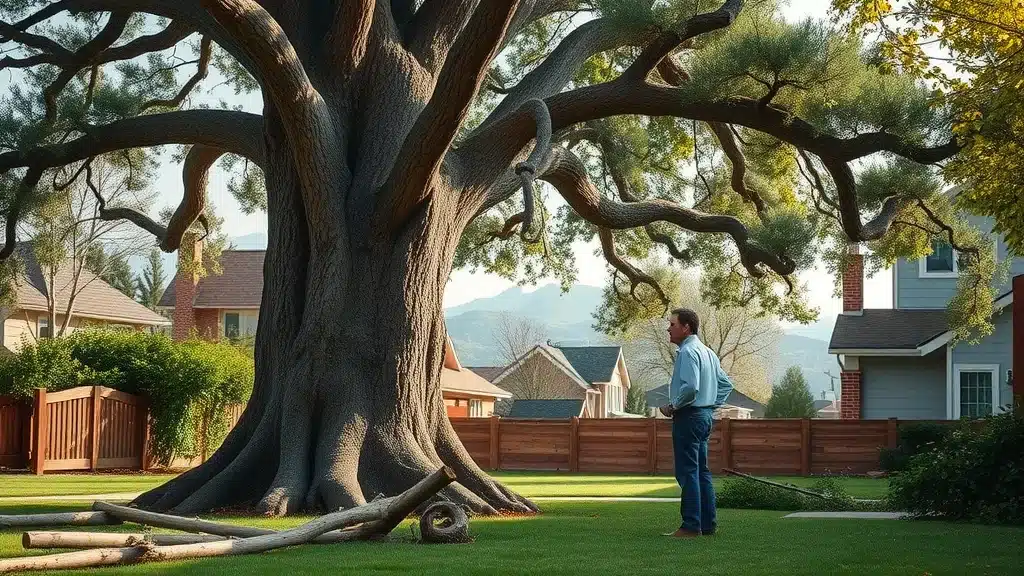
Did you know that nearly 30% of landscape-related property damage claims in Denver involve trees? One out-of-place branch or a leaning trunk could turn your leafy backyard oasis into a major financial headache overnight. Tree risk assessment in Denver isn’t just a job for arborists—every property owner should understand how to spot hazards and prevent their trees from becoming a liability. In this comprehensive guide, we’ll break down the key warning signs, modern assessment methods, and give you the tools to keep your home (and your nerves) safe and sound.
Kicking Off: Did You Know? The Startling Truth About Tree Risk Assessment in Denver
“Nearly 30% of landscape-related property damage claims in Denver involve trees—don’t let yours be next!”
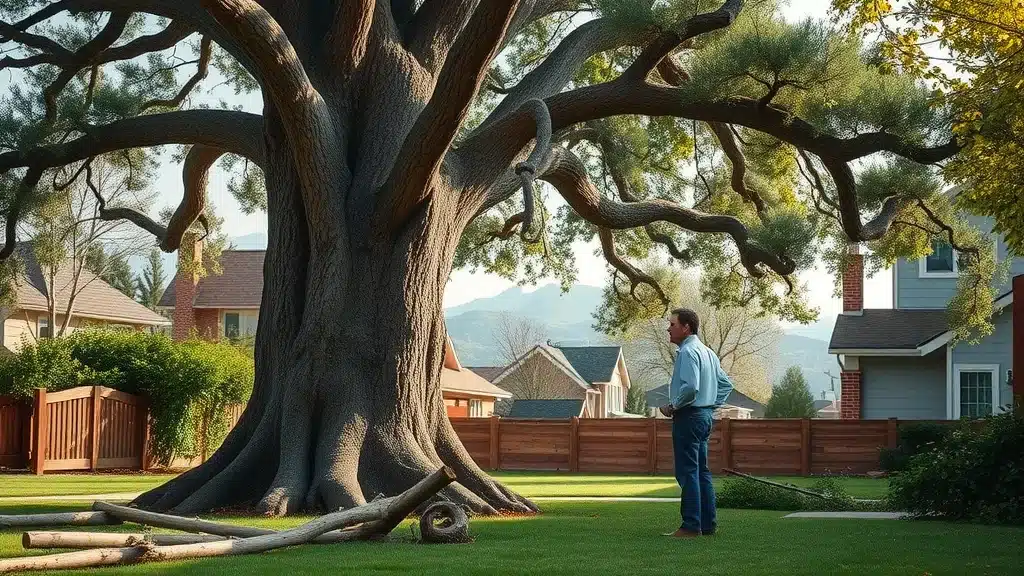
If you’ve ever watched a summer storm whip through Denver, you’ve probably seen branches snap or entire trees topple, leaving chaos—and crushed fences—in their wake. Tree risk assessment in Denver is often the only thing standing between a safe tree and a hazard tree waiting to happen. With Denver’s mix of mature trees, compact urban yards, and unpredictable weather, identifying tree risks early can prevent property damage and insurance nightmares for property owners. Understanding your trees’ health and structural integrity helps protect the safety of people nearby and preserves your property investment. The real question isn’t if you should assess tree risk—it’s whether you can afford not to.
What You’ll Learn About Tree Risk Assessment in Denver
- The fundamentals of tree risk assessment in Denver: how to know if a tree is a liability
- Key warning signs and tree hazards to watch for
- Levels of risk assessments and their importance
- Expert strategies for tree care and mitigating property damage
Understanding Tree Risk Assessment in Denver: How to Know If a Tree Is a Liability
Definition and Importance of Tree Risk Assessment
At its core, tree risk assessment in Denver involves evaluating a tree’s health, structure, and surroundings to determine its likelihood of causing harm. This process isn’t just a box to tick for city ordinances—it’s an essential measure for every property owner concerned about safety and liability. A tree risk assessment focuses on spotting weaknesses such as dead limbs, root decay, and warning signs of an unstable or dangerous tree. Certified arborists use a blend of visual inspections and diagnostic tools to gauge the risk level of a tree and propose mitigation steps if needed. Performing a risk assessment helps property owners avoid costly disasters, from property damage to personal injury claims. With Denver’s dense urban canopy and sudden weather changes, the stakes for unnoticed tree hazards are high. By understanding the importance of tree risk assessments, you’re not just being proactive—you’re protecting your investment and the people who matter most.
Common Tree Hazards in Denver’s Urban Environment
Denver’s unique mix of dry climate, high altitudes, and population density creates ideal conditions for a variety of tree hazards. Mature trees, often cherished as shade givers, may quietly develop structural problems over decades, like cracks, splits, or root decay. Other hazards, such as dead limbs, pest infestations, and significant leans, can signal a tree’s structural integrity is compromised. Urban trees also face unique stresses from construction, limited root space, pollution, and frequent pruning, pushing them closer to being a dangerous tree. When warning signs go unaddressed, even the healthiest-looking specimen can become a risk to home, car, or passerby. Proper tree care, regular risk assessments, and quick response to structural warning signs are the keys to a safer, greener Denver neighborhood.
| Assessment Level | Method | Findings | When It’s Used |
|---|---|---|---|
| Level 1 | Visual, ground-level inspection | Obvious hazards, like dead limbs and cracks | Initial screening of many trees or after storms |
| Level 2 | Visual, close-up inspection with touch/probing | Detailed assessment, root or trunk decay, overall health | For trees showing warning signs or potential risks |
| Level 3 | Advanced diagnostic tools (e.g., resistograph, lab tests) | Internal decay, structural weakness, complex findings | High-value trees, legal cases, insurance, major hazards |
Tree Risk: Warning Signs That a Tree May Be a Liability
- Dead Limbs and Branches
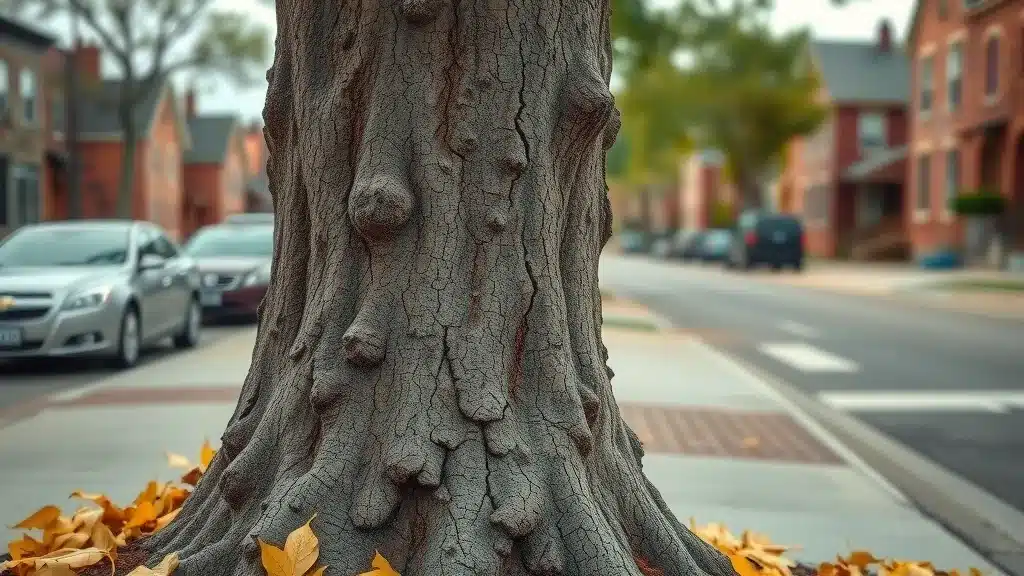
- Visible Cracks or Splits
- Leaning Trunks
- Root Issues and Decay
- Unusual Leaf Loss
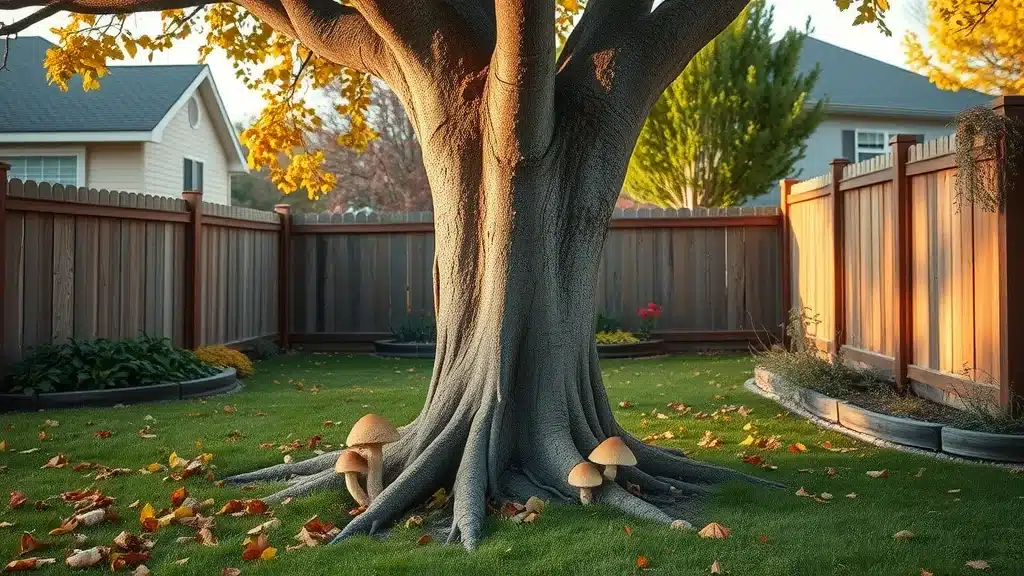
Spotting tree hazards early helps prevent your tree from turning from friend to foe. Look for warning signs like dead or dangling branches, conspicuous cracks in the trunk, or obvious leaning—these can sometimes signal internal weakness or past trauma. Root problems, including fungal growth or exposed, rotting roots, are major red flags for property owners. Unexplained or rapid leaf loss often signals disease, environmental stress, or decay inside the tree. “If you spot mushrooms at the base, your tree may be plotting a quiet escape from this mortal soil. ” Issues such as these can be present in even the sturdiest-appearing tree, especially mature trees that have weathered decades of Colorado winters and hail storms. If you notice more than one warning sign, it’s a clear indicator the tree needs inspection—or it may soon qualify for removal as a hazard tree!
The Tree Risk Assessment Process: Step-by-Step for Denver Homeowners
Level 1 Tree Risk Assessments: What Are They?
A Level 1 tree risk assessment is the simplest form of risk evaluation. It involves a visual inspection—typically from the ground—of the entire tree and its immediate surroundings. This level is often used for screening large numbers of city trees after a major weather event or for a homeowner’s initial review. Arborists look for glaring tree hazards like dead limbs, split trunks, or heavy leaning. The goal is to quickly sort “safe tree” candidates from those needing further examination. If a Level 1 assessment spots any warning signs, such as severe root decay or unexplained dieback, you’ll want to proceed to a more detailed investigation. This first step is essential in urban environments like Denver, where large numbers of trees must be prioritized for safety and maintenance.
When to Call for a Professional Tree Risk Assessment in Denver
If your initial inspection uncovers multiple tree hazards, major structural issues, or you have valuable property nearby, it’s time to call in the pros. Certified arborists bring expertise and diagnostic tools not available to the average property owner. They can distinguish between minor surface cracks and deeper trunk splits, and use specialized devices to reveal hidden internal decay. If your tree is near power lines, overhanging structures, or is showing advanced signs of disease (like hollowing or mushroom growth), always contact a professional—not just for legal peace of mind, but for the safety of people and property in the vicinity.
What Happens During a Tree Risk Assessment?
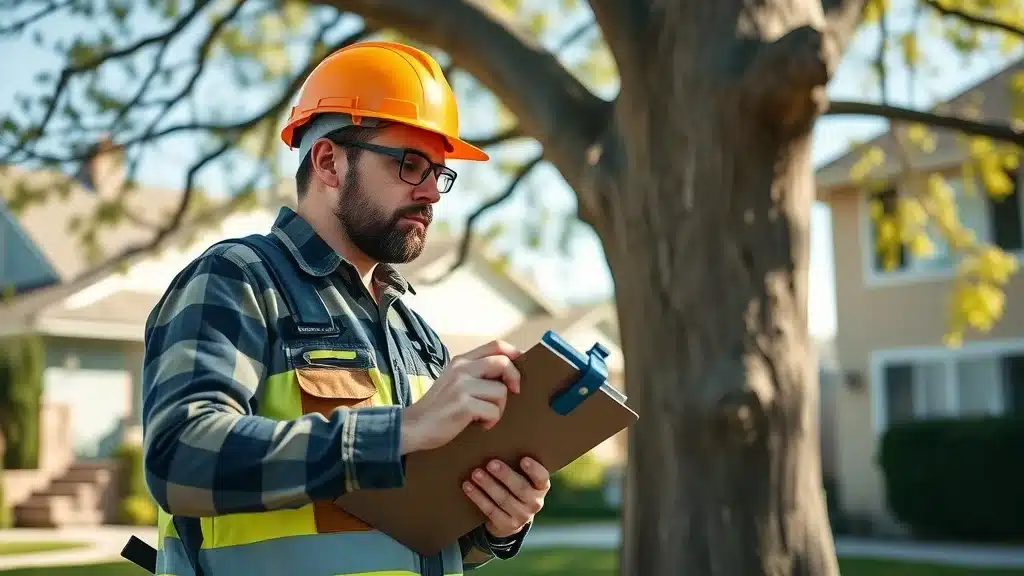
A typical tree risk assessment involves a step-by-step examination by a certified arborist. First, they check the entire tree visually for warning signs: cracks, dead limbs, odd growth patterns, and evidence of pests or disease. Next, they might gently probe the base for soft spots that signal decay or use a mallet to listen for hollow sounds in the trunk. If more detail is needed, advanced testing tools like resistographs or increment borers are deployed to measure internal wood strength. The arborist documents findings with photos and software to produce a risk rating and actionable recommendations. Depending on the evaluation, you might receive a report with tree care tips, immediate pruning orders, or advice to schedule tree removal. The result: you get an exact plan to prevent future property damage and maintain a safe tree environment.
Mitigating Tree Hazards: Practical Tree Service and Care Tips
- When to prune dead limbs
- How to address leaning trees or root problems
- Tree care routines to minimize property damage
Regular tree care is the single best defense against liability and property damage. At the first sign of dead limbs or visible cracks, schedule targeted pruning—don’t wait for gravity (or a heavy snow) to handle it for you. If you notice a trunk beginning to lean, have a tree risk assessment done to determine if bracing or cabling is needed. Root issues, like surface mushrooms or soggy ground, can often be mitigated by correcting soil drainage and avoiding lawn compaction around the tree’s base. Regular inspections and professional tree service appointments are vital to catch small problems before they turn into big, expensive repairs. As the old saying goes: “Good tree care isn’t just for looks—it’s the difference between peace of mind and a roof full of splinters!” Finally, develop a care calendar; seasonal pruning, annual health inspections, and prompt removal of hazardous trees will keep your property safe and neighbor-friendly.
Tree Risk Assessment Tools: Technology and Techniques Used in Denver
Diagnostic Tools for Assessing Tree Hazards
Today’s tree risk assessments employ a range of tools—both high- and low-tech. Arborists use mallets and probes to test for underlying decay and hollow spots in the trunk. For more in-depth risk assessment, devices like resistographs and sonic tomographs chart the density of tree wood and uncover secrets hidden deep inside. Increment borers extract tiny wood samples to test for fungus or disease. These tools provide a scientific basis for evaluating a dangerous tree and deciding if removal or intensive care is needed. Using the right diagnostic tools helps an arborist offer precise recommendations, ensuring that every mature tree or entire tree canopy is as safe and stable as possible.
Software for Streamlining Risk Assessments
Alongside traditional tools, arborists use software platforms to document and organize risk data. These digital solutions streamline reporting, track changes over time, and provide photographic evidence of hazards and recommendations. With robust software, patterns—like repeat dead branches or recurring fungal issues—are easier to spot and address in future tree service visits. As more Denver property owners and property managers embrace technology, modern tree risk assessments are becoming faster, more accurate, and more proactive than ever before.

Property Damage in Denver: Real-World Examples of Dangerous Trees
Case Studies of Tree Hazards and Unexpected Events
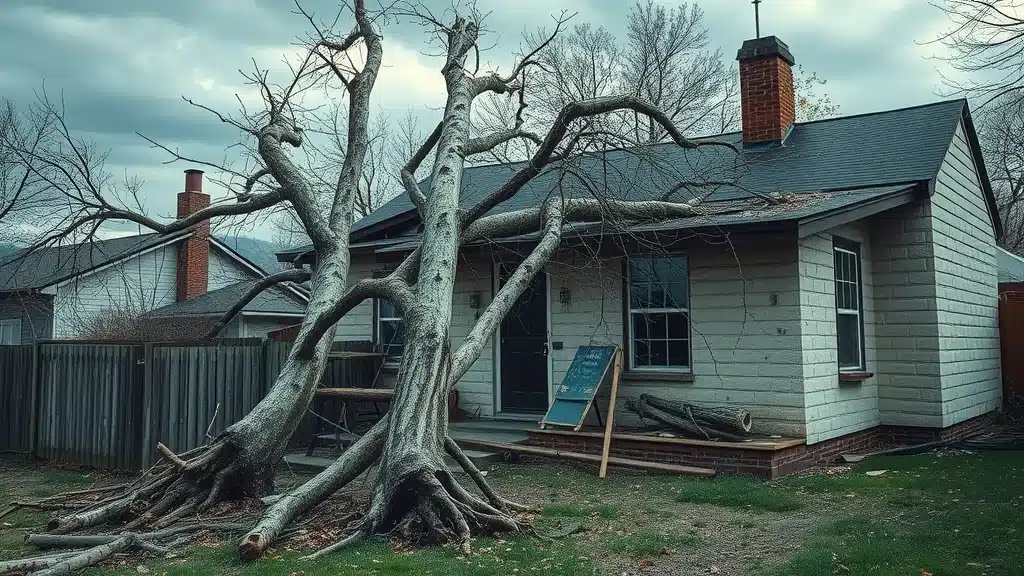
Denver has seen its share of property damage from tree failures: one property owner awoke after a spring squall to find a mature tree dropped across two cars and half the neighbor’s fence. Another case saw an entire hazard tree—one previously overlooked—collapse onto a roof during a winter storm, causing thousands in water damage. In both instances, warning signs like dead limbs, visible cracks, and fungal growth at the base had been dismissed as cosmetic or “normal. ” Had a tree risk assessment been performed, such disasters could have been avoided through preemptive pruning or planned removal. These real stories reinforce the importance for every property owner: routine inspections of your tree are essential to avoid turning a shady asset into a liability legend.
Watch: See how Denver arborists perform tree risk assessments
People Also Ask: Common Questions About Tree Risk Assessment in Denver
How to check if a tree is safe?
To check if a tree is safe, first visually inspect for warning signs like cracked trunks, dead limbs, unexplained lean, or patches of missing bark. Check for mushrooms or soft spots at the base—these could indicate root decay or internal rot. Healthy trees should have flexible, green leaves and sturdy branches. When in doubt, call a certified arborist for a professional tree risk assessment in Denver to spot subtle or hidden hazards before they cause property damage.
How to determine if a tree is hazardous?
A hazardous or dangerous tree often shows multiple tree hazards: dead or cracked branches, peeling bark, outward lean, exposed or decayed roots, and signs of advanced disease. Poor structural integrity is a major red flag. Arborists in Denver use a combination of visual checks and diagnostic tools to confirm if any tree poses risk to structures or the safety of people, and can recommend pruning, treatment, or removal if needed.
What is a Level 1 tree risk assessment?
A Level 1 tree risk assessment is a ground-based, visual inspection that checks for obvious warning signs like broken limbs, splits, or major lean. It doesn’t require special tools or a detailed climb—think of it as a quick safety scan to spot immediate dangers before a more intensive review. This is often the first step for property owners or city workers after high winds or ice storms.
How do you know if a tree is at risk of falling?
Trees at risk of falling usually show severe trunk lean, visible root upheaval or decay, hollow sounds (when tapped), or a canopy with large dead branches. If you notice these symptoms—or nearby property damage from fallen limbs—it’s time for a full tree risk assessment in Denver. Professionals can assign a level of risk and offer concrete steps to address the hazard before disaster strikes.
Watch: What to do next—tree service best practices after your risk assessment
Denver Tree Risk Assessment FAQs
- How often should I schedule a tree risk assessment in Denver?
Every 1–3 years, or after extreme weather. Older or high-value trees need more frequent checks. - Are there regulations requiring tree risk assessments for property owners?
In Denver, property owners are legally responsible for maintaining safe trees, especially along public rights-of-way. Some neighborhoods or HOAs have stricter rules. - Can tree risk assessments prevent insurance headaches?
Yes. Routine risk assessments and documented professional tree care reduce insurance disputes over property damage and liability after storms or accidents. - What should I expect to pay for a tree risk assessment in Denver?
Prices range from $100–$400 depending on tree size, assessment level, and required diagnostic testing. Ask for a written estimate in advance.
Key Takeaways: Tree Risk Assessment in Denver—How to Know If a Tree Is a Liability
- Tree risk assessments in Denver are essential for property safety and liability prevention.
- Be proactive: respond to warning signs and consult with tree care professionals.
- Modern diagnostic and tree service tools make the process safer and more effective.
Ready for a Professional Tree Risk Assessment in Denver?
Don’t wait for the next storm! Schedule your expert Denver CO tree risk assessment now: https://www.coloradotreeservicepros.com/tree-service-for-denver-co/
Sources
- ISA – Tree Risk Assessment Brochure
- Denvergov.org – Tree Pruning Guide
- TreesAreGood.org – Tree Hazards and Risks
- Colorado State University Extension – Hazardous Trees & Property Damage
- Colorado Tree Service Pros – Tree Service for Denver CO
To further enhance your understanding of tree risk assessment in Denver, consider exploring the following resources: The City and County of Denver’s official page on Tree Care and Best Practices offers comprehensive guidelines on maintaining tree health, recognizing potential hazards, and adhering to local regulations. For professional assessment services, Rocky Mountain Arboricultural Consulting provides expert evaluations of tree health and potential risks, helping property owners make informed decisions about their landscape. These resources will equip you with the knowledge and tools necessary to ensure your trees remain assets rather than liabilities.