
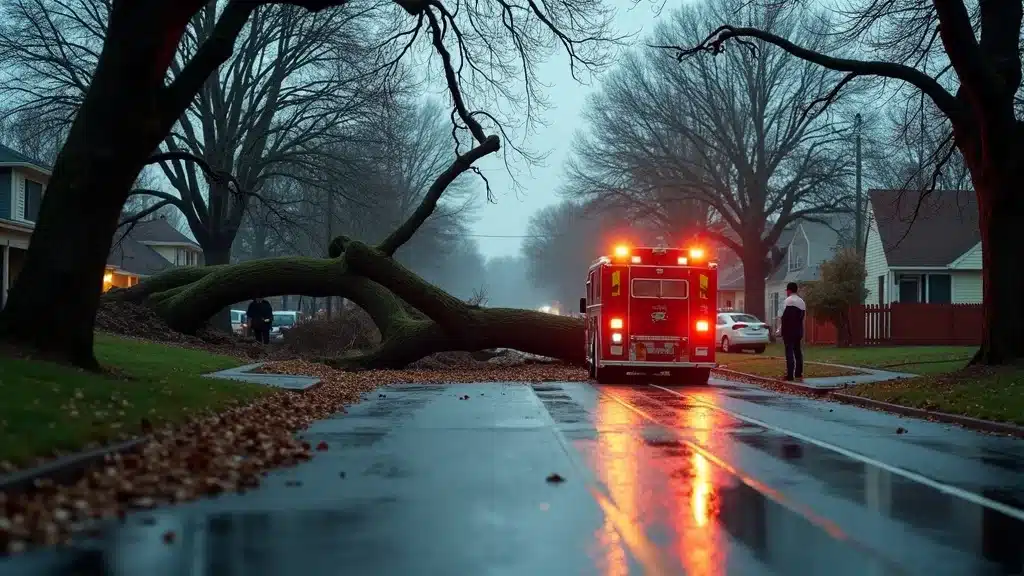
Did you know over 100 emergency tree removal cases are reported each month in Denver—often after high winds or severe storms? This isn’t just a statistic; it’s a wake-up call for homeowners who want to protect their safety and their property. Whether you’re dealing with a massive fallen tree in your yard, storm damage threatening your roof, or a hazardous tree tangled with power lines, acting fast is critical. In Denver, prompt and professional emergency tree removal can mean the difference between minor inconvenience and catastrophic property loss. Ready for expert answers, insider tips, and actionable steps? This guide will show you when you need emergency tree service and how to get help—before disaster strikes.
Why Emergency Tree Removal is Crucial in Denver CO
“Over 100 emergency tree removal cases are reported monthly in Denver, often after dangerous storms.” – Denver City Forestry Report
Living in Denver means dealing with unpredictable weather. Residents know that high winds, heavy snow, and lightning storms can cause emergency tree removal situations without warning. Each season, countless property owners face the harsh reality of storm damage—a fallen tree on a home or car, hazardous limbs dangling above power lines, or a large tree threatening collapse after a weather event. Protecting your property is about more than aesthetics; it’s about preventing personal injury, minimizing costly damage to your home, and staying compliant with city safety regulations. For many, the safety risks posed by delayed emergency tree removal—from blocked driveways to compromised utility lines—are simply too great to ignore.
- Property damage
- Personal injury
- Utility hazards
- Increased liability
A fast, professional emergency response is the best defense when storms wreak havoc on your trees. By acting quickly, you’ll not only protect your investment and your family’s safety but also avoid legal and insurance complications in the aftermath of a disaster.
What You’ll Learn About Emergency Tree Removal
- When you need emergency tree removal
- How to evaluate emergency tree service providers
- Insurance and cost factors
- What to expect from professional emergency tree services in Denver
Defining Emergency Tree Removal and Tree Emergencies
What constitutes a tree emergency?
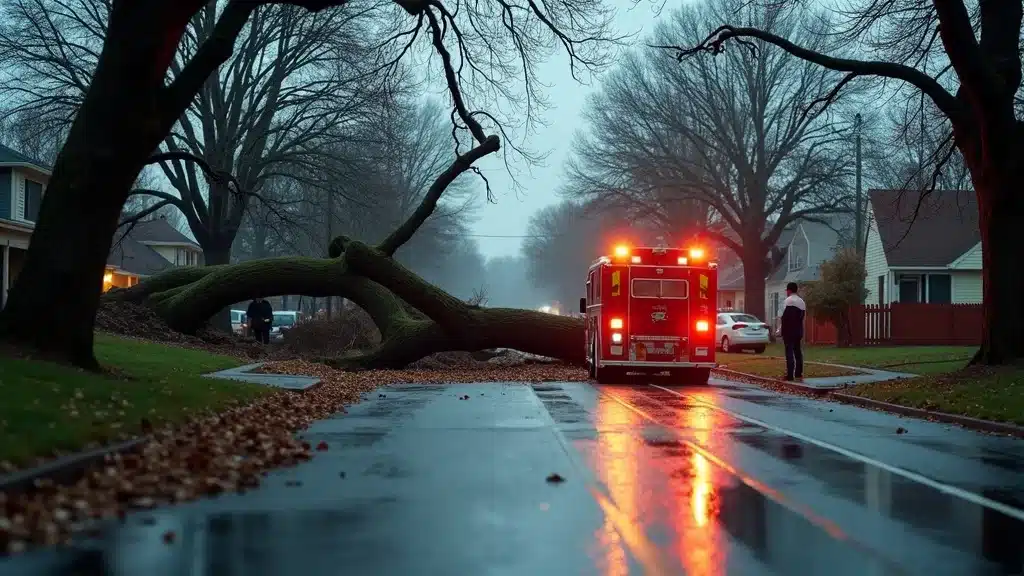
Not all tree issues require emergency action, but certain conditions should be treated with utmost urgency. A tree emergency exists when there’s an immediate risk to people, property, or public safety. Factors like a fallen tree blocking your driveway, a hazardous tree threatening power lines, or clear tree failure after storm damage meet the criteria. Denver’s unpredictable climate often leads to tree emergencies after high winds, ice, or heavy, wet snow compromise the stability of mature trees.
- Criteria for urgent tree removal
- Typical causes: storm damage, fallen tree, hazardous tree risk, tree failure
If you notice a large tree suddenly leaning, cracks in the trunk, exposed roots, or branches tangled in utility wires, call an emergency tree service immediately. Quick intervention can prevent further tree damage and protect your family and neighbors from harm.
Common Causes of Tree Emergencies in Denver
Storm Damage and High Winds: The Leading Factors for Emergency Tree Service
“Storm damage leads to most emergency tree removals after Denver’s notorious spring blizzards.” – Local Certified Arborist
Storms—and especially high winds—are the number one driver of emergency tree removal calls in Denver. Heavy wet snow or sudden wind gusts can snap branches and topple trees with little warning. It’s not uncommon for tree service providers to respond to dozens of emergencies in a single day following a major storm event. Fallen trees can block roads and driveways, damage vehicles, or—more seriously—land on roofs and threaten residents’ safety. When a tree failure affects power lines or other infrastructure, multiple homes may lose electricity and create a domino effect of hazards.
The most frequent causes of tree emergencies in Denver include:
- Storm damage (blizzards, thunderstorms, heavy wind)
- Tree decay or disease, weakening structural integrity
- Soil erosion causing trees to uproot unexpectedly
- Construction or excavation inadvertently damaging tree roots
Because storms can strike at any hour, immediate access to professional emergency tree service is essential for Denver residents who want to protect their property and avoid costly downtime or injury.
Fallen Tree? Immediate Steps to Take For Emergency Tree Removal
- Assess for personal safety
- Check for utility involvement
- Call a professional emergency tree service
- Notify your insurance provider if relevant
If a fallen tree lands on your property, your first priority should always be safety. Step outdoors only if you’re sure it’s safe, and keep away from any downed power lines—these pose a grave electrical hazard to both people and pets. Next, take stock of the damage and determine whether the tree is blocking entrances, threatening structural damage, or creating accessibility issues. Contact a licensed emergency tree removal provider in Denver, who can dispatch a crew with the necessary chainsaws, cranes, and safety gear to handle any scenario. If you suspect significant property damage, notify your homeowner’s insurance provider right away. Quick action ensures you’re protected financially—especially when documentation and professional estimates are required for a future claim.
Professional Emergency Tree Service: Fast Response Matters
Understanding Response Time in Emergency Services
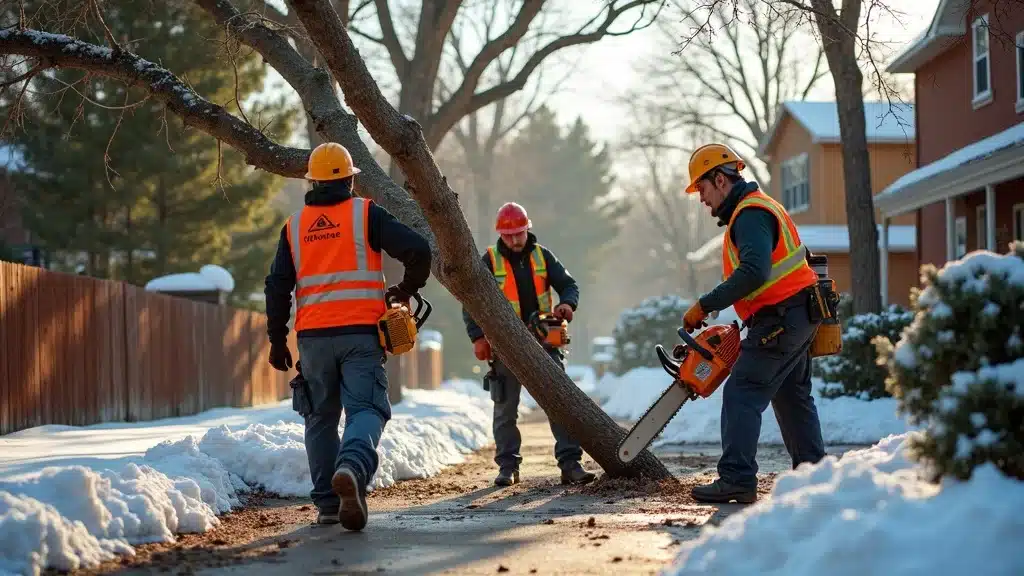
When dealing with emergency tree removal, time is critical. The longer a hazardous tree remains, the greater the chance for property damage, personal injury, or utility disruption. Top-rated emergency tree service companies in Denver build their reputations on fast response time—often arriving within 60 to 90 minutes of your call. Their crews assess tree damage, secure the area, and begin carefully dismantling hazardous limbs before further trouble can occur. With access to specialized equipment such as cranes, lifts, and heavy-duty chippers, professional emergency tree service teams are ready to act at a moment’s notice, regardless of time or weather.
| Provider | Average Response Time | 24/7 Availability? | Certified Arborist On Staff? |
|---|---|---|---|
| Colorado Tree Service Pros | 60 minutes | Yes | Yes |
| Mile High Emergency Tree Care | 70 minutes | Yes | Yes |
| Denver Urban Tree Emergency | 90 minutes | Yes | No |
| Rocky Mountain Tree Services | 120 minutes | No (After 10pm) | Yes |
“Immediate response can make the difference between minor and catastrophic damage.” – Emergency Tree Service Manager
Don’t wait. The faster you call, the more options you have to protect your property and limit financial loss.
Choosing a Certified Arborist for Emergency Tree Removal in Denver
- Benefits of certified arborists
- How professional emergency tree experts ensure safety and compliance
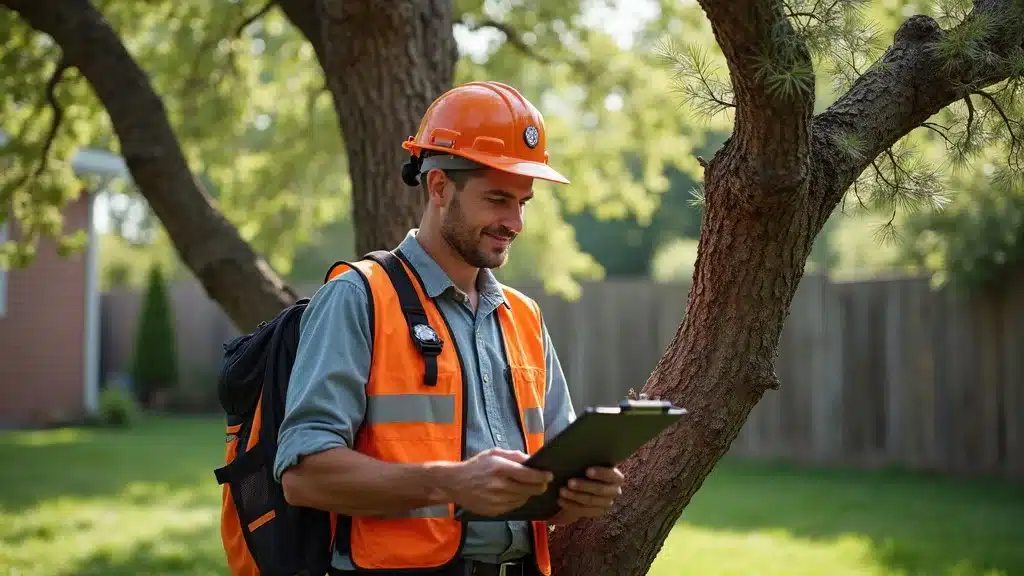
A certified arborist brings a unique skillset to every emergency tree removal situation. Unlike general tree service providers, certified arborists have formal education, safety credentials, and expert knowledge of Denver’s native and ornamental trees. They diagnose not only tree failure causes but also anticipate potential hidden threats—such as internal decay or root destabilization. Hiring a certified professional ensures the work is completed in compliance with local regulations, utility protocols, and industry best practices. This is especially vital when dealing with trees near power lines, roads, or neighboring properties. Many insurance companies may even require work by a certified arborist for high-damage claims. In short, choosing a certified arborist helps you avoid costly mistakes and ensures your yard is safe long after the emergency is resolved.
How Our Emergency Tree Services Work
Our Process: From Initial Call to Complete Tree Removal
- 24/7 availability
- Transparent estimates
- Advanced equipment for hazardous tree removal
When you contact our emergency tree removal team, you get immediate assistance from the moment you call. Our dispatch center operates 24/7, ensuring you aren’t left waiting when the next storm hits. We start by collecting details about the incident—photos, location, type of tree, and the degree of tree damage. After a rapid on-site assessment, you’ll receive a transparent, written estimate (no hidden fees). Our highly skilled crew arrives with the latest specialized equipment, like truck-mounted cranes and hydraulic lifts, to manage any hazardous tree or limited-access situation. We handle all phases, from securing loose limbs to complete debris cleanup, so your life—or business—gets back to normal quickly and safely.
Ensuring Safety During Tree Damage and Tree Removal
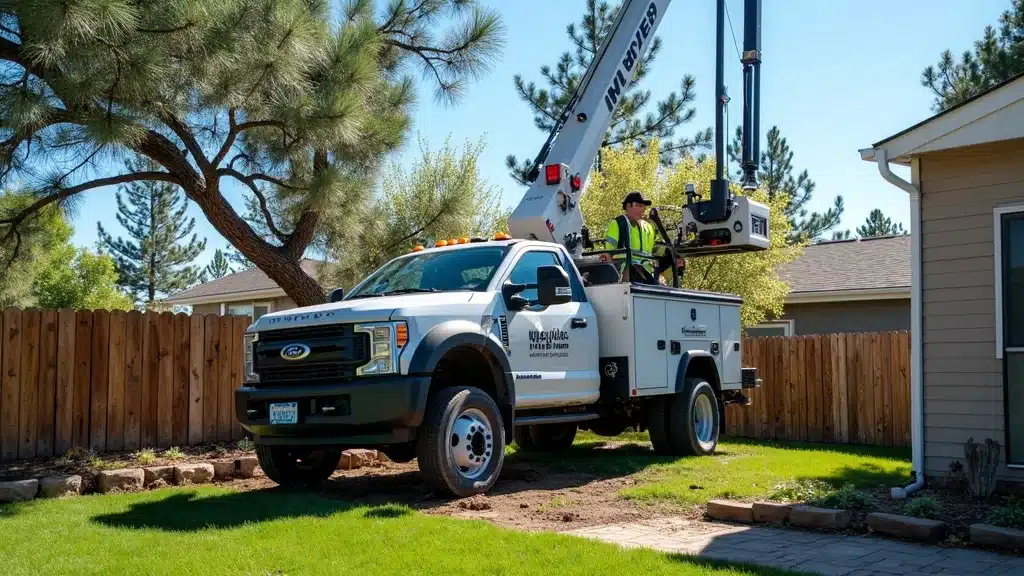
Our team follows a strict safety-first protocol. Protective barriers and fencing around the work area protect your family and vehicles from flying debris. Only certified arborists and trained professionals operate our equipment. We coordinate with utility providers whenever trees are near power lines or municipal infrastructure to prevent additional hazards. Your safety—and that of our staff—is our top priority from assessment through final cleanup.
Tree Damage and Risks of Delaying Emergency Tree Removal
- Effects of delayed tree removal (property damage, personal injury, insurance complications)
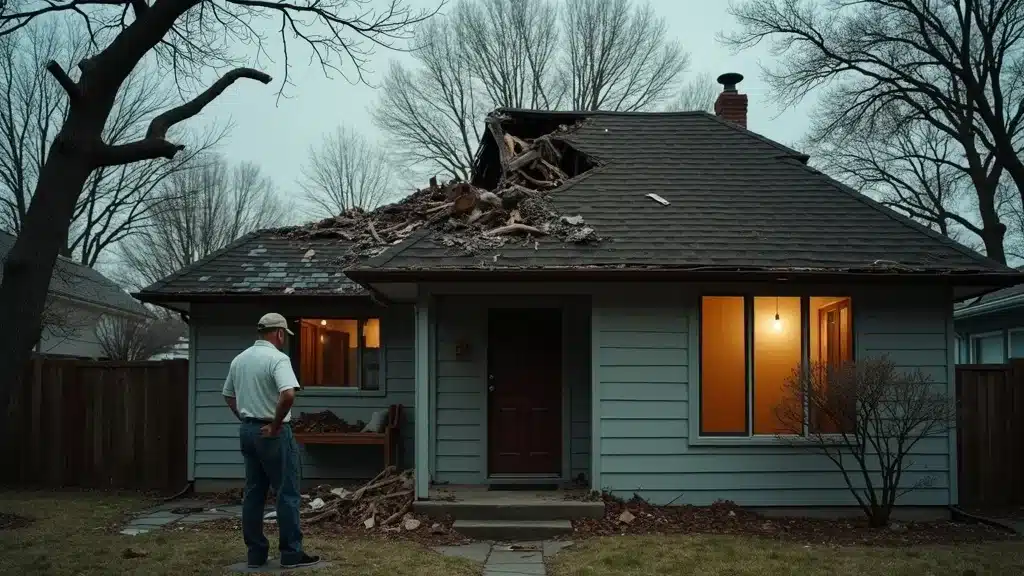
Delaying emergency tree removal after a major storm or tree failure only increases your exposure to losses. Each hour that a hazardous or fallen tree remains, it can cause:
- Compounding property damage (roof, vehicles, fences, landscaping)
- Risk of personal injury to occupants or bystanders
- Obstacles for emergency vehicles or utility workers
- More complex insurance claims—and possible denial of coverage if you wait too long
Insurance companies often cite “failure to act promptly” as grounds for reducing your compensation. Protect your property and peace of mind: always prioritize prompt emergency tree service.
Emergency Tree Removal Cost in Denver: What to Expect
| Tree Size/Situation | Estimated Cost | Additional Factors |
|---|---|---|
| Small tree (≤20 feet) | $250–$500 | Easy access, low hazard |
| Medium tree (20–50 feet) | $450–$1,200 | Moderate hazard, partial obstruction |
| Large tree (>50 feet) | $1,200–$3,000+ | High hazard, near structures/power lines |
| Hazardous tree/utility involvement | $2,500–$6,000+ | Complexity, special equipment, permitting |
- Urgency
- Tree size
- Location/hazards
- Equipment required
Cost depends on three main variables: how urgent your need is, the physical size of the tree, and the complexity of the removal (e.g., close to structures, entangled in power lines). Advanced equipment, such as cranes or hydraulic lifts, and after-hours service raise rates but offer priceless peace of mind during a tree emergency.
Does Insurance Cover Emergency Tree Removal?
- Situations where homeowners insurance pays for emergency tree removal vs. when it doesn’t
“Insurance often covers emergency tree services when a tree falls on a covered structure, but not for preventative removals.” – Licensed Insurance Agent
Homeowner’s insurance in Denver typically covers emergency tree removal—but only if the fallen tree caused damage to your home, garage, or other insured structures due to a covered peril such as a storm or wind. If a tree blocks your driveway or lands on detached property (like a fence), partial coverage might apply. However, if you request tree removal due to concerns about a hazardous tree that hasn’t caused damage yet, most policies do not pay the costs. Always document the tree damage with photographs, and call your insurer quickly to check your policy specifics before authorizing any major work.
Does Anyone Remove Trees For Free?
- Community programs and utility company removals on public easements; limitations and eligibility
While free emergency tree removal is rare, some community programs in Denver do offer assistance for specific scenarios, such as seniors, low-income residents, or trees impacting public right-of-ways. City agencies or utility companies may remove trees at no charge if they are endangering public utilities—like blocking power lines or sidewalks owned by the city. However, these removals are limited to public property; if the fallen tree is solely on private land, homeowners are usually responsible. Check with your local utility or Denver city government to see if you qualify for subsidized tree services after severe weather events.
What is the Average Cost of Removing a Fallen Tree in an Emergency?
| Type of Emergency | Average Cost |
|---|---|
| Simple, non-hazardous fallen tree | $350–$750 |
| Fallen tree with utility involvement | $1,200–$3,500+ |
| Tree blocking driveway/critical access | $600–$1,500 |
| Large tree threatening structure/safety | $2,000–$5,000+ |
Remember: emergency response may involve additional charges, especially for after-hours, overnight, or storm-related work. Investing in quick emergency tree removal protects your family, your home, and your finances in the long run.
Understanding What is a Tree Emergency
- Clear definition and examples of emergency tree scenarios
A tree emergency is any situation where a tree’s position, condition, or damage poses an immediate threat. This can include a fallen tree blocking a main entryway, a dangerously leaning tree after storm damage, or a large limb cracked over your roof. Other common cases are uprooted trees hanging over sidewalks, or any case where a tree endangers power lines or the public. If you’re uncertain, consult an emergency tree service—your safety comes first.
Professional Emergency Tree Services vs. Regular Tree Services
- Key differences in tools, techniques, and availability
| Service Type | Availability | Equipment Used | Expertise Needed | Scope of Work |
|---|---|---|---|---|
| Emergency Tree Service | 24/7—rapid response | Cranes, lifts, chippers, special PPE | Certified Arborist/trained emergency crews | Immediate hazard removal, utility coordination |
| Regular Tree Service | Business hours, scheduled | Standard pruning tools | Arborist or general crew | Pruning, trimming, planned removals |
The bottom line: emergency tree services are built for speed, safety, and complexity—ideal for hazardous situations requiring advanced expertise.
Why Choose Our Emergency Tree Removal Team in Denver CO
- Years of local experience
- Fast response for emergency tree removal
- Licensed, insured, and certified staff
Our crew is owned and operated right here in Denver, with decades of experience handling tree emergencies both large and small. We respond quickly, work safely, and provide full documentation for your peace of mind—and your insurance claim. All emergency tree removal work is performed by certified arborists using the latest equipment and techniques.
Key Takeaways: Emergency Tree Removal in Denver CO
- Never delay emergency tree removal
- Storm damage and high winds are the primary causes
- Always use professional emergency tree services for safety
Frequently Asked Questions About Emergency Tree Removal
- What if my neighbor’s tree falls on my property? If a neighbor’s tree falls because of a sudden storm or wind and damages your property, your insurance usually covers your losses. If negligence can be proven, your insurer may seek reimbursement from your neighbor’s policy. Rapid documentation and calling a professional emergency tree service is crucial.
- How can I prevent tree emergencies? Schedule regular inspections by a certified arborist, trim weak branches, and remove dead or diseased trees promptly. Proactive care greatly reduces storm-related risks in your yard.
- Are emergency tree services available 24/7? Yes. Top-rated emergency tree services in Denver offer around-the-clock response, even during holidays or after major weather events. Reliable companies will dispatch crews day or night to keep your property safe.
Conclusion: Don’t Wait—Your Safety Depends on Swift Emergency Tree Removal
“Swift action during tree emergencies keeps Denver residents and properties safe. Don’t delay.”
Ready for Expert Tree Removal in Denver?
- Contact us now to schedule your emergency tree removal with Colorado Tree Service Pros: Expert Tree Removal
Watch real footage of a Denver emergency tree service in action: rapid arrival after a storm, a safety assessment, expert removal with cranes and chainsaws, and the complete transformation of your property—before and after.
Listen as a certified arborist details how they prioritize safety, assess risks, and coordinate with utilities during urgent tree emergencies.
See the dramatic difference made by professional crews after major storm damage—a property restored and risks eliminated.
Sources
- Denver City Forestry Report – https://www.denvergov.org/Government/Departments/Parks-Recreation/Forestry
- ISA Certified Arborist Database – https://www.treesaregood.org/findanarborist
- Colorado Tree Service Pros – https://www.coloradotreeservicepros.com/
For readers who want additional details about prompt and reliable emergency tree removal, Tree Service for Denver CO offers a comprehensive guide to tree services, outlining everything from emergency removal to regular maintenance in the Denver region. This resource provides insights into professional service standards, response timelines, and what to look for when hiring an expert tree crew. If you’re serious about securing fast, safe, and dependable emergency tree removal in Denver, these resources will give you the know-how and peace of mind to act with confidence when it matters most.