

Did you know Denver loses an average of 5,000 urban trees every year—mostly from problems that could have been avoided with the right care at the right time? For Denver homeowners, understanding the unique seasonal needs of your trees isn’t just good stewardship—it’s a way to protect your property value, shade, and neighborhood pride. In this in-depth guide, you’ll get a year-round tree care calendar for Denver homeowners, packed with practical, easy-to-follow advice and a few tips that even seasoned green thumbs might not know.
Startling Facts: Why a Year-Round Tree Care Calendar for Denver Homeowners is Essential
Most people don’t realize just how vulnerable trees in Denver are, thanks to shifting temperatures, occasional droughts, soil quirks, and lurking pests. Some local tree experts estimate Denver loses thousands of mature trees yearly—many from easily preventable causes. Pushing off tree care until “next season” can lead to expensive removals, diseased landscapes, and even yard hazards, especially when powerful storms or unseasonable cold snap through the city. A dedicated year-round calendar helps keep your trees healthy, resilient, and beautiful, making it far easier (and less costly) to enjoy shade, color, and curb appeal all year long.
“Denver loses an average of 5,000 urban trees annually, often due to preventable issues with care and maintenance.”—Denver Urban Forestry
What You’ll Learn in This Year-Round Tree Care Calendar for Denver Homeowners
- Essential tree care steps for every season in Denver
- Best practices for tree trimming, deep root watering, and soil moisture management
- How to spot common Denver tree diseases and pests
- When to hire a certified arborist or tree service
| Month | Essential Task | Purpose |
|---|---|---|
| January | Inspect for winter damage | Prevent stress |
| March | Tree trimming | Shape growth |
| May | Deep root watering | Promote deep roots |
| June | Monitor for pests | Prevent harm |
| August | Fertilize | Boost nutrition |
| October | Wrap young trees | Prevent winter injury |

Understanding the Unique Needs of Trees in Denver
Denver presents a challenging environment for trees. Rapid swings between hot summers, sudden freezes, and the city’s notorious dry climate mean that both native and ornamental trees need careful attention. Many soils in the Denver area tend to be rocky and fast-draining, making it tough for roots to find enough moisture—especially during windy springs or protracted droughts. So, it isn’t just about planting a sapling and hoping it grows; it’s about continuous, thoughtful tree care. For yards blessed with mature trees, routine assessments are crucial to prevent issues with root zone dehydration, compacted soils, or pest infestations, all of which can threaten even decades-old giants.
Remember, every tree variety—from maples to spruces—has unique requirements when it comes to watering, trimming, fertilizing, and disease prevention. Being proactive about each aspect of tree health ensures trees and shrubs withstand the unique pressures of the Denver area, from summer hail storms to erratic winter temperature drops. With so much at stake, understanding what makes Denver trees special is step one to mastering your home’s landscape.
Challenges Trees in Denver Face: Climate, Soil, and More
Trees in Denver battle a combination of harsh sun, irregular precipitation, windy afternoons, and nutrient-poor soils. Some trees grow rapidly, stretching root systems in search of scarce water, making them susceptible to drought stress or sudden wilting. For young trees, establishing a strong root zone is essential—they face hazards not just from dryness but from sunscald, frost cracks, and soil compaction from nearby foot traffic or aggressive lawn care. Even mature trees, with roots extending beyond the drip line, can become vulnerable if soil moisture drops or pests move in. Factors like compacted soil, poor drainage, or rocky underground layers can further challenge healthy tree growth in urban yards.
Additionally, invasive pests—like the emerald ash borer or bark beetles—thrive when trees are stressed by drought, injury, or root system damage. Denver’s variable weather, especially late winter warm spells or early spring snows, can shock trees accustomed to a slower seasonal transition. To help Denver trees thrive, it’s crucial to adapt your tree care practices to these unique environmental factors, applying the right interventions at the right times.

The Importance of a Year-Round Tree Care Calendar for Denver Homeowners
A year-round calendar isn’t just a fancy planner for lawn enthusiasts—it’s a homeowner’s defense against expensive tree removals and surprise visits from a local tree company. With regular checks on soil moisture, timely tree trimming, and alerts for pest or disease concerns, you ensure your landscape remains healthy through the highs and lows of Colorado’s unpredictable climate. Having a month-by-month guide takes the guesswork out of when to deep root water, fertilize, or protect your young trees, so every season brings strong growth and fewer headaches.
The best part? Following a year-round schedule that addresses the main needs—watering, trimming, fertilization, pest control, and storm protection—means you’re investing in your home’s value and Denver’s urban forest at the same time. And when you have a calendar tailored for Denver conditions, there’s never a doubt about whether it’s a great time for a particular tree care task. Your trees (and your wallet) will thank you in the long run!
Monthly Tree Care Guide: Tree Care Calendar for Denver Homeowners
This monthly tree care guide breaks down exactly which tasks matter most—when and why—so you never miss a step in protecting your investment. From late winter trimming to deep summer watering, Denver trees require different care for every season. Consistent, thoughtful care throughout the year supports healthy root systems, robust growth, and true shade in your landscape, even with Denver’s challenging conditions. Let’s walk through each month for a practical, hands-on calendar.
January–February: Deep Root Watering & Inspecting Winter Damage
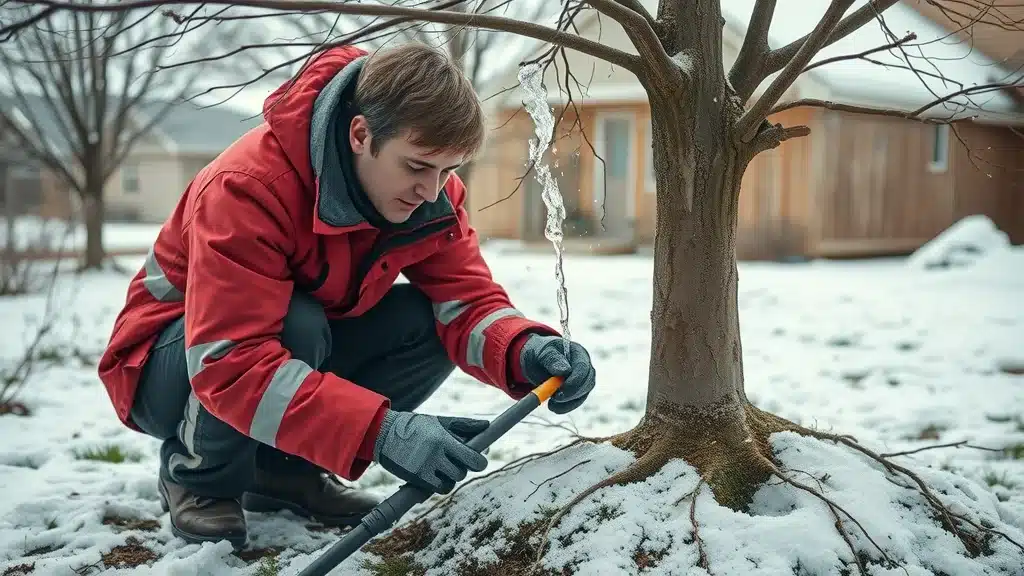
Don’t be fooled by dormant branches! Denver’s dry, windy winters steal moisture from the soil all season long, putting trees—especially young or newly planted ones—at risk. This is the time to break out your deep root watering tools and probe several feet into the soil around the drip line. Encouraging roots to seek water deeply helps mature trees and new saplings survive swings in temperature and prevents root zone dehydration. Whether there’s snow or not, pay close attention to the top 12 inches of soil—if it’s dry, your trees need a winter drink. While you’re at it, inspect for split bark, frost cracks, or broken limbs from wind or ice. Early detection of winter injuries will help keep your landscape resilient and is often less expensive to address now than come spring. Remember, certified arborists agree: consistent winter watering may be the quiet hero for Denver tree care, especially as it prevents long-term stress and keeps evergreens vibrant all year.
March: Late Winter Tree Trimming and Structural Care
- Why late winter is a great time for tree trimming
- Tips for trimming young trees
- Hiring a certified arborist
March is a great time for tree trimming in Denver—temperatures are warming but trees remain dormant, so cuts heal quickly and disease pressure is low. Pruning now reduces the risk of spreading common pathogens while giving you a clear view of your tree’s structure (no leaves in the way!). Focus on removing damaged, rubbing, or dead branches and shaping young trees for strong, even growth. This helps prevent future breakage—especially under heavy, wet spring snow. For mature trees or those tangled in power lines, always call a certified arborist; their expert hands and equipment prevent damage or personal injury. Remember, improper pruning can stress trees and invite disease, so when in doubt, bring in a pro to preserve long-term tree health and value.
April–May: Spring Tree Services, Fertilization, and Soil Moisture Management
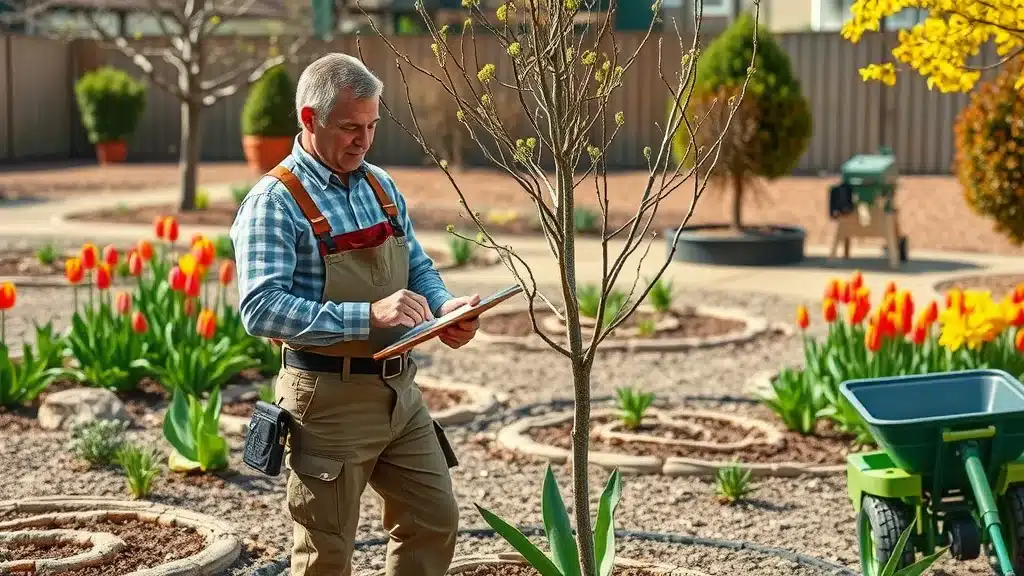
Spring brings fresh buds, longer days, and surging root activity. Denver trees and shrubs awaken hungry for nutrients, so this is prime time to fertilize—especially if soils tested low in the fall. Use slow-release, balanced fertilizers designed for Colorado’s unique soils to boost new growth. This is also when you should check and refresh mulch rings, making sure the root zone stays cool and moist while suppressing early weeds. As moisture needs climb, monitor soil moisture regularly: probe the first 12 inches, and water when dry, aiming for slow soaks rather than surface sprinkling. Keep an eye out for early signs of pests or fungal diseases, which can quickly multiply when days are warm and nights are cool. Certified arborists and local tree companies often offer spring tree care service packages, making it easy to keep on schedule and avoid surprises as the growing season takes off.
June–August: Pest Control, Deep Root Watering, and Summer Storm Prep
Summer is when the Denver area turns up the heat—and local pests get particularly active. Monitor trees for borers, aphids, or spider mites (sticky residue, curling leaves, or sudden thinning are warning signs), and act decisively with eco-friendly pest treatments or call a tree care professional for stubborn infestations. Deep root watering is critical as hot, dry spells quickly reduce soil moisture past what routine sprinklers provide. Use a soaker hose or deep root probe to deliver water to the root zone at least monthly, more often during extended drought. Make sure the top 12–18 inches of soil are moist after watering. Storms, wind, and the occasional hail barrage can strike anytime, so secure young trees with stakes, and prune overhanging limbs that threaten roofs or power lines. Proactive summer care helps trees bounce back from weather and pest stress, ensuring full canopies and healthy root systems for autumn and beyond.
September–October: Fertilizing Trees and Preparing for Colder Months
Early fall is the best window for a final round of fertilization. As trees shift from growing leaves to expanding their roots, a dose of slow-release nutrients gives them the energy to tough out winter. It’s also the time to inspect mulch rings—top off organic mulch to 2–3 inches for warmth and moisture retention, keeping it a few inches from the trunk to prevent rot. Be proactive by thinning dead branches and removing diseased wood, reducing the risk of winter breakage. For young trees especially, wrap trunks with tree wrap to prevent sunscald and frost cracks from wide daily temperature swings—classic issues for Denver. This extra care now means your trees enter winter strong, with their roots protected and foliage less prone to shock or disease come spring awakening.
November–December: Wrapping Trees in Denver and Protecting Roots
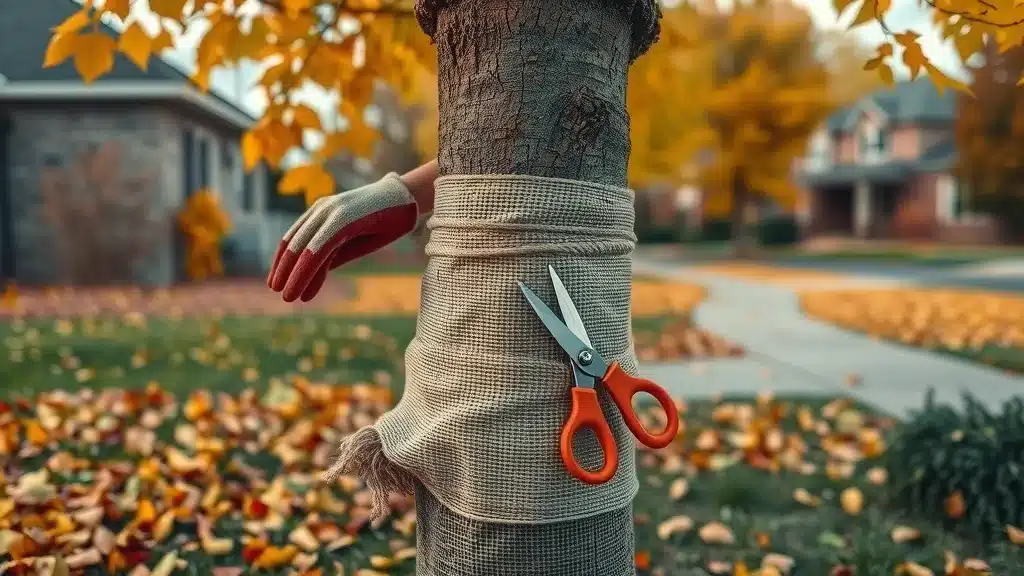
Early winter can be tough on tree bark, especially young saplings prone to freezing nights and sun-warmed days. Wrapping trunks with burlap or commercial tree wrap keeps bark from splitting, helping trees survive harsh temperature changes until they develop thicker, more resilient bark. Be sure to remove wraps in early spring to prevent pests from nesting. Don’t forget about the root system—replenish mulch, check for exposed roots or compacted soil, and avoid heavy foot or vehicle traffic near the root zone. Inspect evergreens for winter burn (needles turning brown and dry), and deep water right before ground freeze if conditions have been dry. These small but vital tasks help buffer even the toughest Colorado winters, giving your landscape its best shot for a lush rebound come spring.
People Also Ask: Your Top Questions About the Year-Round Tree Care Calendar for Denver Homeowners
When to fertilize trees in Denver?
For most species, fertilize trees in Denver in early spring (April–May) and again in late summer or early fall (August–September). This supports both leaf growth and strong root systems. Use slow-release, balanced fertilizers, and follow package instructions for best results. Always check soil test recommendations for specific needs, and avoid late fall fertilization, which may promote weak winter growth.
What month should you trim branches of trees?
Late winter to early spring—usually February through March—is the best time for tree trimming in Denver. Trees are dormant, disease pressure is at a minimum, and cuts have time to heal before summer stress. Avoid trimming in mid-summer or fall, as it can stress trees or expose them to pests and disease.
What is the 10 20 30 rule for tree planting?
The 10 20 30 rule is a guideline for planting urban landscapes: use no more than 10% of any one tree species, no more than 20% of any one genus, and no more than 30% of any one family. This diversity reduces the risk of pest or disease outbreaks wiping out large swathes of the urban forest in Denver and beyond.
When to wrap trees in Denver?
Wrap young, thin-barked trees in Denver from November through April to protect from sunscald and freeze cracks. Use breathable materials and remove wraps in spring to prevent moisture buildup and pest problems. This care is crucial for maples, honeylocusts, and fruit trees.
Key Takeaways: Year-Round Tree Care Calendar for Denver Homeowners
- Consistent, season-appropriate tree care boosts tree health and property value.
- Monitor soil moisture every season and adjust watering schedules as needed.
- Trim branches during late winter for optimal results and disease prevention.
- Deep root watering and mulch keep roots healthy in Denver’s dry climate.
- Protect young trees from pests, drought, and winter injury with wraps and routine inspection.

Frequently Asked Questions about Trees and Tree Care in Denver
- How often should you deep root water trees in Denver?
Deep root water established trees every 3–4 weeks in winter if snow is absent, and once a month during dry periods in spring, summer, and fall. Young trees may need more frequent watering, particularly in Denver’s hot, dry months. - Are professional tree services worth it for trees and shrubs?
Yes! Certified arborists offer expert pruning, pest management, and disease diagnostics that save money and preserve tree health. DIY is fine for small tasks, but expert eyes catch problems early and help trees thrive. - Do young trees need more frequent care?
Absolutely. Young trees have less developed root systems and require more frequent deep root watering, vigilant pest checking, and trunk protection—especially in the first 2–3 years after planting in Denver.
Expert Tips from Certified Arborists: Best Tree Care Practices in Denver
- Conduct annual soil moisture checks in multiple locations around each tree, especially in spring and fall.
- Prune in late winter for the healthiest, most attractive trees, avoiding stress and common diseases.
- Apply organic mulch every season to insulate roots and conserve soil moisture, but keep mulch away from the trunk for best results.
Practical Lists: Supplies and Tools for Year-Round Tree Care Calendar for Denver Homeowners
- Tree trimming shears
- Deep root watering tools (probes or soaker hoses)
- Mulch and fertilizers designed for trees in Denver
- Tree wraps for winter protection
- Protective gloves and eye gear
Conclusion: Ensuring Healthy Trees in Denver All Year Round
Proactive, season-based care is your best line of defense for thriving trees—Denver’s urban canopy depends on it.
Don’t wait—schedule your Denver tree services today for a thriving landscape all year long!
Denver CO Tree Services
Find reliable tree care professionals athttps://www.coloradotreeservicepros.com/tree-service-for-denver-co/
Step-by-step demonstration of proper deep root watering in a Denver home landscape—learn correct probe placement, watering timing, and soil moisture tips from a local pro.
Sources
- Denver Urban Forestry – https://www.denvergov.org/files/assets/public/parks-rec/documents/urban-forestry/tree-care-guide.pdf
- Colorado State University Extension – https://cmg.extension.colostate.edu/gardening-resources/online-garden-publications/tree-care/
- Colorado Tree Service Pros – https://www.coloradotreeservicepros.com/tree-service-for-denver-co/
For Denver homeowners seeking comprehensive guidance on year-round tree care, the City and County of Denver’s “Tree Care and Best Practices” page offers valuable insights into seasonal tree care needs, general maintenance tips, and information on tree pests and diseases. (denvergov. org) Additionally, Denver Water’s “Tree Care Guide” provides expert advice on proper watering techniques, emphasizing the importance of deep and slow watering to maintain tree health in Denver’s semi-arid climate. (denverwater. org) By consulting these resources, you can ensure your trees receive the appropriate care throughout the year, enhancing their health and longevity.