Professional Arborist Near Me: Expert Care for Your Trees in Denver CO

John Egart tree removal

Did you know? In Denver, mature trees can boost property values by up to 15% while also reducing crime rates and cooling your home faster than air conditioning—if they’re healthy. But neglected or improperly cared-for trees can quickly become liabilities, threatening property, safety, and your neighborhood’s curb appeal. That’s why finding a professional arborist near me isn’t just smart—it’s essential for every Denver resident who cares about their investment and their city’s future.

Why Hiring a Professional Arborist Near Me is Essential for Denver Residents

When it comes to caring for your trees in Denver, employing a professional arborist near me is more than a luxury—it’s a necessity. Denver’s climate, with its dry conditions, fluctuating temperatures, and occasional severe storms, places unique stress on urban forests. Trees play a crucial role in shading property, improving air quality, and boosting home values, but only well-maintained trees offer these benefits. Improper pruning, undetected diseases, and structural issues could turn a beautiful asset into a dangerous liability, resulting in costly emergencies or even injury. A certified arborist brings expertise to every job, ensuring trees are healthy, correctly pruned, and structurally sound, while promptly addressing pests or disease outbreaks that often go unnoticed by the untrained eye.

Moreover, tree removal can be dangerous and should never be approached without professional training and proper equipment. Whether it’s an urgent fallen tree, branches tangled in power lines, or simply routine tree care, working with a skilled tree expert means your property is protected and liability risks are minimized. As local regulations concerning tree removal and preservation can be stringent in Denver, certified arborists stay up-to-date on city codes and best practices, providing peace of mind and compliance assurance. Rely on their expertise to ensure your landscape thrives safely and beautifully throughout every Colorado season.
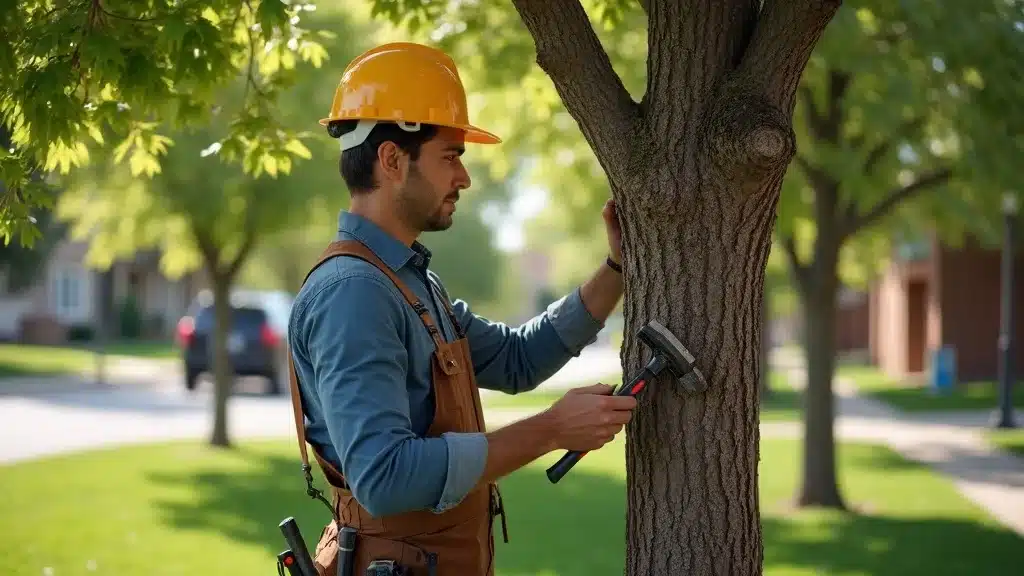
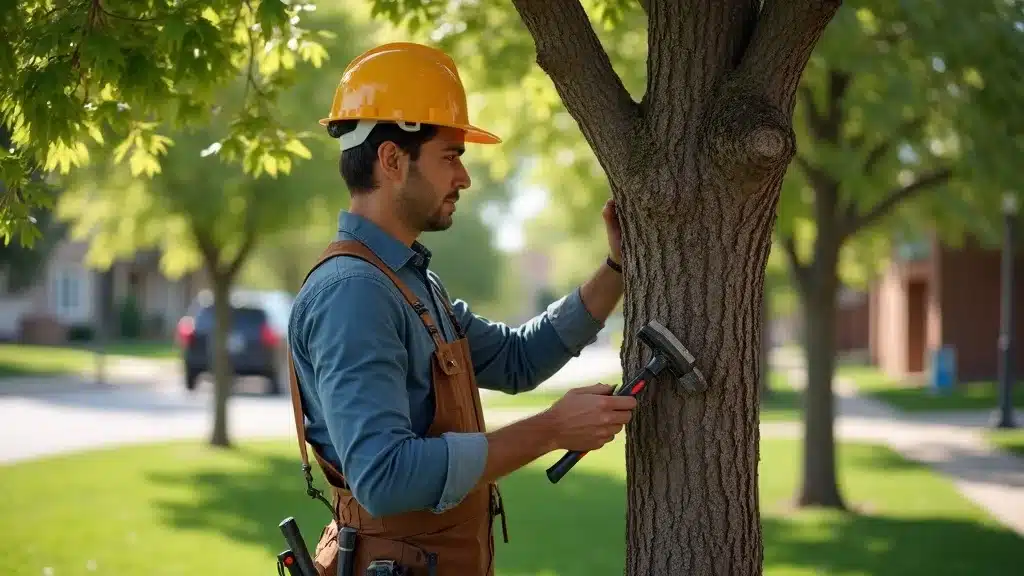
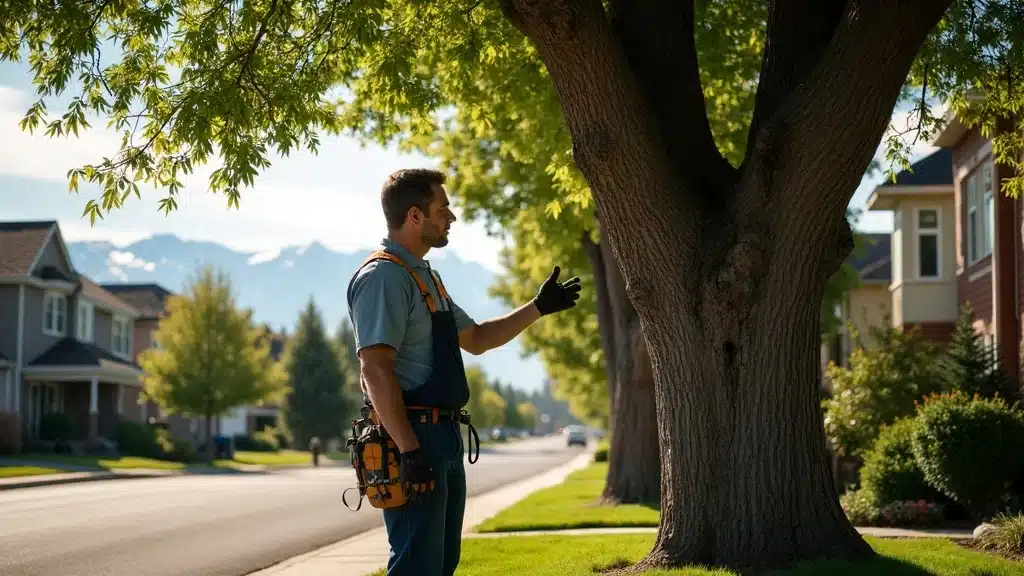
Professional arborist near me inspecting mature tree trunk in Denver neighborhood park

Startling Tree Health Fact: How Denver’s Urban Forest Shapes Our Safety and Property Value

Scientific studies reveal that neighborhoods with abundant, healthy trees experience up to 12% less crime, and homes with mature trees sell faster and for thousands more than those without. This isn’t just about looks—tree health directly correlates with property safety, value, and even mental well-being. In Denver, where severe winter storms and fluctuating weather patterns are the norm, weakened branches or hidden root diseases can quickly escalate into hazards. Sudden branch failure or tree collapse can damage homes, vehicles, or nearby power lines—leading to major expenses and safety risks.

This interconnectedness of tree health and urban life is why professional tree care from a tree expert isn’t an optional luxury but a practical investment. Only a certified arborist has the expertise to diagnose subtle problems, prevent disease spread, and spot red flags before they become costly emergencies. By focusing on regular inspections and maintenance, Denver residents can secure safer streets, maintain attractive neighborhoods, and preserve the natural heritage that makes Colorado communities stand out.

What You’ll Learn About Professional Arborist Near Me and Tree Removal

  • How to identify and hire a certified arborist in Denver
  • The true benefits of expert tree service and routine tree care
  • When and why tree removal services are needed, plus average removal cost factors
  • What sets a tree surgeon apart from a tree expert
  • Crisis response: Emergency tree removal and storm damage solutions
  • Tips on preserving Denver’s urban forest with preventative care and maintenance

Understanding Tree Service: The Role of a Professional Arborist Near Me

What is Tree Service and Why is Tree Care Important in Denver?

Tree service encompasses all aspects of professional tree maintenance and management performed by a professional arborist near me. Services range from strategic pruning, pest and disease identification, soil care, to complete tree removal when necessary. For Denver residents, investing in professional tree care helps preserve trees against environmental stresses such as drought, extreme temperatures, and invasive pests. Regular maintenance not only extends the life of your trees but also protects surrounding structures from falling branches or larger trees that could become hazardous without proper attention.

Denver’s unique growing conditions mean certain diseases and pests, like emerald ash borer and fire blight, are persistent threats that require a trained eye for early detection. Tree health assessments, offered by experienced tree experts, catch problems early—saving you significant costs and preserving valuable landscape assets. Smart tree care services also reduce water consumption and boost environmental resilience, making your home part of Denver’s bigger legacy of urban environmental stewardship.

How a Tree Expert Approaches Tree Removal and Maintenance

A tree expert uses a science-backed, safety-first approach to tree removal and ongoing care. The first step is a comprehensive site and tree health inspection, checking for structural damage, disease, and proximity to utilities like power lines. If removal is necessary, certified arborists evaluate the safest, most efficient method—especially for larger trees or those close to property lines. Rigorous safety protocols protect both workers and surrounding property; often, specialized equipment, such as climbing harnesses, cranes, or rigging systems, is required to manage complex removals without collateral damage.

Routine care goes deeper than basic pruning. The best tree care involves strategic shaping, wound care, targeted fertilization, and pest control. By working with a tree expert in Denver, you get tailored advice for your specific tree species, site conditions, and landscape goals. Long-term maintenance plans ensure trees add beauty and value to your home for decades, while eliminating hidden hazards that could compromise your investment.
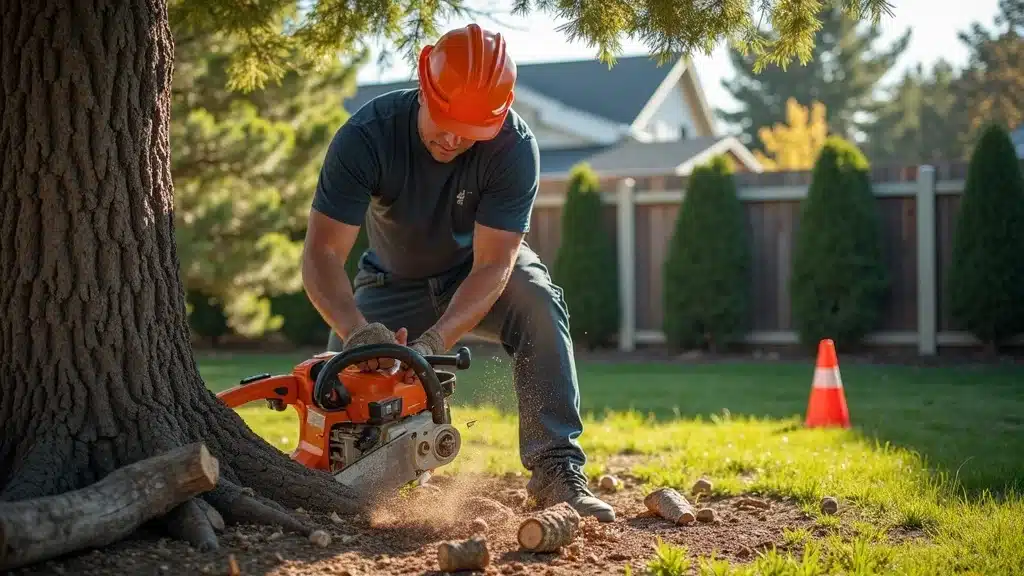
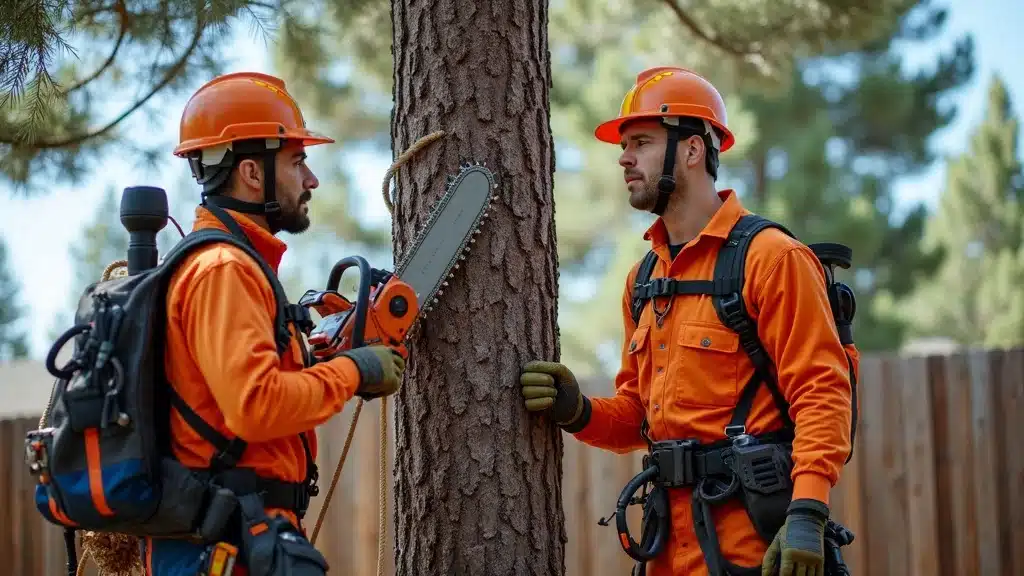
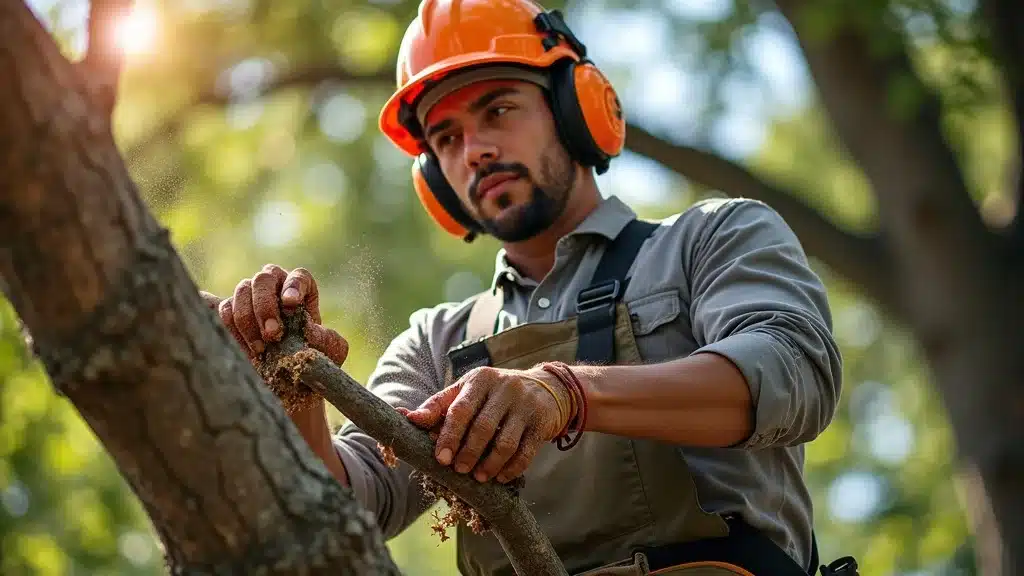
Tree expert in Denver pruning large branch with chainsaw as part of tree removal service

Tree Removal in Denver: When and Why to Use a Professional Arborist Near Me

Signs Your Tree Needs Removal by a Certified Arborist

Recognizing when it’s time for tree removal is crucial to keep your Denver property safe. Signs include extensive bark damage, visible root rot, significant trunk decay, or a tree that suddenly leans toward your home after a storm. Diseased trees—especially those with irreparable fungal growth or widespread deadwood—may pose immediate dangers, particularly if they are near homes, businesses, or play areas. In certain cases, trees grown around power lines or those that obstruct vital infrastructure become urgent removal priorities. Certified arborists have the knowledge to distinguish between treatable issues and those that require professional intervention, ensuring you only remove what’s absolutely necessary.

Another clear red flag: recurring fallen branches or the presence of pests like borer holes and cankers that spread tree disease rapidly across Denver’s urban forest. Emergency situations, such as a fallen tree after high winds or ice storms, demand fast response by certified professionals to prevent property damage and personal injury. The bottom line—routine inspections by a qualified arborist could save you thousands by acting early and protecting what matters most.
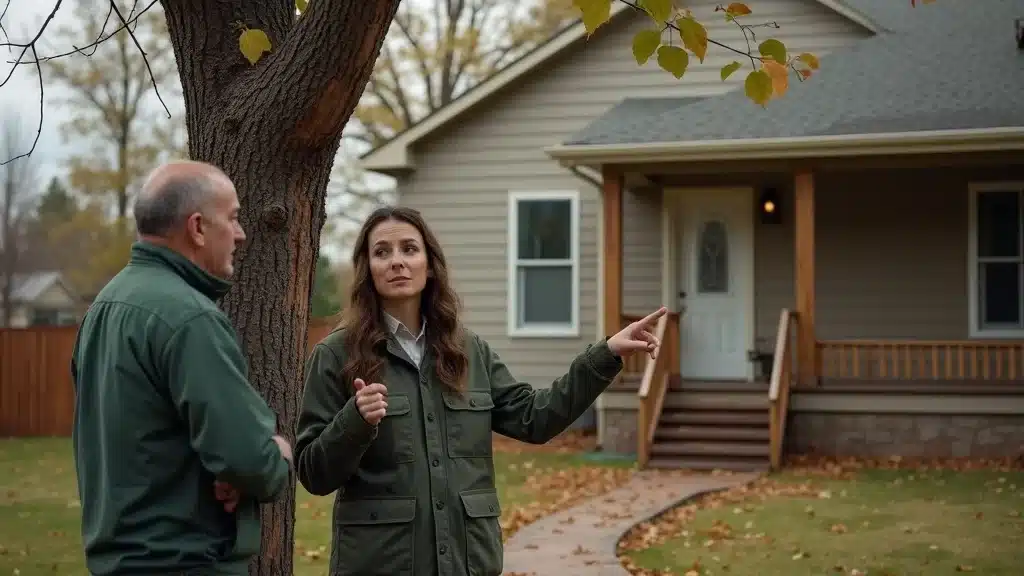
Professional arborist and homeowner discussing dangerous, diseased tree in Denver during tree removal assessment

Tree Removal Cost: Factors That Influence Pricing in Denver

The cost of tree removal in Denver can vary greatly based on several critical factors. Tree height and trunk diameter are the biggest price drivers—removing a tall, mature tree requires more labor and equipment than smaller specimens. Location also plays a big role; trees close to homes, fences, or power lines require additional safety measures, which can raise removal costs. Health and condition matter too—dead, diseased, or unstable trees are more hazardous to remove, increasing labor time and project complexity.

Other considerations include if a tree stump needs grinding, the type of tree (hardwoods are tougher to dismantle), accessibility issues for crews and equipment, and whether emergency removal service is required (such as after a storm). Remember, removal can be dangerous—particularly for large, compromised trees—so choosing a fully insured, certified professional is always the safest investment. Below, compare average Denver prices to national benchmarks for peace of mind when planning your next tree removal project.

Average Tree Removal Cost Comparison Table (Denver vs. National Average)
Tree Size Denver Average Cost National Average Cost
Small (up to 30’) $260 – $550 $240 – $470
Medium (30-60’) $550 – $1,200 $500 – $1,050
Large (over 60’) $1,200 – $2,250+ $1,000 – $2,000
Stump Grinding (per stump) $150 – $350 $110 – $330

Certified Arborist and Tree Expert Services: What to Expect

The Difference Between a Tree Surgeon and an Arborist

While the terms “tree surgeon” and “arborist” are sometimes used interchangeably, there are clear distinctions Denver residents should know. A tree surgeon typically focuses on the physical aspects of tree work—such as cutting, pruning, or removing branches and trees—often without the comprehensive knowledge of tree biology or disease management. In contrast, a certified arborist is trained and credentialed by organizations like the International Society of Arboriculture (ISA), demonstrating expertise in tree identification, health assessment, disease treatment, longevity strategies, and urban forestry best practices.

An ISA-certified tree expert is prepared to create long-term tree health plans, address complex issues like pest outbreaks, and recommend preventative treatments. By hiring a professional arborist near me, homeowners gain access to science-based guidance, advanced equipment, and the assurance that their landscape’s needs are understood and addressed holistically. For everything from routine pruning to complex emergency removals, certified arborists provide a level of care unmatched by general contractors or unlicensed “tree surgeons.”
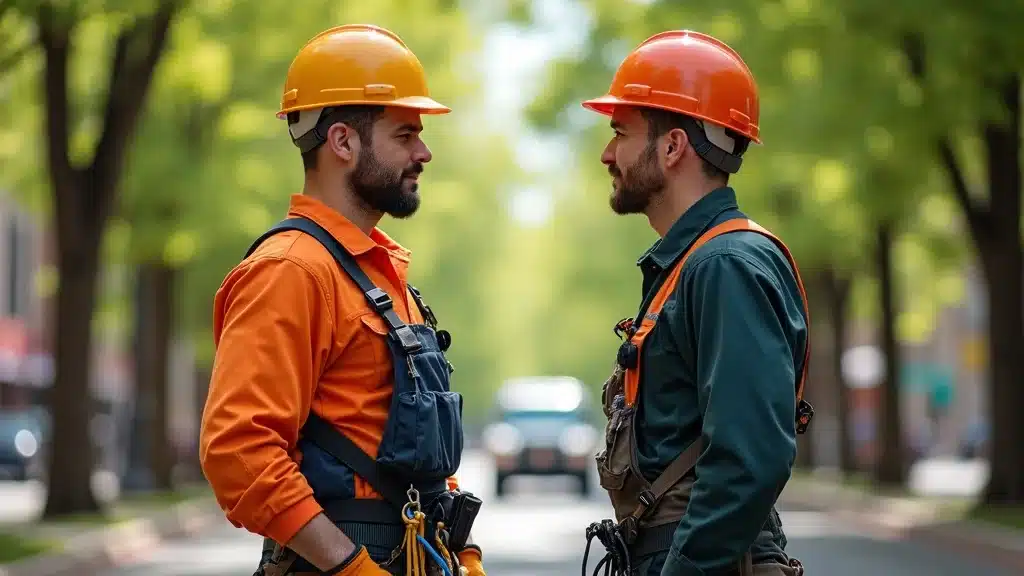
Certified arborist and tree surgeon standing side by side with tools in Denver neighborhood

How to Verify Certification When Hiring an Arborist

Before hiring an arborist in Denver, always verify their credentials to ensure true expertise and protection for your property. Ask if they’re certified by the International Society of Arboriculture—the gold standard for tree professionals in the U.S. Search for their certification number via the ISA’s “Find an Arborist” tool, and ensure they carry current insurance for liability and worker safety. Reputable tree care services will also happily provide references and proof of ongoing education in tree health, safe removal practices, and urban forestry.

“Tree care isn’t just about aesthetics—it’s about safety, protecting your investment, and ensuring Denver’s trees thrive for generations. An ISA Certified Arborist is committed to the highest standards, blending science and local experience for every homeowner.”
– Jamie Peterson, ISA Certified Arborist, Denver, CO

How to Choose the Right Professional Arborist Near Me

Key Questions to Ask Before Hiring an Arborist or Tree Expert

Selecting the best tree expert for your needs is all about asking the right questions. Start by inquiring about certified credentials, insurance coverage, and years of local experience with Denver’s unique species and climate. Ask for detailed estimates in writing, with clear explanations of proposed services, including whether removal includes complete clean-up and disposal of the tree stump. Don’t hesitate to request references or reviews from satisfied customers—especially for complex removals or emergency work.

Lastly, clarify whether the arborist follows ANSI A300 standards for tree care, and if they stay informed on changing local tree service regulations. Reliable professionals will discuss site-specific safety protocols, share risk assessments, and back up their expertise with professional memberships, such as with the ISA or local arboricultural associations. Transparency and communication are key green flags; vague answers or pressure tactics are red flags every homeowner should avoid.

  1. Verify ISA certification and insurance
  2. Request detailed, written estimates
  3. Check reviews and ask for references
  4. Confirm protocols for debris, safety, and tree stump removal
  5. Review experience with local tree diseases and Denver climate
  6. Ensure knowledge of city regulations on removals and protected species

Professional Tree Care Beyond Removal: Preserving Denver’s Trees

Routine Tree Care: Pruning, Fertilization, and Preventative Maintenance

The best tree care goes far beyond simple removal or trimming. Professional arborists encourage proactive strategies to enhance tree vitality and resilience. Seasonal pruning—performed according to species and growth patterns—improves structure, air flow, and sunlight penetration while reducing the risk of storm damage. Targeted fertilization, based on soil analysis, supports root development, especially in Denver’s challenging soils. Regular inspection for pests and early signs of tree disease wards off widespread infestations that could quickly spread through neighborhoods.

Preventative maintenance packages often include cabling or bracing for at-risk limbs, mulching for moisture conservation, and guidance on optimal watering schedules. Such care services may even integrate pest control programs and ongoing tree health monitoring customized to your landscape goals. By partnering with a professional arborist near me, you gain a long-term advocate for your green space, ensuring safety and beauty season after season.
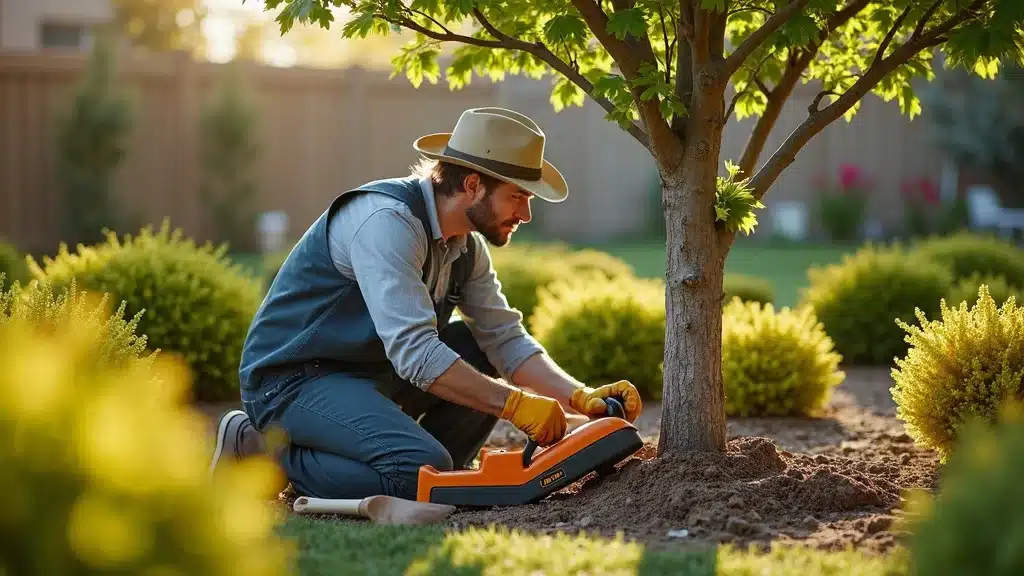
Attentive arborist caring for healthy backyard tree with fertilizer in Denver

Emergency Tree Service and Storm Damage Assessment

Colorado’s weather is unpredictable, and severe wind or ice storms can lead to sudden, hazardous fallen trees or major limb breakages. In these cases, fast, expert response is critical. Emergency tree services include rapid damage assessment, safety risk mitigation, and professional removal to clear blocked driveways, protect homes, and safeguard passersby. Trained crews are equipped to work around precarious conditions, such as live power lines or compromised buildings, minimizing further hazards and losses for property owners.

Certified arborists in Denver specialize in both immediate action—removing dangerous limbs or entire trees—and follow-up care to ensure surviving trees remain stable and safe. They also provide documentation for insurance and coordinate with local authorities during wider community events. Trusted tree experts make the difference between a swift recovery and ongoing risk or property damage.

Demonstration of Tree Removal and Tree Care Services

Want to witness the expertise and precision behind Denver’s top tree removal and tree care services? Watch our short video montage to see certified arborists in action—climbing tall spruces, conducting precise removals alongside homes, and collaborating closely with homeowners and neighbors. Notice the attention to safety, the advanced tools, and—most importantly—the before-and-after transformation when healthy, well-cared-for trees thrive and dangerous trees are removed efficiently and responsibly.

Expert Tree Removal: Protecting Denver’s Homes and Businesses

Why Choose Local Tree Removal Service Experts

When storms hit or tree hazards arise, nothing beats the response of a trusted local removal service. Denver’s top tree removal professionals live and work right here, understanding the city’s climate, species, and regulations inside and out. They arrive quickly, equipped with the right tools and know-how to handle large or precarious removals, minimizing risk to homes, businesses, and the neighborhood. Local pros are invested in your community’s safety and beauty—they take pride in safeguarding curb appeal and restoring peace of mind after every project.

By choosing a seasoned team that specializes in tree removal for Denver homeowners and businesses, you ensure compliance with local ordinances, expert navigation around electrical wires and structures, and responsible disposal of tree debris. Only certified, insured professionals deliver the consistency, reliability, and long-term results your property deserves.
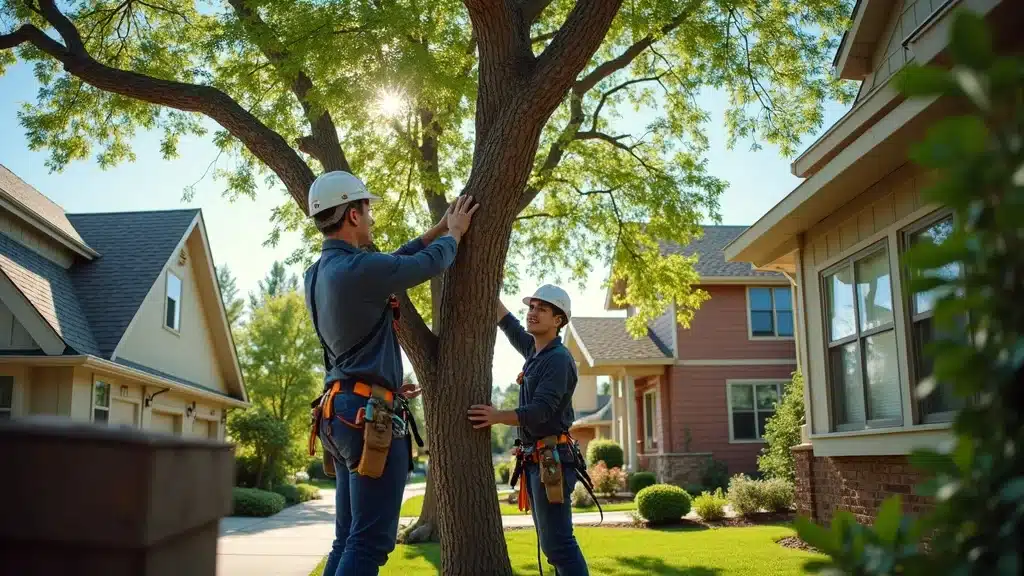
Skilled arborist team lowering a large branch away from Denver home as part of expert tree removal

Benefits of a Professional Arborist Near Me for Emergency Tree Removal

Enlisting a professional arborist near me for emergency tree removal services means fast action and peace of mind—especially when time, property, and safety are at stake. Certified experts assess the situation quickly, deploy safety barriers, and remove hazardous trees with minimal disruption. Their experience allows them to identify hidden dangers, such as underground roots or stress fractures, which could threaten your property in the future. Removal teams also provide timely documentation needed for insurance claims, taking stress off homeowners during already challenging times.

The advantage of true professionals is clear: comprehensive safety, neighborhood rapport, and enduring quality—protecting your investment while contributing to the ongoing health and beauty of Denver’s urban forest.

Testimonials: Success Stories from Satisfied Denver Clients

“Our massive old elm started leaning dangerously after a snowstorm. Within hours of calling, a certified arborist team arrived, explained everything clearly, and removed the threat with zero damage or mess. Their quick, professional response gave us peace of mind and saved us thousands in repairs!”
– Linda M., Homeowner in Park Hill, Denver

People Also Ask: Professional Arborist Near Me

Is hiring an arborist worth it?

Absolutely. A certified arborist does more than just trim or remove trees—they safeguard your property, increase long-term tree health, and help avoid costly emergencies. Their specialized training reduces risk for you, your home, and your neighborhood, making them a smart investment for all tree care needs.

How do I find a certified arborist in my area?

Start by searching the International Society of Arboriculture’s (ISA) “Find an Arborist” tool online, which lists credentialed professionals by city and zip code. Seek out local referrals, check online reviews, and always verify insurance and licensing before hiring an arborist.

What is the difference between a tree surgeon and an arborist?

A tree surgeon handles the physical aspects—like cutting or removing limbs or trees—while an arborist is an expert in tree biology, health, and disease. Certified arborists provide holistic care, long-term planning, and diagnosis of issues, whereas many tree surgeons focus on manual labor alone.

How much should I pay for a tree surgeon?

Pricing varies, but in Denver, simple jobs may cost as little as $250-500, while complex or emergency removals can exceed $2,000, especially for large or dangerous trees. Always seek multiple written bids from certified professionals and avoid “too good to be true” deals, which may lack necessary insurance or experience.

FAQs about Professional Arborist Near Me, Tree Removal Service, and Tree Care

  • When should I remove a tree? Remove trees that are dead, diseased beyond recovery, or pose imminent safety hazards.
  • How is tree removal cost calculated? By tree size, location, health, access, and whether stump grinding and debris removal are included.
  • What certifications should my arborist have? Look for ISA Certification and up-to-date insurance.
  • What’s the most common tree disease in Denver? Emerald ash borer is a significant threat; prompt identification is key.
  • Do tree experts offer emergency services? Yes—many provide 24/7 responses for storm damage or safety hazards.

Key Takeaways: Why You Need a Professional Arborist Near Me for Tree Removal in Denver

  • Certified arborists ensure accurate, safe, and code-compliant tree removal and care
  • Expert tree service protects property value, public safety, and Denver’s beloved urban forest
  • Routine maintenance prevents hazardous fallen limbs and costly emergencies
  • Professional assessments help you save money by preserving healthy trees and removing only as needed
  • Choosing local pros means faster response, community investment, and higher accountability

Get Started with Expert Tree Removal and Tree Service in Denver

Contact Our Certified Arborists for a Free Tree Removal or Tree Care Quote

Ready to safeguard the value and safety of your Denver property? Request a free quote from our certified arborists today! Get honest advice, professional service, and friendly local expertise the moment you reach out. Experience the difference that expert tree care makes—your trees, your home, your community will thank you.

Conclusion

Protect your Denver property and invest in lasting beauty—choose a professional arborist near me for trusted, safe, and exceptional tree removal and care.

Sources

For readers looking to ensure the health and safety of their Denver trees, the resource Tree Service for Denver, CO is invaluable, offering insights into professional arborist services tailored specifically to local conditions and common challenges. Additionally, you can review real-world feedback on expertise and reliability by visiting John Egart’s Tree Service—their Facebook page features customer testimonials and updates on recent projects in the Denver area. If you’re serious about hiring a professional arborist near you, these resources will give you both a practical overview and trustworthy, community-driven perspectives.
Tree Removal Cost Estimate: What You Need to Know in Denver CO

John Egart tree removal
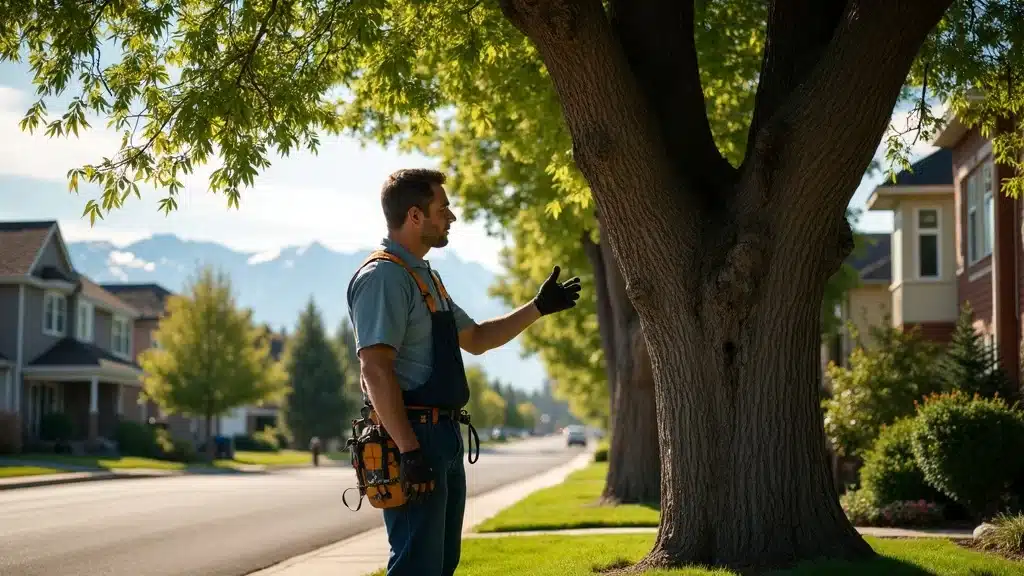
An arborist wearing gloves and a tool belt examines a large tree on a suburban street lined with houses and green lawns, with mountains visible in the background.

Did you know? The average cost for tree removal in Denver can vary by over $1,000 based on just a tree’s size or its distance to a power line—costs many homeowners never anticipate until the final bill arrives. If you’re facing down a gnarly oak or a tilting pine, understanding a tree removal cost estimate is your best defense against surprise expenses. This comprehensive guide will arm you with knowledge, local trends, and insider tips to make your tree removal both affordable and hassle-free.

Professional arborist assessing a tree for removal cost estimate in Denver neighborhood with Rockies in the background, featuring specialized equipment and lush green landscape

A Surprising Look at Tree Removal Cost Estimate Trends in Denver CO

Residents in Denver, CO face unique challenges when seeking a reliable tree removal cost estimate. Local climate, property layout, and frequent weather events (including sudden storms and heavy snow) drive removal costs higher than in many other U.S. cities. If you’ve ever wondered why your neighbor paid less—or hundreds more—than you for a similar service, you’re not alone. The cost of tree removal often comes down to a mix of tree size, location, and risk, particularly around professional tree companies with specialized equipment. Homeowners should expect to pay between $350 and $1,500 on average, but don’t be shocked if hazardous or emergency removals rocket above $5,000 for large, precariously placed trees.

Increasingly, Denver homeowners are steering away from generic estimates, demanding detailed breakdowns from removal pros who understand the city’s particularities. With regulations tightening, permit requirements changing, and fluctuating demand—both seasonally and following major storms—knowing the full scope of your tree removal cost estimate upfront is more crucial than ever. In this guide, you’ll uncover the variables that influence pricing, spot hidden fees before they show up on your invoice, and learn how to save money by making smart timing and provider choices.

What You’ll Learn About Tree Removal Cost Estimate in Denver CO

  • Key pricing factors influencing tree removal cost estimate in Denver CO
  • How local climate and regulations affect tree removal cost
  • Expert tips to save on your next tree removal cost estimate
  • Understanding additional fees (like stump removal and emergency tree removal)
  • Answering popular questions related to tree removal cost estimate

Understanding Tree Removal in Denver: How Tree Removal Cost Estimate Is Calculated

A tree removal cost estimate is much more than a number pulled from thin air—it’s the result of an on-site assessment, local market dynamics, and careful calculation. When you contact a professional tree removal company in Denver, they evaluate specific factors: tree size, health, proximity to power lines or buildings, and the potential hazards involved. For example, removing a healthy tree in an open yard will likely cost far less than extracting a dying cottonwood tangled in utility lines. The use of specialized equipment and the need for extra crew during emergency tree removal both bump up the removal costs dramatically. Providers also need to account for insurance, city permits, and debris disposal, making each cost estimate unique to the job.

Denver’s local market is known for its mix of mature trees and fast-changing urban development, raising both opportunity and complexity. Professional tree experts often advise collecting multiple quotes, each outlining what’s included—from stump removal to complete site cleanup—to avoid surprise fees. Understanding these cost components helps you ask smarter questions and ensure your tree removal cost estimate is accurate, fair, and aligned with local realities.

Key Factors Impacting Tree Removal Cost Estimate

  • Tree size and height
  • Tree species
  • Accessibility and location
  • Condition and health of the tree
  • Proximity to structures or utility lines
  • Emergency tree removal vs. scheduled services

The primary driver of a tree removal cost estimate in Denver is tree size. Large or mature trees require more labor and powerful equipment, increasing risks—and prices. The species also matters: dense hardwood trees take more time and wear down chainsaws faster than softer pines or aspens. Next, accessibility plays a vital role. If the tree’s located behind a fence, close to power lines, or within a small backyard, expect to pay more for the extra time and safety precautions required.

The condition and health of the tree influences costs too. A dead or diseased tree can be unpredictable or brittle, increasing hazards for removal crews; similarly, trees growing near homes or garages demand more expertise and care. Lastly, emergency tree removal services—often required after a storm—are always quoted at a premium, reflecting the urgent need and added risk for workers.

Tree Removal Cost Estimate Breakdown: Average Costs in Denver CO

Type of Service Average Cost (Low) Average Cost (High)
Standard tree removal $350 $1,500+
Stump removal $60 $350
Large or hazardous tree removal $1,200 $5,000+
Emergency tree removal $800 $3,500+

“Many homeowners are surprised to learn just how much tree size and access can influence their final tree removal cost estimate.” — Denver Arborist Pro

Professional Tree Removal vs. DIY: Comparing Tree Removal Cost Estimate and Safety

The debate between professional tree removal and DIY is a common one, but the risks and potential extra removal costs often tilt the scales firmly toward hiring a removal pro. While DIY may seem like a way to save money at first glance, it typically comes with hidden dangers: property damage, safety hazards, and liability problems if something goes wrong. Professional tree removal services are not only equipped with specialized equipment but also carry insurance, permitting, and industry expertise to handle tricky, large, or hazardous removals safely and efficiently.

For trees that are especially large, near power lines, diseased, or in hard-to-reach locations, attempting removal without the right skills greatly increases the chance you’ll incur significant damages—or even personal injury. The tree removal company you hire will typically handle permit requirements, coordinate with local utilities, and guarantee the job is done without risk to you or your neighbors.

Side-by-side image showing a professional tree removal team and a cautious homeowner near a chainsaw in a Denver backyard, demonstrating the safety and expertise of professional tree removal services

When to Consider Professional Tree Removal Services

  • Large or mature trees
  • Proximity to power lines or structures
  • Diseased or unstable trees
  • Lack of proper equipment

If you’re facing a tree taller than your roofline, leaning near a power line, or presenting visible signs of disease or instability, hiring a professional is the best—and safest—route. A removal pro can prevent the unexpected costs that arise from misjudged falls or underestimating a tree’s weight. Especially when multiple trees or hazardous conditions are present, the peace of mind a certified team provides is well worth the initial cost estimate.

Attempting to trim or fell sizable trees on your own could void homeowners’ insurance if accidental damage occurs. Factor in the expense of renting or buying specialized equipment, and the savings of DIY quickly dwindle. True professional tree removal services protect your home, your family, and your neighborhood, making them an investment rather than an optional expense.

Potential Risks and Unexpected Removal Costs of DIY

Taking the DIY route on tree removal can lead to more than just sore muscles. The risks include serious personal injury—from falls and sharp tools—as well as inadvertent property damage, especially if the tree is near a power line or structure. Most importantly, if a tree takes an unexpected path during felling, you’re liable for any resulting damage or accidents in your yard or a neighbor’s property.

DIY also fails to guarantee proper disposal, often requiring additional removal costs for hauling away debris. In emergencies, lack of insurance and proper equipment can dramatically increase the costs should you need to call a professional after the fact. When weighed against these variables, the tree removal cost estimate from a reputable removal company often proves the more affordable—and far safer—option.

“Attempting tree removal without experience can result in costly property damage, personal injury, and increased liability.” – Licensed Denver Tree Removal Expert

Tree Removal Cost Estimate: Hidden Fees and Additional Services

  • Stump removal and grinding
  • Debris hauling and disposal
  • Permit and inspection fees
  • Travel and accessibility surcharges
  • Emergency tree removal premiums

When evaluating a tree removal cost estimate, it’s vital to read the fine print. Many Denver residents are caught off guard by unexpected charges for services like stump removal, which is rarely included in a basic tree removal rate. Removing large debris or hauling wood away typically incurs additional removal costs, as do fees for projects that require difficult access (tight backyards, steep slopes, or challenging neighborhoods).

Denver’s permitting requirements can also add to your final invoice, especially in cases involving protected tree species or work close to public streets. If you need emergency tree removal after business hours or during severe weather, expect to see a premium rate for the added urgency and manpower needed.

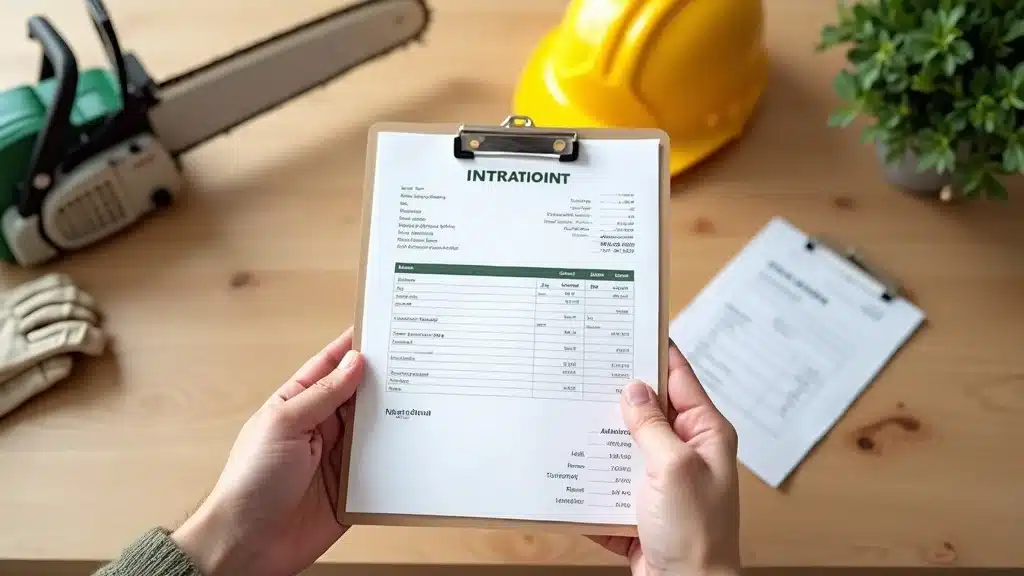
Tree removal cost estimate paperwork and removal equipment for Denver homeowners, showing itemized invoice with equipment in a modern office setting

How to Get an Accurate Tree Removal Cost Estimate in Denver

  1. Assess your tree’s condition and take measurements
  2. Collect multiple quotes from professional tree removal providers
  3. Inquire about included services and potential extra fees
  4. Ask for details on insurance and certifications
  5. Read reviews and check references for each tree removal service

Getting the most precise tree removal cost estimate starts with you. Begin by taking clear photos and accurate measurements of the tree(s) to help the removal company provide a thoroughly informed quote. Always request at least three estimates from local removal pros, ensuring they spell out what’s included—from stump grinding to debris disposal—and note any clauses for emergencies or unforeseen access issues.

Make sure each removal service you consider can show proof of insurance and up-to-date certifications, which not only protect you but ensure compliance with Denver city requirements. Checking customer reviews and asking for local references confirms the company’s reputation, work quality, and reliability before you commit.

Tree Removal Cost Estimate Video Guide: What Denver Residents Should Know

In this walk-through video, a Denver-based tree removal expert demonstrates how tree removal pros assess, quote, and execute a real project in a local neighborhood. You’ll see every step: from evaluating tree size and proximity to power lines, through issuing a detailed tree removal cost estimate, to the safe and methodical removal process. Watch for on-screen overlays explaining which cost factors apply and how to maximize your savings without compromising safety.

Ways to Save Money on Your Tree Removal Cost Estimate

  • Schedule during off-peak seasons
  • Bundle multiple tree removal or trimming services
  • Handle debris removal yourself (where safe and possible)
  • Regularly maintain trees to prevent emergencies
  • Request itemized written quotes

Denver homeowners have several smart strategies to save money on tree removal costs. Booking your service between late winter and early spring—when demand is typically lower—can unlock significant pricing breaks. If you have multiple trees needing attention, bundle removal or trimming to get volume discounts from the same removal pro.

When appropriate, handling light debris cleanup yourself may further reduce your estimate (just be sure to clarify what’s included before committing). Most importantly, regular tree care and inspections help you avoid costly crisis removals after heavy storms or disease outbreaks. Always demand an itemized, written tree removal cost estimate so you know exactly what you’ll be paying for—and can challenge any surprise charges.

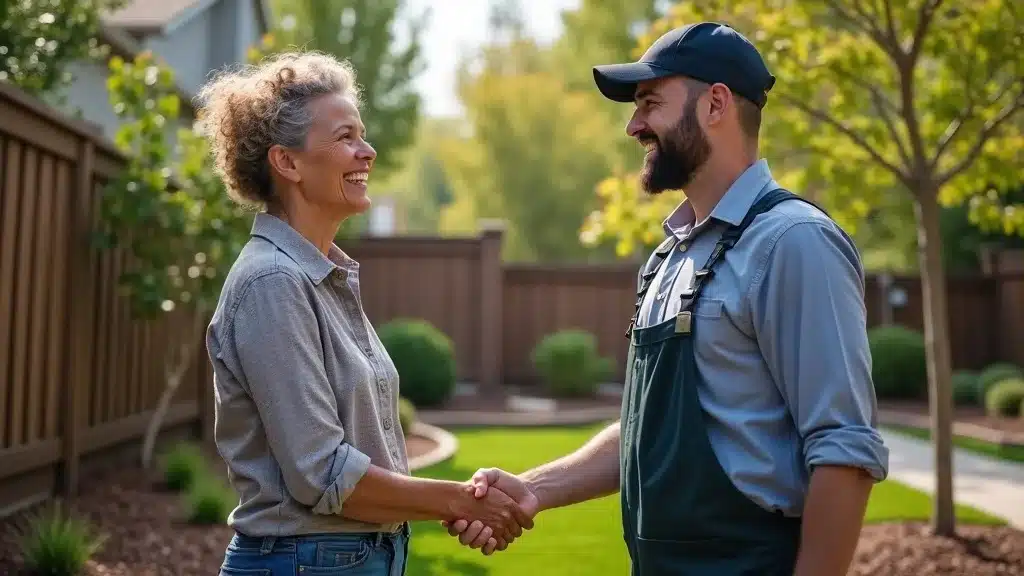
Denver homeowner shaking hands with a professional tree removal expert in a landscaped yard symbolizing savings and satisfaction

Emergency Tree Removal Cost Estimate in Denver CO: What To Expect

Factors Raising Emergency Tree Removal Costs

  • Storm-related hazards
  • After-hours service fees
  • Urgency and resource allocation
  • Safety risks for removal crews

Severe weather is no stranger to Denver, and storm aftermath often leads to urgent calls for emergency tree removal. Unsurprisingly, these situations come with their own set of cost drivers. Storm-damaged trees may threaten houses or block public spaces, demanding immediate attention. After-hours service or weekends result in premium fees due to overtime and rapid deployment. Removal costs also spike for hazardous conditions—unstable limbs, tangled roots, or downed power lines—because protecting workers and property becomes exponentially tougher (and riskier) under these circumstances.

Removal companies must dispatch extra crew and even coordinate with emergency responders or utility companies for severe jobs, impacting both the cost estimate and the time frame for resolution. Denver’s fast-changing weather can also create an urgent backlog of requests following a major storm, potentially driving up prices further due to demand surges.

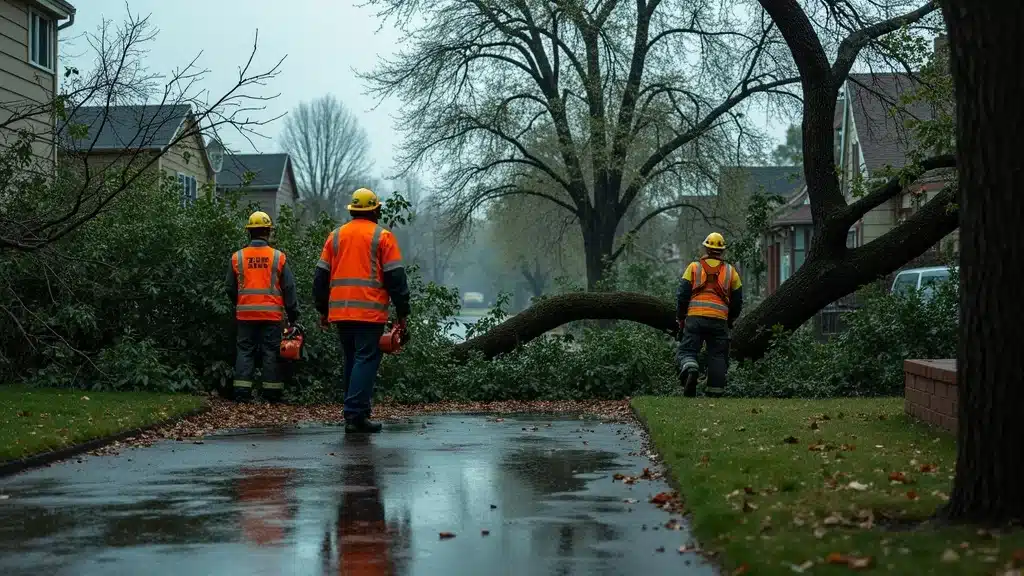
Emergency tree removal after Denver storm: team at work removing fallen tree from driveway under stormy gray skies

Stump Removal and Tree Removal Cost Estimate: Do You Need Both?

Stump Removal Services and Average Costs

  • When stump removal is recommended
  • Cost breakdown for stump removal vs. full tree removal

While some homeowners are content to leave a stump behind after tree removal, this can be a costly oversight. Stumps are magnets for pests (like termites), create tripping hazards, and can make future landscaping projects far more difficult. Stump removal is often priced separately, ranging from $60 to $350 depending on the stump’s size, root system, and accessibility. For larger or multiple stumps, labor-intensive extraction or specialized grinding equipment may push costs higher.

Most professional tree removal services in Denver will offer bundled rates for both tree and stump removal, but it’s important to clarify what’s included in your initial estimate. Removing the stump at the same time as the tree typically costs less than scheduling a return visit. Always compare the incremental charge against the inconvenience and potential hidden costs of leaving a stump in place.

Regulations Impacting Tree Removal Cost Estimate in Denver CO

Local Permitting, Environmental, and HOA Considerations

  • City permit requirements for tree removal
  • Protected tree species and fines
  • Neighborhood or HOA restrictions
  • Impact on final tree removal cost estimate

Denver has clear regulations surrounding tree removal—especially for large or historic trees, or those in public rights-of-way. Most removals, especially on street-facing lots or for trees above a certain size, require a permit and city inspection. Failing to secure one can lead to significant fines, or prevent the removal service from starting work altogether. Certain species, such as protected elms or heritage oak trees, may be off-limits for removal or require special city approval, making the tree removal cost estimate higher due to added paperwork and compliance costs.

Neighborhood associations and HOAs often have further restrictions on timing, noise, or preservation, impacting both when and how your tree can be removed—and how much it will cost. Always check city and HOA guidelines before committing to any major tree work, and ask your removal company if they handle permitting as part of their services.

Frequently Asked Questions about Tree Removal Cost Estimate in Denver CO

What is the average cost of tree removal in my area?

In Denver, CO, the average cost for tree removal typically ranges from $350 to $1,500 for standard work. Large or hazardous removals, especially if near structures or power lines, may cost $2,000 or more. Always get a written cost estimate from a professional based on an onsite assessment, as prices vary greatly with each project.

How do you calculate the cost of cutting down a tree?

The final tree removal cost estimate combines several factors: tree size and height, species, condition (healthy vs. diseased), accessibility, proximity to obstacles, as well as whether debris removal or stump grinding is included. Emergency jobs or after-hours requests will add further premiums. A removal pro will inspect your property, then provide a detailed line-item estimate explaining each aspect.

How much does tree removal cost in MN?

Tree removal prices in Minnesota are generally comparable to those in Denver, with averages between $400 and $1,500 for most jobs. However, local species, colder climate, and variable labor rates can shift prices up or down. Denver’s unique factors—such as altitude, frequent storms, and urban density—may make emergency or hazardous removals somewhat more expensive.

What is the cheapest time of year for tree removal?

Late winter and early spring are typically the least expensive times for professional tree removal in Denver. Demand is lower before the growing season and summer storm activity, enabling you to save money and often schedule services more quickly.

Expert Answers: Your Tree Removal Cost Estimate Questions

  • In Denver, the average tree removal cost estimate typically ranges from $350 to $1,500, depending on the size and complexity.
  • Tree removal cost is calculated based on tree size, height, condition, site accessibility, and whether emergency service is needed. Factors such as stump removal and debris disposal also contribute.
  • While costs in MN may be similar in range, regional service rates and local species can affect the tree removal cost estimate. Denver’s higher elevation and weather patterns may mean higher costs for emergency removal.
  • Tree removal cost estimate is often lower during the late winter or early spring, when demand for professional tree removal services is less intense.

Essential Takeaways: What Every Homeowner Should Know About Tree Removal Cost Estimate

  • Always obtain a professional tree removal cost estimate before hiring.
  • Understand the full scope of what’s included in your estimate.
  • Permits and regulations can significantly alter costs.
  • Seasonal timing matters for best pricing and availability.
  • Choose only insured and certified tree removal services for safety and peace of mind.

Choose the Right Professionals for Your Tree Removal Cost Estimate Needs

“A detailed tree removal cost estimate ensures Denver homeowners can budget accurately and avoid unpleasant surprises.” – Certified Arborist

  • Always get a written estimate from a professional tree removal company.
  • Verify insurance and credentials before booking.
  • Ask about guarantees on workmanship and cleanup.

Watch this video to understand every step of the hiring and removal process—what questions to ask, how removal services break down estimates, and how to protect your property and budget.

Ready for an Expert Tree Removal Cost Estimate?

Conclusion

Get a precise, written tree removal cost estimate, weigh all factors, and work only with certified Denver professionals for a smooth—and affordable—removal experience.

Sources

For a deeper look into local expertise and cost transparency, refer to Tree Service for Denver CO | Colorado Tree Service Pros. This resource provides detailed information on how professional arborists determine your tree removal cost estimate, including what is standard in Denver and the services you can expect. Additionally, their page outlines common pitfalls to avoid when comparing quotes, ensuring you get both safety and value. If you’re serious about understanding and optimizing your tree removal cost estimate, these resources will give you the clarity and actionable advice you need.

Tree Trimming and Pruning Tips to Boost Your Landscape in Denver CO

John Egart tree removal
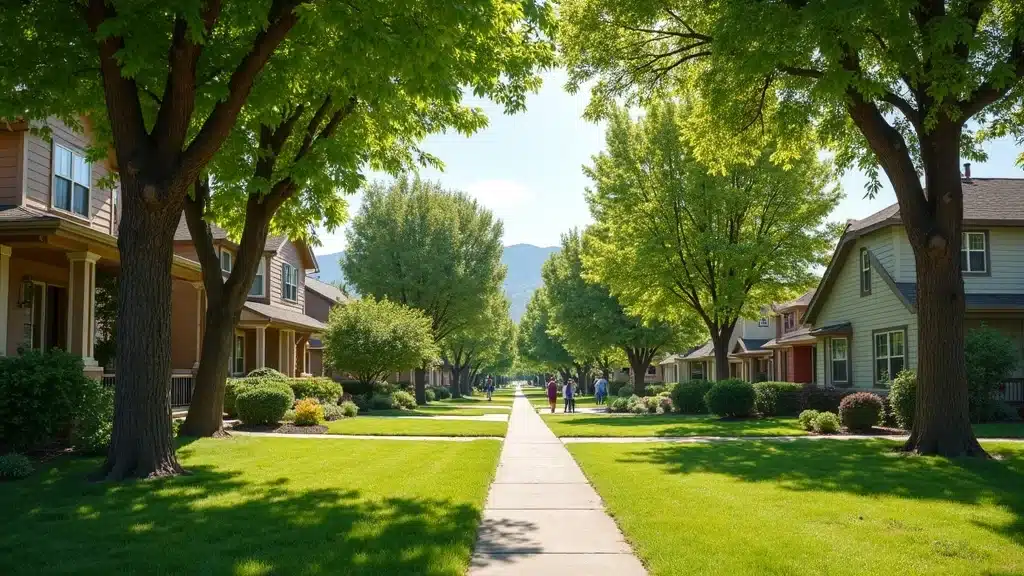
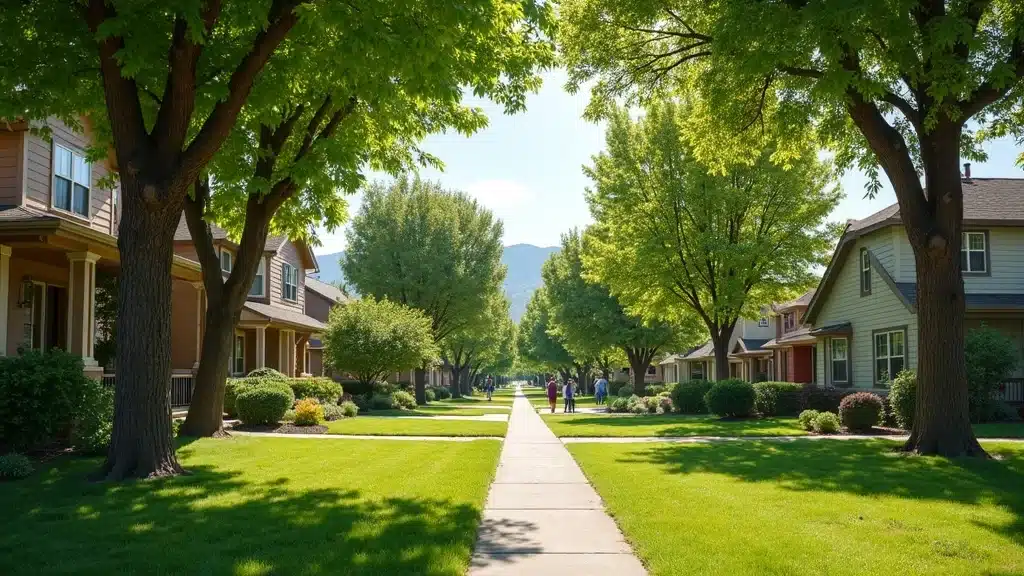
A tree-lined suburban street with well-kept lawns, sidewalks, and houses on both sides. The scene is bright and sunny, with a few people walking in the distance under the shade of green trees.

Did you know? Studies show that properties with well-maintained trees and shrubs can increase curb appeal by as much as 20%—and in Denver, CO, proper tree trimming and pruning are even more crucial due to unique climate challenges. Whether you’re new to tree care or seeking professional insight, mastering the art and science of tree trimming and pruning is the fastest way to protect your landscape’s beauty, health, and value. Read on to learn how to revitalize your yard and make your property the envy of the block.

Revealing the Impact: Fascinating Tree Trimming and Pruning Statistics in Denver CO

Tree trimming and pruning in Denver, CO, are more than seasonal chores—they’re critical investments in property health and safety. Approximately 90% of local homeowners report improved tree health after routine maintenance, and nearly 70% of Denver properties experience fewer storm-related tree issues with regular pruning. Maintaining your trees and shrubs not only prevents hazards, such as falling large branches or diseased limbs, but also increases your property’s market value. The unique combination of altitude, seasonal temperature swings, and semi-arid conditions in Denver demands a strategic approach for tree pruning and tree trimming.

These statistics highlight a compelling trend: Denver residents who invest in regular tree care benefit from reduced long-term costs and enhanced landscape aesthetics. In fact, properties with pruned trees sell faster and at higher prices—a clear incentive for both homeowners and real estate investors. Whether you’re dealing with fruit trees, deciduous trees, or sprawling evergreens, understanding trimming and pruning best practices can make the difference between a landscape that thrives and one that struggles in Denver’s dynamic climate.

Vibrant Denver residential neighborhood with mature trees and well-maintained, neatly trimmed urban trees, featuring Denver-style homes, Rocky Mountains, sunlight on fresh foliage, and emphasized depth of field with bright colors

How Tree Trimming and Pruning Drive Property Value and Curb Appeal

First impressions matter, and nothing enhances curb appeal like healthy, vibrant trees and shrubs. Tree trimming shapes trees to complement landscape design while tree pruning removes dead or diseased branches that can make any property appear neglected. Studies show that tree care, specifically regular pruning cut techniques and annual tree trimming, results in fuller canopies and stronger growth for young trees and large trees alike.

Homes with mature trees that are properly maintained attract potential buyers and renters who value both appearance and safety. A pruned tree lets in more light, opens up views, and showcases beautiful Denver architecture and mountain backdrops. Proper tree care also prevents broken branches from causing damage during Denver’s frequent late winter and early spring storms. By investing in routine tree trimming and pruning, you protect your home’s value and amplify your landscape’s beauty for years to come.

What You’ll Learn About Tree Trimming and Pruning

  • Key differences between tree trimming and tree pruning
  • Best timing and techniques for effective tree care
  • Benefits of hiring certified arborists
  • Essential tools and safety practices
  • How to identify when your trees and shrubs need attention

Understanding the Basics: Tree Trimming and Pruning Defined

Tree trimming and pruning are often used interchangeably, but they serve distinct purposes within comprehensive tree care. Tree trimming focuses on enhancing shape, growth, and appearance, making it ideal for aesthetic maintenance and controlling the growth of trees and shrubs. On the other hand, tree pruning is essential for health, safety, and growth—it involves removing damaged, diseased, or dead branches to promote vigorous development and reduce risks.

Denver’s diverse landscape includes fruit trees, flowering trees, large trees such as maples and oaks, and ornamental shrubs, all with unique needs. Effective tree care means understanding when to prune a tree, the biology of branch collar and lateral branch growth, and how to make a proper pruning cut. Adopting proven trimming and pruning methods can improve your trees’ health and ensure your yard remains safe and beautiful across seasons.

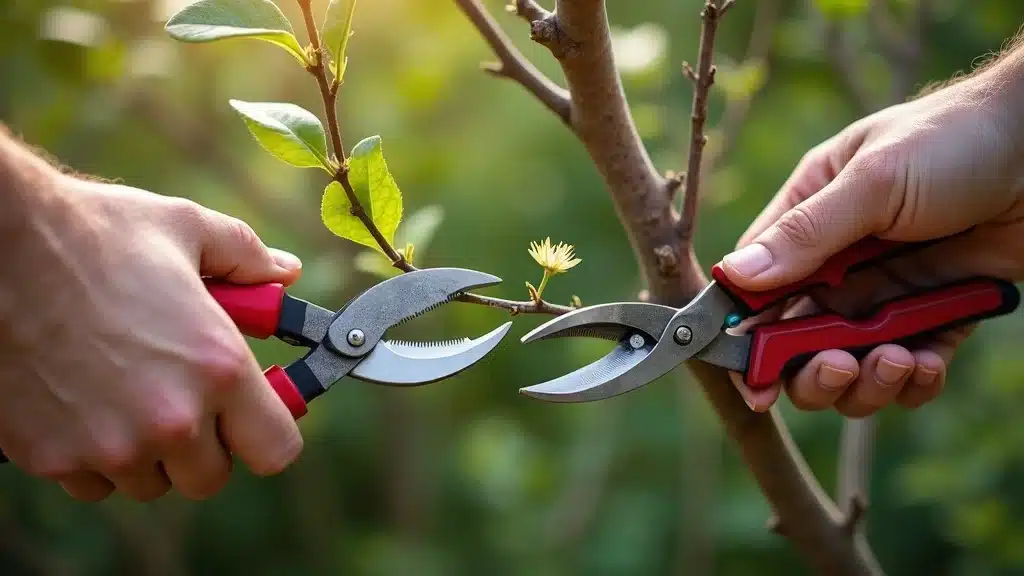
Detailed comparison between tree trimming and tree pruning, with hands using pruning shears and trimming tools on varied Denver plant species in a sunny backyard

Tree Trimming vs Tree Pruning: What Sets Them Apart?

While both tree trimming and pruning cut techniques contribute to landscape health, they have different objectives and methods. Tree trimming is performed to maintain desired size, shape, and density, preventing trees and shrubs from encroaching on walkways, power lines, or structures. This typically involves shaping small branches and light thinning, which is important for maintaining attractive landscaping in tight Denver neighborhoods.

Tree pruning, by contrast, targets the removal of diseased branches, large branches at risk of failure, broken branches, and non-productive wood from fruit trees. This process boosts trees health, prevents pests and disease, and increases airflow through the canopy. The difference is subtle but important: trimming is for form, pruning is for function. Employing both ensures your trees and shrubs are both attractive and resilient in Denver’s challenging environment.

Why Are Tree Care Practices Crucial for Denver CO Properties?

Denver’s unique climate patterns—marked by sudden temperature shifts, late winter snow, and intense summer sun—demand proactive tree care. Trees and shrubs that receive regular trimming and pruning fare better during extreme weather and are less susceptible to pests, disease, and storm damage. When property owners ignore tree care, they risk costly problems, including dangerous falling large branches, limb breakage, or tree loss, especially among young trees and large trees.

Routine tree care contributes to the longevity and vigor of Denver’s urban canopy. Skilled maintenance, such as proper pruning cut close to branch collar, minimizes injury and accelerates wound recovery, while unsanitary cuts can introduce disease. By prioritizing regular and season-appropriate tree care, residents in Denver ensure their landscapes continue to thrive—serving as shade, windbreaks, and aesthetic enhancements for decades.

The Science of Tree Pruning: How Proper Techniques Benefit Health and Growth

Successful tree pruning isn’t a quick snip—it’s a science that balances tree physiology and safety. Every cut made on a tree is an entry point for pests and disease, so knowing where, when, and how to prune a tree is vital for optimal results. Pruning during the dormant season—especially late winter to early spring—limits sap loss, reduces pest attraction, and primes trees for vigorous spring growth. This timing is especially important for deciduous trees and many fruit trees commonly found in Denver.

Correct tree pruning techniques include identifying the branch collar, making a clean final cut just beyond this area to promote rapid healing, and never leaving stubs or cutting flush to the trunk. Whether tackling large branches on big maples or shaping young flowering trees, following expert guidance reduces damage and maximizes each pruned tree’s growth potential. When in doubt, consult a certified arborist to ensure safety and lasting results.

The Anatomy of a Good Pruning Cut: Protecting Large Branches

Every pruning cut, especially on large branches, should be executed with precision to avoid causing unnecessary injury to your trees and shrubs. The ideal pruning cut starts by locating the branch collar—the slightly swollen area where the branch meets the trunk or a main lateral branch. For large branches, employ the three-cut method: first, make a small undercut to prevent bark tearing, then a top cut several inches farther out to remove the weight, and finally, a clean cut just outside the branch collar to finish the job.

Leaving the branch collar intact allows the tree to compartmentalize the wound efficiently, reducing the chance of disease or decay. Using sanitized, sharp tools for each cut—whether on large trees or small shrubs—is crucial. Never rush the process, and avoid pruning during active growth unless absolutely necessary for removing dead or damaged branches. This attention to detail is what separates a thriving, healthy tree from a stressed or injured one in Denver’s demanding environment.

Close-up of professional arborist making a precise pruning cut on a large tree branch in a sun-dappled Denver yard, with wood chips falling and clean cut surfaces, emphasizing safety and technique

Certified Arborists’ Guidelines for Tree Trimming and Pruning

Certified arborists in Denver bring years of experience and specialized training to every tree care job. They follow professional guidelines, such as the ANSI A300 standards, to ensure each pruning cut reinforces tree health, structural integrity, and landscape aesthetics. Certified arborist recommendations include using the right tool for each branch size, timing maintenance to fit Denver’s unique seasons, and focusing on removing dead, diseased, damaged, or crossing branches first.

Hiring a certified arborist safeguards both your trees and property values. Experts know when to avoid risky cuts, how to properly support large branches during removal, and the best ways to promote healthy regrowth. As summed up in the words of a seasoned local:

“Proper tree trimming and pruning not only enhances the vigor and safety of your trees and shrubs, but also shields your landscape from costly future damages.” – Certified Arborist in Denver

Top Tree Trimming and Pruning Tips for Denver’s Climate

Caring for Denver’s diverse tree population requires careful attention to species, timing, and technique. Each tree variety—maples, oaks, ash, evergreens, and flowering trees—has specific trimming and pruning needs. Factors like drought resistance, sun exposure, and growth habits must inform every cut. For example, over-pruning during active growing season can stress large trees, while pruning fruit trees too late in spring can limit fruit production.

To minimize impact, always consider regional best practices such as prioritizing the dormant season for structural cuts and making lighter trims during early spring or mid-summer for shape or pest control. Pay special attention to injury prevention on large branches and trunk wounds, and keep tools clean to avoid spreading disease between trees and shrubs. Proactive, thoughtful care fosters resilience and sustained beauty throughout Denver’s changing weather cycles.

  • Identify Denver’s regional tree species and their unique needs
  • Consider drought resistance when trimming and pruning
  • Minimize injury to large branches and trunk
  • Follow season-specific best practices
Month Best Tree Trimming and Pruning Activities Suitable Tree Types
January-March Structural pruning Maples, Oaks, Ash
April-June Light shaping Flowering trees, Shrubs
July-September Pest control trims Evergreens
October-December Deadwood removal All species

Essential Tools and Equipment for Tree Trimming and Pruning

No tree trimming and pruning job can be done well—or safely—without the right tools and equipment. For homeowners and professionals in Denver, the basics should include bypass pruners, loppers for thicker branches, handsaws for large branches, and a quality pole saw for reaching high limbs. Personal protective equipment like gloves, safety glasses, and helmets are equally vital, especially when dealing with mature or large trees susceptible to falling or broken branches.

Regular cleaning and sharpening of equipment prevent disease transmission and help make clean, precise cuts. Even the best tools require knowledge—understanding when to use a pole saw versus manual pruners, or when to call in specialized machinery for especially large or inaccessible trees, is key to successful, safe tree care. Investing in the right gear protects both your landscape investment and your personal safety in every Denver yard.

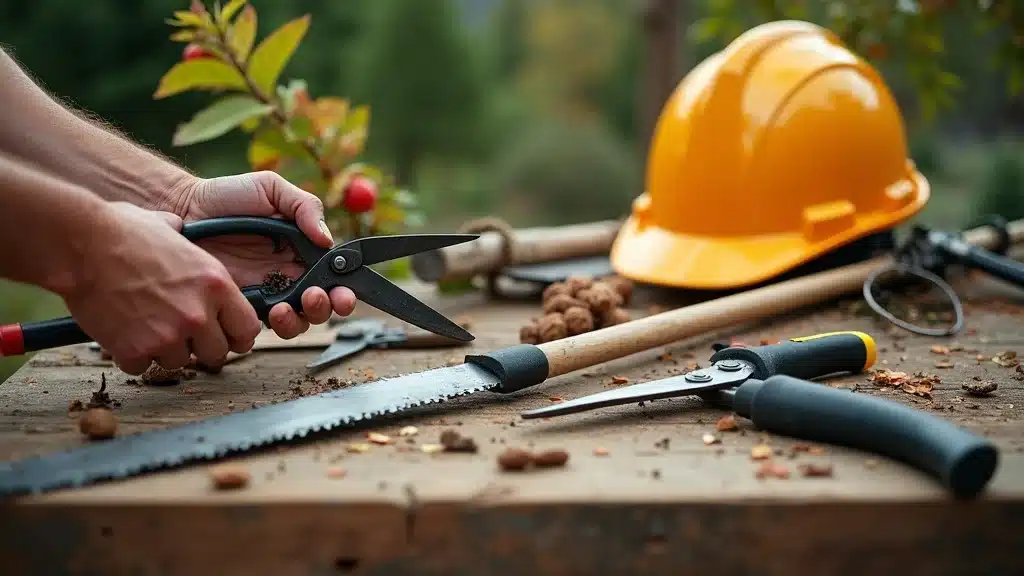
Organized display of tree trimming and pruning tools for Denver homeowners and professionals, including pruners, pole saw, loppers, and safety equipment on a wood workbench in a leafy setting

Must-Have Tree Care Tools for Homeowners and Professionals

Arming yourself with essential tree care tools is the first step toward achieving healthy and visually striking trees and shrubs. Key items include bypass hand pruners—perfect for precise cuts on small shoots—sturdy loppers for handling medium branches, and a reliable pruning saw for large branches or thick, woody stems. Professionals may also employ pole saws or chainsaws for high or oversized cuts. Safety should never be compromised: helmets, non-slip gloves, goggles, and harnesses are necessary when reaching high limbs or working with power equipment.

Using sanitized tools for every trim or pruning cut is just as important as technique—dirty blades can spread pests and disease between branches or even from tree to tree. Periodic maintenance, such as oiling moving parts and inspecting for blade nicks or wear, is key to extending the lifespan of your investment and enhancing each final cut’s quality. Whether you are maintaining young trees or shaping mature specimens, the right equipment gives you confidence and control for every tree care task in Denver.

Safety Precautions When Trimming Large Branches and High Limbs

Tree trimming and pruning can be dangerous, particularly when dealing with large branches, high limbs, or dense canopy growth that may obscure structural risks. Always assess the work area and the condition of your trees and shrubs before starting. Use stable ladders or professional-grade harnesses, and never attempt to prune or remove large branches directly above power lines or structures—leave those jobs to certified arborists for your safety and peace of mind.

If you must prune a tree with difficult access, have a partner on site and communicate every step before starting. Wear the proper protective gear, survey for broken branches, and pace yourself—fatigue leads to accidents. Avoid working in windy or wet conditions, which can increase the risk of slipping or branch movement. Following proper safety protocol is essential for every tree trimming and pruning job in Denver, regardless of property size.

When Should You Call a Certified Arborist for Tree Trimming and Pruning?

While many tree trimming and pruning tasks can be handled by dedicated homeowners, certain situations call for the expertise of a certified arborist. If you notice dying or diseased branches high in a tree, severely overgrown trees and shrubs, or major storm damage, it’s time to get professional help. Certified arborists can properly assess tree health, safely remove large branches or correct previous improper cuts, and advise on the best care regimen for each species thriving in Denver.

Certified arborists employ advanced knowledge to prevent injury to both trees and people. They have specialized equipment for tough jobs, such as rigging systems for controlled branch removal. Professional tree care is particularly important for valuable, mature specimens or when planning structural changes in your landscape. Their expertise ensures your property remains beautiful, safe, and primed for growth—season after season.

Signs That Professional Tree Care Is Needed for Your Trees and Shrubs

Certain warning signs mean it’s best to leave tree care in expert hands: severe disease, large or hanging broken branches, unexplained dieback, or sudden changes in leaf color and growth pattern. If your tree’s trunk develops cracks, splits, or decay, or if dense overgrowth makes it impossible to see the branch structure, a certified arborist is your safest bet. Common issues in Denver include root damage from drought, pest infestations, or extensive storm stress which all demand specialized intervention and technique.

Regular, proactive inspection of your trees and shrubs helps catch problems early, but don’t hesitate to consult a professional if you are unsure how to prune a tree, can’t reach high branches, or have safety concerns. Certified arborists are trained to diagnose, treat, and protect Denver’s urban forest, preserving both the integrity and value of your landscape.

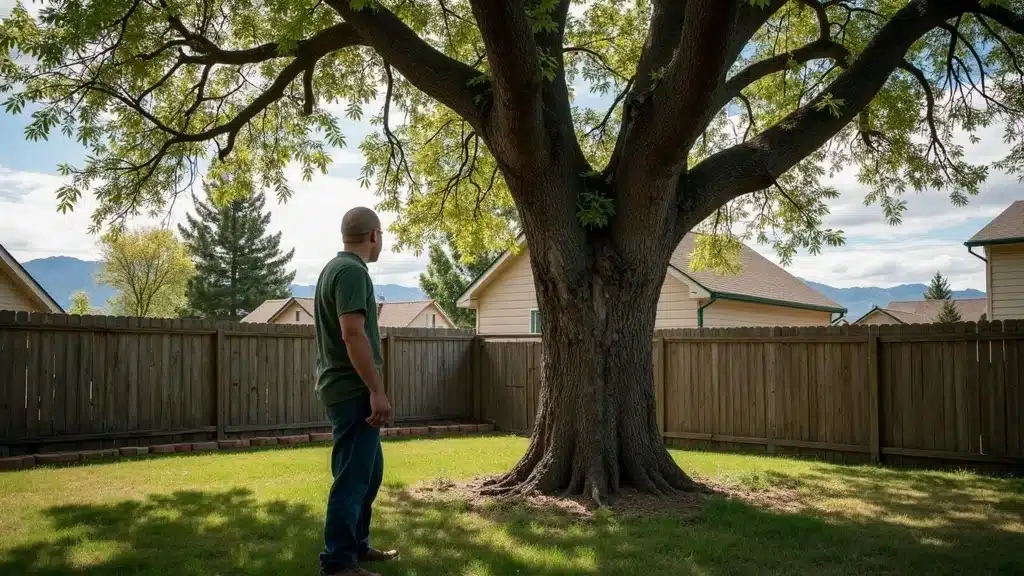
Residential Denver yard with overgrown, damaged tree, showing weak branches, disease signs, concerned homeowner, Colorado foliage, and mountain background

Benefits of Hiring a Qualified Tree Trimming and Pruning Specialist in Denver CO

There are concrete benefits to entrusting your tree care to certified professionals. Certified arborists offer advanced knowledge of species-specific needs, execute impeccable pruning cut techniques on large branches, and have access to advanced equipment for jobs too risky or complex for DIYers. They assess the overall health of all trees and shrubs, create proactive care plans, and help protect your property from hazards like falling large branches or pest outbreaks common across Denver neighborhoods.

By hiring a specialist, you also gain access to their network for additional services—such as tree removal, pest control, or soil amendments—ensuring that your entire yard, from young trees to mature maples, receives the best possible care. In the long run, investing in professional tree trimming and pruning saves money by preventing costly property damage, extends the life of your landscape, and keeps your home looking its best year-round.

People Also Ask: Key Questions About Tree Trimming and Pruning in Denver CO

What’s the difference between tree trimming and tree pruning?

Tree trimming focuses on maintaining shape and controlling overgrowth, improving the aesthetic appeal of trees and shrubs. In contrast, tree pruning is directed toward health and safety, removing dead, diseased, or damaged branches to encourage vigorous growth and prevent hazards. While both are important, pruning requires greater precision for trees’ health, especially when dealing with large branches or structural issues, and should be performed following established tree care guidelines.

What are the 5 rules of pruning trees?

The five core rules of pruning trees are: 1) Prune during the dormant season for most trees, 2) Always cut just outside the branch collar, 3) Remove dead, diseased, or damaged branches first, 4) Never over-prune or wound large branches unnecessarily, and 5) Use clean, sharp tools for every pruning cut. Adhering to these basic rules helps keep trees healthy, minimizes injury, and promotes strong regrowth, especially important for Denver’s climate.

What month are you supposed to trim trees?

The best time for tree trimming and pruning in Denver is typically from late winter to early spring. This season allows trees to heal quickly and reduces the risk of pest infestation, particularly for deciduous trees and most fruit trees. Light maintenance, such as shaping and pest management, can be done during the growing season, but major pruning cuts should always be reserved for dormancy to protect the health of your trees and shrubs.

Is it worth hiring a professional tree trimmer?

Hiring a certified arborist or professional tree trimmer is well worth the investment, especially for large trees, overgrown branches, or when safety is a concern. Professionals bring experience, insurance, proper tools, and a keen understanding of species-specific needs. They perform each pruning cut with care, reducing the risk of damage to your property, trees, and personal safety, making the cost of hiring a pro a wise long-term decision in Denver’s unique environment.

Common Tree Trimming and Pruning Mistakes to Avoid

Inexperienced tree trimming and pruning can cause lasting harm, so it’s essential to avoid common mistakes. The most frequent error is over-pruning or topping trees—removing too much canopy at once can weaken trees, make them vulnerable to pests and disease, and cause poor regrowth patterns. Ignoring the support of large branches and removing them without proper technique can create large wounds that compromise structural integrity.

Other pitfalls include using unsanitized tools—spreading diseases from one pruning cut to the next—and making cuts at the wrong time of year, especially during active growth periods, which can stress trees. To protect the long-term health and aesthetics of your trees and shrubs, always follow expert guidelines or consult a certified arborist.

  • Over-pruning or topping trees
  • Ignoring large branch support
  • Using unsanitized tools for tree care
  • Incorrect timing of cuts

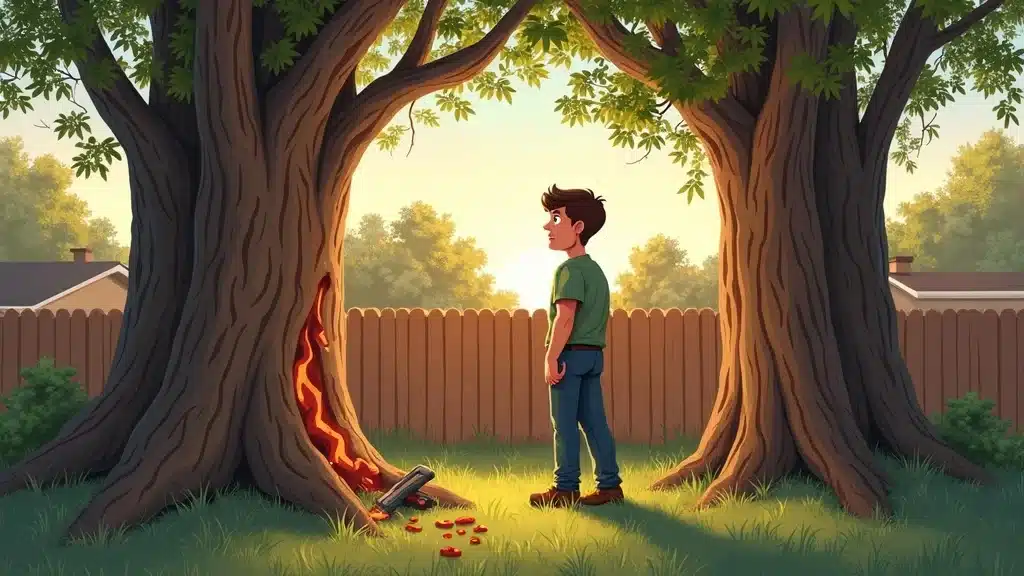
Illustration of tree pruning mistakes in a Denver backyard—person about to make a wrong cut, bandaged branches, before/after comparison, scattered tools, and error signs in natural evening light

FAQs on Tree Trimming and Pruning for Denver CO Homeowners

  • How often should tree trimming and pruning be done?
    Routine tree trimming and pruning should occur at least once a year for most species, with additional checks after storms or pest outbreaks. High-maintenance trees and shrubs, like flowering or fruit trees, may need more frequent care.
  • Do shrubs require the same methods as large trees?
    Shrubs benefit from similar basic principles but usually require lighter, more frequent trims to maintain density and promote blooms. Always tailor timing and technique based on the plant’s growth cycle.
  • Can tree trimming and pruning help prevent storm damage?
    Yes, proper maintenance removes weak or dead branches, reducing the chance they break and cause property damage during Denver’s notorious storms. This is crucial for large trees adjacent to structures or walkways.
  • Is there a difference in tools used for tree care versus shrub maintenance?
    While there’s overlap (such as handheld pruners), larger tools like saws and pole pruners are reserved for trees, whereas shrubs are often managed with shears or loppers for finer, more controlled cuts.

Video Guide: Step-by-Step Tree Trimming and Pruning Techniques for Beginners

Key Takeaways for Effective Tree Trimming and Pruning in Denver CO

  • Proper tree trimming and pruning maintain landscape health and beauty
  • Hiring certified arborists ensures safety and expertise
  • Seasonal timing is crucial for tree care effectiveness

Ready to Transform Your Yard? Schedule Expert Tree Removal in Denver CO

If you’re ready to refresh your landscape, don’t put your property at risk—contact local certified arborists for expert tree removal in Denver CO and enjoy healthy, beautiful trees year-round.

Conclusion

Smart, seasonal tree trimming and pruning protect your Denver landscape, boost value, and ensure every tree and shrub stays healthy and stunning. Start caring for your yard today.

Sources

Tree Service for Denver CO – Colorado Tree Service Pros provides in-depth information on professional tree trimming and pruning services tailored to the unique climate and tree species found in Denver, ensuring homeowners receive expert guidance for maintaining healthy, safe landscapes. Additionally, the John Egart’s Tree Service Facebook Page offers practical tips, local industry updates, and real-world examples of successful tree care projects, helping you visualize best practices in action. If you’re serious about mastering tree trimming and pruning in Denver, these resources will give you trusted professional insight and up-to-date community knowledge.