Safe tree removal techniques: How to Protect Your Home

John Egart Denver Tree Service 0 Comments
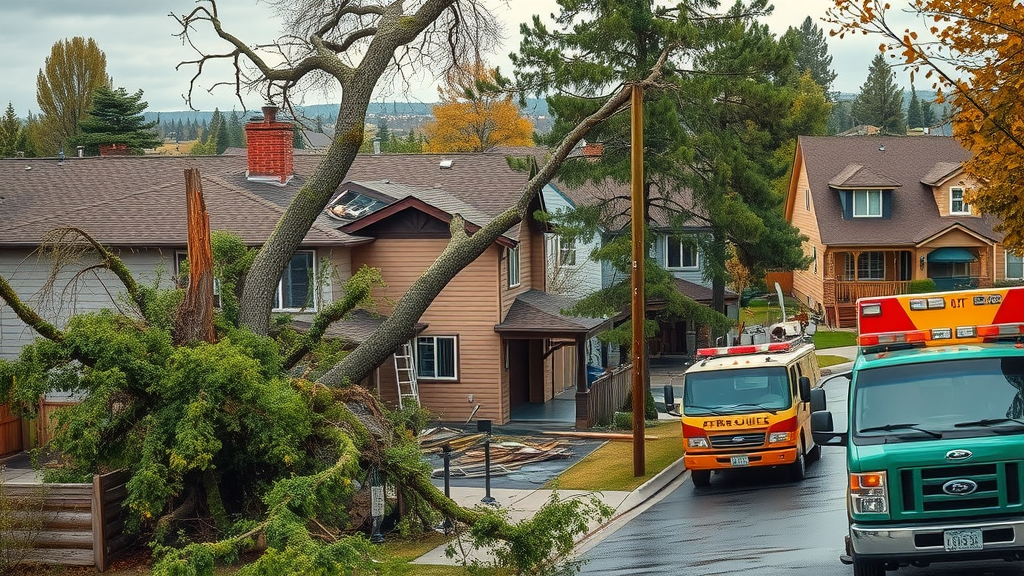
A large tree has fallen onto the roof of a suburban house, causing visible damage. Emergency vehicles, including a fire truck, are parked nearby on the wet street as responders assess the scene.

Did you know that falling trees and improper tree removal cause more than $1 billion in property damage every year in the U.S.?When overlooked, even a single tree limb can threaten your home’s safety. This comprehensive guide on safe tree removal techniques arms Denver homeowners with proven methods, key safety measures, and expert advice to keep both your property and your family safe. If you’ve ever wondered whether you can remove that unstable tree yourself or should call a tree removal service, read on—you’ll find every answer you need below.

Startling Facts About Safe Tree Removal Techniques

Removing a tree is not as simple as picking up a saw and getting to work. Each year, over 100 fatalities and countless injuries are reported nationwide due to unsafe tree cutting and felling. Even professional arborists stress that safe tree removal techniques require careful planning, the right equipment, and strict safety measures, especially in densely populated areas like Denver. Whether it’s a leaning pine threatening a roof or a rotten trunk next to a power line, the risk escalates rapidly without proper techniques.

Many homeowners are unaware that insurance claims for tree-related home damage may be denied if inadequately documented or performed by non-licensed individuals. Utilizing personal protective equipment and hiring an insured tree removal service are essential protective steps. This guide breaks down not only the most important safety measures but also what it costs, how to pick the right providers, and why expert tree care beats a DIY approach every time.
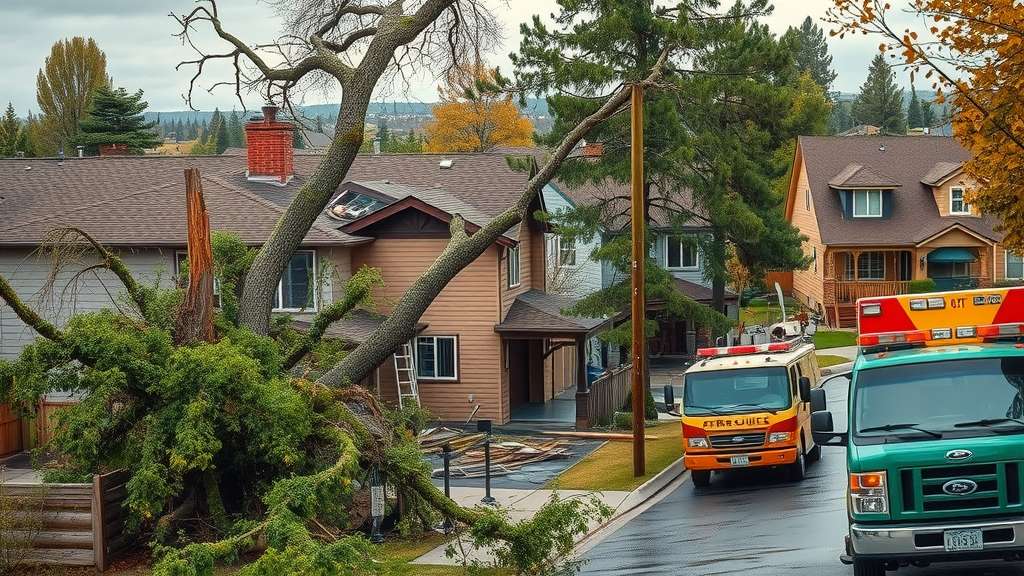
Safe tree removal techniques shown as a Denver neighborhood with a fallen tree damaging a rooftop—homeowner pointing out damage, emergency vehicles arriving, debris scattered, photorealistic with sharp details, earthy colors.

What You’ll Learn About Safe Tree Removal Techniques

  • Key principles of safe tree removal techniques
  • Critical safety measures and equipment for tree felling
  • Expert tips for choosing the right tree removal service
  • How to address stump removal effectively
  • Costs and risks associated with tree removal

Understanding the Importance of Safe Tree Removal

Trees add beauty and value to your landscape, but certain conditions turn them into threats. Safe tree removal techniques should always be a priority when trees become structurally compromised, diseased, or dangerously close to structures. Homeowners often underestimate the damage a single tree limb or root can cause—you could be facing foundation cracks, power outages, or severe roof damage from a falling tree. In cities like Denver, where sudden storms and heavy winter snow are common, neglected trees magnify risks.

Ignoring or delaying proper tree removal not only endangers your household but can also lead to expensive emergency tree removal service bills and difficult insurance claims. By practicing safe tree removal techniques and understanding the right time to act, you protect your family, avoid ecological harm, and maintain your property’s value. Prioritize proper tree care and you’ll benefit from both safety and peace of mind.
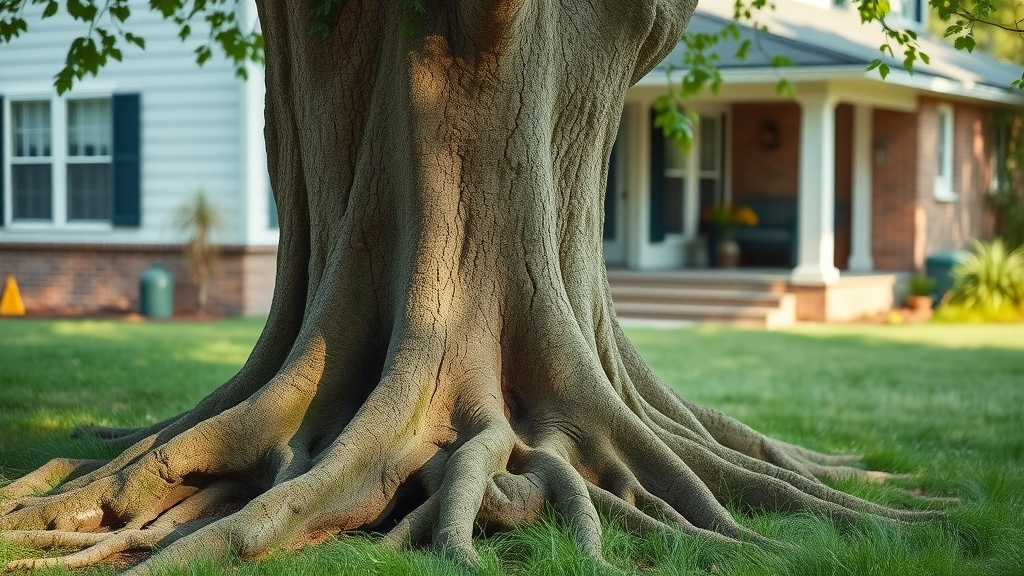
Safe tree removal techniques highlighted as a homeowner inspects a mature tree close to their house for dangerous cracked roots, photorealistic with house foundation and garden in focus, cool green and blue tones.

Assessing Tree Removal Needs and Risks

Knowing when to remove a tree is crucial. If your tree shows signs of rot, fungus at its base, or a leaning trunk, it could be a hazard. Denver’s climate and extreme weather can accelerate structural decay—a cracked foundation or entangled roots mean immediate danger, while dead branches and peeling bark signal potential collapse. These warning signs often go unnoticed until it’s too late, making periodic assessments by a professional arborist a wise investment.

  • When is tree removal necessary? Trees growing too close to power lines, homes, or exhibiting severe disease should be removed promptly.
  • Risks of delaying tree removal: Postponing safe tree felling can result in property damage, injuries, and even legal liability if neighbors’ properties are affected.
  • Signs a tree needs professional attention: Dead or hanging limbs, bark splitting, root upheaval, or a visibly leaning trunk.

Ignoring the need for safe, timely removal increases the risk of emergency situations—when storms hit, even a small tree limb can cause extensive tree debris and place families at risk. Always opt for a professional evaluation to establish the right course of action.

Essential Safety Measures for Tree Removal

Using Personal Protective Equipment in Safe Tree Removal Techniques

Protecting yourself during tree removal starts with the right personal protective equipment (PPE). Every professional arborist relies on a combination of gear to prevent serious injury from falling branches, tree cutting tools, and flying debris. Helmets offer vital head protection against impacts. Safety goggles shield your eyes from wood chips, while ear protection prevents hearing loss from chainsaws and stump grinder operation. Cut-resistant clothing and gloves are essential to protect against accidental slips with sharp tools.

  • Helmets and head protection
  • Eye and ear protection
  • Cut-resistant clothing and gloves
  • Proper footwear

Sturdy, anti-slip boots shield feet from rolling logs and avoid chainsaw injuries. Whether you’re tackling a small tree or coordinating a large tree felling operation, always use suitable PPE. Even minor oversights can result in serious injury during the tree removal process.
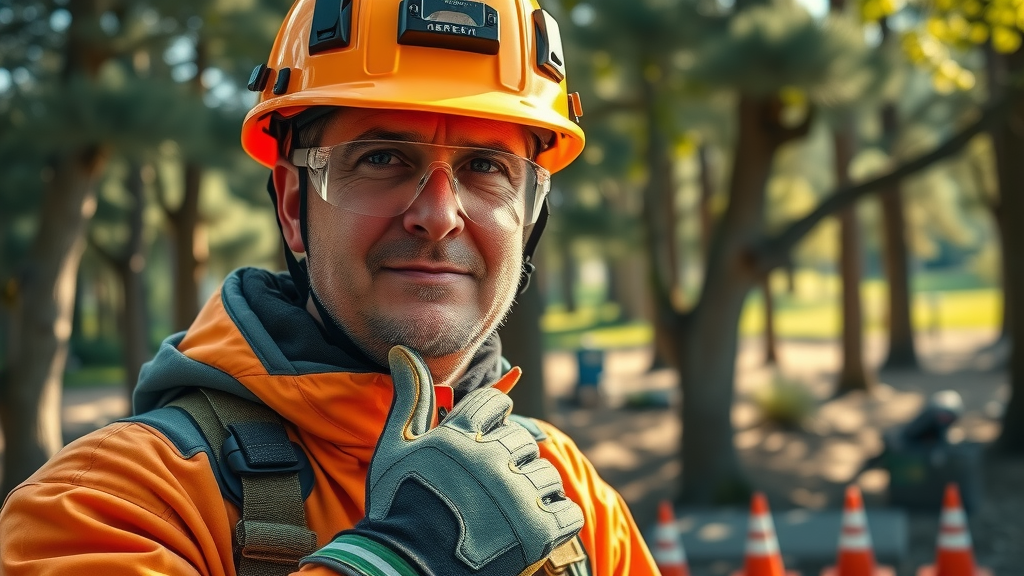
Safe tree removal techniques shown as a detailed close-up of professional arborist safety gear—helmet, goggles, gloves, cut-resistant jacket, photorealistic with bright safety colors and textured gear.

Preparation Steps Before Tree Felling

Before engaging in tree felling, experts stress that careful planning is everything. First, assess the tree’s stability—is the tree leaning, or are any branches decaying? This identifies potential failure points that can lead to uncontrolled falls. Next, survey the area: note the position of power lines and nearby structures. These obstacles demand extra precautions, possibly requiring rope rigging or even section-by-section removal to avoid damage.

  • Assessing tree stability and lean
  • Surveying power lines and structures
  • Establishing a drop zone
  • Weather considerations

Establish a clear drop zone for the falling tree—well away from people, vehicles, and property. Mark this area with cones or tape. Finally, check the weather: avoid tree removal during high winds, lightning, or slippery conditions. These steps are not just best practices—they’re safety measures that could prevent disaster during the tree removal process.
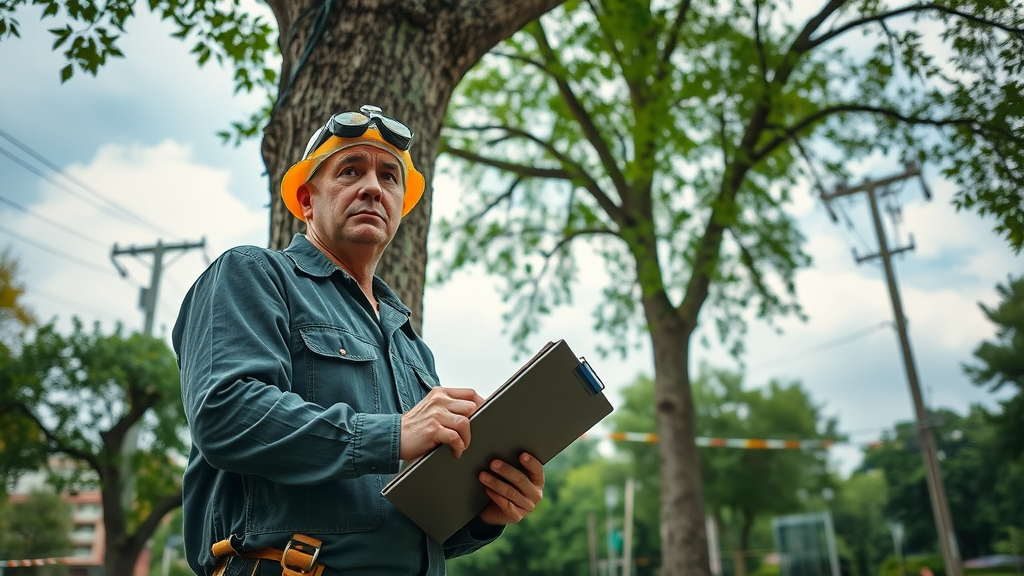
Tree removal safety steps: arborist surveys large tree near power lines, clipboard in hand, marked drop zone in city park, photorealistic with safety tape and blue-green colors.

Tree Removal and Tree Felling: Step-by-Step Guide

Once all preparation is complete, the actual tree removal process begins. Here’s a stepwise approach used by professional tree cutters to maximize safety and efficiency:

  1. Site assessment and hazard identification: Spot unstable branches, nearby structures, and hidden hazards.
  2. Securing the area and alerting bystanders: Rope off the drop zone and ensure nobody enters the risk area.
  3. Making the notch and felling cut: Use a cutting tool (chainsaw or handsaw) to create a notch in the base, directing the fall.
  4. Controlling the fall: Professional crews use wedges, ropes, and guide lines to control the tree’s descent safely.
  5. Post-felling clearing and disposal: Remove tree debris, limbs, and trunk sections, ensuring no hazards remain.

This sequence, when followed with proper protective equipment and experience, ensures that removal is both efficient and minimizes property risk.
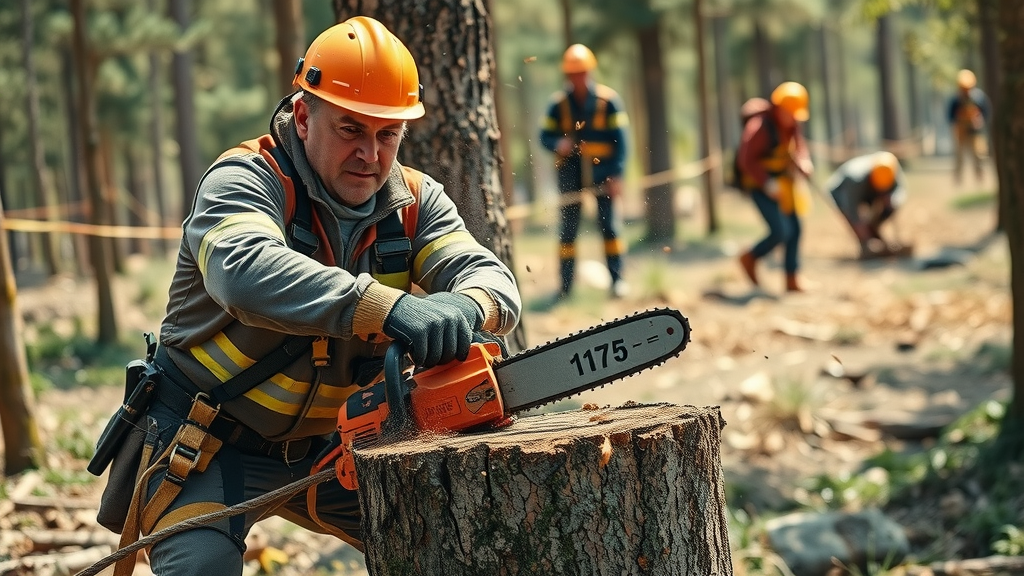
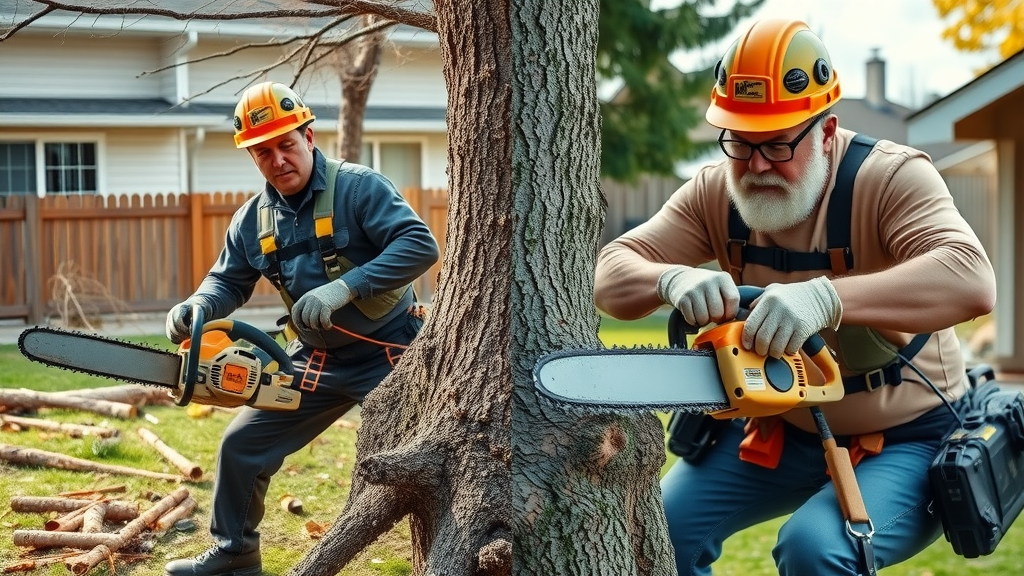
Safe tree removal techniques: experienced worker felling tree, safety gear on, chainsaw in action, falling branches, motion blur, photorealistic with earth tones.

Stump Removal and Post-Care After Safe Tree Removal Techniques

Neglecting the stump after tree removal is a common mistake that can cause new headaches. Leftover stumps may attract termites, harbor disease, or sprout new, unwanted growth. Proper stump removal using a stump grinder is key to protecting your yard and home foundation—especially in Denver where soil shifts are common.

After grinding the stump, fill the hole with quality topsoil and consider reseeding or landscaping the area. Removing stumps not only maintains aesthetics but ensures the long-term success of your tree care efforts. In some cases, deeper removal may be necessary if you’re planning new construction or hardscaping. Always check with your removal service for recommended post-care practices.
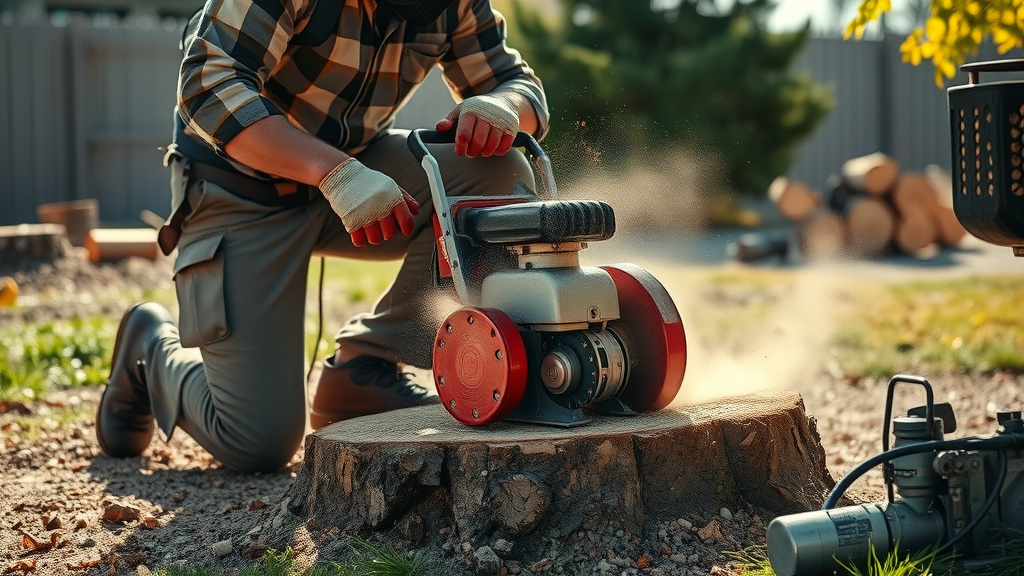
Stump removal as part of safe tree removal techniques: professional uses stump grinder, flying wood chips, landscaped yard background, photorealistic with rich detail.

How to Choose a Reputable Tree Removal Service in Denver CO

Choosing the right tree removal service is your most important decision. Look for crews that are fully insured and trained in both tree felling and tree care. Ask if they use comprehensive personal protective equipment—this is non-negotiable for true professionals. An insured tree removal service protects your property and ensures accountability for any accidental damage.

  • Criteria for selecting an insured tree removal service: Proper licensing, insurance coverage, local references.
  • Why personal protective equipment matters in professional crews: Demonstrates commitment to safety, lowers accident risks.
  • Top questions to ask your provider: Are you insured and licensed? What is your experience with similar tree removal projects? Do you provide written estimates?
  • Benefits of professional tree care experts: Efficient, safe removal, comprehensive cleanup, and qualified advice for future tree care.

A reputable service will perform an on-site assessment, provide clear pricing, and never pressure you into unnecessary work. Inquire about their safety track record and read online reviews specific to Denver. With the right team, even large tree removals become a smooth, low-risk operation.
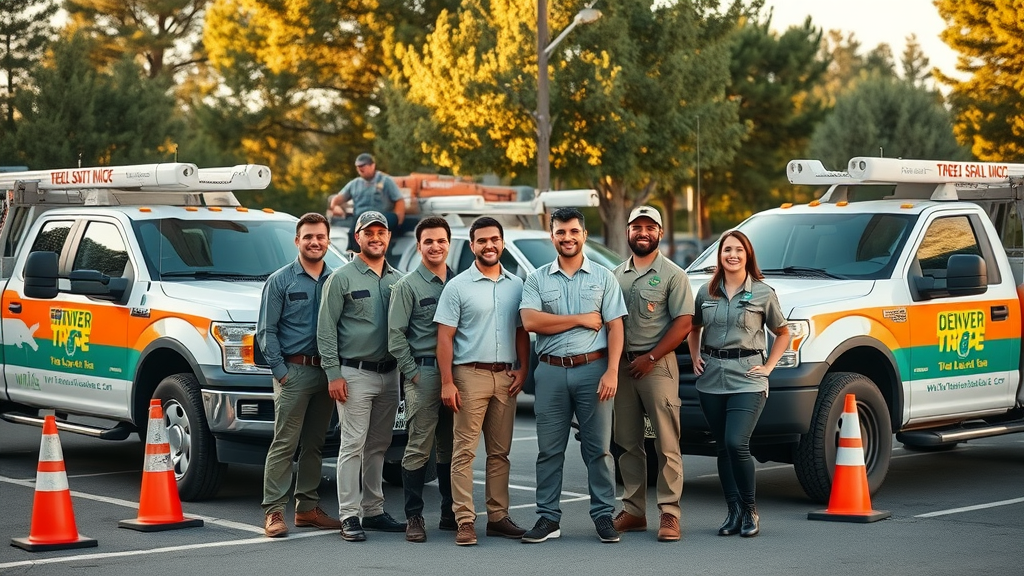
Safe tree removal techniques in Denver: professional, welcoming removal service crew with branded gear, tools, urban neighborhood setting, photorealistic with pops of orange and green.

Curious how professional tree care looks in practice? Watch this informative demonstration featuring certified arborists safely removing a large tree from a residential Denver property. Notice the attention to every safety measure, teamwork, and cleanup—hallmarks of a top-tier tree removal service.

Costs Associated with Safe Tree Removal Techniques

Tree removal costs in Denver vary significantly by tree size, urgency, and the complexity involved. A well-equipped tree removal service will assess these elements to give you a fair quote. Removing a large tree or dealing with emergencies—like storm damage—costs more due to the risks and extra labor. Stump removal, often an overlooked charge, is essential for complete site restoration.

Use the table below to understand typical pricing and influencing factors:

Type of Service Average Cost (Denver CO) Influencing Factors
Standard Tree Removal $300 – $1,500 Size, location, species
Stump Removal $100 – $400 Diameter, root complexity
Emergency Removal $1,000+ Storm damage, urgency
Tree Felling Only $200 – $800 Tree height, clearance

Always ask for a detailed estimate that covers all steps of the tree removal process—from tree felling to stump removal and debris cleanup.
Safe tree removal techniques: arborist provides estimate to homeowner outdoors, reviewing clipboard near healthy tree in autumn, warm light, photorealistic.

People Also Ask: Safe Tree Removal Techniques

How to safely remove a tree?

Safely removing a tree begins with an evaluation by a professional arborist. They will determine if the tree is stable, survey obstacles, and clearly define a drop zone. Equipping everyone involved with personal protective equipment, including helmets and cut-resistant clothing, reduces accident risk. The tree cutter makes precise cuts—starting with a notch in the trunk on the direction of the intended fall, followed by a controlled felling cut—while bystanders remain outside the safety perimeter. Finally, all tree debris is cleared, ensuring no lingering hazards. DIY methods are dangerous without experience and professional-grade equipment; always consider a skilled tree removal service for large or complex projects.
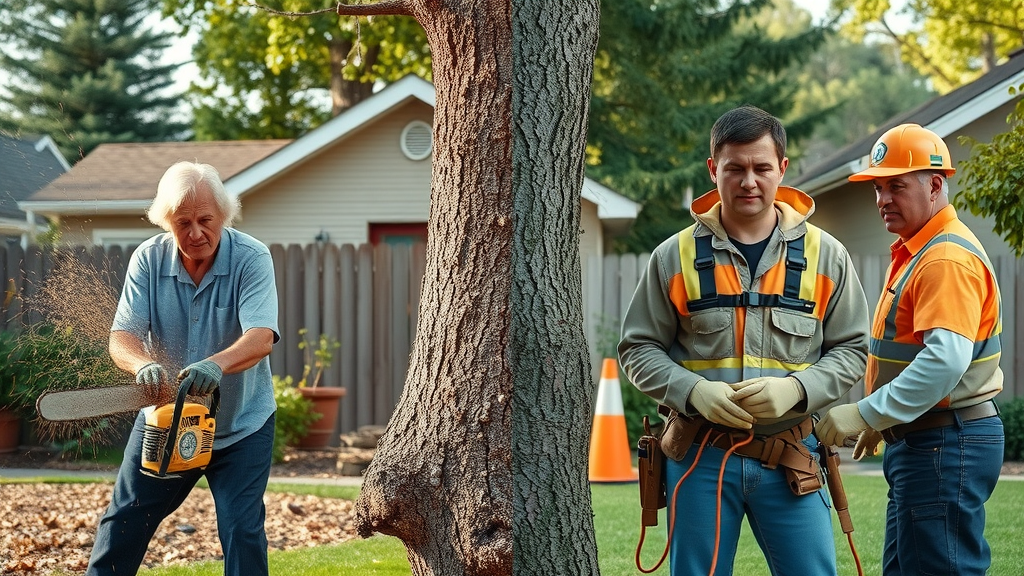
Safe tree removal techniques shown as a photorealistic split-scene: unsafe tree cutting contrasted with calm professionals equipped for safe removal in the same backyard.

What is the 90 15 5 rule?

The 90 15 5 rule is a safety guideline used in tree felling. It refers to the correct notching method for directing the falling tree safely. Make a notch on the tree’s base at a 90-degree angle, with the notch’s face opening at 15% the trunk’s diameter, and the back/hinge cut placed 5% of the trunk’s total thickness from the notch. This approach helps control the falling tree’s direction, reduces the chance of kickback, and prevents unpredictable splits. Using this rule, professional crews can guide large trees down in a controlled, secure manner, minimizing risks to everything nearby.
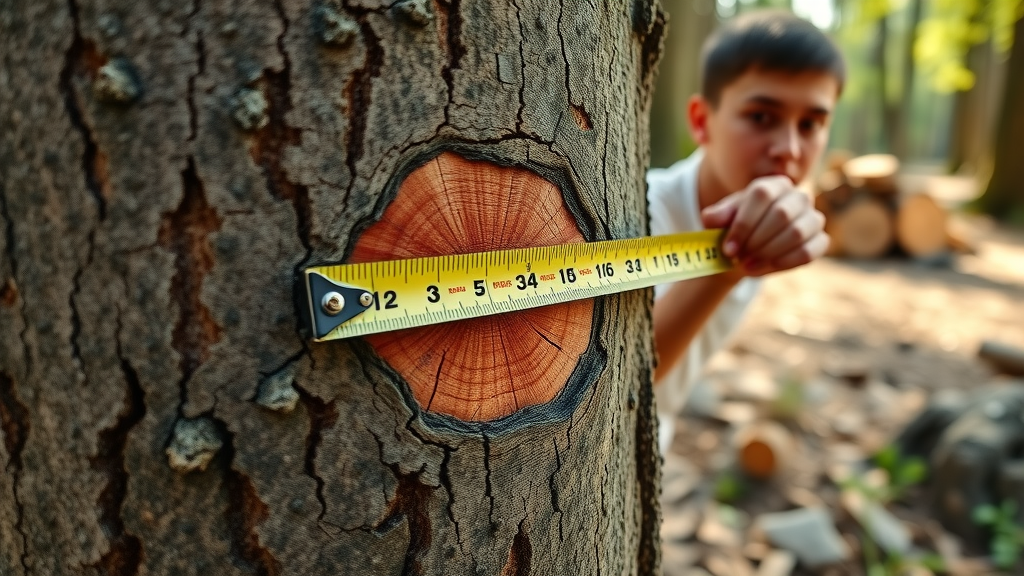
Safe tree removal techniques: detailed photorealistic closeup of a marked notch on tree trunk, hand holding tape, teaching the 90 15 5 rule in context.

Why shouldn’t you leave a tree stump in the ground?

Leaving a tree stump in the ground after removal can create long-term trouble. Tree stumps may sprout new growth, attract harmful insects (like termites or ants), or harbor disease that can spread to healthy trees nearby. They also present a trip hazard in lawns and compromise your yard’s visual appeal. Moreover, decaying stumps can undermine soil stability, affecting your home’s foundation. Investing in professional stump removal saves money and headaches down the road.

What is the average cost of having a large tree removed?

The average cost to remove a large tree in Denver, CO, ranges from $1,000 to $2,000 or more. Several factors—tree height, proximity to structures, accessibility, and whether emergency removal is required—will affect the final bill. Be sure to get multiple quotes from local, insured tree removal services for an accurate assessment. Remember: safety, not just price, should guide your decision.

Quotes from Tree Care Experts on Safe Tree Removal Techniques

“When it comes to safe tree removal, always prioritize safety over speed. Professional expertise and proper equipment are essential.” – Certified Arborist, Denver CO

Portrait of certified arborist discussing safe tree removal techniques—uniform, warm smile, hands on hips, outdoors with tree stumps and tools, photorealistic with natural details.

FAQ: Safe Tree Removal Techniques & Tree Removal Service

  • How do I know if my tree is dangerous?
    Trees with cracks, dead branches, fungus, or visible lean toward your home should be inspected immediately by a professional tree care expert. If you notice soil heaving, exposed roots, or sudden leaf loss, have it checked before the next storm hits.
  • Can I remove a tree myself or should I hire a tree removal service?
    Small trees may be manageable for DIY removal if you have the right tools and safety measures. However, any tree near buildings, power lines, or over 12 feet high typically demands a licensed, insured tree removal service with proper personal protective equipment for safe results.
  • Is my property covered if something goes wrong during tree removal?
    Only if you hire an insured tree removal service will you be protected from liability and damage. Always ask for proof of insurance and confirm coverage before work begins.
  • What should I ask a tree removal company before hiring?
    Inquire about licensing, insurance, their process for safety, written estimates, references, and cleanup protocols. A reputable provider will address all your concerns openly and professionally.

Key Takeaways: Safe Tree Removal Techniques

  • Always use personal protective equipment during tree felling.
  • Hiring an insured tree removal service reduces risk.
  • Proper stump removal ensures long-term safety for your home.
  • Safe tree removal techniques protect your property and family.

Don’t risk your safety—or your investment—by skipping crucial safety measures. Watch this practical video to see the most common mistakes Denver homeowners make with tree removal, and how professional crews prevent costly accidents.

Your Best Choice: Professional Safe Tree Removal Techniques in Denver CO

For the safest, most efficient results, trust a local team of insured, experienced professionals who follow strict safety protocols and use cutting-edge equipment. Ready to protect your home and family? Contact Colorado Tree Service Pros for Expert Tree Removal.


Sources

For a comprehensive understanding of safe tree removal techniques, consider exploring the following resources:

These articles provide valuable insights into best practices and common pitfalls in tree removal, enhancing your knowledge and ensuring safety during the process.
What Most Don’t Know About tree removal cost Denver CO

John Egart Denver Tree Service 0 Comments
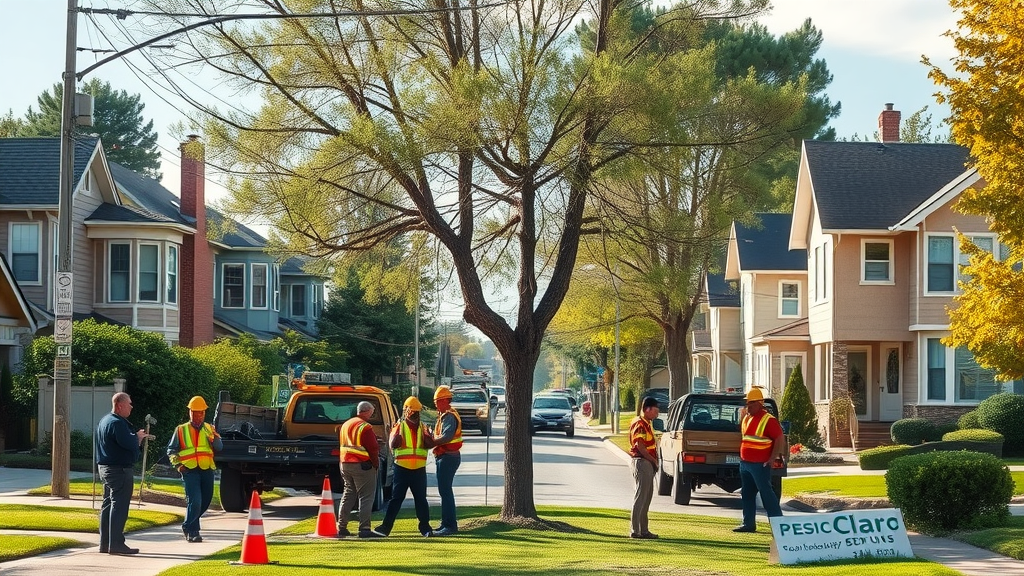
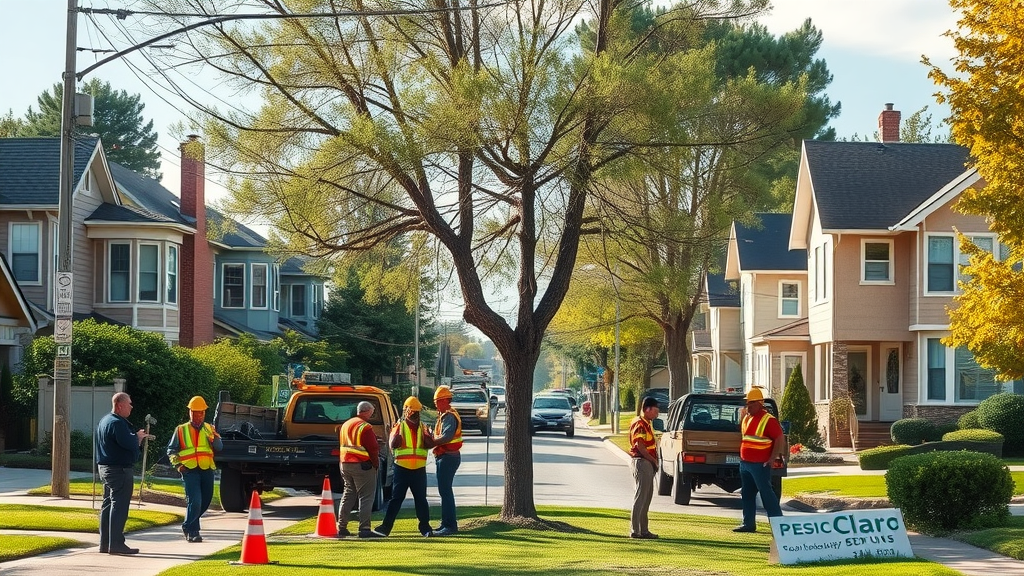
Utility workers in orange safety vests and helmets stand near traffic cones on a residential street, with houses and trees lining both sides. A service truck is parked nearby, and a sign is posted on a front lawn.

Ever wondered why thetree removal cost in Denver COcan swing by hundreds—sometimes thousands—of dollars, even within the same neighborhood? Most homeowners are surprised to find that what seems like a straightforward job is influenced by a hidden matrix of local regulations, tree types, accessibility, and seasonal demands. In this comprehensive guide, you’ll uncover the crucial factors behind tree removal pricing in Denver and learn strategies that can save you significant money, time, and stress when hiring a professional tree removal service.

The Surprising Truth About Tree Removal Cost in Denver CO

“Did you know that tree removal cost in Denver CO can vary by over 300% between two similar neighborhoods? Understanding why can save you hundreds.”

The actual tree removal cost Denver CO surprises many local residents. It’s not just about the height of the tree or how close it is to your home—the price can range dramatically based on a handful of key factors. In this article, you’ll discover what causes this wide cost variance and how you can anticipate the real price for your own tree project. From the location of the tree on your property to Denver’s specific climate and regulatory requirements, multiple layers affect the bottom line. Homeowners who understand these moving parts are in a better spot to negotiate, compare estimates accurately, and select the most cost-effective, trustworthy tree removal service for their needs. If you’re considering removing a large tree, small tree, or anything in between, these details could mean savings—or headaches—on your final bill.

Tree removal cost Denver CO – Tree removal crew assesses trees in Denver neighborhood with homes and mature landscaping, work trucks, safety cones, and residents watching.

What You’ll Learn About Tree Removal Cost Denver CO

  • Key factors affecting tree removal cost Denver CO
  • How to get accurate removal cost estimates
  • Ways to save money on tree removal services
  • Insider tips for hiring a professional tree removal service
  • Latest Denver CO regulations impacting tree service costs

Tree Removal Cost Denver CO: Breaking Down the Basics

What Influences Tree Removal Cost in Denver CO?

When it comes to tree removal cost in Denver CO, several core elements drive pricing. The primary factor is the size of the tree: removing a large tree (over 60 feet) can be much more expensive than a small tree under 30 feet. The species and condition of the tree also matter—a healthy, hardwood tree often costs more to take down than a dead or softer species. The location of the tree—such as whether it hugs power lines, is close to structures, or is in a tight urban yard—directly impacts the removal cost due to the additional challenges for the tree removal service.

Besides the tree itself, accessibility on your property is a big deal. Can a crane or chipper be brought in easily, or will workers need to hand-carry cuttings over fences or through gardens? The required equipment and labor can shift based on these unique Denver property layouts. Additionally, potential hazards such as nearby utility lines or unstable trees (possibly diseased or storm-damaged) can call for more crew members, specialized safety measures, and thus—higher tree removal costs. All these factors combine to explain why cost of tree removal estimates fluctuate in Denver, Colorado.

  • Tree size and species (large tree vs small tree)
  • Tree location on your property
  • Required equipment and labor
  • Accessibility for professional tree removal service
  • Potential hazards or challenges

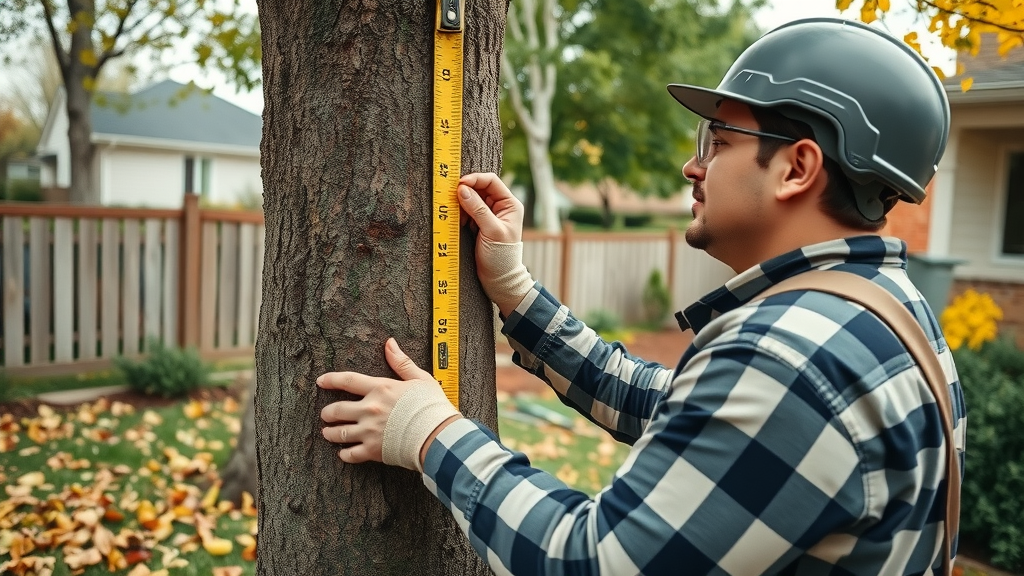
Professional arborist measuring tree in Denver backyard – assessing tree size and branches for removal cost Denver CO.

Denver Tree Removal Service: What’s Included in the Cost?

Many homeowners expect the tree removal cost to cover everything from start to finish, but it’s important to verify what your free estimate actually includes. Most reputable Denver tree removal services offer a tree inspection and written cost estimate after a site visit. The base price should include cutting down the tree and removing standard debris, but higher quotes may factor in labor-intensive debris clean-up and disposal—especially when large branches or heavy logs are involved.

Do you need stump grinding or stump removal? This is often an additional line item, not always included in the basic tree removal package. Don’t forget permits: In Denver, costs will increase if you need help handling municipal paperwork or complying with local regulations. Some services bundle permitting and regulatory compliance into their bid, making your project hassle-free but potentially more expensive upfront. Always ask for details when collecting estimates from local tree companies.

  • Tree inspection and cost estimate
  • Debris clean-up and disposal
  • Stump grinding or removal options
  • Permitting and regulatory compliance
Typical Tree Removal Cost Ranges in Denver CO
Tree Size Low Estimate High Estimate
Small (up to 30 ft) $200 $500
Medium (30–60 ft) $500 $1,100
Large (60–100 ft) $1,200 $2,500

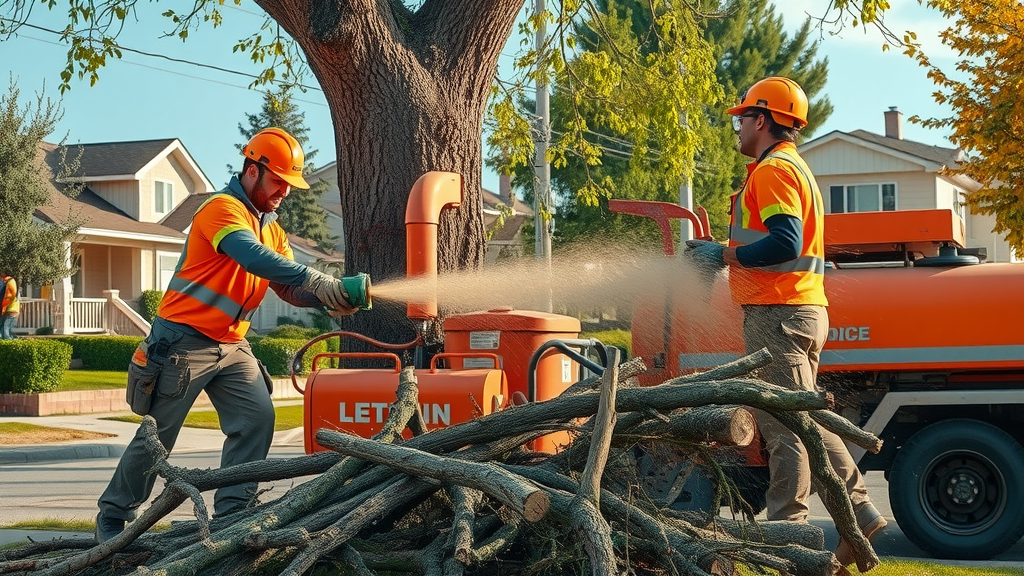
Professional tree removal service in Denver – crew using wood chipper to clear medium-sized tree, demonstrating removal cost and equipment needed.

Understanding the Cost of Tree Removal: Factors Unique to Denver CO

Tree removal cost Denver CO is heavily influenced by regulations specific to the city. Unlike some municipalities, Denver often requires permits for removing certain large or protected tree species, which can add paperwork, waiting time, and extra fees. Local guidelines also specify safety standards and may dictate whether debris can be left curbside, or if it must be hauled away by a licensed contractor, impacting the final removal cost.

Denver’s unique climate and position at high altitude lead to a diverse mix of tree species—from quick-growing cottonwoods to tough mountain pines. These species impact both the complexity and labor cost of removals. Additionally, the region’s weather—including quick temperature swings, strong windstorms, and occasional heavy snows—can make Denver tree removal especially challenging and sometimes urgent. All of these combine to create a landscape where tree removal costs aren’t just about size—they’re about species, risk, timing, and compliance with local ordinances.

  • Denver’s local regulations and permitting for tree removal
  • Climate, tree species, and regional differences in tree care
  • Impact of Denver’s altitude and weather on tree removal services

Professional Tree Removal Service in Denver CO: Getting a Cost Estimate

How to Request a Free Estimate from a Tree Service Provider

Getting a realistic tree removal cost estimate starts with a detailed conversation. When you contact a professional tree removal service in Denver, be ready with information: the size of the tree, exact location on your property, any known risks (like nearby power lines), and the outcome you want (full tree and stump gone, or just the main trunk removed). It’s smart to request a free estimate in writing—this ensures you can compare services and that all the work is clearly listed.

Ask for a breakdown that specifies if debris removal, stump grinding, or permitting is included. Don’t hesitate to clarify questions such as: “How are emergencies billed?”, “Is the crew insured?”, and “What happens if the job takes longer due to weather?” Comparing written estimates not only finds you the best price on tree removal services, it also reveals which companies are transparent and professional. Always keep these questions in mind as you shop around for tree care in Denver.

  • What information you should provide
  • Questions to ask for an accurate cost estimate
  • Comparing written estimates for tree removal costs

Denver homeowner getting a free estimate from professional tree removal service – reviewing clipboard and cost details.

Tree Removal Costs vs. Tree Trimming and Other Services

Many homeowners wonder about the difference between tree removal and tree trimming in Denver CO. Trimming typically involves removing selected branches to promote health or aesthetics, while removal is a full take-down of the tree and often carries a much higher price tag. Tree trimming costs in Denver usually run between $150 to $700 for a standard job, depending on tree size and complexity. In contrast, the cost of tree removal can be several times that amount, particularly for a large tree or one with accessibility challenges.

When choosing between services, consider your goals. If a tree care professional recommends trimming over removal, you could significantly reduce your out-of-pocket expenses, preserve landscape aesthetics, and avoid permitting requirements in certain cases. Evaluate if the condition of the tree truly necessitates full removal, or if targeted pruning or tree care will solve your issue for less.

  • Tree trimming vs. tree removal: What’s the difference in cost?
  • When to consider tree care or tree trimming instead of full removal

Tips for Saving Money on Tree Removal Cost in Denver CO

  1. Combine multiple tree removal or tree care services for discounts: Many providers offer package pricing if you have several trees removed or add in services like trimming or stump grinding.
  2. Ask about off-season pricing for removal cost savings: Winter and early spring are lower demand periods for tree services; companies may offer promotional discounts during these times.
  3. Get multiple estimates from professional tree removal companies: Prices can differ greatly; comparing 2–4 bids gives you negotiation power and helps ensure service quality.

Homeowner saving money on Denver tree removal cost – pays professional crew member in early spring with visible snow patches.

Expert Insights: Quotes on Tree Removal Cost Denver CO

“Homeowners are often surprised by the huge price range in tree removal costs; always get a detailed written estimate that includes cleanup and stump removal.” – Denver Tree Expert

Watch an overview of what to expect before, during, and after a tree removal job in Denver—including timeframes, costs, and cleanup.

Buyer’s Checklist: Choosing the Best Tree Removal Service Denver CO

  • License, insurance, and certifications for tree companies: Always verify your provider is fully insured and qualified to work in Denver for both your protection and liability.
  • Local experience with Denver tree removal regulations: Choose a company familiar with the latest local laws and permitting processes to avoid legal headaches and delays.
  • Customer reviews and past projects: Check for consistent, positive feedback online or request photos and references from recent tree removal or tree care work.

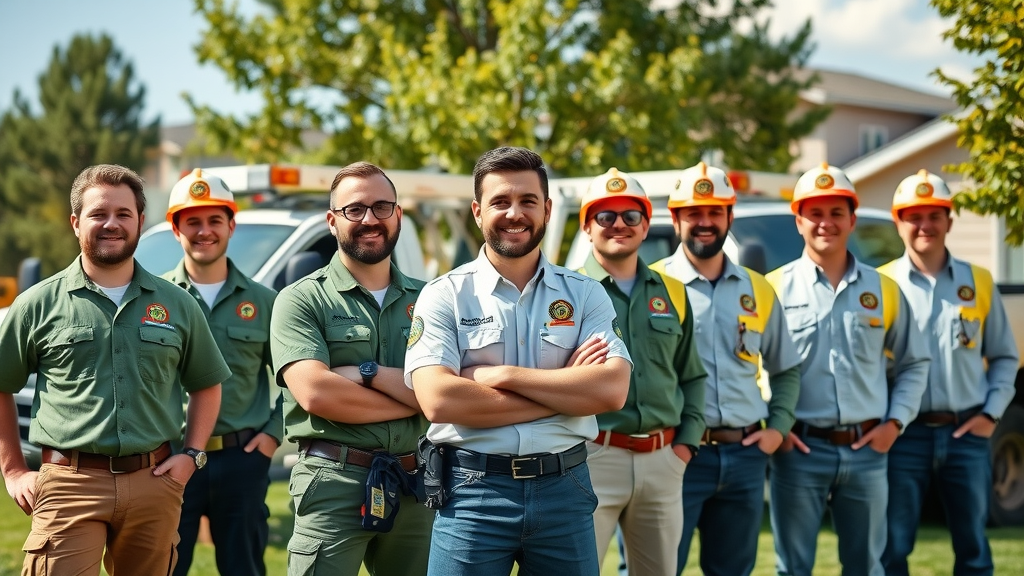
Professional tree removal service crew in Denver – uniformed team with equipment, credentials, and safety awards at jobsite.

People Also Ask: Tree Removal Cost Denver CO

How much does it cost to cut down a tree in Colorado?

In Colorado, tree removal costs vary by size, species, and location. For a small tree, expect $200–$500. A medium tree (30–60 ft) ranges from $500–$1,100, while large tree removal can go as high as $2,500 in urban areas like Denver. Prices fluctuate based on accessibility, hazards, and required equipment, so always get a direct cost estimate from your local Denver tree removal service.

How much should I expect to pay for tree removal?

The actual cost you should expect for removing a tree depends on whether it’s small, medium, or large; its condition; and its proximity to buildings or power lines. On average, tree removal cost Denver CO is $500–$1,100 for mid-sized trees, but complex jobs involving hazardous trees or cranes can cost much more.

What is the cheapest time of year for tree removal?

The most affordable time is generally during the off-season—late winter to early spring—when demand for tree services decreases. You’re more likely to receive discounts or flexible scheduling from professional tree removal companies in Denver.

How much to remove a 30 ft tree near me?

A 30-foot tree usually falls into the “small” category in Denver. Depending on species, accessibility, and whether stump removal is included, tree removal cost typically ranges from $200 to $500. Always request a free estimate locally for the most accurate price.

FAQs: Tree Removal Cost Denver CO

  • Does homeowner’s insurance cover tree removal cost in Denver CO?

    Most policies only cover tree removal if the tree fell due to a specific event (like windstorm or hail) and caused damage to structures or access paths. Routine tree removal for dead or hazardous trees is usually not covered.

  • Are permits required for tree removal service in Denver CO?

    In many cases, yes—especially for large or street-facing trees. Permitting requirements vary by jurisdiction, so consult your local Denver tree removal professional to ensure compliance and avoid fines.

  • How long does professional tree removal take in Denver CO?

    Most jobs take a few hours to a full day depending on the size of the tree, location, and scope of work (stump grinding adds time). Larger or more complex removals (e.g., involving cranes or multiple trees) may extend over multiple days.

Key Takeaways About Tree Removal Cost Denver CO

  • Tree removal cost Denver CO can vary widely; always get detailed estimates.
  • Local regulations and tree size significantly impact removal costs.
  • Choosing a reputable, professional tree removal service ensures safety and value.

Making the Right Choice: Start with a Free Estimate for Tree Removal Cost Denver CO

When it comes to tree removal in Denver, knowledge truly is power. Start your search for the right tree removal cost Denver CO with a transparent, written estimate from a local, licensed, and insured provider.

Sources

Understanding the costs associated with tree removal in Denver, CO, is crucial for homeowners planning such projects. The expense can vary significantly based on factors like tree size, location, and accessibility. For instance, removing a small tree (up to 30 feet) may cost between $150 and $450, while a large tree (60–80 feet) could range from $900 to $1,500. (denvertreetrimmingservice.com) Additionally, the average cost for tree removal in Denver is around $1,200, with prices ranging from $400 to $2,000, depending on the height and accessibility of the tree. (homeblue.com)

To gain a comprehensive understanding of these costs and the factors influencing them, consider exploring the article “Cost of Tree Cutting Service in Denver, CO” by Denver Tree Trimming Service. This resource provides detailed insights into average costs for various tree removal tasks, helping you make informed decisions. (denvertreetrimmingservice.com)

Another valuable resource is “Tree Removal Cost in Denver, Colorado” by HomeBlue. This guide offers an in-depth look at the factors affecting tree removal pricing, including tree height, accessibility, and local cost of living variations. (homeblue.com)

By consulting these resources, you can better anticipate the expenses involved and plan accordingly for your tree removal project in Denver.

Avoid Disaster—Licensed tree removal contractors Denver

John Egart Denver Tree Service 0 Comments
Three workers in safety gear and orange vests cut a large fallen tree in a suburban neighborhood, with houses and snow patches visible in the background.

Did you know: According to industry data, over 50% of uninsured tree services result in costly property damage or legal disputes for Denver homeowners each year. When it comes to safeguarding your property and family, entrusting your trees to licensed professionals isn’t just a smart option—it’s essential. In this comprehensive guide, discover how choosing licensed tree removal contractors Denver guarantees safety, compliance, and peace of mind while avoiding disastrous and expensive mistakes.

Safeguard Your Property with Licensed Tree Removal Contractors Denver

When trees threaten your property—whether due to disease, storm damage, or dangerous overgrowth—swift and professional action is critical. Choosing licensed tree removal contractors Denver is not just about checking a box. It’s about ensuring that experienced professionals handle everything from evaluation and permitting to safe removal and cleanup. Professional tree care teams carry comprehensive insurance, rigorous training, and up-to-date equipment, which protects both your home and your liability as a property owner.

Unlicensed or inexperienced tree companies often lack insurance and proper safety measures, risking not only your landscape but your financial wellbeing. Properly licensed contractors in the Denver area adhere to strict local and state regulations—minimizing accident risk and ensuring environmentally responsible disposal. With unpredictable Colorado weather and mature urban forests, selecting the right team can prevent disaster, maintain your curb appeal, and ultimately save you thousands in hidden costs and fines. Read on to discover why only licensed pros should ever touch your trees.

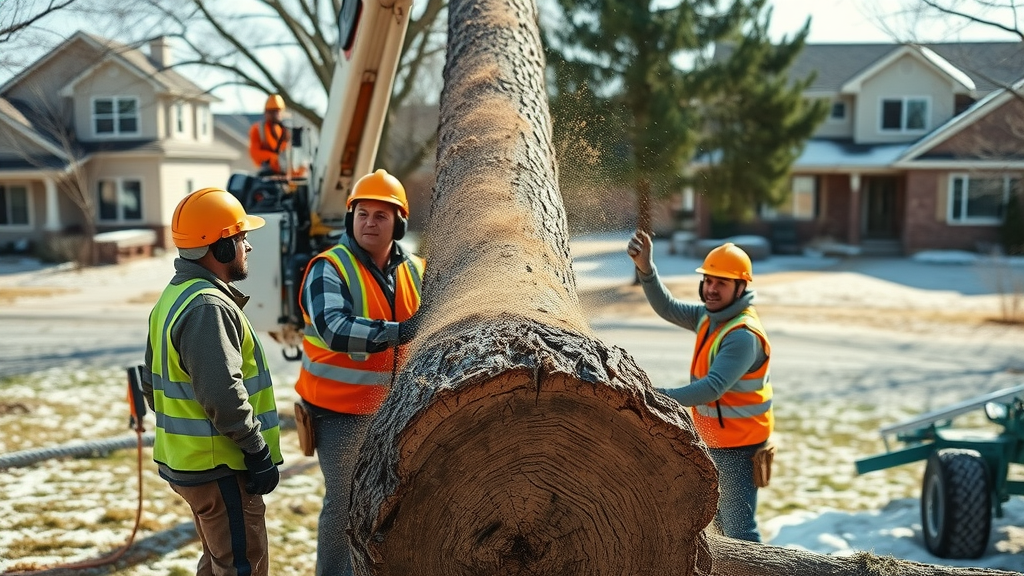
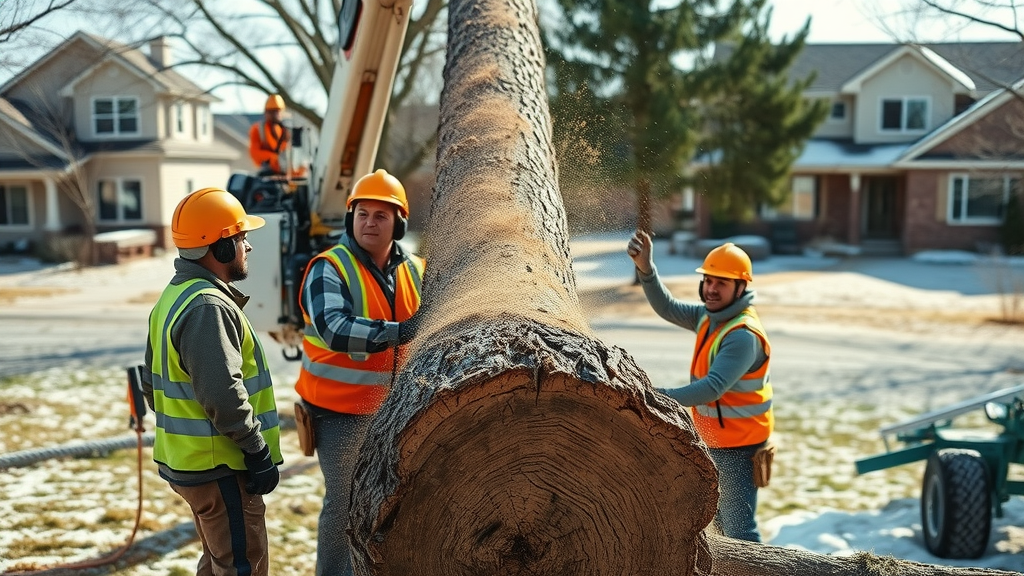
Professional tree removal team using crane in a Denver residential neighborhood, snow-dusted lawns, high-visibility vests, and sawdust flying—licensed tree removal contractors Denver

Why Choosing Licensed Tree Removal Contractors Denver Matters

The health and safety of your trees—and your home—relies on specialized knowledge, proper techniques, and adherence to city guidelines. Licensed tree removal contractors in Denver invest in ongoing training, updated safety certifications, and compliance with all local and state-level mandates. This dramatically reduces risks of property damage, injury, and fines. A licensed tree company will carry the appropriate insurance, shielding you from liability in case of accidental property or personal injury during removal.

Beyond avoiding accidents, professional contractors bring expertise in tree care that unlicensed competitors can’t match. They’re adept at handling everything from large-scale removals and storm-damaged trees to complex situations close to power lines or structures—protecting Denver trees while prioritizing your property’s long-term value. Choosing a licensed contractor isn’t an expense; it’s an investment in your safety, your landscape’s health, and your peace of mind.

Startling Fact: The True Cost of Unlicensed Tree Service in Denver

It’s tempting to save money with the lowest bidder for tree removal, but unlicensed operations carry significant hidden costs. Homeowners in Denver have faced property damage reaching tens of thousands of dollars—damage not covered by insurance when unlicensed or uninsured workers were involved. Further, Denver’s municipal code can levy steep fines for unpermitted or improperly performed tree services, putting you at risk of citation and costly legal fees.

Unlicensed tree services may lack the knowledge to assess tree health accurately, risking misdiagnosis or the removal of heritage or protected trees. Worse still, they may employ unsafe methods or inappropriate equipment, endangering your property and neighborhood. Only licensed Denver tree removal contractors ensure every phase complies with safety standards and city regulations—making your home and wallet safer in the process.

What You’ll Learn About Licensed Tree Removal Contractors Denver

  • The advantages of using licensed tree removal contractors in Denver
  • How to identify professional tree care providers
  • Cost factors for hire and why permits matter
  • Seasonal factors for affordable tree removal

Denver Tree Service: Understanding Local Regulations and Permits

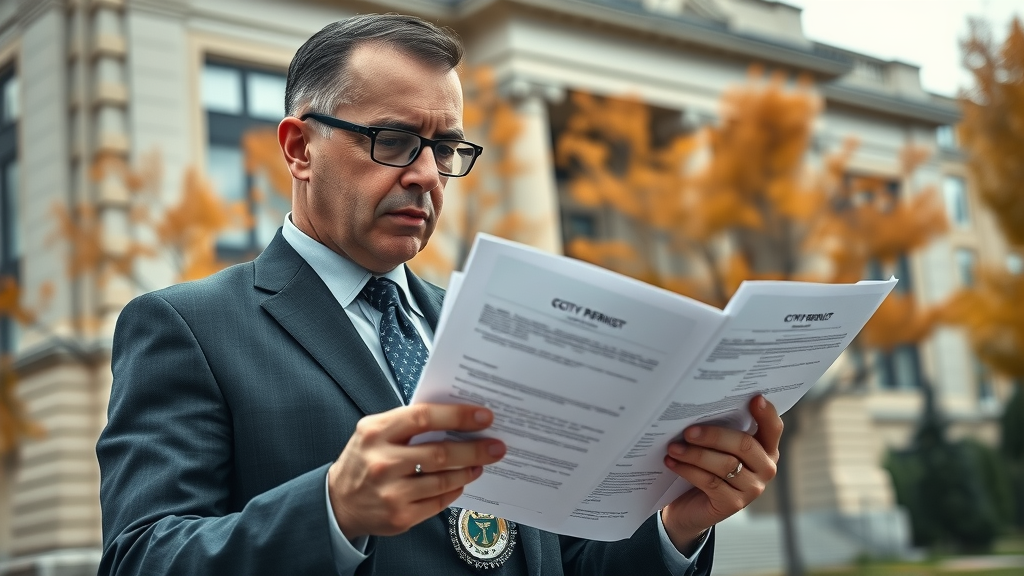
City official reviewing tree permits outside Denver city hall—regulations for licensed tree removal contractors Denver

Do You Need a Permit for Tree Removal in Denver?

If you’re looking to remove a tree—even one on private property—Denver’s municipal codes may require a permit, particularly for trees in the public right-of-way or if your property falls within a historic or protected district. Licensed tree removal contractors Denver are well-versed in city ordinances, guiding you through permit requirements and helping you avoid fines. The permit process ensures that healthy, valuable trees are protected and that all removals meet safety and environmental standards.

Licensed contractors can expedite permit acquisition, handling the paperwork and communications with the city on your behalf. This not only saves you time but also guarantees your project remains compliant, preventing unexpected stoppages or legal complications. If you’re uncertain about requirements, always ask your chosen Denver tree service company if permits are needed—they’ll be able to provide immediate, reliable guidance.

Navigating Denver Metro Area City Requirements for Tree Removal

Each Denver metro area city has distinct regulations regarding tree removal and replacement. For example, some municipalities require certified arborist assessments or proof of tree illness before approving removal. Licensed tree removal contractors have established relationships with local officials and understand the nuances of city-specific codes across the Denver metro area, ensuring your project isn’t stalled by red tape.

Being aware of local regulations also protects the greater urban canopy, ensuring only hazardous or unwanted trees are removed, while healthy ones remain to support neighborhood ecosystems. Denver residents benefit from hiring experts who prioritize local compliance, reducing your administrative burden and keeping your project on track.

Tree Removal Cost Guide: What to Expect When Hiring Licensed Tree Removal Contractors Denver

Comparison Table: Average Costs by Tree Size and Service Type in Denver
Tree Size/Service Type Average Cost (Low) Average Cost (High) Notes
Small Tree (under 30ft) $300 $750 Includes disposal; low risk
Medium Tree (30–60ft) $700 $1,500 Common for typical Denver yards
Large Tree (over 60ft) $1,200 $2,500+ Crane or specialty equipment required
Stump Grinding (add-on) $75 $300 Depends on diameter
Emergency Removal $1,000 $3,000 Storm damage or hazard response

How Much Does It Cost to Pay Someone to Remove a Tree?

Homeowner and tree removal expert in Denver discussing a written estimate for tree removal

Tree removal costs in Denver vary by size, location, and complexity, but hiring a licensed tree removal contractor Denver ensures you receive a transparent, binding estimate. On average, removing a small tree may cost as little as $300, while large, hazard-prone trees requiring cranes or emergency service could total up to $2,500 or more. Factors influencing price include tree height, diameter, proximity to structures or power lines, and urgency—especially following storms or property damage.

Hiring a professional also means you’re paying for thorough risk management: comprehensive insurance, meticulous safety protocols, debris removal, and city permit assistance. While the upfront investment may be more than what unlicensed competitors charge, you’re protected from out-of-pocket expenses due to accidents or fines—an essential safeguard for every Denver property owner.

Certified Arborists and Tree Care Companies: Ensuring Safety and Plant Health

Why Certified Arborists Are Essential for Denver Tree Service

Working with certified arborists isn’t just a value-add—it’s an assurance of expert tree care and safety. Certified arborists undergo extensive training in biology, risk assessment, disease identification, and proper removal techniques. Only a certified arborist truly understands the needs of Denver trees, from preservation to necessary removal, ensuring optimal outcomes and community compliance.

Reputable Denver tree service companies staff ISA-certified experts, keeping your landscape’s health and your liability top of mind. They also offer expert guidance on when removal is required versus when tree pruning or tree trimming may restore tree health. Trust their objective, science-based advice to help you preserve your investment and neighborhood ecosystem.

Plant Health and Tree Trimming: Comprehensive Tree Care for Denver Trees

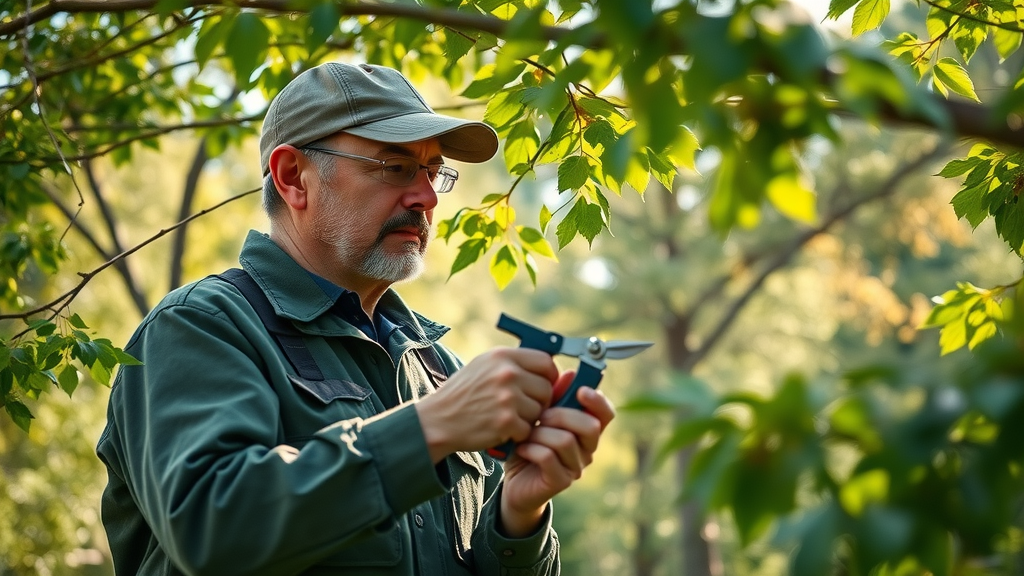
Certified arborist inspecting tree health and plant health care in a lush Denver park

Full-service tree care companies in Denver don’t just cut—they care. By hiring a licensed company with certified arborists, you gain access to holistic plant healthcare, including root watering, pest management, disease prevention, and strategic tree trimming. Proper care ensures trees and landscape longevity, lowers the risk of unexpected removals, and keeps your property’s value high.

Timely and expert tree maintenance reduces storm damage risk and prevents issues like root encroachment, while routine tree trimming and assessments encourage healthier, longer-lived trees. Look for companies offering plant health care programs tailored to Denver’s unique climate—you’ll benefit from a beautifully maintained property and lower long-term costs.

When’s the Cheapest Time of Year to Book Tree Removal Services in Denver?

Seasonal Factors: How Timing Affects Tree Service Costs

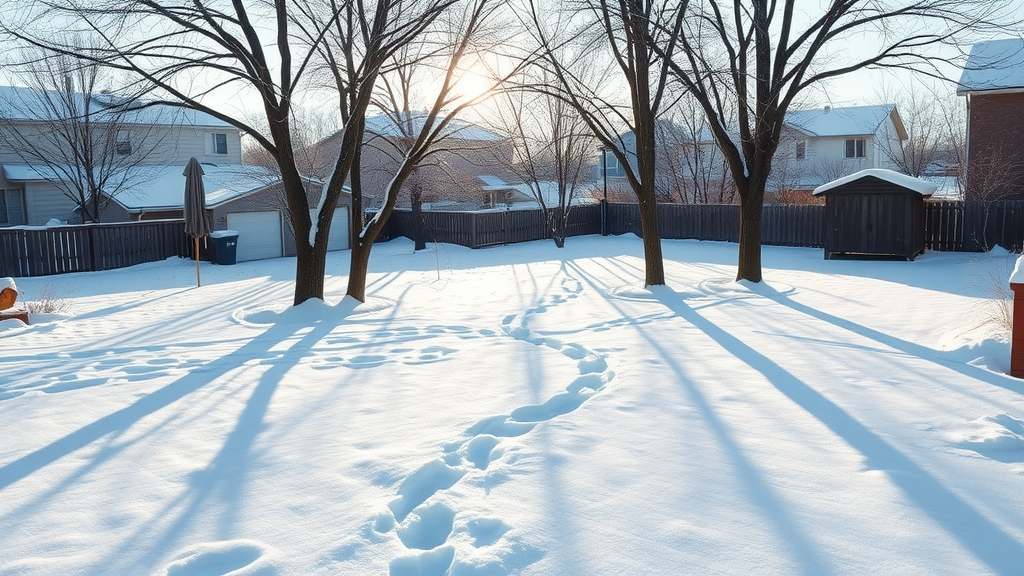
Denver suburban backyard in winter with bare trees ready for removal—licensed tree removal contractors Denver

The timing of your tree removal project in Denver can have a significant impact on your final invoice. During winter and early spring, demand for tree service drops, prompting many reputable companies to reduce rates or offer promotional discounts. Cooler temperatures and leaf-off conditions also allow for easier and safer access, particularly in complex yards or cramped urban lots.

Planning your project around this seasonal demand not only saves money but ensures you have your pick of the most experienced teams. Licensed tree removal contractors Denver often schedule large jobs during the off-season, passing savings on to homeowners and helping property owners get projects done before peak landscaping season. Remember to ask about special winter rates or bundled tree services for even better value.

How to Choose a Licensed Tree Service in Denver Metro

  1. Check for proper licensing and insurance
  2. Verify online reviews and testimonials
  3. Request a free estimate from the tree company
  4. Ask about certified arborist staff and plant health care options

Your due diligence matters! Always begin your Denver area search with a request for licensing documentation, active insurance, and verifiable references. A top-tier tree company will gladly provide proof and guide you through past tree care projects in the Denver metro area. Don’t forget to insist on a written, itemized free estimate covering every anticipated cost—this transparency is the sign of a reputable, customer-first business.

Beyond the paperwork, look for companies with certified arborists on staff who can answer your questions about plant health, tree safety, and seasonal timing. This expertise, coupled with a positive reputation, positions you for the best possible outcome and minimum risk.

Free Estimates from Licensed Tree Removal Contractors Denver

How to Get a Free Estimate for Your Tree Care Project

Booking a free estimate with a reputable, licensed tree removal contractor in Denver is quick and straightforward. Most services offer online or phone scheduling—simply provide your address, project details, and preferred appointment time. At your consultation, expect a thorough inspection of the tree(s) in question, evaluation of risks or hazards, and an expert breakdown of recommended action and pricing.

An honest company will explain all permit and safety requirements and include cleanup and disposal in your cost breakdown. Take this time to ask about their insurance, experience, equipment, and certified arborist qualifications. By comparing at least two or three Denver tree care companies, you’ll be empowered to choose the safest, most cost-effective team for your needs.

Watch a licensed tree removal crew safely cut, lower, and remove a large tree in a Denver neighborhood—demonstrating best practices and tidy cleanup.

People Also Ask about Licensed Tree Removal Contractors Denver

How much does it cost to pay someone to remove a tree?

Answer:Costs vary depending on the size, location, and risk associated with the tree. On average, Denver tree removal by licensed contractors ranges from $300 to $2,500. Complex extractions and emergency tree service may cost more.

Do you need a permit to cut down a tree in Denver?

Answer:In many cases, yes. Denver tree service companies help secure the necessary city permits for tree removal. Fines can be significant for unpermitted work.

What is the cheapest time of year for tree removal?

Answer:Winter and early spring are usually less busy, allowing tree care companies to offer better rates for services. Booking with a licensed tree removal contractor during these seasons can save money.

What is a tree contractor called?

Answer:A tree contractor is often referred to as a certified arborist, tree care specialist, or tree service company professional, especially in the Denver metro area.

Key Takeaways on Licensed Tree Removal Contractors Denver

  • Licensed contractors protect your property and your wallet
  • Certified arborists offer the safest and healthiest tree care
  • Proper permitting and seasonal timing reduce risk and cost

Frequently Asked Questions: Licensed Tree Removal Contractors Denver

  • Who regulates tree service companies in Denver?
    Denver’s Office of the City Forester oversees regulation and licensing of tree service companies operating in the city.
  • What should I ask before hiring a tree company?
    Ask for proof of license and insurance, references, a detailed estimate, whether they have certified arborists, and how they handle permits and debris.
  • How do I verify if a tree service is licensed in Denver?
    Check with Denver’s Office of the City Forester or request documentation directly from the company before committing.

Certified arborists share expert tips on tree health, seasonal care, and safety for Denver homeowners.

Expert Quote: ‘Hiring licensed tree removal contractors Denver guarantees work is performed safely, adhering to city regulations and protecting both your property and Denver trees.’ — Local Certified Arborist

Why Choose Our Licensed Tree Removal Contractors Denver for Your Next Project?

Expert Tree Removal—Contact the Top-Rated Denver Tree Service Pros Today!Expert Tree Removal

Your property deserves superior care—don’t settle for less. Our licensed tree removal contractors Denver combine top-tier training, cutting-edge equipment, and unwavering dedication to safety. From precision removals and emergency response to comprehensive plant health care, we deliver peace of mind and lasting landscape value. Get your free estimate today and discover why Denver metro homeowners trust us for reliable, certified, and affordable tree service in every season.

Conclusion

Don’t risk your property or wallet—always choose licensed professionals for tree removal in Denver and enjoy lasting safety and savings.

Sources

When selecting a tree removal service in Denver, it’s crucial to choose licensed contractors to ensure safety and compliance with local regulations. The City and County of Denver maintain a comprehensive list of licensed tree service companies, which can be accessed on their official website. (denvergov.org) This resource helps homeowners verify the credentials of potential contractors, ensuring they meet the city’s standards for tree care services.

Additionally, the Denver Office of the City Forester provides detailed guidelines on property owner responsibilities regarding tree maintenance. These guidelines emphasize the importance of hiring licensed professionals for tasks such as pruning and removal, highlighting the risks associated with unlicensed services. (denvergov.org) By consulting these resources, homeowners can make informed decisions and protect their property from potential hazards.

Affordable tree removal Denver: Don’t Overpay Again

John Egart Denver Tree Service 0 Comments
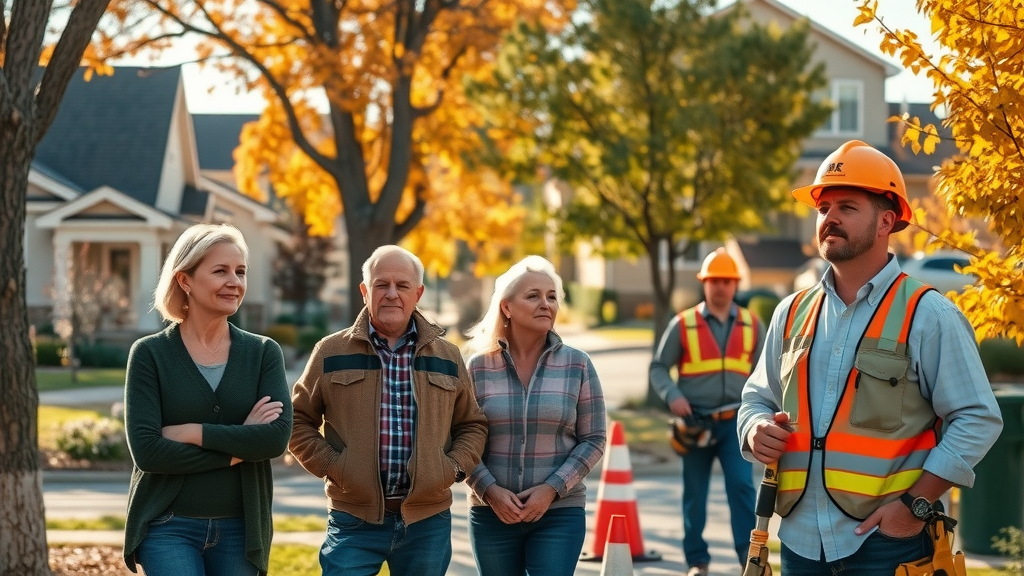
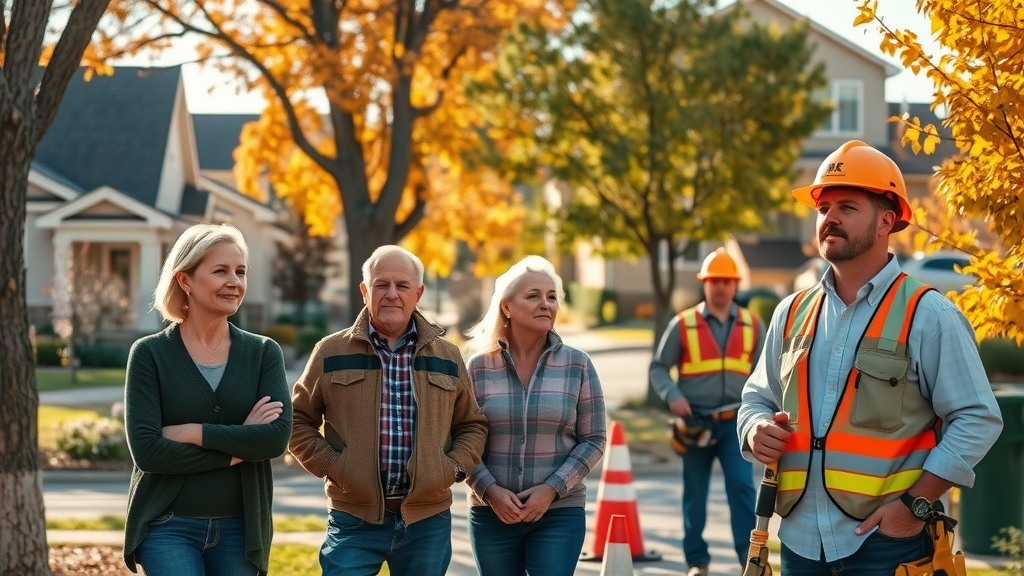
A group of three older adults stands on a residential street with autumn trees, watching construction workers in safety vests and helmets work near orange traffic cones. Houses are visible in the background.

Did you know that theaverage cost for tree removal in Denver can skyrocket above $2,000—leaving unprepared homeowners shocked and budget-drained? If you thought affordable tree removal in Denver was just a myth, think again! With the right strategy, you can access top-tier tree care, protect your property, and never overpay for expert service. This guide equips you with the insider knowledge, practical questions, and step-by-step insights needed to make the smartest choice for your home, your safety, and your wallet.

What You’ll Learn About Affordable Tree Removal Denver

  • Key factors affecting affordable tree removal Denver prices
  • Essential questions to ask local tree service companies
  • How to spot certified arborists for tree care and tree removal
  • Tips for safeguarding your Denver trees through professional tree removal

Inviting Denver residential neighborhood with mature trees and a professional tree removal crew preparing the work area - affordable tree removal Denver

Denver Tree Service: Startling Facts on Cost and Value

“The average cost of tree removal in Denver can range from $300 to over $2,000—a figure that surprises most homeowners seeking affordable tree removal Denver.”

  • Factors that impact the cost of tree removal in Denver
  • Understanding why prices vary among tree service providers
  • The role of certified arborists and professional tree care in safe tree removal

Navigating the Denver area tree removal market can feel overwhelming—prices seem to stretch from surprising bargains to jaw-dropping quotes, leaving many residents unsure where to even start. There are real reasons behind this: everything from the tree’s size and condition to its proximity to power lines can move the number on your estimate. Add in unexpected obstacles like storm damage or emergency tree service needs, and costs can escalate fast.

That’s why buyer intent matters. When seeking affordable tree removal Denver solutions, it pays to know what influences price, how to spot value (not just low cost), and what benefits certified arborists bring—safety, liability reduction, and expertise you can trust. In fact, trusted local tree care companies routinely outperform national chains in both pricing flexibility and customer satisfaction.

Understanding Tree Removal Costs in Denver

Factors That Affect Affordable Tree Removal Denver Pricing

  • Tree size and height
  • Location and accessibility
  • Complexity of the job (Denver area regulations, power lines, etc.)
  • Requirement for stump grinding and stump removal
  • Need for certified arborists

The cost of affordable tree removal Denver is more than just a flat fee for chopping down a tree. Tree height and the diameter of your Denver trees are crucial—bigger, older trees demand more labor, more safety precautions, and specialized equipment. Landscaping obstacles, proximity to homes or fences, and nearby power lines elevate the complexity—and therefore, the price—of any removal service.

Additionally, Denver’s city codes and local ordinances often require certified arborists for trees near sidewalks, power lines, or historic districts. If stump removal or stump grinding is needed, expect an add-on fee, as this requires different tools and expertise. That’s why requesting a detailed, written estimate puts you in control; it ensures you understand exactly what’s included, and prevents surprise costs after the chainsaws go quiet.

Denver Tree Removal Cost Breakdown Table

Service Type Average Cost (Denver) Notes
Tree Removal $300–$2,000+ Depends on tree size, location, and access
Stump Removal $75–$500 Extra charge; stump grinding often reduces cost
Tree Trimming $150–$800 Annual maintenance can prevent costly removal
Emergency Removal $500–$3,000+ Higher due to safety, urgency, and liability
Certified Arborist Consultation $50–$150 Often waived with contract; ensures tree health care assessment

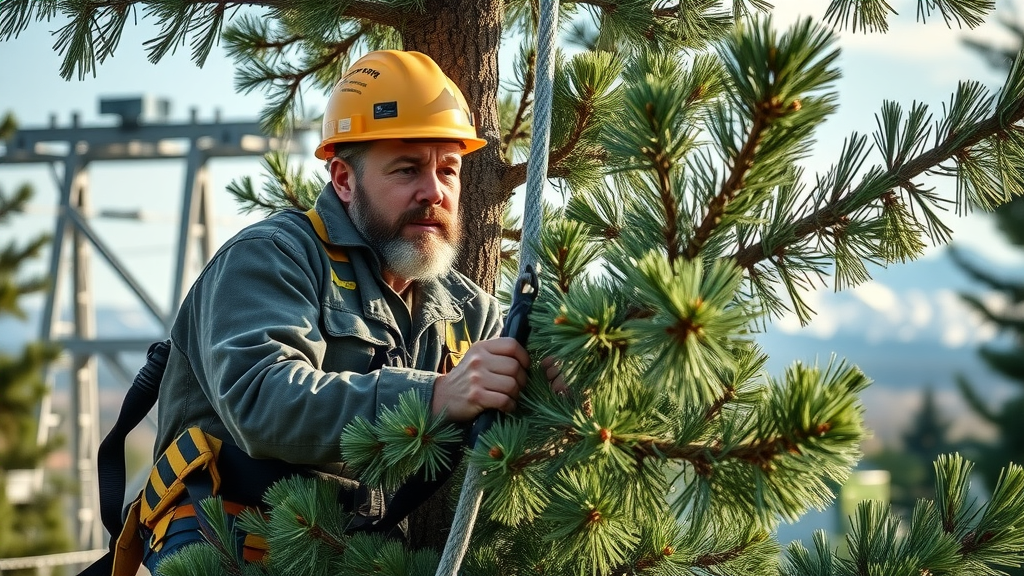
Certified arborist climbing a Colorado blue spruce in Denver backyard, showing professional tree care and affordable tree removal Denver

Key Differences: Professional Tree Service vs. DIY

Risks of DIY Tree Removal in Denver Trees

  • Safety concerns for homeowners
  • Risks to property and Denver area utilities
  • Legal and city compliance when cutting Denver trees

While it might be tempting to tackle tree removal in your own backyard, DIY tree cutting brings serious risks. Safety is the number-one concern: inexperienced homeowners often miscalculate cutting angles or fail to control falling limbs, resulting in personal injury or property damage even on average-sized jobs. The presence of nearby power lines or structures in the Denver area further elevates this risk.

Beyond physical dangers, there are legal implications too. Denver’s city ordinances can impose heavy fines for improper tree removal or damage to public property, especially if a tree borders public sidewalks or power infrastructure. DIYers often lack the liability insurance or knowledge of city compliance needed to avoid costly mistakes. In almost all cases, the most affordable—ultimately safest—route is engaging a certified arborist or professional tree service in Denver.

Benefits of Hiring a Certified Arborist for Tree Care

  • Insurance, liability, and peace of mind
  • Expertise in plant health care and tree pruning
  • Access to professional-grade equipment

Hiring a Denver-based certified arborist brings substantial value. Most reputable tree care providers carry full insurance coverage, protecting you from liability in the unlikely event of an accident. Certified professionals also excel at tree pruning and long-term plant health care, often helping you avoid future removal needs through expert diagnosis and proactive maintenance.

Professional crews use commercial-grade rigs, cranes, and safety gear—tools not typically available to homeowners. When you choose affordable tree removal Denver managed by certified arborists, you tap into years of experience, streamlined processes, and a safety-first mentality that protects your home, your Denver trees, and your loved ones.

Denver tree service crew with safety equipment vs. homeowner attempting DIY, illustrating the importance of professional tree care in affordable tree removal Denver

Choosing the Right Affordable Tree Removal Denver Company

Important Questions to Ask Tree Service in Denver

  • Are you fully insured and licensed for tree service?
  • Do you have certified arborists on staff?
  • Can you provide a written estimate for removal service?
  • What is included in your tree removal and stump grinding service?

If your goal is true affordable tree removal Denver, vetting your service provider is a must. Start by asking about insurance and licensing—both are non-negotiable for protecting your home. A company with certified arborists on staff will often deliver a safer, more comprehensive removal service, and can provide valuable health care insights and tree trimming advice for your entire property.

Always request—and compare—written estimates from multiple local tree service providers. Detailed quotes clarify what’s included: will they handle stump grinding, debris cleanup, and disposal, or is that extra? Will you receive advice on plant health care, or rush-job removal with little attention to your landscape? The best companies are fully transparent, never pushy, and always answer your questions thoroughly.

Checklist: Signs of a Trusted Tree Service Provider

  • Strong local reputation in Denver
  • Positive customer satisfaction ratings
  • Expertise in tree trimming, stump grinding, and removal service
  • Clear, competitive pricing for affordable tree removal Denver

When searching for a provider, look for a company with a deep-rooted presence in Denver, rather than a fly-by-night operator. High customer satisfaction ratings, positive online reviews, and a proven portfolio of tree trimming, tree care, and removal services build confidence. Transparent, competitive estimates—and a willingness to answer your questions—are hallmarks of a company that values your business, your property, and your peace of mind.

Welcoming Denver tree service team with branded trucks and safety gear, representing a trusted provider for affordable tree removal Denver

Best Seasons for Affordable Tree Removal Denver (and Maximizing Savings)

When Is Tree Removal Most Affordable in Denver?

  • Cheapest time of year for tree removal in the Denver area
  • How seasonality affects the availability of tree care services
  • Booking strategies for best price

You can secure the most affordable tree removal Denver rates by planning seasonally. The late winter months and early spring are considered the “off-season” in the Denver area: trees are dormant, and tree service demand dips, leading many reputable companies to offer discounts or bundle packages (such as combined tree removal, tree trimming, and stump removal). By avoiding the peak of summer storm cleanup or autumn’s last-minute removals, you gain negotiating power and scheduling flexibility.

Booking in advance is key—get your estimates before demand spikes, and ask about multi-tree or neighbor discounts. Professional tree care providers appreciate proactive, organized clients and may reward your forward planning with a better rate. Remember to confirm that your provider stays current with Denver’s plant health care requirements and is equipped to handle services during these cooler months.

Early spring morning in Denver park with workers prepping for tree removal - highlighting the affordable tree removal Denver off-season

Real Denver Homeowners: Tree Removal Reviews and Testimonials

“Hiring a professional tree service in Denver saved me time, money, and a major headache. The certified arborists made all the difference!”

“We found the right affordable tree removal Denver company by comparing estimates and checking for proper insurance.”

  • Summary of real customer experiences
  • How reviewers found cost-effective tree removal in the Denver area

Many Denver homeowners echo these sentiments. Satisfied customers consistently cite professionalism, great job completion, attention to detail, and the expertise of certified arborists as key reasons for choosing local tree services over DIY or bargain-basement options. By requesting multiple estimates and confirming insurance and credentials, they avoided expensive pitfalls and found lasting value for their trees and landscape.

Highly recommend checking online directories, local forums, and social media for real user experiences. You’ll find that trusted companies offer more than just affordability—they safeguard your property, deliver prompt removal service, and leave your yard cleaner and healthier than before.

People Also Ask: Affordable Tree Removal Denver

How much does it cost to pay someone to remove a tree?

The cost for affordable tree removal Denver typically ranges from $300 to $2,000, depending on tree size, location, and additional services like stump grinding. Always request a written estimate from your tree removal service.

What is the cheapest time of year for tree removal?

The cheapest time of year for tree removal in Denver is typically late winter or early spring, when demand for tree services is lower. Booking your job outside of peak seasons can result in more affordable rates.

How much does it cost to cut down a tree in Colorado?

Cutting down a tree in Colorado varies, with affordable tree removal Denver typically costing $500 to $1,500. Factors like accessibility and tree health care needs influence your quote.

What is the cheapest way to remove a tree?

The cheapest way to remove a tree often involves hiring a local tree service during the off-season or combining multiple services (tree trimming, stump removal) for a package discount. Avoiding DIY methods is recommended for safety and effectiveness.

FAQs: Affordable Tree Removal Denver

  • What should I look for in an affordable tree removal Denver company?
    Prioritize companies with local roots, certified arborists, complete insurance, positive reviews, and transparent, written estimates. Clear communication and customer focus are signs of a solid choice.
  • Is it worth paying for a certified arborist?
    Yes. Certified arborists bring professionalism, safety, and in-depth plant health care skills, often solving issues non-specialists might miss.
  • Do tree removal services in Denver include cleanup?
    Most reputable providers include debris removal and site cleaning after tree removal and stump grinding, but always confirm in your estimate.
  • Are permits needed for tree removal in Denver?
    Permits are sometimes required, especially for trees on commercial property, public land, or near sidewalks and power lines. Certified providers help navigate Denver’s regulations.
  • How long does the tree removal process usually take?
    The average job takes half a day to a full day, but complex removals, emergency tree service, or extensive stump removal can take longer.

Key Takeaways: Choosing Affordable Tree Removal Denver Service

  • Affordable tree removal Denver depends on company vetting, clear estimates, and understanding market factors
  • Certified arborists add value and safety to the tree care process
  • Timing your service can maximize savings
  • Always prioritize professional tree service in the Denver area for your trees’ health and your property’s safety

Ready for Expert Tree Removal in Denver?

For affordable tree removal Denver, trust only properly certified, well-reviewed providers. Secure your no-obligation estimate from Colorado Tree Service Pros and make your next tree service in Denver safe and cost-effective. Expert Tree Removal

Conclusion

Affordable tree removal Denver is possible—just make informed choices, compare estimates, and choose certified experts for safe, lasting results.

Sources

When seeking affordable tree removal services in Denver, it’s essential to understand the factors influencing costs and to choose a reputable provider. Tree removal expenses can vary significantly based on the tree’s size, location, and the complexity of the job. For instance, removing a small tree (up to 30 feet) may cost between $100 and $300, while larger trees (60 to 80 feet) can range from $700 to $1,100. (thelocaltreeexpert.com)

To ensure you’re getting the best value, consider obtaining multiple quotes from local tree service companies. It’s also crucial to verify that the company is licensed and insured, as this protects you from potential liabilities. Additionally, hiring a certified arborist can provide expertise in tree health and safety, ensuring the job is done correctly. (todayshomeowner.com)

Timing can also impact the cost of tree removal. Scheduling services during the off-season, such as late winter or early spring, may result in lower prices due to decreased demand. Planning ahead and discussing your needs with a professional can help you find the most cost-effective solution for your tree removal needs. (5280tree.com)

By understanding these factors and working with reputable professionals, you can achieve affordable and safe tree removal in Denver.