Did you know? Studies show that properties with well-maintained trees and shrubs can increase curb appeal by as much as 20%—and in Denver, CO, proper tree trimming and pruning are even more crucial due to unique climate challenges. Whether you’re new to tree care or seeking professional insight, mastering the art and science of tree trimming and pruning is the fastest way to protect your landscape’s beauty, health, and value. Read on to learn how to revitalize your yard and make your property the envy of the block.
Revealing the Impact: Fascinating Tree Trimming and Pruning Statistics in Denver CO
Tree trimming and pruning in Denver, CO, are more than seasonal chores—they’re critical investments in property health and safety. Approximately 90% of local homeowners report improved tree health after routine maintenance, and nearly 70% of Denver properties experience fewer storm-related tree issues with regular pruning. Maintaining your trees and shrubs not only prevents hazards, such as falling large branches or diseased limbs, but also increases your property’s market value. The unique combination of altitude, seasonal temperature swings, and semi-arid conditions in Denver demands a strategic approach for tree pruning and tree trimming.
These statistics highlight a compelling trend: Denver residents who invest in regular tree care benefit from reduced long-term costs and enhanced landscape aesthetics. In fact, properties with pruned trees sell faster and at higher prices—a clear incentive for both homeowners and real estate investors. Whether you’re dealing with fruit trees, deciduous trees, or sprawling evergreens, understanding trimming and pruning best practices can make the difference between a landscape that thrives and one that struggles in Denver’s dynamic climate.
How Tree Trimming and Pruning Drive Property Value and Curb Appeal
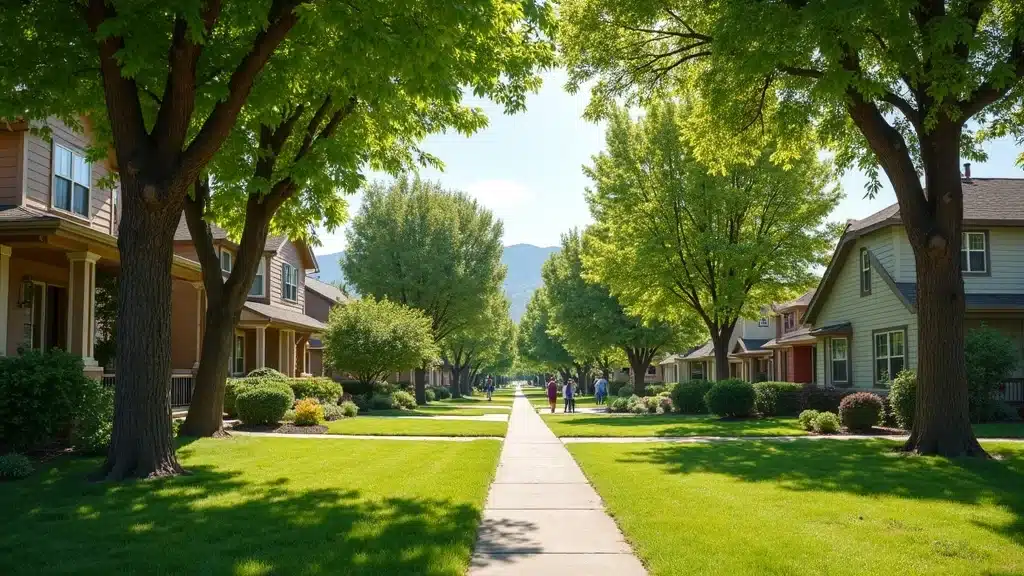
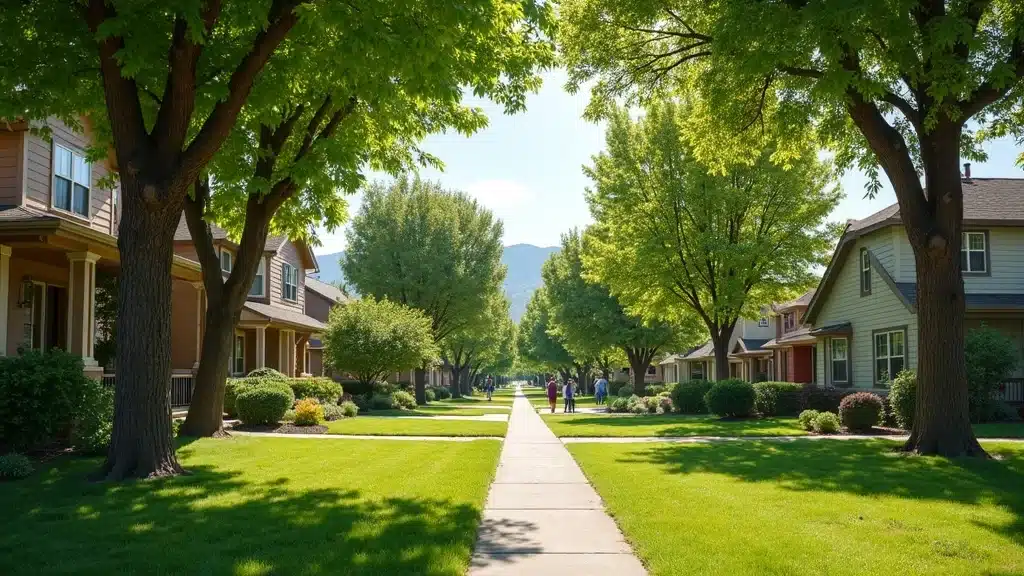
First impressions matter, and nothing enhances curb appeal like healthy, vibrant trees and shrubs. Tree trimming shapes trees to complement landscape design while tree pruning removes dead or diseased branches that can make any property appear neglected. Studies show that tree care, specifically regular pruning cut techniques and annual tree trimming, results in fuller canopies and stronger growth for young trees and large trees alike.
Homes with mature trees that are properly maintained attract potential buyers and renters who value both appearance and safety. A pruned tree lets in more light, opens up views, and showcases beautiful Denver architecture and mountain backdrops. Proper tree care also prevents broken branches from causing damage during Denver’s frequent late winter and early spring storms. By investing in routine tree trimming and pruning, you protect your home’s value and amplify your landscape’s beauty for years to come.
What You’ll Learn About Tree Trimming and Pruning
- Key differences between tree trimming and tree pruning
- Best timing and techniques for effective tree care
- Benefits of hiring certified arborists
- Essential tools and safety practices
- How to identify when your trees and shrubs need attention
Understanding the Basics: Tree Trimming and Pruning Defined
Tree trimming and pruning are often used interchangeably, but they serve distinct purposes within comprehensive tree care. Tree trimming focuses on enhancing shape, growth, and appearance, making it ideal for aesthetic maintenance and controlling the growth of trees and shrubs. On the other hand, tree pruning is essential for health, safety, and growth—it involves removing damaged, diseased, or dead branches to promote vigorous development and reduce risks.
Denver’s diverse landscape includes fruit trees, flowering trees, large trees such as maples and oaks, and ornamental shrubs, all with unique needs. Effective tree care means understanding when to prune a tree, the biology of branch collar and lateral branch growth, and how to make a proper pruning cut. Adopting proven trimming and pruning methods can improve your trees’ health and ensure your yard remains safe and beautiful across seasons.
Tree Trimming vs Tree Pruning: What Sets Them Apart?
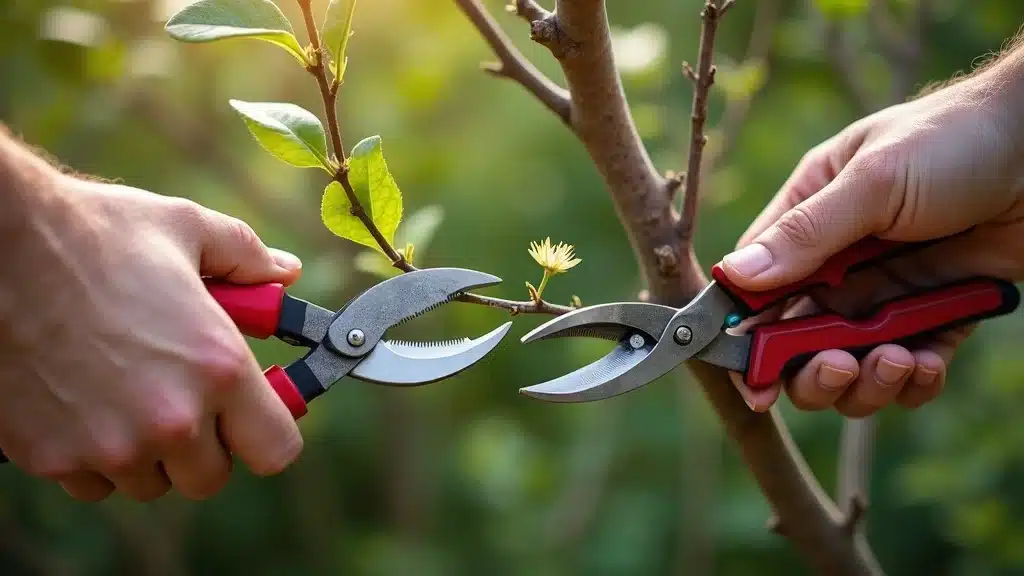
While both tree trimming and pruning cut techniques contribute to landscape health, they have different objectives and methods. Tree trimming is performed to maintain desired size, shape, and density, preventing trees and shrubs from encroaching on walkways, power lines, or structures. This typically involves shaping small branches and light thinning, which is important for maintaining attractive landscaping in tight Denver neighborhoods.
Tree pruning, by contrast, targets the removal of diseased branches, large branches at risk of failure, broken branches, and non-productive wood from fruit trees. This process boosts trees health, prevents pests and disease, and increases airflow through the canopy. The difference is subtle but important: trimming is for form, pruning is for function. Employing both ensures your trees and shrubs are both attractive and resilient in Denver’s challenging environment.
Why Are Tree Care Practices Crucial for Denver CO Properties?
Denver’s unique climate patterns—marked by sudden temperature shifts, late winter snow, and intense summer sun—demand proactive tree care. Trees and shrubs that receive regular trimming and pruning fare better during extreme weather and are less susceptible to pests, disease, and storm damage. When property owners ignore tree care, they risk costly problems, including dangerous falling large branches, limb breakage, or tree loss, especially among young trees and large trees.
Routine tree care contributes to the longevity and vigor of Denver’s urban canopy. Skilled maintenance, such as proper pruning cut close to branch collar, minimizes injury and accelerates wound recovery, while unsanitary cuts can introduce disease. By prioritizing regular and season-appropriate tree care, residents in Denver ensure their landscapes continue to thrive—serving as shade, windbreaks, and aesthetic enhancements for decades.
The Science of Tree Pruning: How Proper Techniques Benefit Health and Growth
Successful tree pruning isn’t a quick snip—it’s a science that balances tree physiology and safety. Every cut made on a tree is an entry point for pests and disease, so knowing where, when, and how to prune a tree is vital for optimal results. Pruning during the dormant season—especially late winter to early spring—limits sap loss, reduces pest attraction, and primes trees for vigorous spring growth. This timing is especially important for deciduous trees and many fruit trees commonly found in Denver.
Correct tree pruning techniques include identifying the branch collar, making a clean final cut just beyond this area to promote rapid healing, and never leaving stubs or cutting flush to the trunk. Whether tackling large branches on big maples or shaping young flowering trees, following expert guidance reduces damage and maximizes each pruned tree’s growth potential. When in doubt, consult a certified arborist to ensure safety and lasting results.
The Anatomy of a Good Pruning Cut: Protecting Large Branches
Every pruning cut, especially on large branches, should be executed with precision to avoid causing unnecessary injury to your trees and shrubs. The ideal pruning cut starts by locating the branch collar—the slightly swollen area where the branch meets the trunk or a main lateral branch. For large branches, employ the three-cut method: first, make a small undercut to prevent bark tearing, then a top cut several inches farther out to remove the weight, and finally, a clean cut just outside the branch collar to finish the job.
Leaving the branch collar intact allows the tree to compartmentalize the wound efficiently, reducing the chance of disease or decay. Using sanitized, sharp tools for each cut—whether on large trees or small shrubs—is crucial. Never rush the process, and avoid pruning during active growth unless absolutely necessary for removing dead or damaged branches. This attention to detail is what separates a thriving, healthy tree from a stressed or injured one in Denver’s demanding environment.
Certified Arborists’ Guidelines for Tree Trimming and Pruning
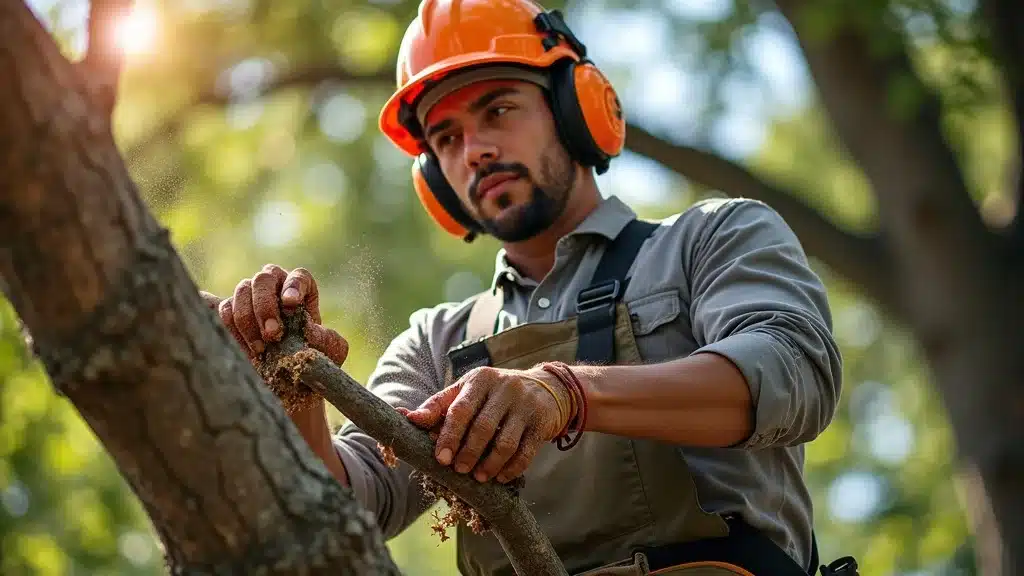
Certified arborists in Denver bring years of experience and specialized training to every tree care job. They follow professional guidelines, such as the ANSI A300 standards, to ensure each pruning cut reinforces tree health, structural integrity, and landscape aesthetics. Certified arborist recommendations include using the right tool for each branch size, timing maintenance to fit Denver’s unique seasons, and focusing on removing dead, diseased, damaged, or crossing branches first.
Hiring a certified arborist safeguards both your trees and property values. Experts know when to avoid risky cuts, how to properly support large branches during removal, and the best ways to promote healthy regrowth. As summed up in the words of a seasoned local:
“Proper tree trimming and pruning not only enhances the vigor and safety of your trees and shrubs, but also shields your landscape from costly future damages.” – Certified Arborist in Denver
Top Tree Trimming and Pruning Tips for Denver’s Climate
Caring for Denver’s diverse tree population requires careful attention to species, timing, and technique. Each tree variety—maples, oaks, ash, evergreens, and flowering trees—has specific trimming and pruning needs. Factors like drought resistance, sun exposure, and growth habits must inform every cut. For example, over-pruning during active growing season can stress large trees, while pruning fruit trees too late in spring can limit fruit production.
To minimize impact, always consider regional best practices such as prioritizing the dormant season for structural cuts and making lighter trims during early spring or mid-summer for shape or pest control. Pay special attention to injury prevention on large branches and trunk wounds, and keep tools clean to avoid spreading disease between trees and shrubs. Proactive, thoughtful care fosters resilience and sustained beauty throughout Denver’s changing weather cycles.
- Identify Denver’s regional tree species and their unique needs
- Consider drought resistance when trimming and pruning
- Minimize injury to large branches and trunk
- Follow season-specific best practices
| Month | Best Tree Trimming and Pruning Activities | Suitable Tree Types |
|---|---|---|
| January-March | Structural pruning | Maples, Oaks, Ash |
| April-June | Light shaping | Flowering trees, Shrubs |
| July-September | Pest control trims | Evergreens |
| October-December | Deadwood removal | All species |
Essential Tools and Equipment for Tree Trimming and Pruning
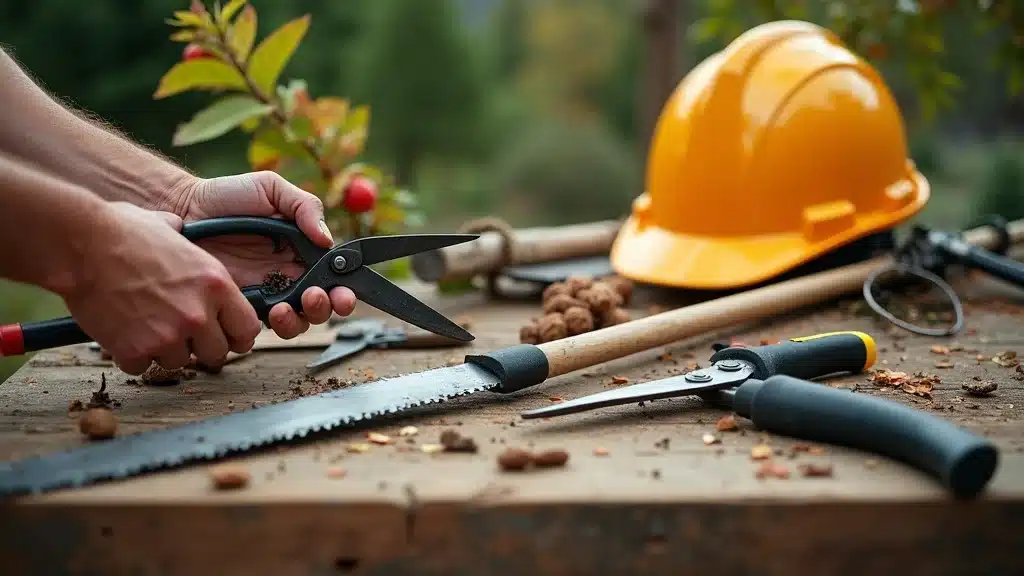
No tree trimming and pruning job can be done well—or safely—without the right tools and equipment. For homeowners and professionals in Denver, the basics should include bypass pruners, loppers for thicker branches, handsaws for large branches, and a quality pole saw for reaching high limbs. Personal protective equipment like gloves, safety glasses, and helmets are equally vital, especially when dealing with mature or large trees susceptible to falling or broken branches.
Regular cleaning and sharpening of equipment prevent disease transmission and help make clean, precise cuts. Even the best tools require knowledge—understanding when to use a pole saw versus manual pruners, or when to call in specialized machinery for especially large or inaccessible trees, is key to successful, safe tree care. Investing in the right gear protects both your landscape investment and your personal safety in every Denver yard.
Must-Have Tree Care Tools for Homeowners and Professionals
Arming yourself with essential tree care tools is the first step toward achieving healthy and visually striking trees and shrubs. Key items include bypass hand pruners—perfect for precise cuts on small shoots—sturdy loppers for handling medium branches, and a reliable pruning saw for large branches or thick, woody stems. Professionals may also employ pole saws or chainsaws for high or oversized cuts. Safety should never be compromised: helmets, non-slip gloves, goggles, and harnesses are necessary when reaching high limbs or working with power equipment.
Using sanitized tools for every trim or pruning cut is just as important as technique—dirty blades can spread pests and disease between branches or even from tree to tree. Periodic maintenance, such as oiling moving parts and inspecting for blade nicks or wear, is key to extending the lifespan of your investment and enhancing each final cut’s quality. Whether you are maintaining young trees or shaping mature specimens, the right equipment gives you confidence and control for every tree care task in Denver.
Safety Precautions When Trimming Large Branches and High Limbs
Tree trimming and pruning can be dangerous, particularly when dealing with large branches, high limbs, or dense canopy growth that may obscure structural risks. Always assess the work area and the condition of your trees and shrubs before starting. Use stable ladders or professional-grade harnesses, and never attempt to prune or remove large branches directly above power lines or structures—leave those jobs to certified arborists for your safety and peace of mind.
If you must prune a tree with difficult access, have a partner on site and communicate every step before starting. Wear the proper protective gear, survey for broken branches, and pace yourself—fatigue leads to accidents. Avoid working in windy or wet conditions, which can increase the risk of slipping or branch movement. Following proper safety protocol is essential for every tree trimming and pruning job in Denver, regardless of property size.
When Should You Call a Certified Arborist for Tree Trimming and Pruning?
While many tree trimming and pruning tasks can be handled by dedicated homeowners, certain situations call for the expertise of a certified arborist. If you notice dying or diseased branches high in a tree, severely overgrown trees and shrubs, or major storm damage, it’s time to get professional help. Certified arborists can properly assess tree health, safely remove large branches or correct previous improper cuts, and advise on the best care regimen for each species thriving in Denver.
Certified arborists employ advanced knowledge to prevent injury to both trees and people. They have specialized equipment for tough jobs, such as rigging systems for controlled branch removal. Professional tree care is particularly important for valuable, mature specimens or when planning structural changes in your landscape. Their expertise ensures your property remains beautiful, safe, and primed for growth—season after season.
Signs That Professional Tree Care Is Needed for Your Trees and Shrubs
Certain warning signs mean it’s best to leave tree care in expert hands: severe disease, large or hanging broken branches, unexplained dieback, or sudden changes in leaf color and growth pattern. If your tree’s trunk develops cracks, splits, or decay, or if dense overgrowth makes it impossible to see the branch structure, a certified arborist is your safest bet. Common issues in Denver include root damage from drought, pest infestations, or extensive storm stress which all demand specialized intervention and technique.
Regular, proactive inspection of your trees and shrubs helps catch problems early, but don’t hesitate to consult a professional if you are unsure how to prune a tree, can’t reach high branches, or have safety concerns. Certified arborists are trained to diagnose, treat, and protect Denver’s urban forest, preserving both the integrity and value of your landscape.
Benefits of Hiring a Qualified Tree Trimming and Pruning Specialist in Denver CO
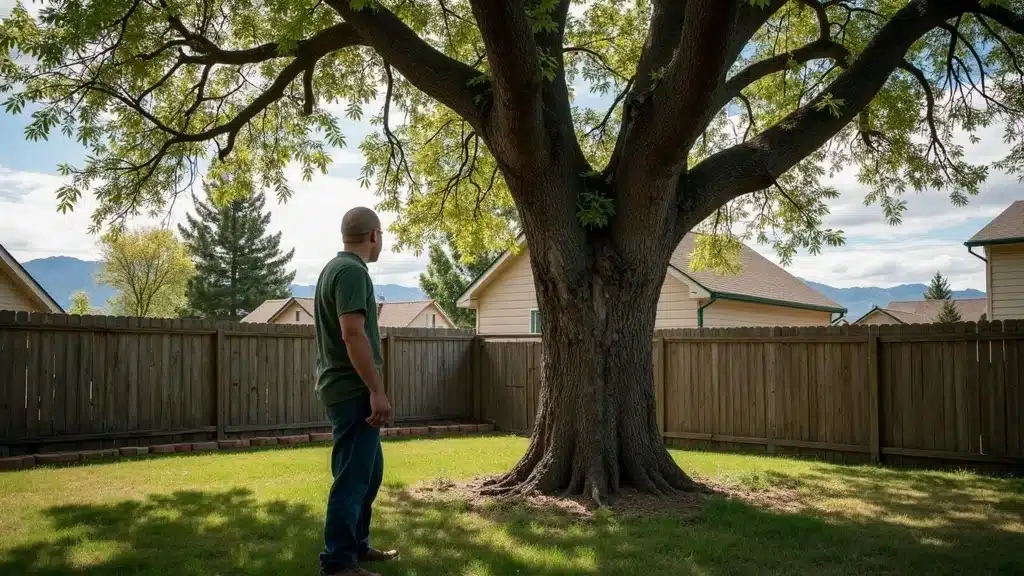
There are concrete benefits to entrusting your tree care to certified professionals. Certified arborists offer advanced knowledge of species-specific needs, execute impeccable pruning cut techniques on large branches, and have access to advanced equipment for jobs too risky or complex for DIYers. They assess the overall health of all trees and shrubs, create proactive care plans, and help protect your property from hazards like falling large branches or pest outbreaks common across Denver neighborhoods.
By hiring a specialist, you also gain access to their network for additional services—such as tree removal, pest control, or soil amendments—ensuring that your entire yard, from young trees to mature maples, receives the best possible care. In the long run, investing in professional tree trimming and pruning saves money by preventing costly property damage, extends the life of your landscape, and keeps your home looking its best year-round.
People Also Ask: Key Questions About Tree Trimming and Pruning in Denver CO
What’s the difference between tree trimming and tree pruning?
Tree trimming focuses on maintaining shape and controlling overgrowth, improving the aesthetic appeal of trees and shrubs. In contrast, tree pruning is directed toward health and safety, removing dead, diseased, or damaged branches to encourage vigorous growth and prevent hazards. While both are important, pruning requires greater precision for trees’ health, especially when dealing with large branches or structural issues, and should be performed following established tree care guidelines.
What are the 5 rules of pruning trees?
The five core rules of pruning trees are: 1) Prune during the dormant season for most trees, 2) Always cut just outside the branch collar, 3) Remove dead, diseased, or damaged branches first, 4) Never over-prune or wound large branches unnecessarily, and 5) Use clean, sharp tools for every pruning cut. Adhering to these basic rules helps keep trees healthy, minimizes injury, and promotes strong regrowth, especially important for Denver’s climate.
What month are you supposed to trim trees?
The best time for tree trimming and pruning in Denver is typically from late winter to early spring. This season allows trees to heal quickly and reduces the risk of pest infestation, particularly for deciduous trees and most fruit trees. Light maintenance, such as shaping and pest management, can be done during the growing season, but major pruning cuts should always be reserved for dormancy to protect the health of your trees and shrubs.
Is it worth hiring a professional tree trimmer?
Hiring a certified arborist or professional tree trimmer is well worth the investment, especially for large trees, overgrown branches, or when safety is a concern. Professionals bring experience, insurance, proper tools, and a keen understanding of species-specific needs. They perform each pruning cut with care, reducing the risk of damage to your property, trees, and personal safety, making the cost of hiring a pro a wise long-term decision in Denver’s unique environment.
Common Tree Trimming and Pruning Mistakes to Avoid
Inexperienced tree trimming and pruning can cause lasting harm, so it’s essential to avoid common mistakes. The most frequent error is over-pruning or topping trees—removing too much canopy at once can weaken trees, make them vulnerable to pests and disease, and cause poor regrowth patterns. Ignoring the support of large branches and removing them without proper technique can create large wounds that compromise structural integrity.
Other pitfalls include using unsanitized tools—spreading diseases from one pruning cut to the next—and making cuts at the wrong time of year, especially during active growth periods, which can stress trees. To protect the long-term health and aesthetics of your trees and shrubs, always follow expert guidelines or consult a certified arborist.
- Over-pruning or topping trees
- Ignoring large branch support
- Using unsanitized tools for tree care
- Incorrect timing of cuts

FAQs on Tree Trimming and Pruning for Denver CO Homeowners
- How often should tree trimming and pruning be done?
Routine tree trimming and pruning should occur at least once a year for most species, with additional checks after storms or pest outbreaks. High-maintenance trees and shrubs, like flowering or fruit trees, may need more frequent care. - Do shrubs require the same methods as large trees?
Shrubs benefit from similar basic principles but usually require lighter, more frequent trims to maintain density and promote blooms. Always tailor timing and technique based on the plant’s growth cycle. - Can tree trimming and pruning help prevent storm damage?
Yes, proper maintenance removes weak or dead branches, reducing the chance they break and cause property damage during Denver’s notorious storms. This is crucial for large trees adjacent to structures or walkways. - Is there a difference in tools used for tree care versus shrub maintenance?
While there’s overlap (such as handheld pruners), larger tools like saws and pole pruners are reserved for trees, whereas shrubs are often managed with shears or loppers for finer, more controlled cuts.
Video Guide: Step-by-Step Tree Trimming and Pruning Techniques for Beginners
Key Takeaways for Effective Tree Trimming and Pruning in Denver CO
- Proper tree trimming and pruning maintain landscape health and beauty
- Hiring certified arborists ensures safety and expertise
- Seasonal timing is crucial for tree care effectiveness
Ready to Transform Your Yard? Schedule Expert Tree Removal in Denver CO
If you’re ready to refresh your landscape, don’t put your property at risk—contact local certified arborists for expert tree removal in Denver CO and enjoy healthy, beautiful trees year-round.
Conclusion
Smart, seasonal tree trimming and pruning protect your Denver landscape, boost value, and ensure every tree and shrub stays healthy and stunning. Start caring for your yard today.
Sources
- ISA Arbor – https://www.isa-arbor.com/
- Colorado State University Extension – https://extension.colostate.edu/
- USDA Plants Database – https://plants.usda.gov/
- Colorado Tree Service Pros – https://www.coloradotreeservicepros.com/
Tree Service for Denver CO – Colorado Tree Service Pros provides in-depth information on professional tree trimming and pruning services tailored to the unique climate and tree species found in Denver, ensuring homeowners receive expert guidance for maintaining healthy, safe landscapes. Additionally, the John Egart’s Tree Service Facebook Page offers practical tips, local industry updates, and real-world examples of successful tree care projects, helping you visualize best practices in action. If you’re serious about mastering tree trimming and pruning in Denver, these resources will give you trusted professional insight and up-to-date community knowledge.