

Did you ever look at a towering tree in your Denver yard and wonder—if that thing falls, am I paying or is my insurance picking up the tab? Does insurance cover tree removal in Denver? What homeowners need to know may surprise you. Let’s shake out the facts, because the answer could save you thousands—if you’re prepared.
Are You Really Covered? Demystifying Insurance for Tree Removal in Denver
“Falling trees can cause more than yard work—they can leave you wondering if your wallet or your insurer will take the real hit.” – Denver Insurance Advisor
Understanding whether your homeowners insurance will cover tree removal after an unexpected event in Denver is not as straightforward as you might think. While you may see that mammoth tree fell after a storm and hope your insurer grabs their checkbook, the truth is, insurance coverage often hinges on a complex mix of circumstances. Your policy includes specific scenarios—called covered perils—where the insurance company takes action. Damage caused by storms, fire, or vandalism stands a higher chance of being covered, but those pesky exclusions can sneak up and leave you stuck with the bill. Knowing exactly when your homeowners insurance steps in (and when it gingerly steps aside) helps you avoid nasty surprises after a tree damages your home or yard. Let’s dig through the Denver dirt to separate coverage fact from fiction, so you’re not left stumped if disaster (literally) strikes.
What You’ll Learn in This Guide to Does Insurance Cover Tree Removal in Denver
- When homeowners insurance covers tree removal in Denver—including tree damage, tree removal, and fallen trees
- The differences between home insurance, homeowners insurance, and special insurance cover for tree removal
- Exclusions and limitations in Denver insurance coverage
- Cost factors and tips for insurers and contractors
- How to check your policy and the claims process
Understanding Homeowners Insurance and Tree Removal Coverage in Denver
How Does Homeowners Insurance Cover Tree Removal in Denver?
Let’s face it, Mother Nature is unpredictable, and Denver’s climate can make tree falls a real concern. Most homeowners insurance policies in Denver offer coverage for tree removal when a tree damages an insured structure (like your home, garage, or fence) as a result of a covered peril. These perils often include windstorms, lightning strikes, fire, or even those random meteorological events that make Denver weather famous. If a tree fell onto your property due to a windstorm and it squashed a structure on your property, chances are the insurance cover is in play.
However, don’t go celebrating just yet! The magic disappears if the tree collapses out of neglect or disease, or simply lands in your yard without hitting anything valuable. In these “whoops, but nothing broke” scenarios, your insurance coverage usually won’t pay for costs of removing a tree unless there’s damage to a covered building or blocks access to your driveway. It’s crucial to review your homeowners insurance policy (preferably before the next blizzard or summer hailstorm) and get clarification from your agent—so you’re never caught off guard at claim time.

Key Terms: Home Insurance, Insurance Cover, and Covered Perils Explained
Insurance lingo can sound like a foreign language, but mastering a few key terms will make deciphering your policy includes section much easier. Home insurance and homeowners insurance are often used interchangeably, but both refer to policies that may cover tree removal when a covered peril is involved. A covered peril is any risk specifically named in your policy—think fire, wind, lightning, or vandalism. If the tree falls due to something not listed (like age or rot), you’re likely not covered.
The phrase insurance cover refers to what your insurer is willing to pay for, while tree damages covers the harm caused by fallen trees. Understanding the difference between tree damage (harm to your home or other insured structures) and tree removal (the actual cost of hauling away the debris) is important, as insurance pays for each differently. Finally, “debris removal” is another essential term; insurers may reimburse for clean-up costs if the damage caused by the fallen tree is covered. A quick policy check and some insurance-speak know-how can be the difference between a covered loss and an out-of-pocket headache.
Tree Damages vs. Tree Removal: What’s the Difference in Coverage?
Let’s split some hairs, Denver-style: tree damage refers to harm done to your house, garage, or other structure on your property by a fallen tree. When a tree falls and damages your roof or smashes your backyard shed, this triggers coverage in many homeowners insurance policies. But, the buck doesn’t always stop at repairs. Tree removal—the process and expense of actually removing a tree and its debris after such an event—is sometimes covered as a secondary benefit, but there are usually limits (yep, check the fine print!).
If the tree fell across your driveway—blocking you from hitting I-25 for your morning commute—some policies also provide for tree removal even if there’s no structural damage. But if you want to remove that eyesore tree because it’s leaning “just so,” most policies consider that a maintenance issue; insurance cover is out of the picture. The upshot? Insurance only jiggles its pockets when tree damage results from a covered peril, not because you want a better view of the Rockies.
When Does Insurance Cover Tree Removal in Denver? What Homeowners Need to Know
- Covered perils: storms, fire, and vandalism
- Tree falls and the aftermath: roof, property, and yard
- When tree damage is NOT covered by homeowners insurance
If you’re wondering, “Does insurance cover tree removal in Denver?”—it all comes down to covered perils and, frankly, luck. When a severe windstorm, lightning strike, fire, or vandalism causes a tree falls onto your home or insured structure, your homeowners insurance usually covers both the repairs and some or all of the costs of tree removal. That said, if a tree fell due to something not listed in your policy, it’s probably not covered.
Denver homeowners should note that damage caused by a fallen tree is not enough—what matters is what the tree hit, and why it fell. If no insured part of your property is touched, or if the tree tumbled from rot, neglect, or age, insurance might show you the exit. The specifics and the “devil in the details” approach is why reading your homeowners insurance policy is just as important as shoveling your walk in February.
Typical Exclusions: What Tree Removal Events Are Not Covered?
- Preventative tree removal and cover preventative tree scenarios
- Neglect, disease, and natural tree falls
- Auto insurance overlaps for car damage by fallen tree
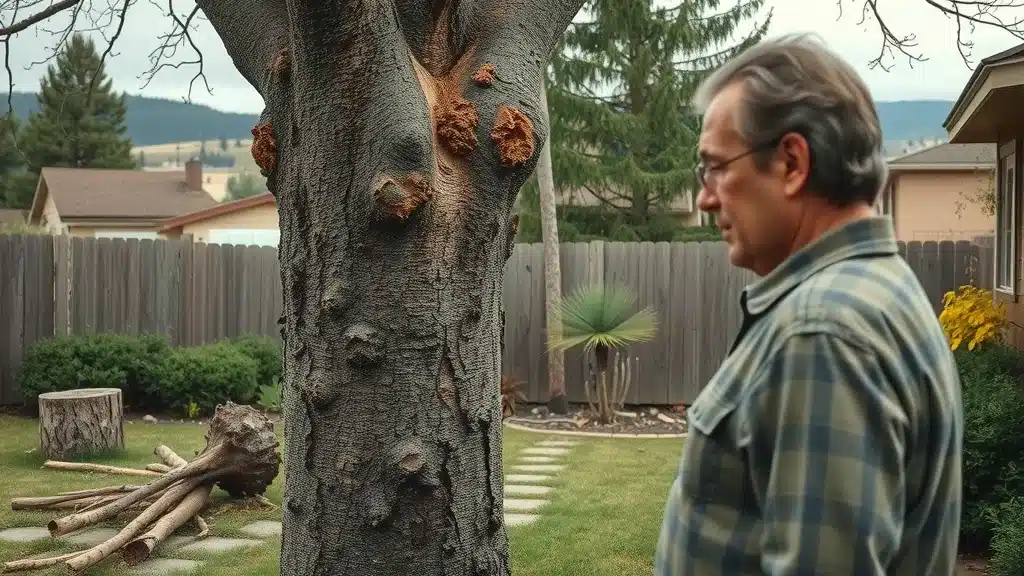
Exclusions are where things get thorny. Preventative tree removal—removing a leaning or sick-looking tree before it falls—is generally not covered in any homeowners insurance cover. This is considered a maintenance expense, much like mowing your lawn or cleaning your gutters. Similarly, if a tree fell simply because it was old, sick, or you just ignored that weird cracking sound last week, this cover preventative tree removal scenario puts the cost squarely on your shoulders.
But what if a tree falls and crushes your car? Good news, sort of: your auto insurance (if you have comprehensive coverage) is where you turn, not your home insurance policy. Bottom line: read the policy exclusions and understand what events activate your insurance cover—and where responsibilities shift entirely onto you.
Cost Considerations: How Much Is Tree Removal Insurance and What Impacts the Price?
Sticker shock is possible when you see the cost of removing a tree. Your homeowners insurance typically pays a set amount—if the tree damage was caused by a covered peril and you meet your deductible. The actual price varies based on the size of the tree, whether structures were damaged, and if it blocked your driveway. If you need preventative tree removal or you’ve got rot or disease, be prepared for out-of-pocket costs—insurance simply won’t cover the cost for maintenance scenarios.
It’s worth noting that every insurance company sets limits on tree removal costs—often $500 to $1,500 per incident—or a percentage of your dwelling coverage. Be sure to get estimates from several Denver tree removal contractors for accurate pricing and check that your chosen service works directly with insurers to help expedite the claim process.
| Event Type | Is it Covered? | Typical Cost Range | Notes |
|---|---|---|---|
| Storm-caused tree removal | Yes | $500 – $1,500 | If peril is covered |
| Preventative tree removal | No | $400 – $2,000 | Not covered, out-of-pocket |
| Tree fell on insured structure | Yes | $750 – $2,500 | Covered if peril is covered |
| Rot or disease tree removal | No | $300 – $1,500 | Considered owner responsibility |

How to Check Your Homeowners Insurance Coverage for Tree Removal in Denver
- Review your policy for ‘covered perils’ and specific tree removal language
- Search for sections on tree damage, fallen tree, and cover tree removal
- Contact your insurance agent—ask questions with confidence (and a notepad!)
Before a storm leaves you with a “tree fell” story, be proactive: pull out your insurance policy and comb through it for those key terms—especially “covered peril,” “debris removal,” and “tree removal. ” Some Denver insurers online even have search functions within digital policies, making this less of a slog. Don’t see a clear answer about insurance cover? Make the call! Insurance agents expect these questions and can break down your unique situation, from damage to a structure, to “what happens if the tree falls but doesn’t hit anything?” Remember, it pays (literally) to be prepared long before disaster strikes.
Filing a Claim in Denver: Steps for Tree Removal Insurance Cover
- Document tree damage and removal scenario
- File quickly: why timing matters with your insurer
- How to work with adjusters and tree service professionals
- Getting multiple estimates from Denver tree removal companies
When the unthinkable (well, sort-of-thinkable in Denver) happens, act fast. First, thoroughly document the tree damage—take photos, record the date, and write a brief description of what happened. File a claim with your insurance company right away because prompt action improves your odds of getting the insurance cover you deserve. The company will often send out an adjuster to inspect the damage and determine if it falls under a covered peril.
Don’t forget to get at least two or three estimates from reputable Denver tree removal firms (and ask if they work with insurers directly). This not only shows you’ve done your homework, but it keeps everyone honest—no surprise upcharges. And when the adjuster arrives, walk the property with them to point out every detail that demonstrates your claim is legit.

People Also Ask About Does Insurance Cover Tree Removal in Denver? What Homeowners Need to Know
Does homeowner insurance help with tree removal?
Yes, homeowners insurance can help with tree removal in Denver when the tree damage is caused by a covered peril—like a storm, wind, fire, or vandalism—and the tree fell onto an insured structure or blocks access to your home. However, routine maintenance, disease, or age-related tree falls are generally not covered. Always check your policy’s details before assuming coverage exists.
What two events are not covered under homeowners insurance?
In Denver, the two most common tree removal events not covered by homeowners insurance are preventative tree removal (proactively removing a risky or diseased tree) and natural falls from neglect, old age, or disease. Also, if a tree damages only your car, that’s usually handled by your auto insurance, not your home insurance.
How much is tree removal insurance?
There isn’t a dedicated “tree removal insurance” policy in Denver, but most homeowners insurance includes some amount of tree removal coverage—typically $500 to $1,500 per incident. The exact amount and events covered depend on your policy and whether the tree removal results from a covered peril.
How to check insurance for tree removal?
To check your insurance coverage for tree removal, review your homeowners insurance policy for sections on “tree damage,” “debris removal,” and “covered perils. ” When in doubt, call your insurance agent for guidance; they can clarify your coverage specifics and any documentation you’ll need if you have to file a claim in Denver.
Extra Scenarios: Preventative Tree Removal, Tree Falls, and the Insurance Gray Zone
- Preventative tree removal: covered or not?
- When a tree falls but doesn’t damage property in Denver
- If the tree falls on your neighbor: who pays?
Denver homeowners know that the insurance landscape is filled with gray areas—here’s the lowdown. Preventative tree removal (like getting rid of a “maybe-someday” hazard tree) is almost never covered. If a tree falls from wind or rot but doesn’t land on any insured structure or block critical access, cover tree removal is rare. In these cases, removing the debris is your responsibility, and your insurer simply nods politely in your direction.
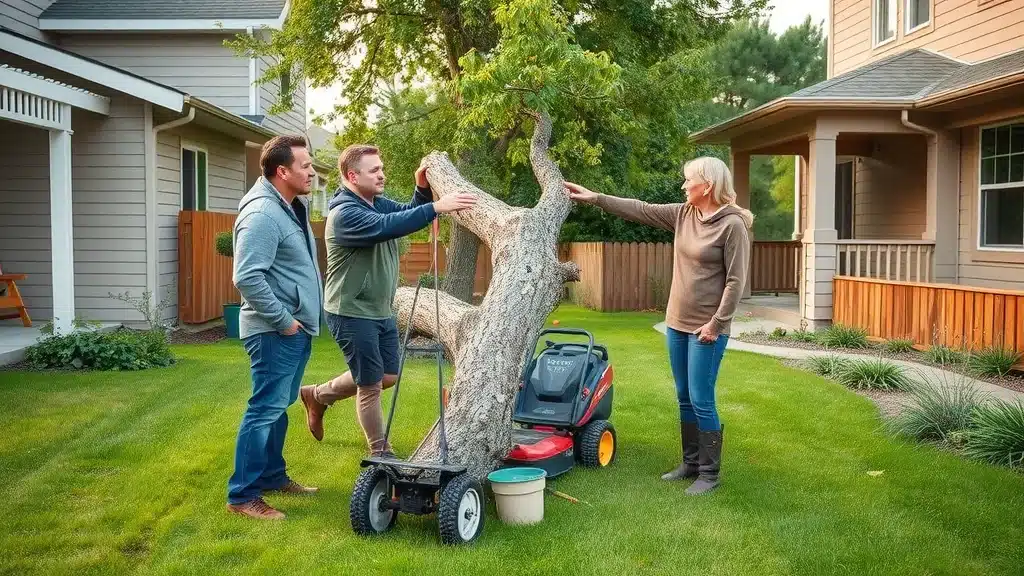
If you’re the lucky/unlucky recipient of a neighbor’s fallen tree, things get nuanced. If the tree fell from your property and did damage to your neighbor’s insured structure, their insurance typically covers the loss initially, but you might get a call if neglect can be proven. Encourage an amicable result—cooperation can make the process smooth instead of contentious!
Quick Answers: FAQs About Insurance Cover and Tree Removal in Denver
- What is a covered peril for tree removal?
- Does home insurance require a deductible for tree damage?
- Are there limits to how much insurance will pay for tree removal?
- How to choose a Denver tree removal service that works with insurance?
What is a covered peril for tree removal? This is an event specifically listed in your policy, like windstorm, fire, lightning, or vandalism, that causes tree damage or a fallen tree requiring removal.
Does home insurance require a deductible for tree damage? Yes, most home insurance policies require you to pay a deductible before coverage kicks in for related repairs or tree removal costs.
Are there limits to how much insurance will pay for tree removal? Absolutely—insurance companies generally have per-incident and overall limits for tree removal and debris clean-up, so check these in your policy.
How to choose a Denver tree removal service that works with insurance? Look for local contractors familiar with insurance claims and who are willing to coordinate with your insurer—reviews and referrals help ensure hassle-free service!
Key Takeaways: What Homeowners Need to Know About Does Insurance Cover Tree Removal in Denver
- Not all tree removal is covered—know your policy and the difference between tree damage and tree removal
- Coverage depends on perils, cause of fall, and type of damage
- Read your policy and talk to your Denver insurer for clarity
- Proactive prevention can save money and headaches

Get Professional Help with Tree Removal in Denver
“Still unsure if your insurance will cover Denver tree removal? Don’t wait—call in the pros for answers and action!”
Ready to Schedule? Contact Denver CO Tree Services for Fast Assistance
If handling downed trees, insurance claims, or vendor wrangling isn’t your thing, let the local experts help. Denver CO Tree Services knows the ins and outs of insurance and tree removal, so you can get your property cleared and your claim filed—fast and without hassle.
Conclusion: Does Insurance Cover Tree Removal in Denver—Stay Prepared and Informed
Not all trees (or claims) are created equal in Denver. Review your insurance policy now and talk to your agent to ensure your coverage matches your needs—before you’re left holding the bill and the broken branch!
Sources
- Colorado Division of Insurance: Homeowners
- Insurance Information Institute: Does Homeowners Insurance Cover Tree Removal?
- FEMA – Does Insurance Cover Tree Removal?
Understanding whether your homeowners insurance covers tree removal in Denver depends on specific circumstances and policy details. Generally, if a tree falls due to a covered peril—such as a windstorm, lightning, or fire—and damages an insured structure like your home, garage, or fence, your insurance policy is likely to cover both the damage and the cost of tree removal. However, if a tree falls without causing damage to a covered structure, or if it falls due to neglect, disease, or age, insurance typically does not cover the removal costs. Additionally, preventive removal of potentially hazardous trees is considered routine maintenance and is usually not covered by homeowners insurance. (nerdwallet. com) It’s important to note that insurance policies often have specific limits for tree removal coverage, commonly ranging from $500 to $1,000 per incident. Reviewing your policy and consulting with your insurance agent can provide clarity on your coverage specifics. (insure. com) For Denver residents, local insurance agencies can offer guidance tailored to regional considerations. For instance, Aspen Insurance Agency in Denver advises homeowners to review their policies to ensure adequate coverage for potential risks, including falling trees. (aspeninsuranceagency. com) In summary, while homeowners insurance may cover tree removal under certain conditions, it’s essential to understand the specifics of your policy and maintain your property to prevent potential issues.